

1930s Storage Cabinet
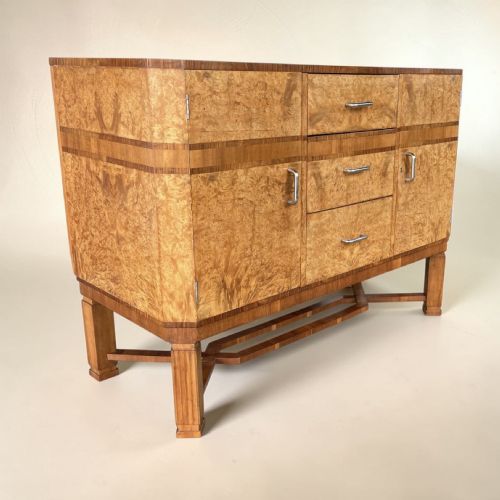
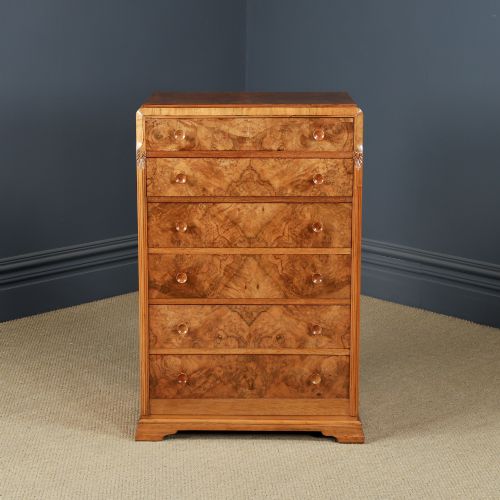
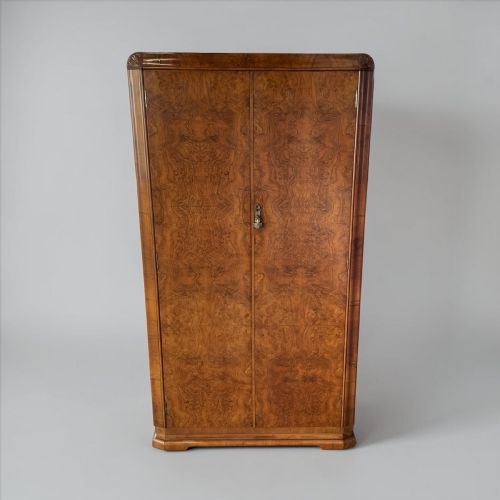
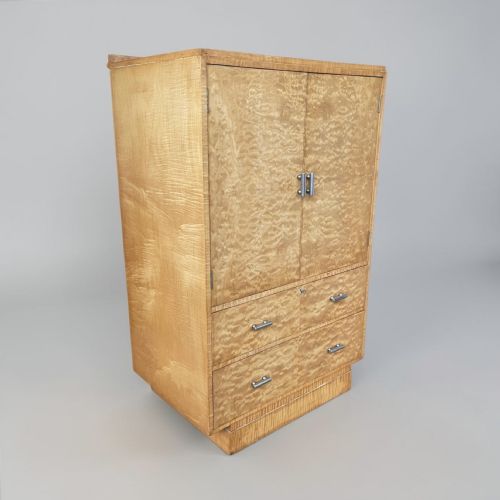
These pieces of 1930s storage cabinet design bring strong geometric lines and rich figuring to a room.
1930s Storage Cabinet
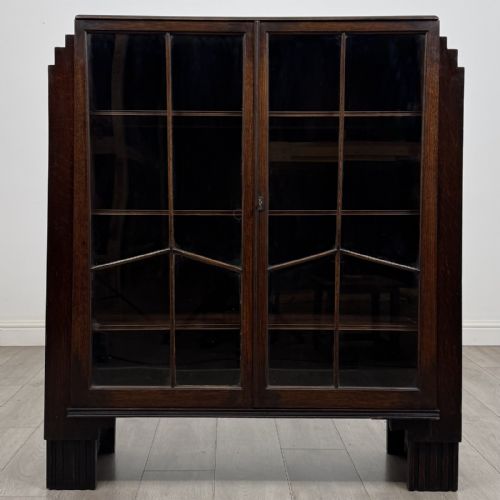
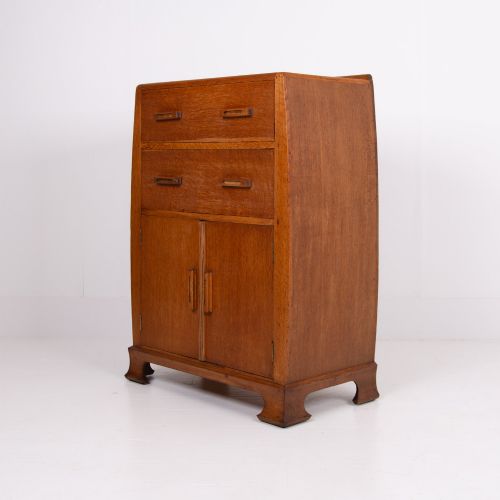
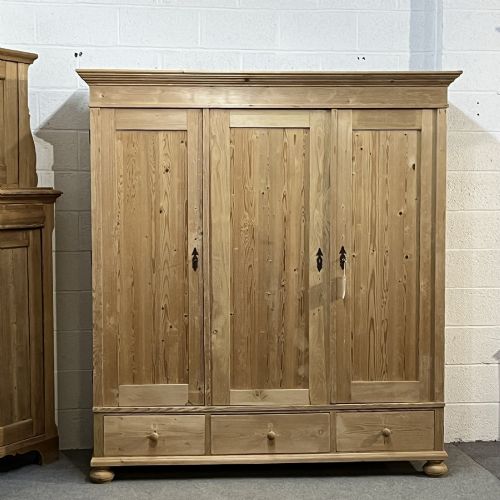
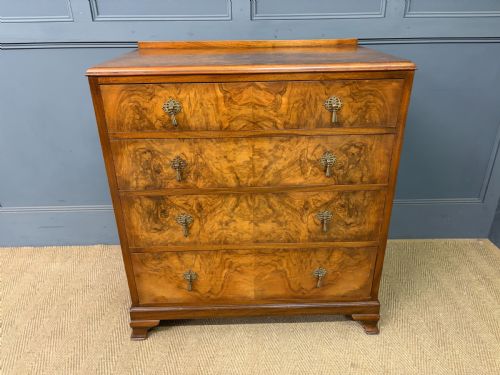
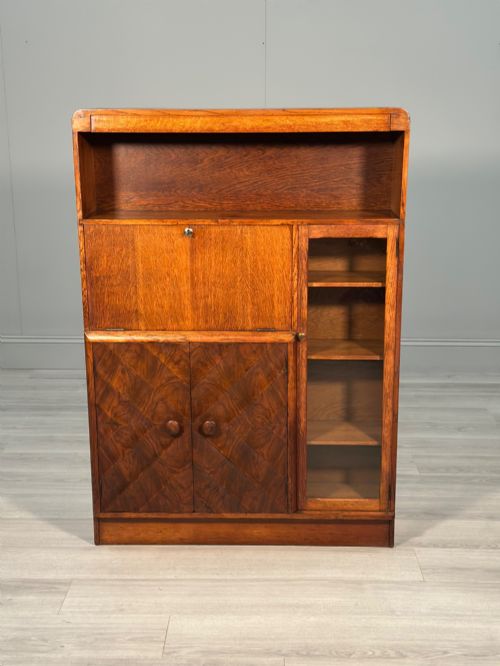
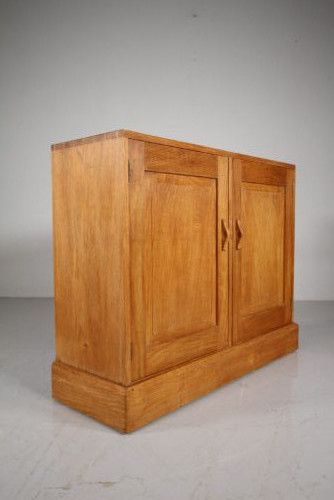
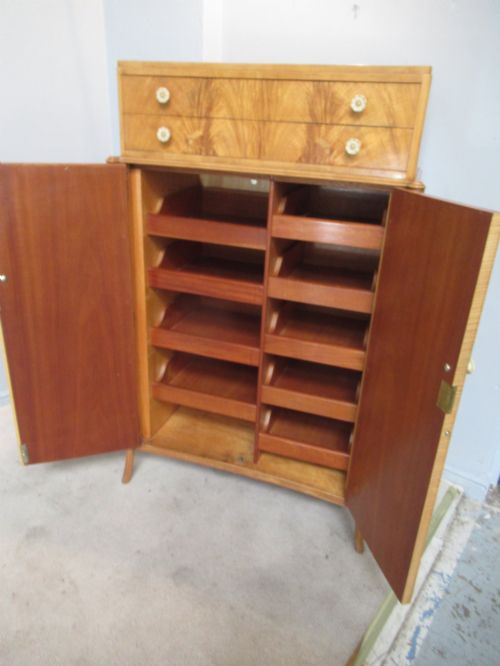
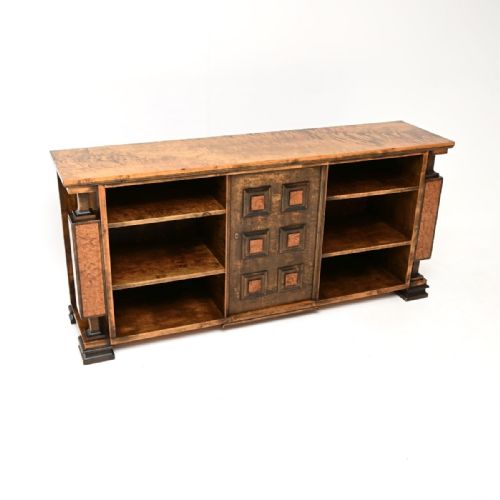
A 1930s storage cabinet brings together functional storage and striking design, taking forms such as chests of drawers, tallboys, compactums, sideboards, and bookcases. These items provide practical space for clothing, books, and household goods while displaying the distinct character of their period.
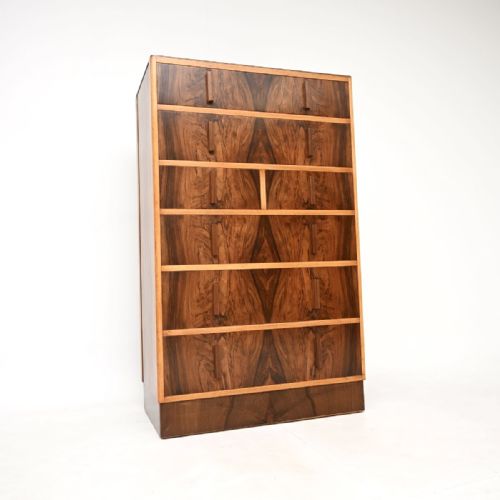
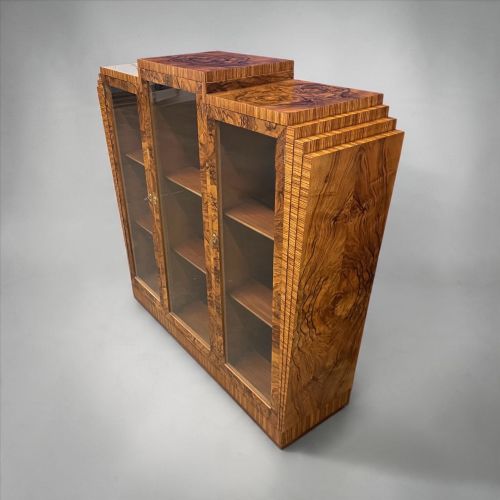
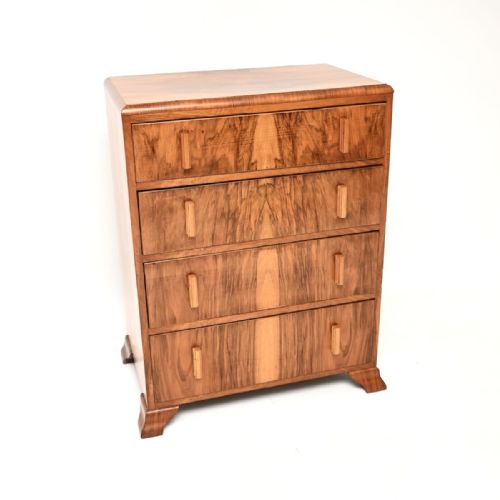
The pieces on this page are dominated by Art Deco styling, alongside British Institutional, Cotswold School, and Swedish Grace expressions. Oak and walnut appear frequently, often finished with burr veneers that accentuate the natural grain patterns of the wood.
Buyers will most commonly encounter upright cabinets and chests dating from the 1930 and 1940 period. French and English workshops produced many of the surviving examples, utilising rich timbers to create bold silhouettes for domestic interiors.
What varies in quality
Quality in these storage pieces rests largely on the choice and matching of wood veneers, particularly burr and figured walnut. Pieces with continuous, book-matched grain across multiple drawers demonstrate a higher standard of cabinet-making than those with mismatched panels.
The integrity of the construction and the refinement of subsidiary materials, such as solid brass handles or specialised internal fittings in cocktail cabinets, distinguish standard utility pieces from workshop-produced examples by notable makers.
1930s Storage Cabinet Retail Price Guide 2026
Typical asking prices for 1930s storage cabinet among the pieces listed under this phrase on Sellingantiques today, from the lower quarter to the upper quarter. They describe what is for sale here now, not the wider market.
Some French drinks cabinets from this era come equipped with cast-iron legs, ready to roll the gin into the living room at a moment's notice.
E Gomme·Harry and Lou Epstein·Peter Waals·Hille
The 1930s Storage Cabinet Glossary
- Compactum
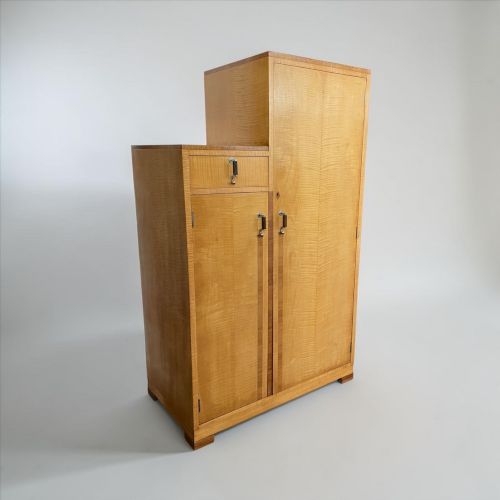
- A large wardrobe or multi-compartment storage cabinet designed to hold various types of clothing in one unit. These pieces often combine hanging space with internal drawers and shelving.
- Burr walnut
- A prized wood veneer taken from the growth growths of a walnut tree, yielding swirling, highly decorative grain patterns. It was frequently used on the primary display surfaces of Art Deco furniture.
- Tallboy
- A tall chest of drawers or a wardrobe built on top of a chest, providing vertical storage with a small footprint. This form maximises floor space while offering substantial capacity.
- Sideboard
- A long low piece of furniture used for storing dining linen, cutlery, and glassware. In this period, these items often featured stepped profiles and figured wood veneers.
- Bookcase
- An upright piece of furniture with shelves for holding books, sometimes enclosed by glass or wooden doors. Stepped variations are typical of the Art Deco style.
1930s Storage Cabinet: Frequently Asked Questions
What is a compactum wardrobe?
A compactum wardrobe is a multi-purpose storage unit that combines hanging space, drawers, and shelving within a single frame.
These cabinets were designed to organise various types of attire efficiently in domestic bedrooms of the period.
How do I identify Art Deco furniture?
Art Deco furniture is recognised by its clean geometric lines, symmetrical forms, and the use of exotic wood veneers like burr walnut and satin birch.
Decoration is typically minimal, relying on the natural grain of the timber and polished metal or brass fittings rather than carved ornamentation.
Where were these cabinets made?
These cabinets originated from workshops and factories across England, France, and Sweden. English makers often worked in oak and walnut, while French designers experimented with varied materials including parchment and bamboo.
Regional styles ranged from the Cotswold School to continental Art Deco.
How do I care for walnut veneer?
Walnut veneer should be kept away from direct sunlight and excessive heat to prevent the wood from drying out and the veneer from lifting. Regular dusting with a soft, dry cloth maintains the surface.
Occasional treatment with appropriate furniture wax helps preserve the sheen of the timber.