


1930s Platinum Ring
A 1930s platinum ring brings the sharp geometry of the Art Deco era directly to the hand in enduring metal.
1930s Platinum Ring
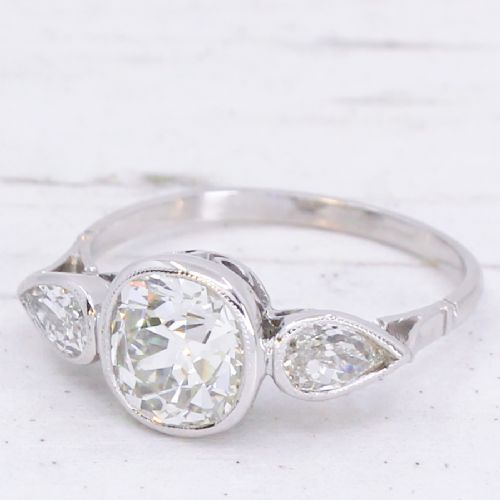
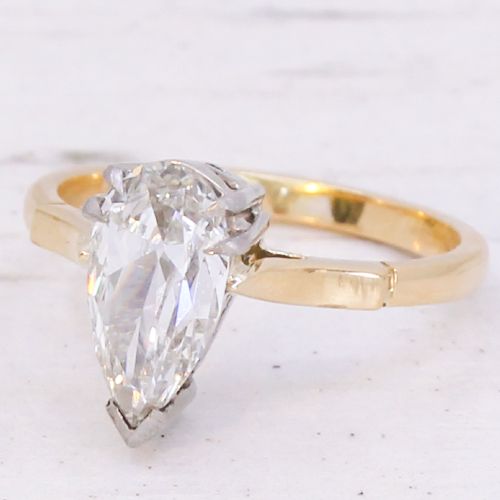
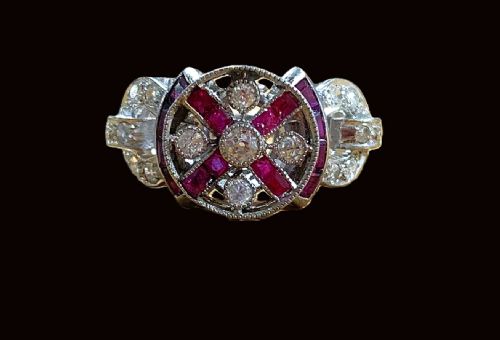
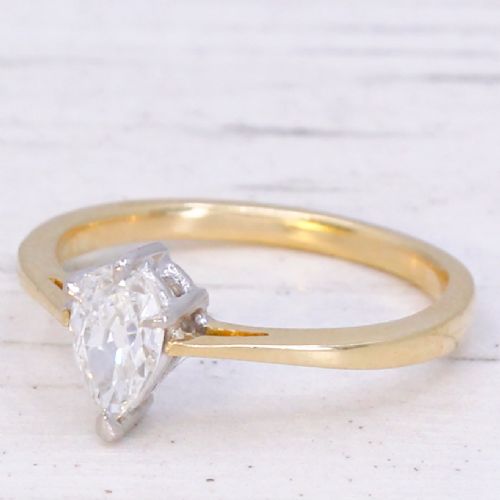
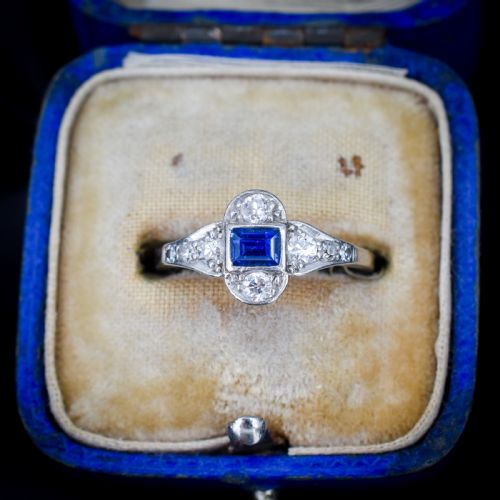
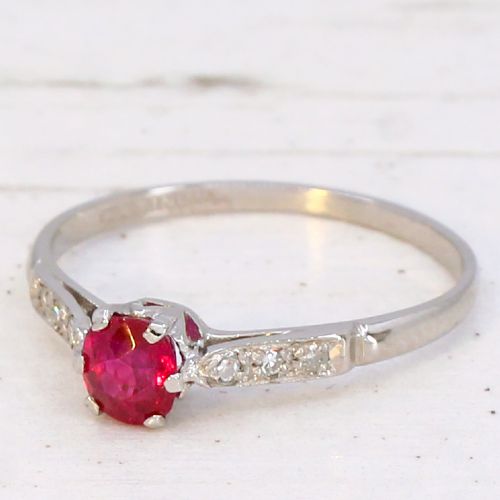
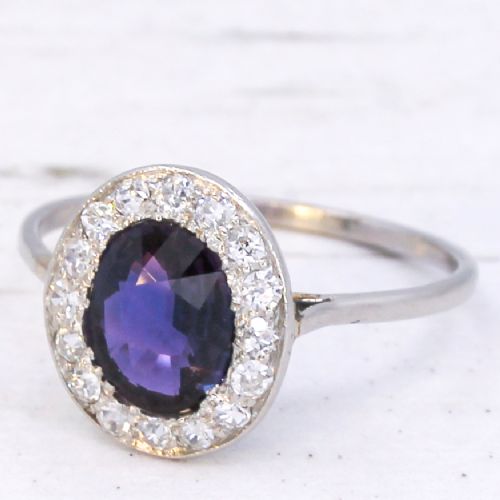
A 1930s platinum ring captures the distinct aesthetic of the Art Deco period through geometric forms, clean lines and architectural settings. These pieces primarily function as engagement rings, dress rings, cluster rings and solitaire rings designed to showcase central stones.
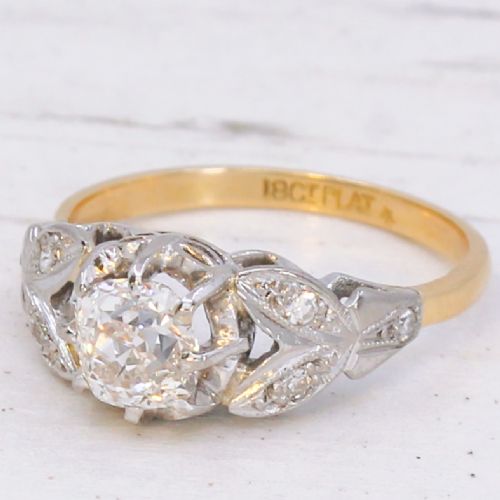
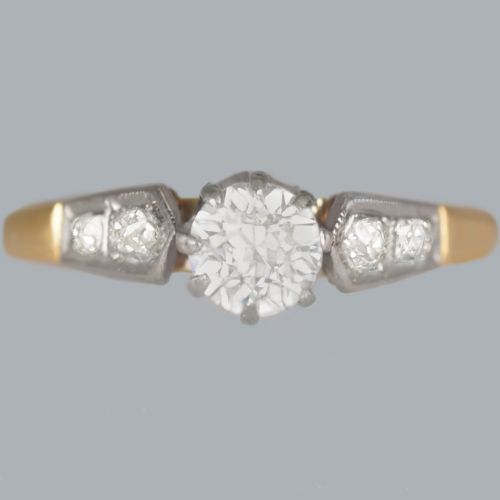
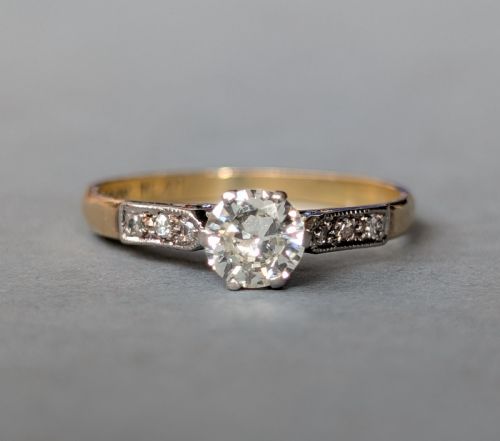
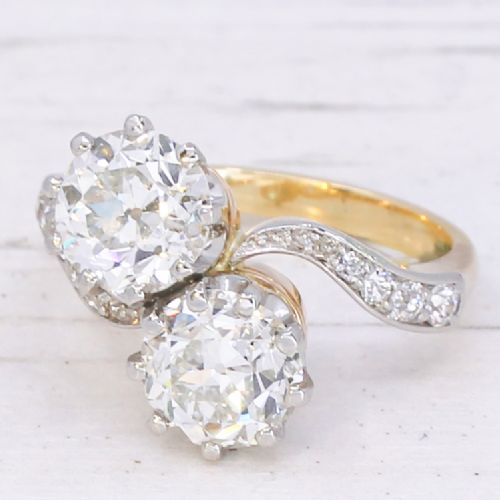
The majority of these jewels pair bright white platinum settings with either solid platinum bands or combinations involving yellow gold, white gold and lower carat gold bands. Gemstones span classic diamonds alongside coloured stones such as emeralds and sapphires.
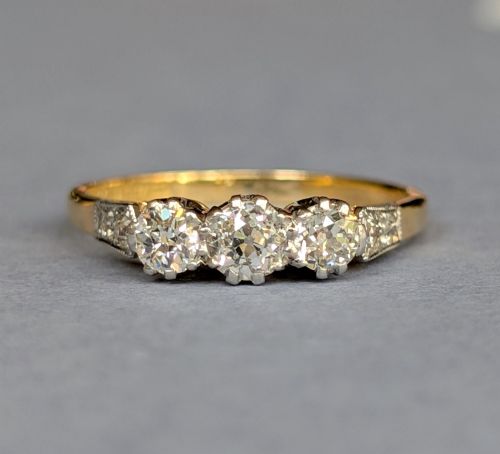
Solitaire designs, twist styles, trilogy arrangements and cluster configurations dominate the selection. Many pieces feature intricate geometric patterns or panel settings that reflect the distinct design vocabulary of the decade.
How They Were Made
Craftsmen utilised strong, durable platinum to fashion delicate yet secure settings that hold diamonds and coloured gems with minimal visible metal. This dense white metal allowed jewellers to create ultra-fine claw settings, millegrain edges and complex geometric frameworks without risking structural integrity.
Many examples combine a platinum head or top panel with a contrasting yellow gold or white gold shank. Stones were hand-cut in traditional shapes, including old cuts and baguettes, then set meticulously into geometric or floral scroll arrangements.
1930s Platinum Ring Retail Price Guide 2026
Typical asking prices for 1930s platinum ring among the pieces listed under this phrase on Sellingantiques today, from the lower quarter to the upper quarter. They describe what is for sale here now, not the wider market.
Archival pieces demonstrate regular combinations of platinum settings mounted onto eighteen carat gold bands.
What Varies in Quality
The distinction between tiers rests upon the scale, weight and clarity of the central gemstones, alongside the complexity of the platinum mounting. Larger solitaire diamonds and substantial emerald or sapphire centerpieces command immediate attention through their brilliance and depth of colour.
Finishing details such as crisp millegrain work, sharp geometric angles and the structural precision of multi-stone panel or cluster layouts separate standard workshop output from exceptional examples of period jewellery.
The 1930s Platinum Ring Glossary
- Art Deco
- A design style spanning the 1920s and 1930s characterised by geometric shapes, streamlined forms and symmetrical patterns. This aesthetic heavily influences the structure of these rings.
- Platinum
- A dense, durable, naturally white precious metal favoured during the 1930s for securing gemstones in fine jewellery. Its strength permits exceptionally delicate claw and channel settings.
- Solitaire
- A ring featuring a single central gemstone, most commonly a diamond. This minimalist setting style highlights the quality and cut of the main stone.
- Trilogy ring
- A ring set with three stones, traditionally representing the past, present and future. In this era, these stones are often framed in platinum on gold bands.
- Millegrain
- A decorative technique involving a row of tiny raised metal beads along the edges of a setting. This subtle texture softens the transition between the platinum metal and the stone.
1930s Platinum Ring: Frequently Asked Questions
How do I identify a 1930s platinum ring?
Look for characteristic Art Deco design elements such as geometric motifs, stepped panel layouts and precise millegrain detailing. The presence of platinum indicates high-grade jewellery from this period.
Examine the construction for mixed metals, where a platinum top section is fused to a yellow or white gold band. Hallmarks and specific stone cuts like old European cuts also help confirm the era.
Can I wear a 1930s platinum ring every day?
Platinum is an exceptionally durable and hard-wearing metal that stands up well to daily wear. Its strength makes it ideal for securing vintage diamonds and gemstones over long periods.
However, delicate settings or intricate gallery work require mindful care to avoid impact damage. Regular checks by a jeweller ensure the claws remain secure.
What is a cluster ring?
A cluster ring arranges multiple smaller diamonds or coloured stones tightly together around a central focal point. This configuration maximises overall sparkle and creates a larger visual presence on the hand.
In 1930s pieces, these clusters typically adopt geometric or floral shapes mounted entirely in platinum.