


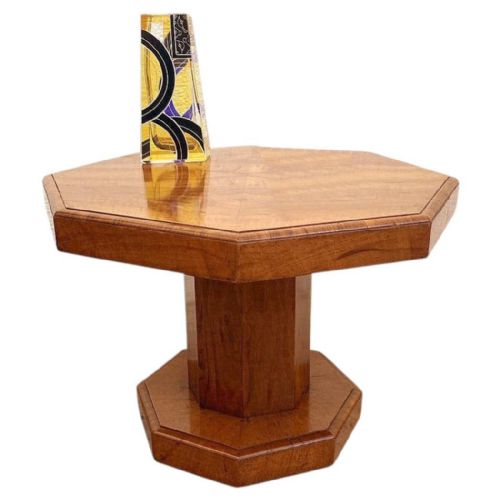


1930s Low Coffee Table
A 1930s low coffee table brings distinct period geometry and rich timber grain to a modern seating area.
1930s Low Coffee Table
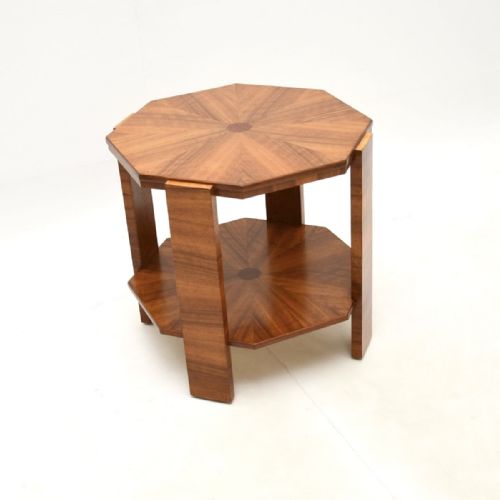
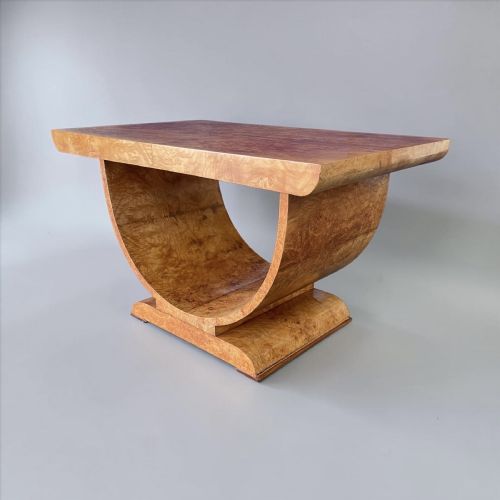
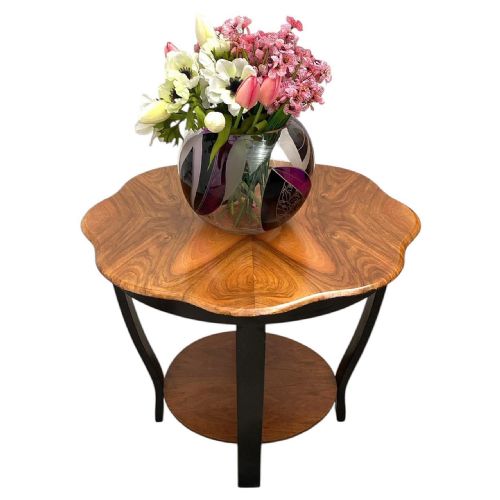
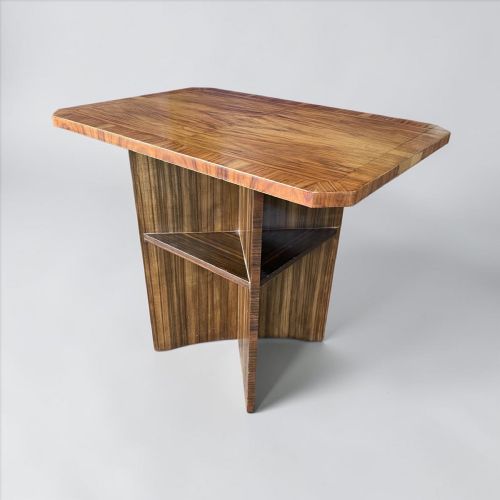
A 1930s low coffee table sits low to the floor, predominantly taking the form of coffee tables, occasional tables, or nests of tables. These pieces embody the defining aesthetic movements of the era, most notably Art Deco alongside French Rococo Revival and Swedish Grace influences.
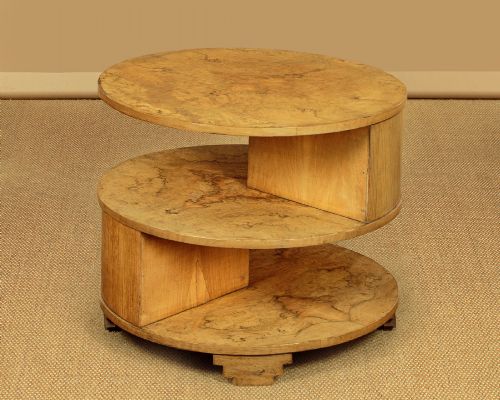
Most examples found here date to the 1930 period, constructed in English, French, and Scandinavian workshops. Buyers encounter single pedestal designs, two-tier formats, and multi-part sets designed for functional placement in sitting rooms.
The silhouettes rely on horizontal emphasis, clean architectural lines, or rounded geometric edges typical of interwar design. They serve as central surfaces in a room while displaying the characteristic proportion of the decade.
Materials and construction methods
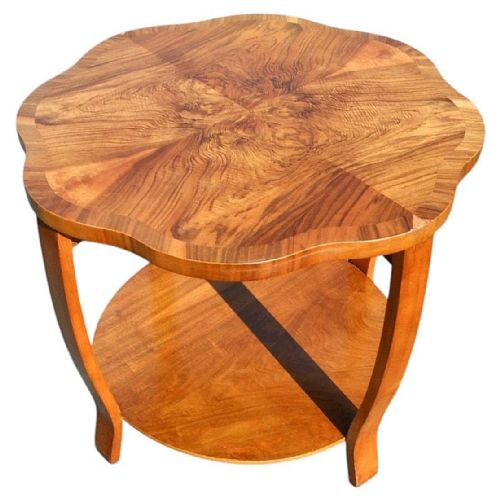
Cabinet makers utilised a palette of solid timbers and decorative veneers, notably walnut, burr walnut, oak, and blonde oak. Artisans also employed exotic or lighter woods such as burr maple, satin birch, elm, ebony, and bleached walnut to create striking surface patterns.
Veneers were expertly matched and laid across table tops to highlight the natural movement and figure of the wood grain. Metal and glass elements, including wrought iron, brass, and original glass tops, appear in specific French designs alongside traditional wood joinery.
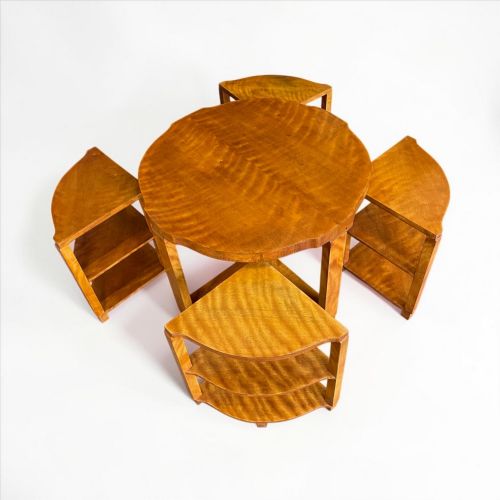
One five-part nest manages to pack an entire colony of surfaces into the footprint of a single table.
Judging quality and execution
Quality rests upon the selection and placement of timber veneers, where symmetrical figuring and flawless matching elevate a piece. The treatment of secondary woods and the precision of edge joinery demonstrate the maker's underlying skill.
Proportion and structural balance dictate the success of the form, particularly in two-tier models and pedestal bases. Pieces that integrate contrasting materials like brass and wrought iron rely on clean fabrication to maintain their architectural integrity.
Heal s
The 1930s Low Coffee Table Glossary
- Art Deco
- A design style spanning the 1920s and 1930s characterised by streamlined geometric forms and modern materials. It replaced more ornate historical revivals with clean lines.
- Burr walnut
- A prized timber harvested from walnut tree growths, yielding intricate swirling grain patterns. Cabinet makers used veneers of this wood for decorative table surfaces.
- Nest of tables
- A set of graduated tables designed to stack neatly beneath one another when not in use. They offer flexible surface space in compact sitting rooms.
- Two tier
- A table configuration featuring a main top surface plus a lower shelf supported by legs or uprights. This design provides additional storage or display room.
- Swedish Grace
- A refined Scandinavian classicism bridging neoclassical restraint and early modernism. It prioritises subtle carving and pale timbers like birch.
1930s Low Coffee Table: Frequently Asked Questions
How do I identify French pieces?
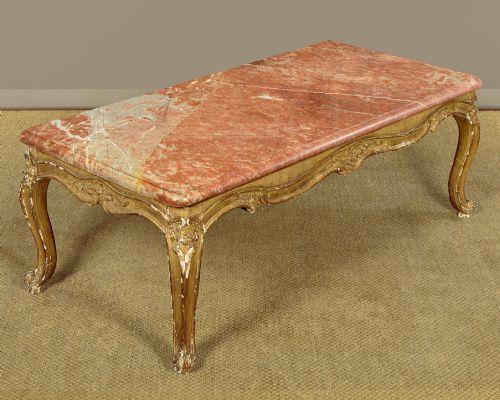
French tables from this period often incorporate mixed media, such as wrought iron, brass, and original glass inserts. Their forms can lean towards more expressive styling, including French Rococo Revival influences.
Makers across the Channel frequently utilised distinct metalwork alongside traditional cabinet making to achieve a lighter, architectural look.
Where were these tables made?
The pieces originate primarily from English, French, and Scandinavian workshops active during the interwar years. Each region brought distinct material preferences to the market, from English walnut to pale Swedish birch.
Geographic origin often dictates the secondary woods used in construction and the specific nuance of the decorative style.
How do I care for veneered wood?
Veneered surfaces require protection from direct sunlight and excessive moisture to prevent fading and lifting of the thin timber layer. Regular dusting with a soft cloth preserves the polished finish without abrasive cleaners.
Maintaining stable room humidity helps protect the underlying wood and historical joints from seasonal movement.