

1930s Glass Table Light
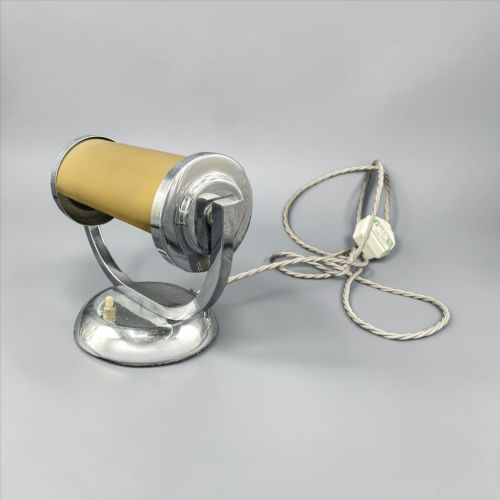
A 1930s glass table light brings distinct period character to a room through geometric forms, coloured shades, and metal bases.
1930s Glass Table Light
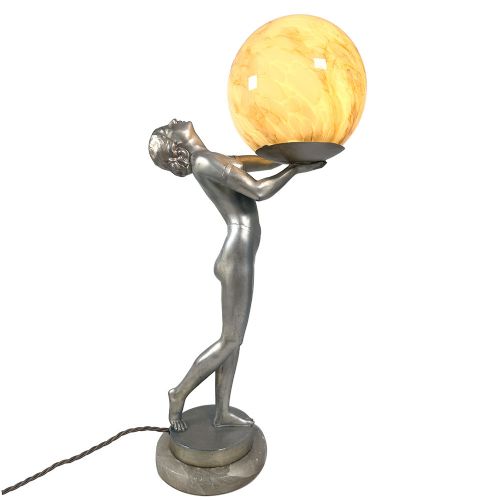
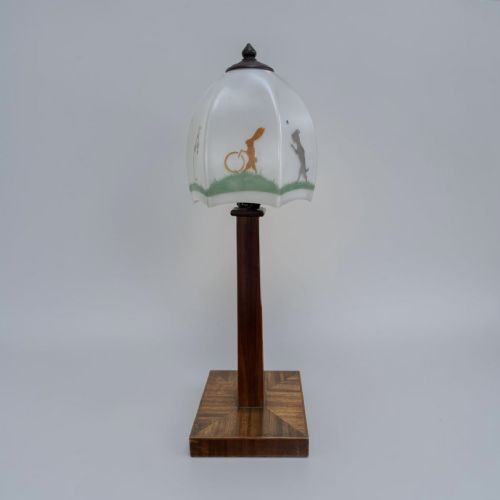
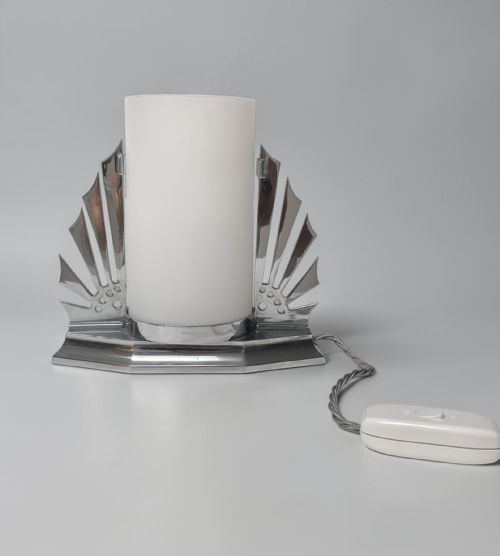
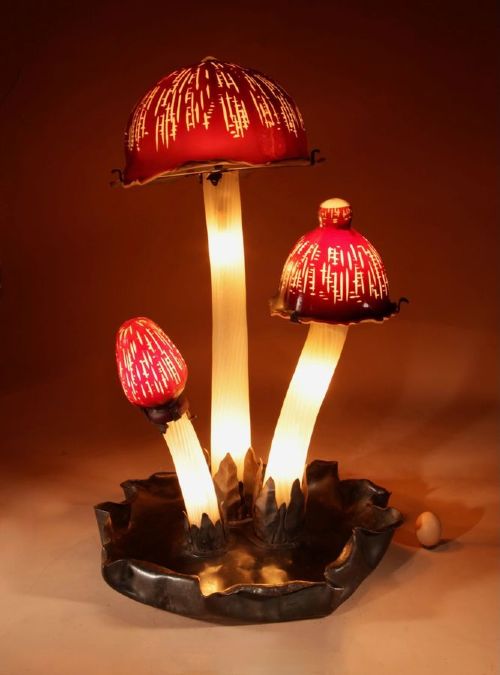
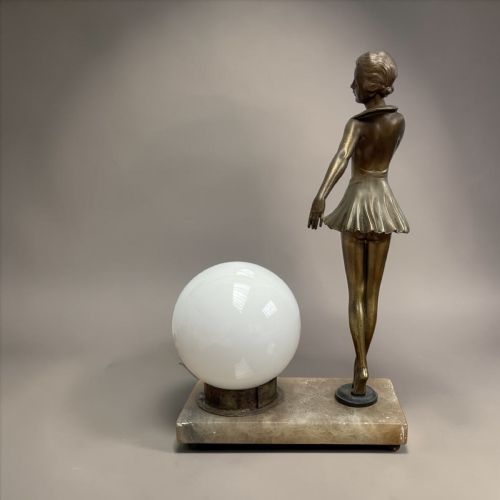
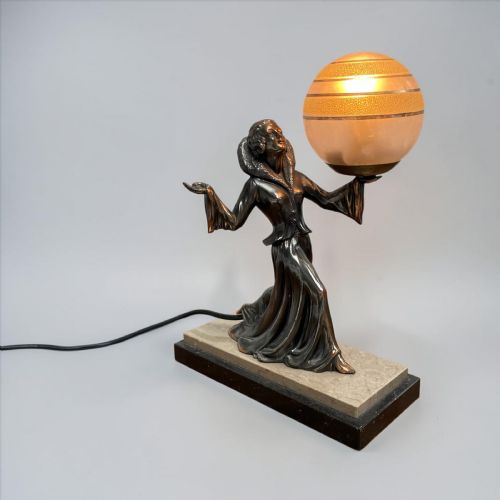
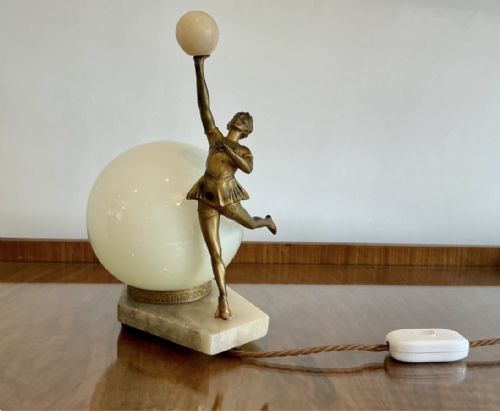
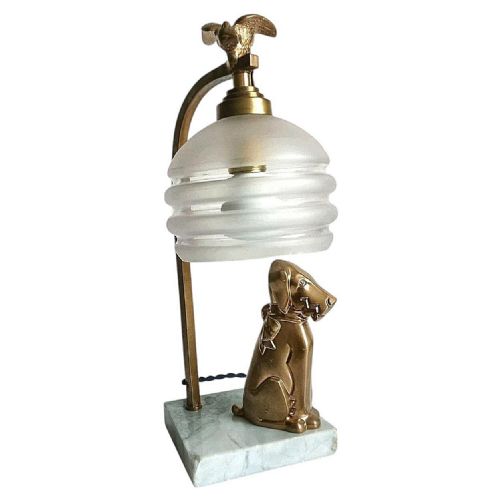
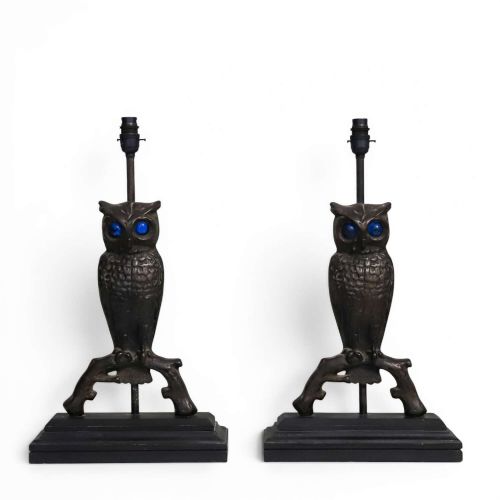
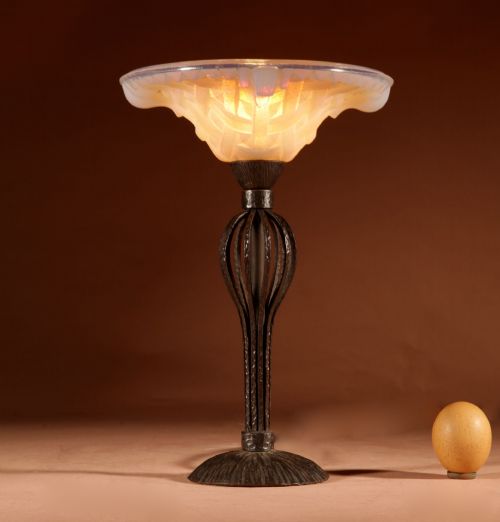
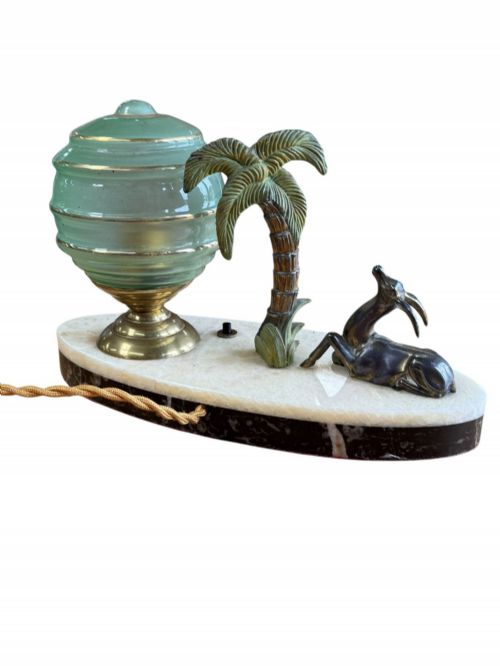
A 1930s glass table light encompasses functional illumination designed during the Art Deco era, often featuring moulded, frosted, or opaline shades paired with heavy bases. These pieces frequently incorporate figural elements such as ladies, athletes, animals, or abstract geometric motifs like zig-zag lightning flashes.
The selections on this page lean heavily towards French and Italian origin, showcasing notable glass techniques from makers and studios of the period. Alongside standard table lamps, buyers encounter desk lamps, floor lamps with integrated glass cocktail tables, and combination lamp-and-clock pieces.
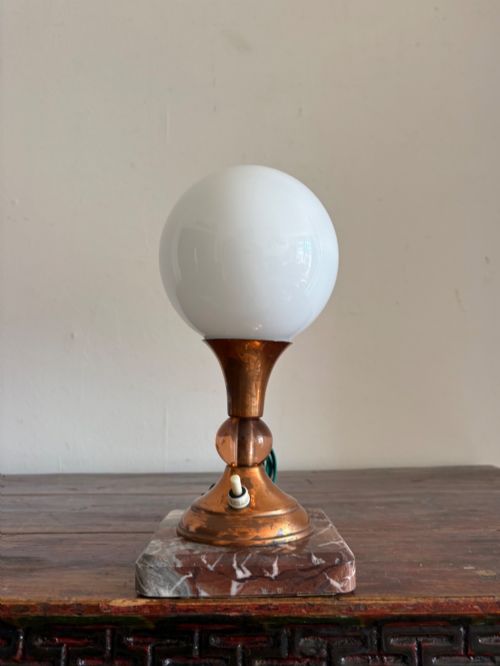
Materials extend beyond simple glass to include marble, chrome, brass, spelter, wrought iron, and bakelite, anchoring the luminous shades. Pairs and single statement pieces emerge across the 1920 to 1940 window, reflecting the transitional tastes of the interwar decades.
Materials and construction
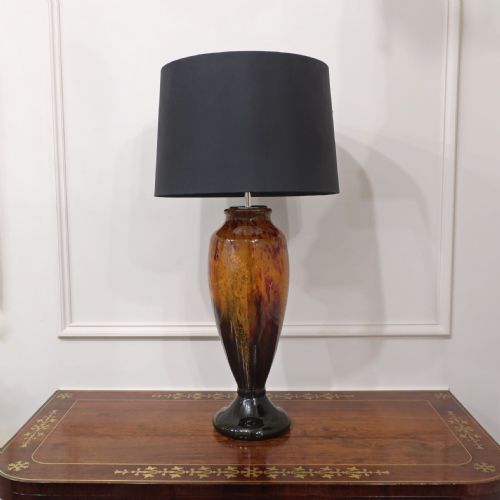
Glass production relied on specialist moulding and acid-etching techniques to create opaline, mottled, and cut crystal effects. Shades were produced by established glasshouses and signed by makers, mounted onto metal frames or heavy stone supports.
Bases combined functional metals like chrome, brass, nickel, and wrought iron with tactile elements such as marble, cast iron, and spelter figures. These contrasting textures provided stability for the prominent glass shades while defining the sculptural silhouette of each lamp.
Listings feature glass, chrome, marble, brass, frosted glass, metal, spelter, and fabric across the Art Deco period.
Assessing quality and origin
Quality rests in the crispness of the moulded glass and the integrity of the associated metalwork or figural casting. Pieces carrying discernible signatures from major glasshouses or attributed designers separate themselves from unbranded commercial output.
The cohesion of the materials determines overall calibre, particularly where glass shades integrate with marble bases, wrought iron framing, or patinated spelter figures. Original combinations of shade and base retain greater integrity than later assembled pairings.
Fratelli Toso·Charles Schneider·Eileen Grey·Daum·Muller Bros·Degue
The 1930s Glass Table Light Glossary
- Opaline glass
- A semi-opaque glass with a milky appearance, frequently utilised in interwar lighting to diffuse light evenly. It appears in white and tinted varieties across French shades.
- Spelter
- A zinc alloy commonly cast into figural sculptures for lamp bases, often given a bronze or painted finish. It offers a lighter alternative to solid bronze while capturing intricate detail.
- Millefiori
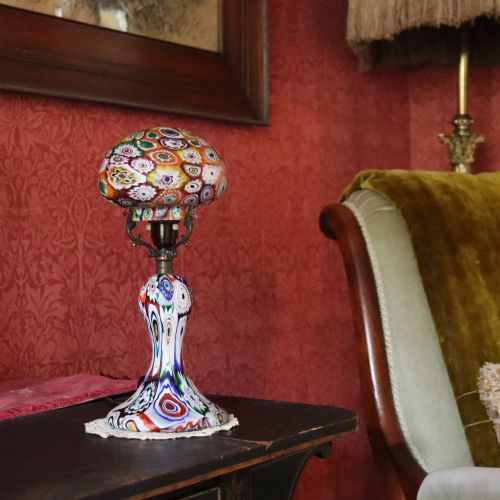
- A glasswork technique involving multicoloured glass rods fused together and sliced to reveal patterns, seen in Italian pieces. The term translates to a thousand flowers.
- Wrought iron
- Iron beaten and shaped by hand into decorative scrolls and architectural supports for lamp structures. It provides a sturdy, dark contrast to luminous glass shades.
- Bakelite
- An early synthetic thermosetting plastic moulded into desk accessories and lamp components. Its deep lustre characterises modernist and Art Deco electrical fittings.
1930s Glass Table Light: Frequently Asked Questions
How do I safely rewire an antique glass lamp?
Older electrical components require replacement with modern wiring to meet safety standards while preserving the original hardware. A qualified electrician can thread modern flex through the existing internal channels without altering the metal or glass structure.
Care should be taken to protect fragile glass shades during handling and reassembly. Using low-heat LED bulbs prevents thermal stress on vintage opaline or mottled glass.
Are these lamps European or British origin?
The majority of pieces originate from France and Italy, reflecting the dominant design centres of the Art Deco movement. British examples also appear alongside American conversions.
Continental pieces frequently feature signed glass shades and sculptural spelter or wrought iron bases.
How do I clean vintage frosted glass shades?
Dust accumulates within the textured surfaces of frosted and opaline shades over decades of use. Warm water and mild soap applied with a soft cloth clear away residue without harming the glass.
Harsh chemical cleaners and abrasive pads must be avoided to preserve acid-etched finishes and applied metallic details.
What defines Art Deco lighting?
Art Deco lighting relies on streamlined geometric shapes, symmetrical arrangements, and industrial materials combined with luxury finishes. The aesthetic embraces modernism alongside stylised representations of human figures and fauna.
Contrasting textures like polished chrome against matte marble typify the decorative language of the period.