

1930s Geometric Table
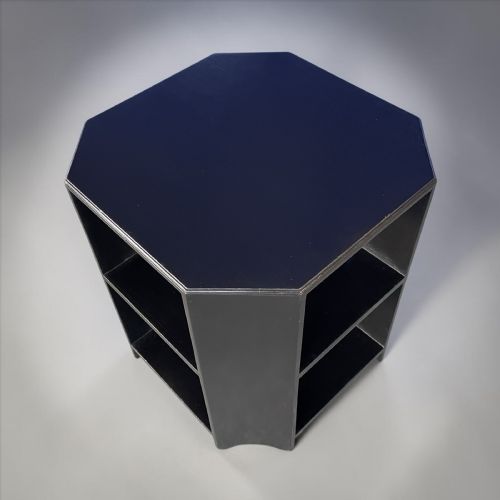
These pieces deliver the clean lines and striking forms of a 1930s geometric table, built to anchor a room with period character.
1930s Geometric Table
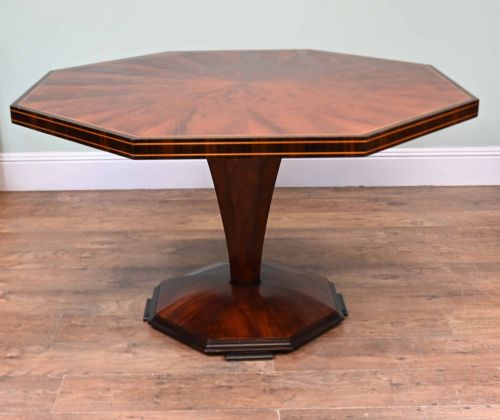
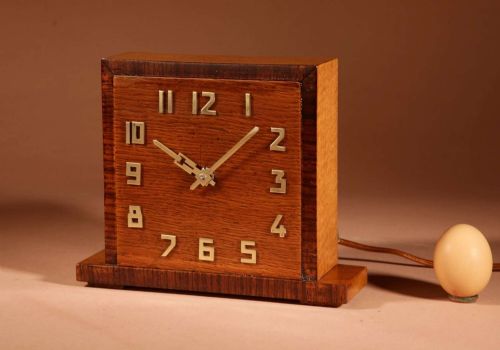
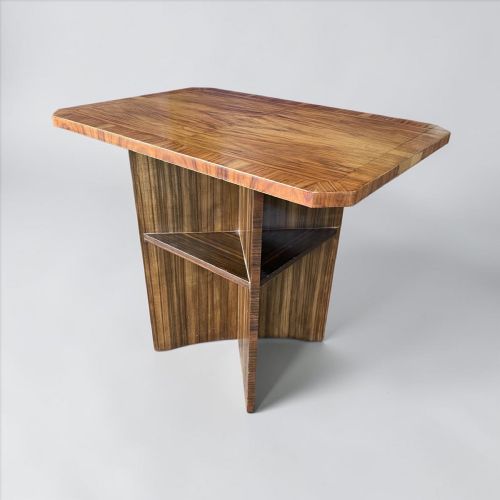
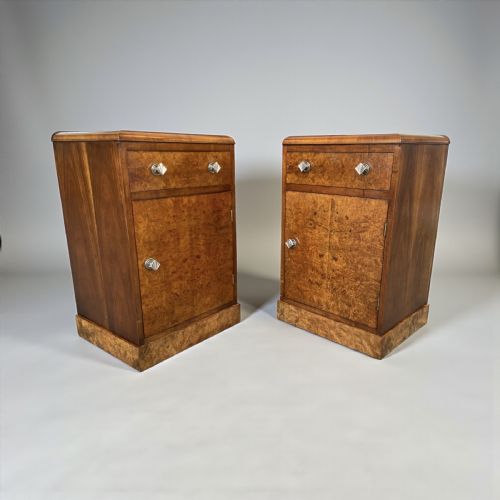
When someone searches for a 1930s geometric table, they encounter forms that celebrate structural clarity and clean angles. The selection spans occasional tables, coffee tables, side tables, and bedside units created during the Art Deco period. These functional surfaces served modern interiors that valued streamlined shapes over excessive ornamentation.
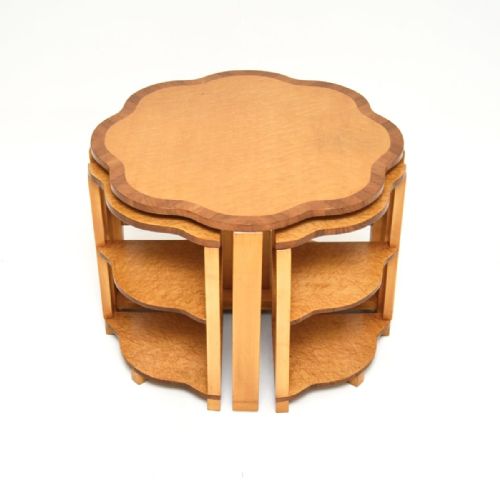
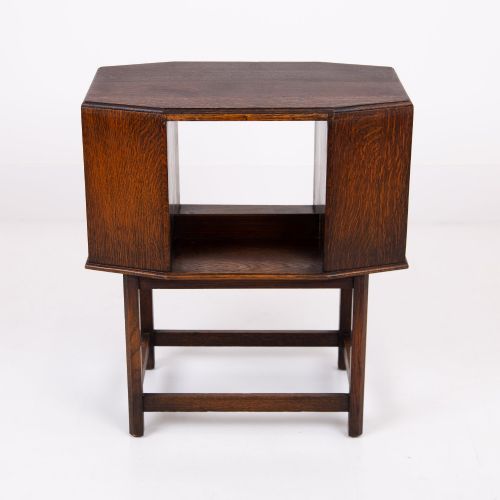
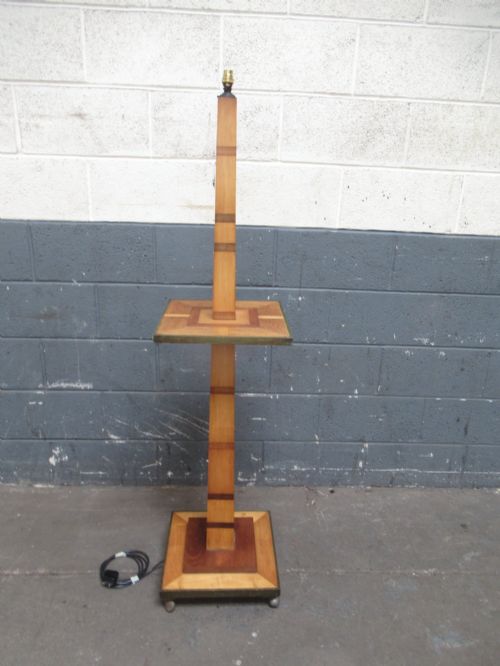
The version most commonly met on this page is the oak or walnut side table, frequently featuring octagonal tops, two tiers, or integrated bookcase storage. Alongside these sit occasional tables veneered in birdseye maple or macassar ebony, showing the rich grain patterns favoured by designers of the era. American and Amsterdam School variations also appear, bringing distinct regional interpretations to the geometric theme.
How They Were Made
Cabinet makers of the period relied on solid oak and walnut as structural timbers, often applying highly figured veneers such as birdsay maple, macassar ebony, and satinwood to visible surfaces. Chrome and brass plating provided reflective metallic contrasts on frames, handles, and trim. Glass and marble tops introduced further textural variety to the wooden and metal frameworks.
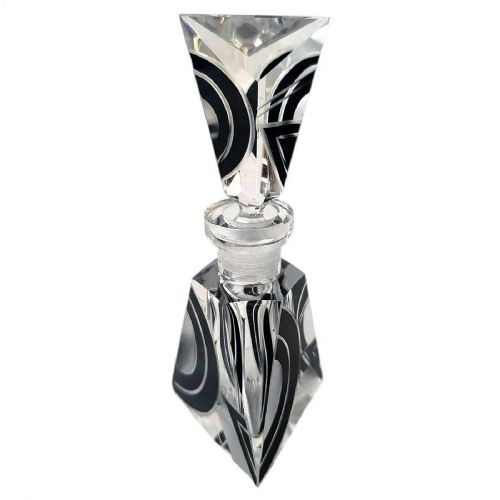
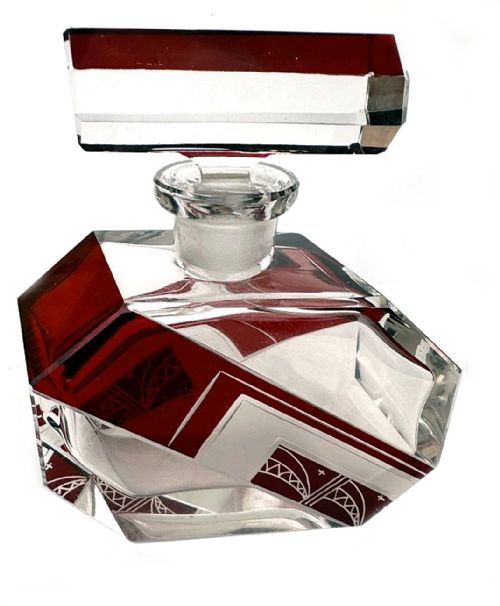
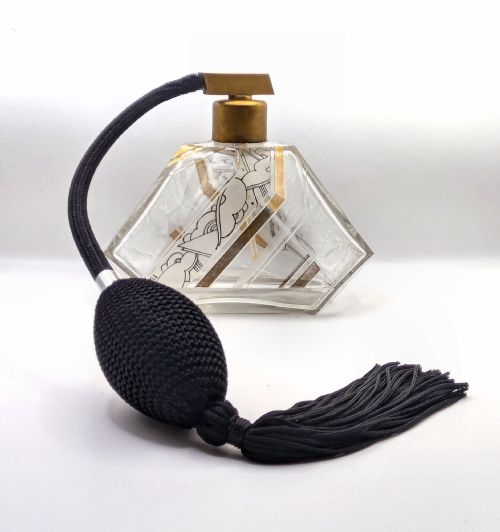
Construction techniques balanced traditional joinery with modern industrial materials. Ebonised finishes and mirrored surfaces enhanced the visual depth of geometric silhouettes, while specialised cuts of glass appeared in related decorative items like perfume bottles. This combination of natural timber grains and polished metal defined the manufacturing standards of the decade.
Period origins span the 1920s, 1930s, and 1940s, capturing the height of Art Deco design.
What Varies In Quality
The distinction between tiers of quality rests primarily on the selection of timber veneers and the precision of the construction. Tables featuring book-matched figured veneers or complex multi-tiered joinery represent the upper end of the range. Simpler solid oak or ebonised pieces demonstrate sturdiness without the decorative complexity found in designer-attributed works.
Finishing details also separate standard production items from finer pieces. The integration of storage compartments, such as built-in bookcases or octagonal geometries, requires careful execution to maintain stability over decades of use. Hardware quality, whether chrome plating or brass fittings, indicates the original tier of manufacture.
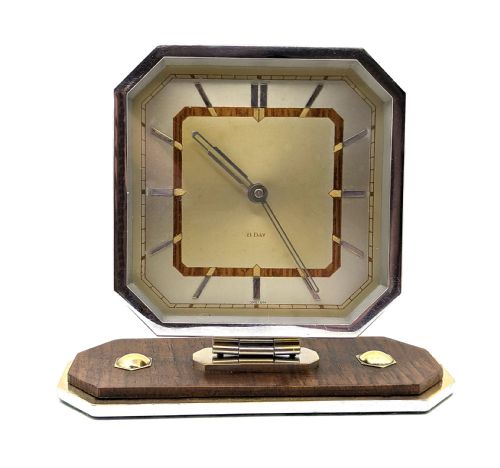
Karl Palda·Smiths Clockmakers·Mappin & Webb
The 1930s Geometric Table Glossary
- Art Deco
- A design style characterised by streamlined forms, geometric shapes, and a blend of traditional and industrial materials. It dominated international design during the interwar period.
- Birdseye Maple
- A figured timber showing tiny circular patterns resembling bird eyes within the grain. Cabinet makers prized this veneer for its decorative impact on table surfaces.
- Macassar Ebony
- A dense tropical hardwood featuring dark brown and black stripes. It provided a striking contrast when paired with lighter oak or walnut elements.
- Occasional Table
- A small, versatile piece of furniture designed for specific, intermittent use within a room. These formats include side, lamp, and coffee table variations.
- Veneer
- A thin layer of superior wood adhered to a base timber surface. This technique allowed craftsmen to display dramatic grain patterns across large tabletops.
1930s Geometric Table: Frequently Asked Questions
What defines a 1930s geometric table?
These pieces are defined by their straight lines, angular silhouettes, and structural symmetry. They draw heavily from Art Deco principles, utilising shapes like octagons and tiered tiers to create visual impact.
Craftsmen prioritized functional forms that complemented modern interwar interiors. The geometry often stems from the arrangement of wood veneers or the architectural layout of the legs and shelves.
Where were these tables placed originally?
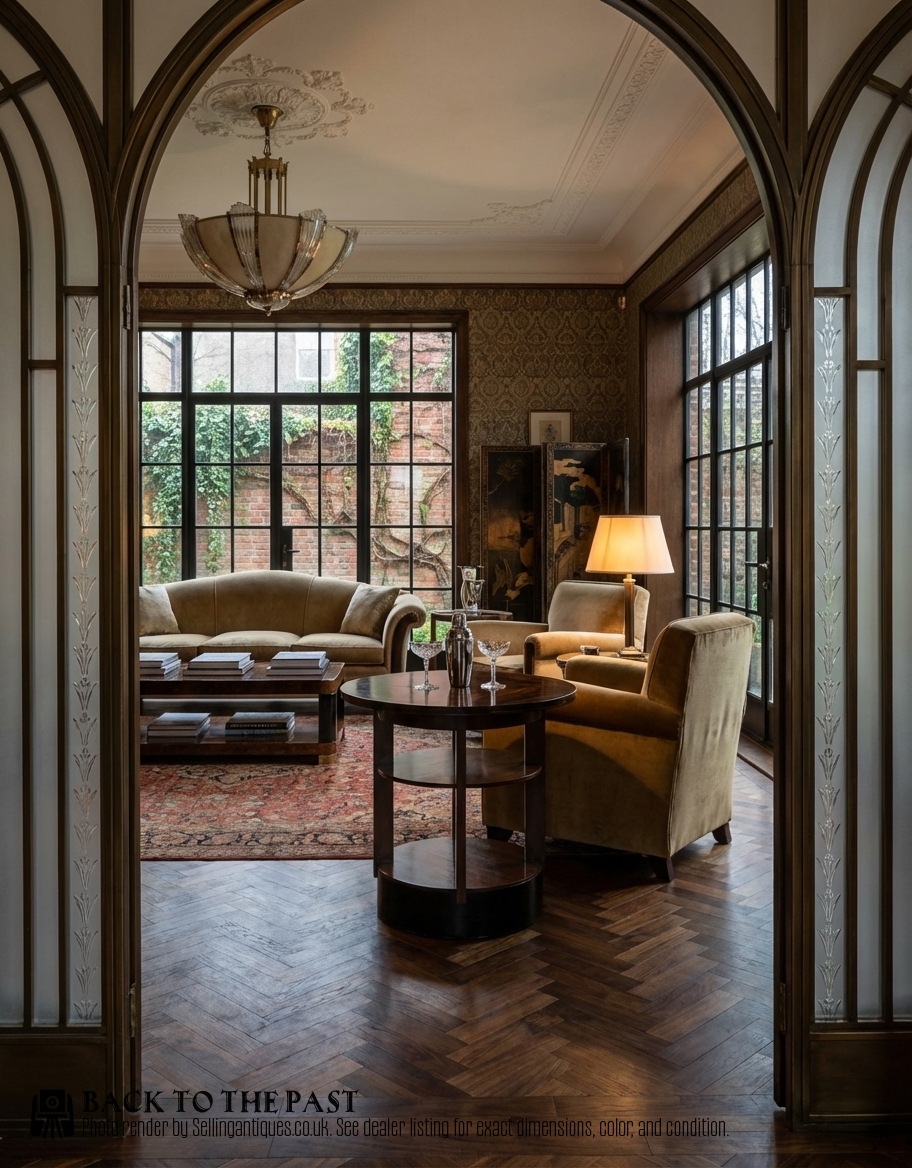
Owners typically placed them beside seating areas to hold lamps, smoking accessories, or reading materials. Occasional tables and coffee tables served central functions in the living rooms of the period.
Bedside versions and side table bookcases offered compact storage solutions for smaller domestic spaces. Their versatility allowed them to transition easily between formal reception rooms and private chambers.
How do I care for wood and veneer surfaces?
Maintenance requires keeping wooden and veneered surfaces away from direct sunlight and excessive moisture. Regular dusting with a soft, dry cloth preserves the finish without harming the historic polish.
Avoid using silicone-based polishes, which can build up and dull the grain over time. Occasional application of appropriate wax helps nourish older timbers like walnut and oak.
Can these tables suit modern interiors?
Their clean lines and restrained ornamentation make them natural companions for contemporary minimalist decor. The strong architectural shapes anchor modern spaces with historic authenticity and warmth.
Pairing a walnut or oak table with neutral furnishings highlights the natural grain and geometric form. They function effectively as standalone accent pieces in various domestic layouts.