
Three Tiered Table
A three tiered table provides multiple stages of surface space, bringing vertical proportion and practical display to a room.
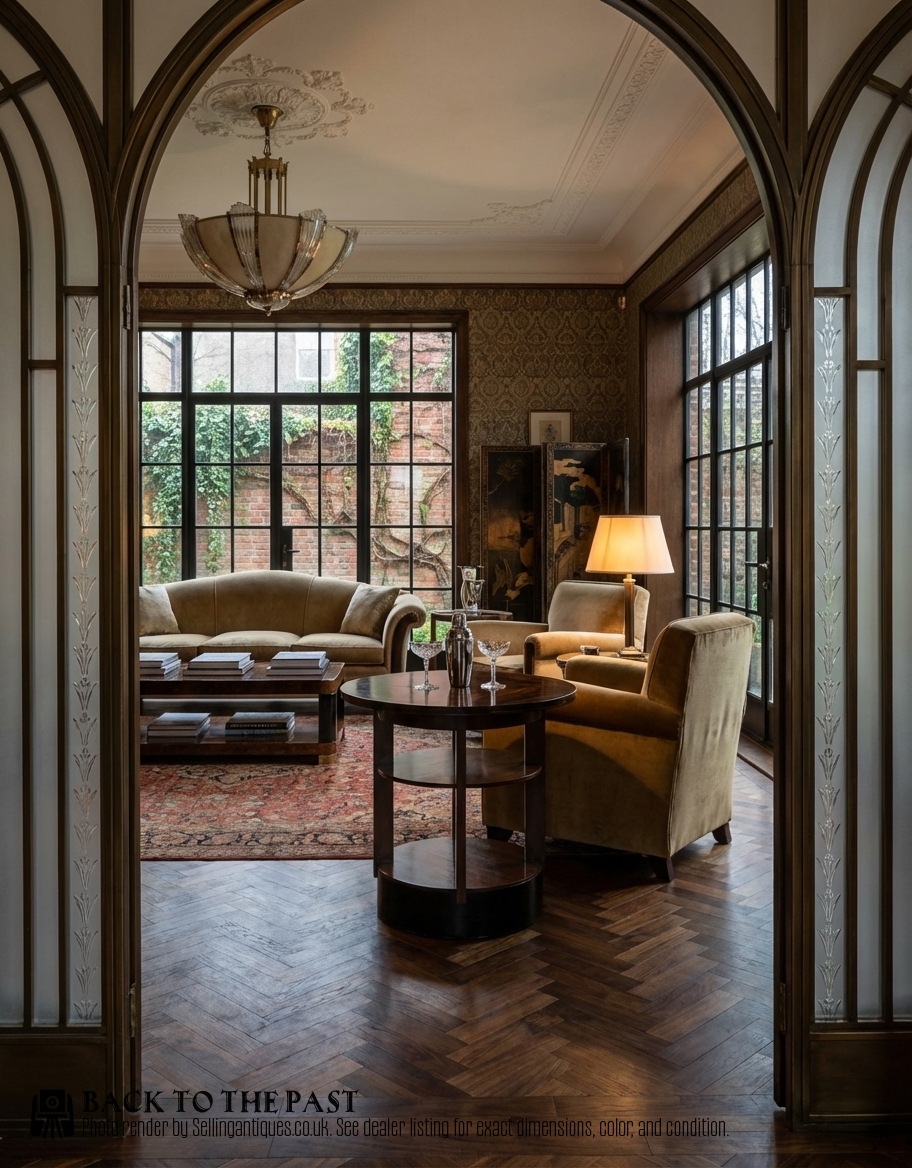
Three Tiered Table
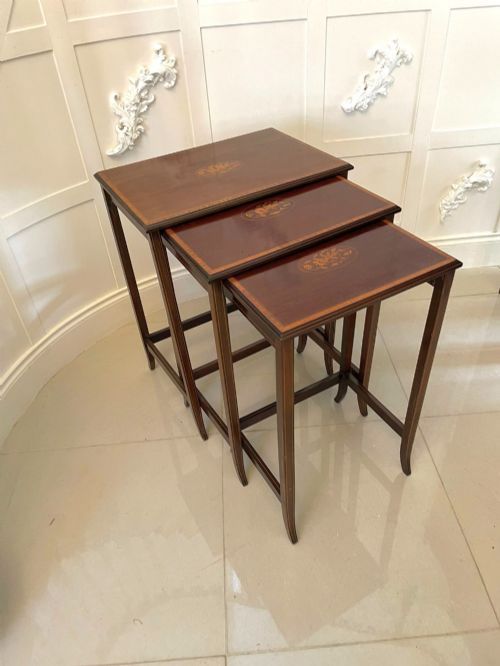
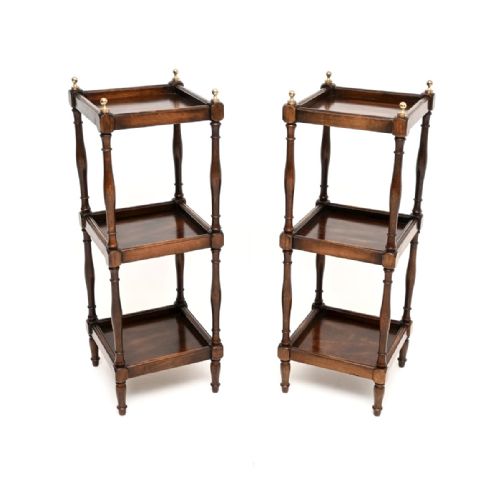
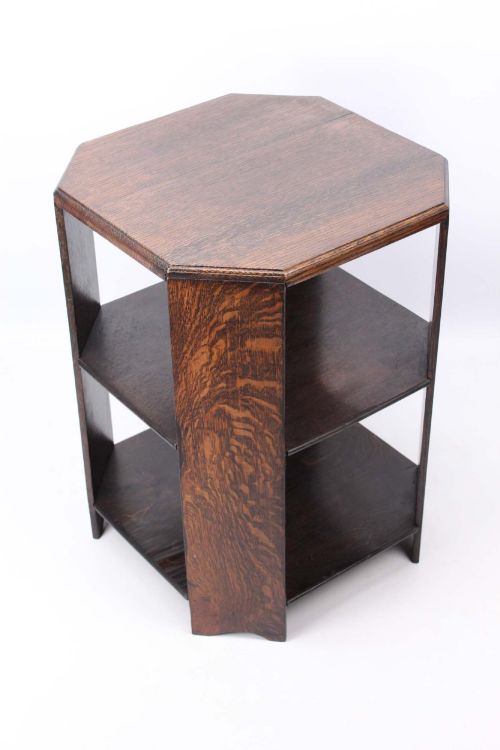
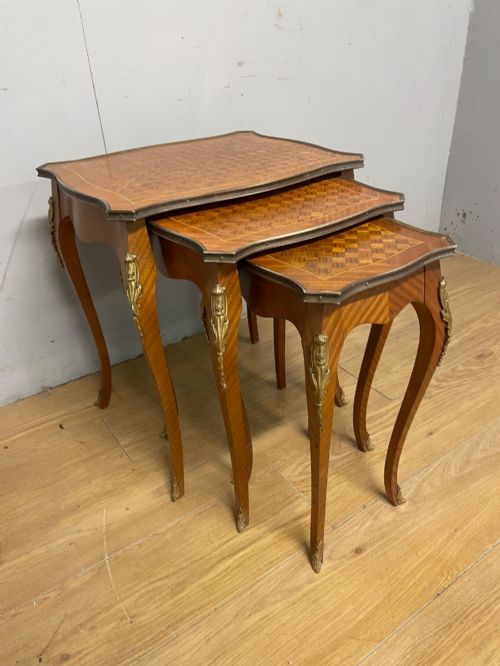
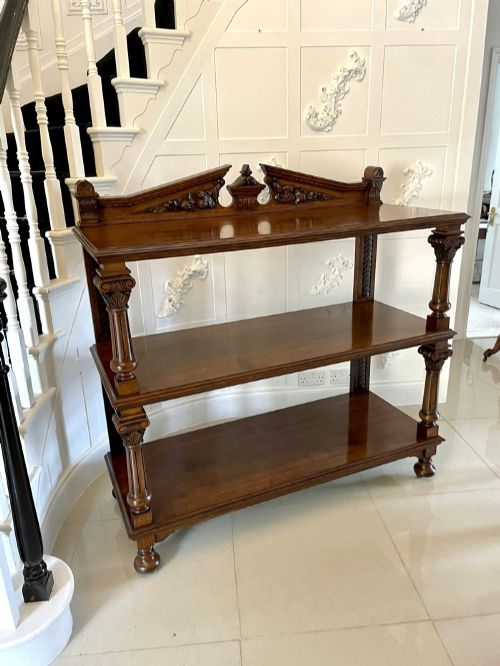
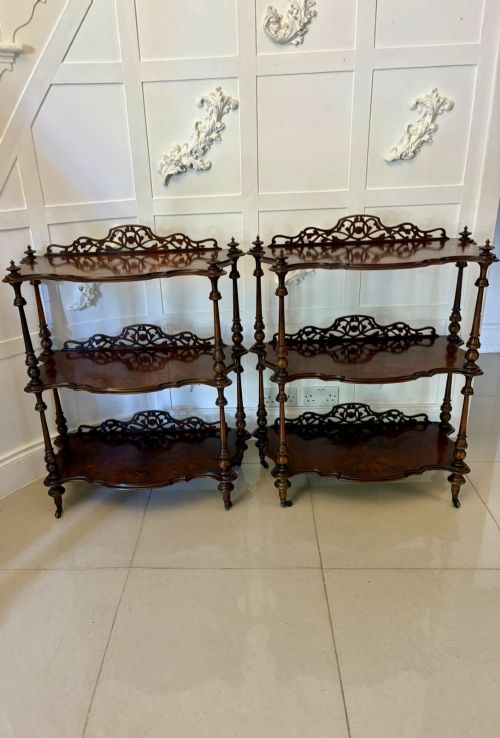
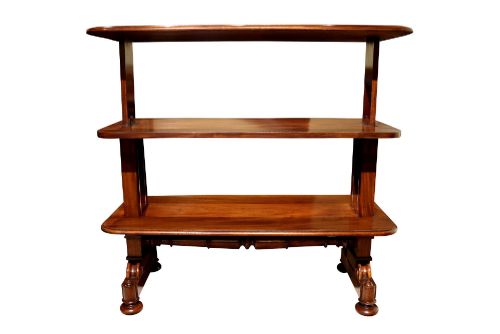
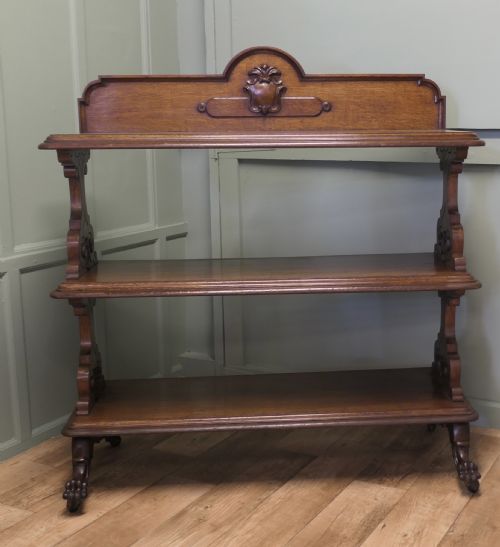
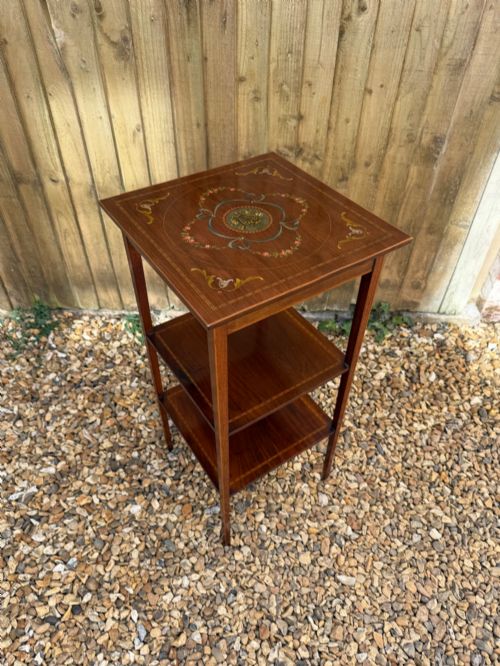
When searching for a three tiered table, a buyer encounters pieces spanning the eighteenth century through to the art deco period, with a strong representation of nineteenth century Victorian examples. These multi-level surfaces take various forms, including dumbwaiters, etageres, whatnots, buffets, and occasional tables designed for serving or display.
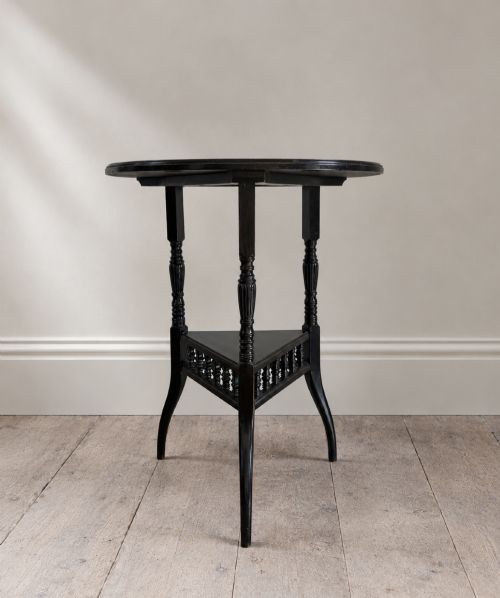
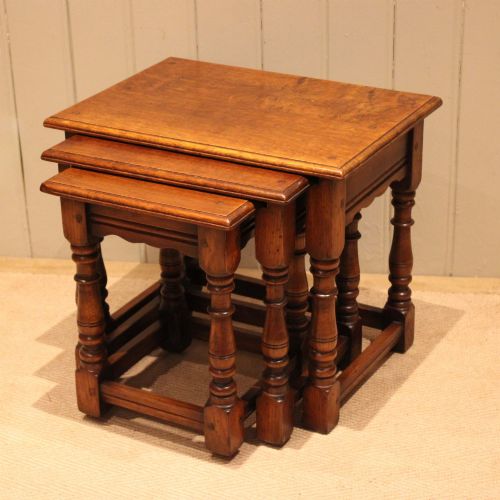
The materials vary across these eras, moving from rich mahogany and walnut in earlier centuries to ebonised wood, oak, and brass in later aesthetic and modernist pieces. Most items feature stacked square, circular, or graduated tiers held by turned columns, pillars, or folding frames.
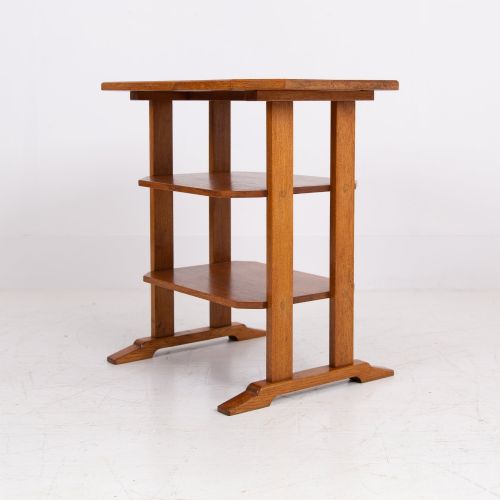
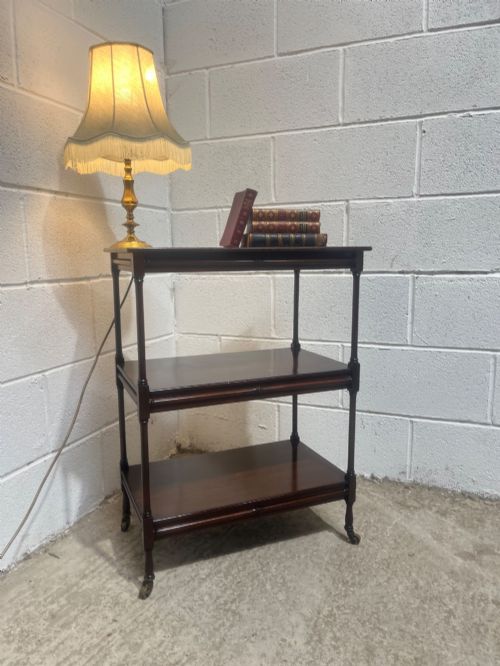
On this page, walnut and mahogany versions from the Victorian and Georgian periods appear frequently alongside golden oak and ebonised designs. Buyers select these tiered surfaces to hold books, drinks, or decorative objects while occupying minimal floor space.
What Varies in Quality
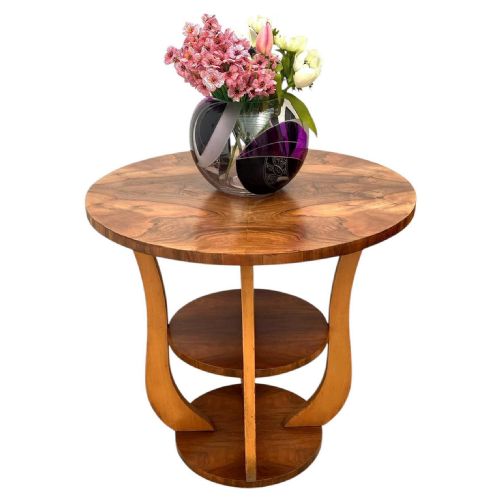
Quality rests upon the selection of timber figure, such as the richness of burr walnut or the grain depth of early mahogany, alongside the crispness of turned supports and carved details. Better pieces display balanced proportions across all three tiers and seamless integration of mechanics in adjustable or folding examples.
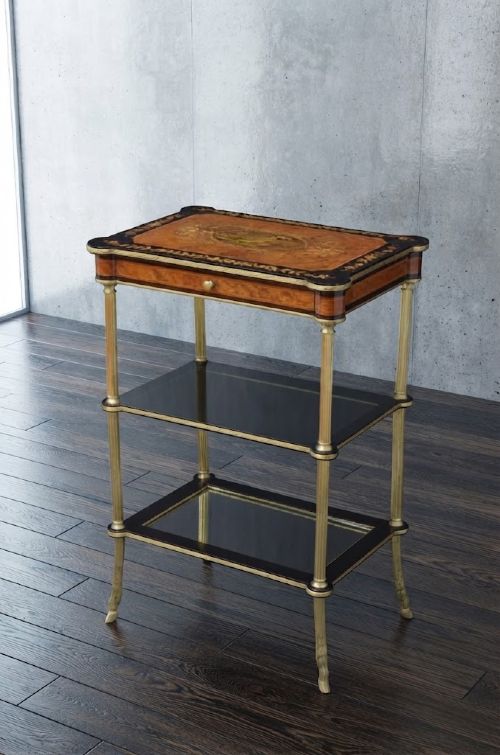
The refinement of brass mountings, inlaid parquetry, and ebonised finishes distinguishes high workshop output from simpler utilitarian items. Solid construction without undue wobble across the stacked levels marks the difference between superior cabinetmaking and ordinary production.
Listings feature mahogany, walnut, oak, and ebonised wood across periods from the eighteenth century to the art deco era.
The Three Tiered Table Glossary
- Dumb waiter
- A tiered serving table traditionally used in dining rooms to hold dishes or wine without requiring a servant present.
- Etagere
- A piece of furniture consisting of a set of open shelves for displaying ornaments, taking various shapes across the nineteenth century.
- Whatnot
- An open set of graduated shelves used for books and display, popular throughout the Victorian era.
- Buffet
- A sideboard or serving table featuring multiple levels for food and tableware presentation.
- Parquetry
- Geometric mosaic woodwork used for decorative surface patterns on tabletops and tier tops.
Three Tiered Table: Frequently Asked Questions
What is a three tiered table used for?
These pieces serve multiple domestic functions, originally holding food, wine, or books in dining rooms and drawing rooms. Today, they act as versatile side tables or display stands in living spaces.
Their stacked shelves allow owners to group decorative objects or organise everyday items while using minimal floor area.
How do I date an antique three tiered table?
Dating relies on identifying timber choices, construction techniques, and stylistic markers associated with specific periods like the Georgian or Victorian eras. Examining the turning of the pillars and the types of wood veneer provides clear clues.
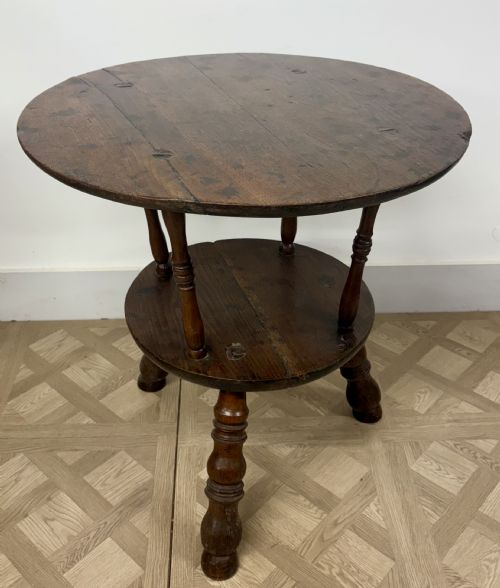
Earlier pieces often use solid mahogany with simple tripod bases, whereas later Victorian and Edwardian examples introduce burr walnut, ebonised surfaces, or complex mechanical adjustments.
Are three tiered tables sturdy?
Construction quality determines stability, with well-made hardwood examples offering firm support across all three levels. Heavier timbers like oak and mahogany keep the centre of gravity low.
Slender decorative etageres or folding cake stands require gentle handling compared to robust nineteenth century dumbwaiters and serving buffets.
What is the difference between an etagere and a whatnot?
An etagere generally emphasises open display shelves with French aesthetic influences, often featuring refined brass or inlaid wood details. A whatnot tends toward practical shelving for books and general household items.
Both terms describe multi-tiered furniture, though makers historically applied them based on the intended room and decorative style.