


1930s Epstein Cabinet
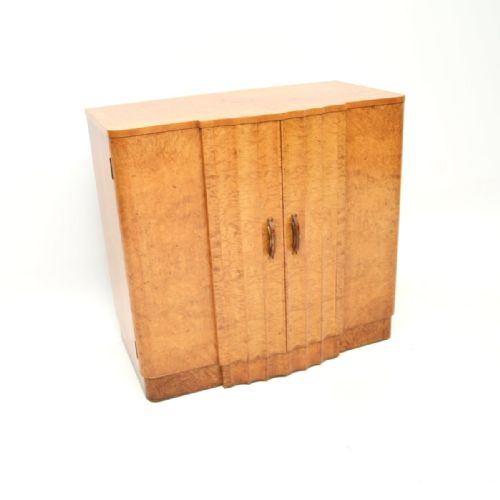
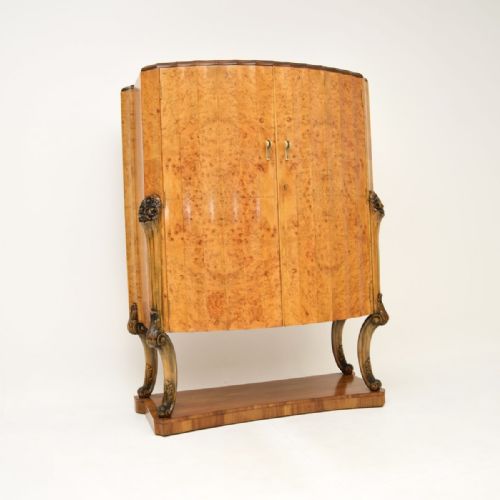
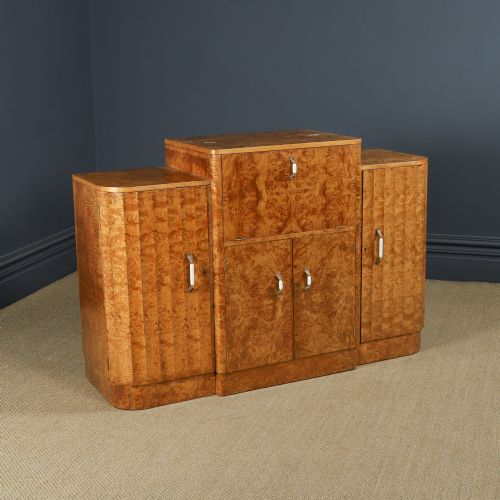
A 1930s epstein cabinet brings bold Art Deco presence and striking burr walnut grain directly into a room.
1930s Epstein Cabinet
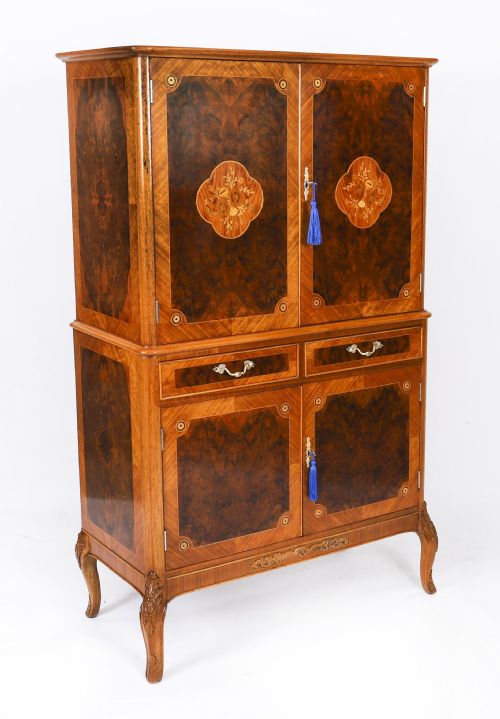
A 1930s epstein cabinet covers substantial forms designed for storage and display, most frequently encountered as cocktail cabinets, drinks cabinets, and sideboards. These pieces anchor a room with definite architectural weight and confident proportions.
The dominant style is Art Deco, executed mainly around 1930 with occasional pieces attributed to the 1920 period. Forms range from dedicated dry bars and bookcase cabinets to bedside tables and sideboards.
Pieces originating from this workshop serve as focal points in a interior, combining utility with prominent display surfaces. The cocktail and drinks cabinets remain the definitive version of this search phrase.
How they were made
Construction relies heavily on walnut veneer and burr walnut applied over solid wood foundations, supplemented by rarer uses of satinwood, mahogany, and sycamore. Cabinet makers matched and balanced the swirling wood grains across large flat surfaces to create symmetrical patterns.
Metal and glass components integrate directly into the design, utilising brass fittings, mirrored backs, and occasional bakelite details. Electric lighting fittings frequently appear inside the drinks compartments of the cocktail cabinets.
Several cocktail cabinets arrive equipped with period electric lighting ready to illuminate your evening gin.
What varies in quality
Quality rests primarily on the choice and matching of the burr walnut veneer across the doors and facade. The most accomplished pieces display continuous, symmetrical grain patterns that wrap fluidly around the carcass.
The sophistication of the internal fittings, such as pull-out slides, mirrored serving trays, and integrated lighting arrangements, distinguishes the standard production from the exceptional commissions.
Harry and Lou Epstein·Epstein and Co
The 1930s Epstein Cabinet Glossary
- Burr walnut
- A wood veneer taken from the wart-like growths on walnut trees, yielding highly figured, swirling grain patterns. It forms the primary decorative surface on these cabinets.
- Cocktail cabinet
- A specialised storage piece fitted for hosting, typically featuring a drop-down mixing shelf, glass racks, and mirrored interior compartments. These represent a major category within the workshop output.
- Marquetry
- The art of applying pieces of veneer to a structure to form decorative patterns and designs. This technique adds geometric contrast to the furniture surfaces.
- Sycamore
- A pale hardwood utilised for internal linings and contrasting stringing lines. It provides a bright visual counterpoint to the darker walnut exteriors.
1930s Epstein Cabinet: Frequently Asked Questions
What is an Epstein cabinet?
An Epstein cabinet is a piece of twentieth-century furniture produced by the Epstein brothers workshop, known for bold Art Deco forms and high-status materials.
These pieces typically manifest as cocktail cabinets, sideboards, or bookcases dominated by burr walnut veneers.
How do I use a cocktail cabinet?
A cocktail cabinet functions as a dedicated home bar and entertaining station, often housing glassware on internal shelves and mixing drinks on a pull-down flap.
Mirrored interiors and integrated electric lights assist in illuminating glassware and bottles during evening use.
How do I identify Art Deco furniture?
Art Deco furniture is characterised by streamlined geometric shapes, symmetrical layouts, and rich surface veneers without excessive carving.
The style relies on the natural beauty of materials like burr walnut and contrasting woods rather than applied ornamentation.
Where should I place a drinks cabinet?
A drinks cabinet requires a prominent wall position in a living room, dining room, or hallway where its scale and polished wood grain can be appreciated.
Keep the piece away from direct sunlight and strong heat sources to protect the delicate walnut veneer and polished finish.