
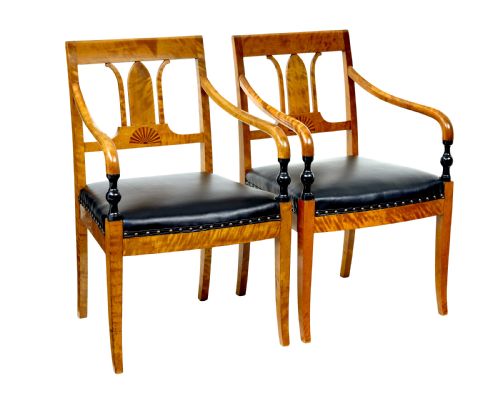
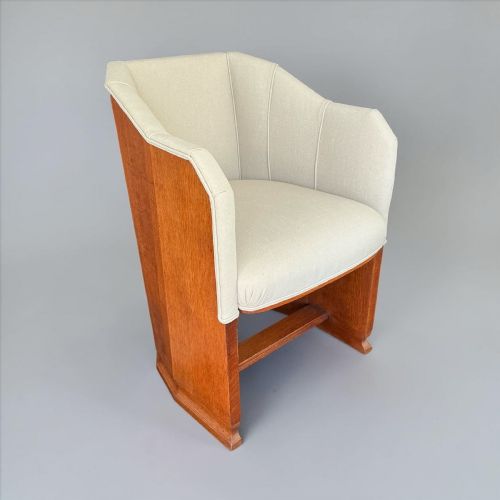
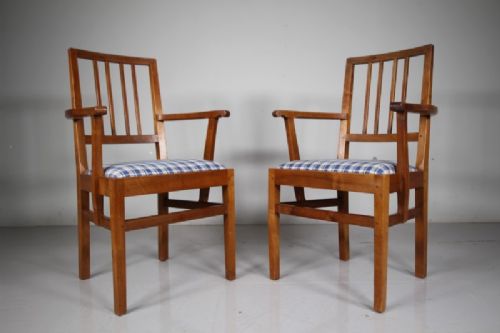
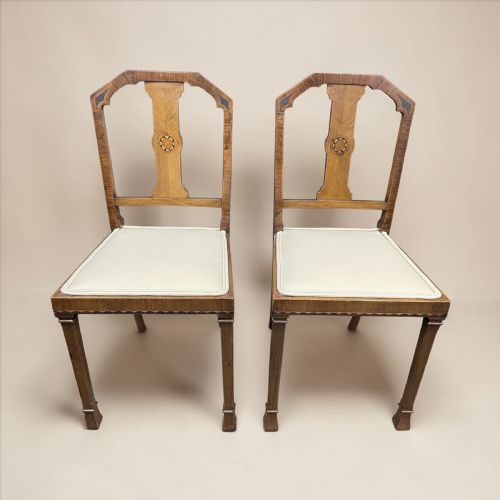
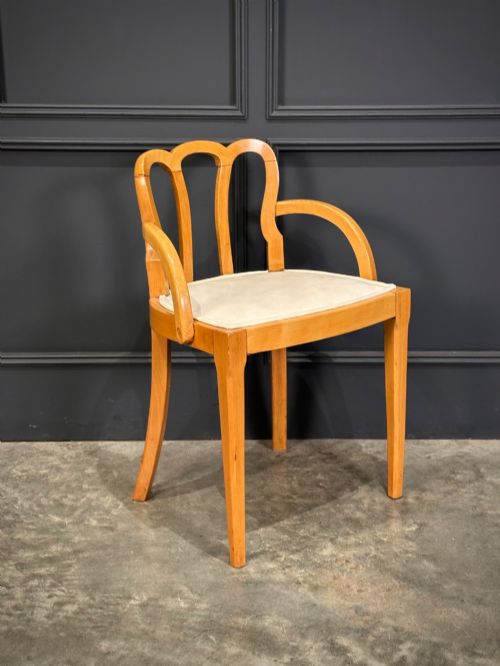
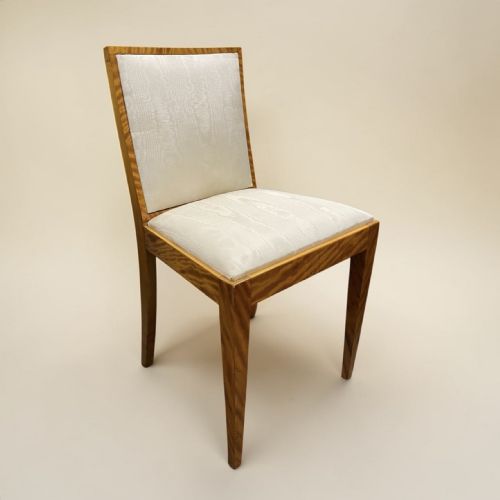


1930s Desk Chair
These 1930s desk chair options bring period form and tactile presence to a workspace, offering solid timber frames and supportive seating.
1930s Desk Chair
A 1930s desk chair covers a range of seating forms originating from the interwar period, combining functional workspace utility with distinct stylistic movements. Buyers searching for a 1930s desk chair frequently encounter pieces shaped by Art Deco and Arts and Crafts influences.
The selections available span various timber constructions and upholstered formats, including dedicated desk armchairs alongside occasional and side chairs that suit study environments. Examples often materialise in walnut, oak, and birch, reflecting the cabinet-making standards of the era.
What varies in quality
Quality in these pieces is dictated by the precision of the woodwork, the integrity of the timber selection, and the reputation of the maker or workshop. Finer examples display carefully matched veneers, such as burr walnut, and robust joinery that withstands heavy daily use.
The distinction between standard commercial production and superior workshop output lies in the detailing of the frame, the quality of the upholstery materials, and the presence of maker stamps or signatures.
Edward Barnsley·Bath Cabinet Makers·Harry and Lou Epstein·Hille·Singer
The 1930s Desk Chair Glossary
- Art Deco
- A design style characterised by sleek geometric lines, stylised motifs, and modern materials that dominated the interwar period.
- Arts and Crafts
- A movement focusing on traditional craftsmanship, simple forms, and visible construction using natural materials like solid oak.
- Satinwood
- A durable hardwood with a lustrous, satin-like sheen, frequently utilised for fine cabinetry and decorative furniture.
- Burr Walnut
- A highly prized wood veneer featuring intricate, swirling grain patterns created by growths on the walnut tree.
1930s Desk Chair: Frequently Asked Questions
How do I identify a genuine 1930s desk chair?
Authentic pieces display period construction methods, appropriate timber selections like oak or walnut, and stylistic cues from Art Deco or Arts and Crafts movements.
Examining the underframe and joinery often reveals the manufacturing techniques typical of the interwar decades.
Are these chairs comfortable for daily work?
Many variants provide supportive seating through upholstered pads or ergonomic wooden backs designed for sustained periods at a table.
Upholstered variants feature fabric or leather surfaces that accommodate regular sitting requirements.
What woods were commonly used?
Cabinet makers utilised domestic and exotic timbers, most notably oak, walnut, satinwood, and birch.
Selected models also integrate industrial components such as cast iron frames alongside wooden elements.
Can I find chairs stamped by makers?
Certain pieces carry stamps, labels, or maker marks from prominent interwar workshops and cabinet makers.
These marks provide verified attribution to the original manufacturing firm.