



1930s Dancer Sculpture
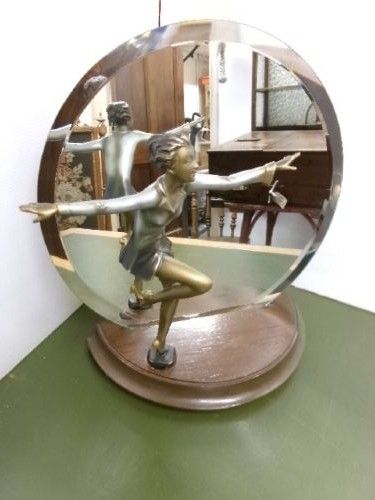
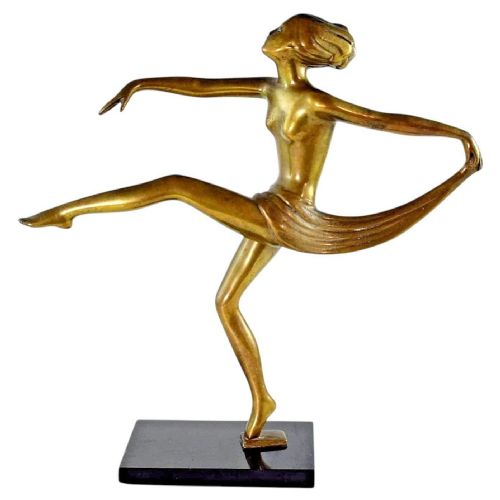
A 1930s dancer sculpture captures the dynamic energy of the interwar period through stylised human forms that animate interiors.
1930s Dancer Sculpture
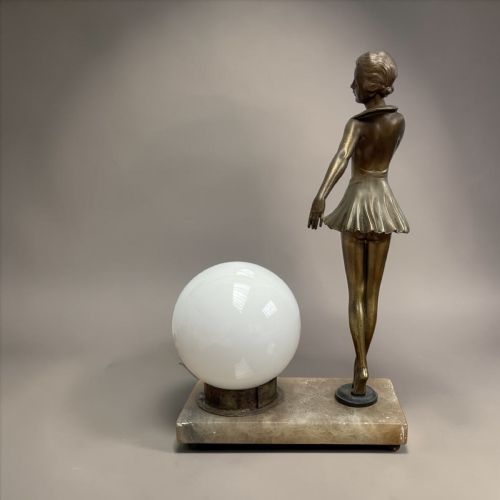
A 1930s dancer sculpture brings the kinetic motion of the interwar era into domestic spaces through stylised figures. You encounter these pieces primarily as standalone table figures or functional items such as lamps and table lighters.
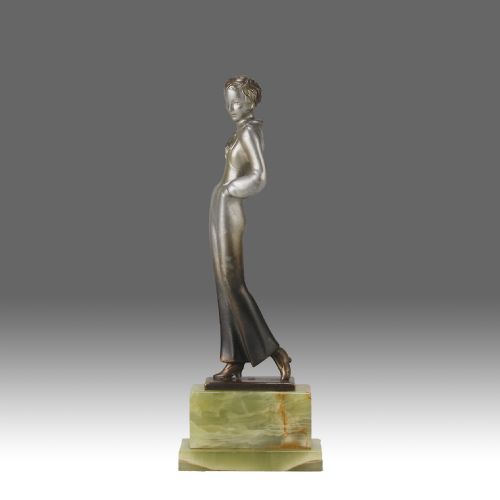
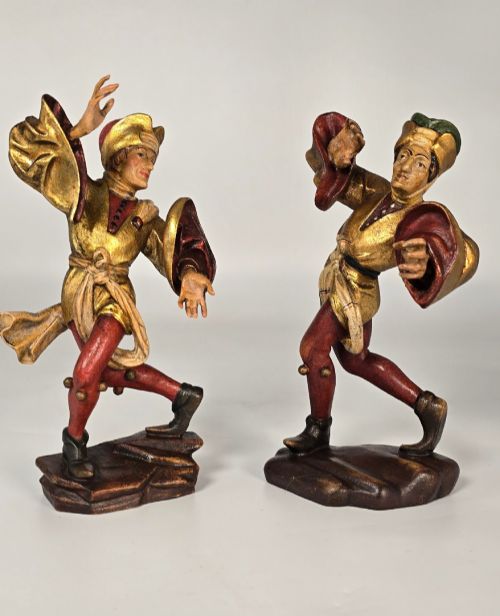
The selection ranges from French bronze works and spelter figures mounted on marble or onyx bases to carved limewood pairs and painted wood figures. Regional variations include Balinese Art Deco pieces and Swiss Black Forest carvings dating to the early decades of the twentieth century.
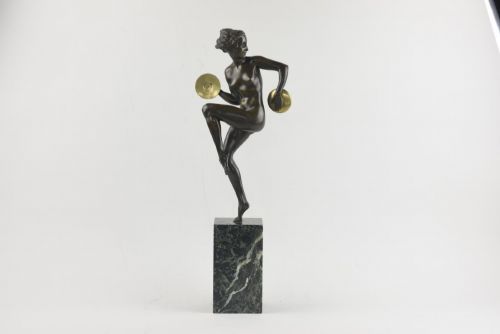
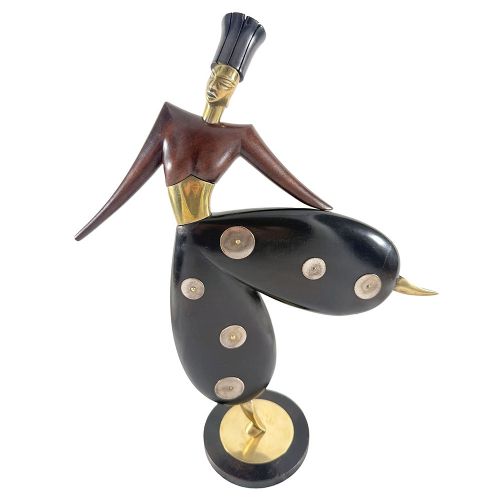
Art Deco dominates the aesthetic, translating dance movements into geometric lines and elongated silhouettes. Figures often depict female dancers posed with hoops, cymbals, or in theatrical attire such as trousers.
Materials and Techniques
Foundry-cast metals form the core of many figures, utilising bronze or spelter with patinated, painted, silver-plated, or gilt finishes. These metal casts are frequently secured onto heavy stone bases made of marble, onyx, or alabaster.
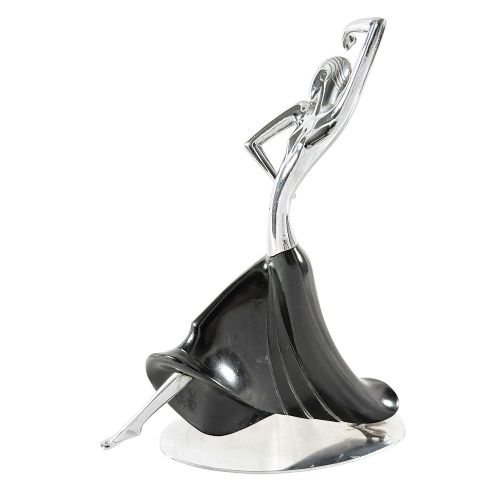
Carved wooden examples utilise limewood and other timbers, sometimes enhanced with brass details or applied paint. Glass and chrome plate also appear in select compositions to provide textural contrast.
Some dancers double as table lighters, proving that interwar smoking habits required a theatrical touch.
Craftsmanship and Distinction
The distinction between tiers rests upon the precision of the casting, the quality of the chased surface details, and the integrity of the base materials. Superior examples demonstrate fluid anatomy and crisp drapery, whereas simpler pieces rely on basic spelter casting with heavier patination.
Attribution to known designers or foundries elevates specific pieces, particularly when accompanied by signatures or documented editions. The selection of base stone, such as multi-toned marble versus plain composite, further signals the original ambition of the piece.
Josef Lorenzl·Aurore Onu·Sier Kunst·Hagenauer·Rene Andre Varnier·Demetre Chiparus
The 1930s Dancer Sculpture Glossary
- Spelter
- A zinc alloy commonly utilised as a less expensive alternative to bronze for decorative figures. It accepts patination and paint readily.
- Chryselephantine
- A term describing statues made of a combination of bronze and ivory. These works require careful humidity control.
- Patination
- The surface coloration or sheen developed naturally over time or applied chemically to metal. It defines the visual depth of bronze and spelter figures.
- Onyx
- A banded variety of chalcedony used frequently for sculptural bases in this period. Its natural grain adds weight and visual interest to the mounting.
- Stylised
- Representation of forms with an emphasis on decorative design rather than strict realism. This approach defines the dominant aesthetic of the era.
1930s Dancer Sculpture: Frequently Asked Questions
What materials are typical for these sculptures?
Cast metals such as bronze and spelter dominate the selection, frequently paired with marble, onyx, or alabaster bases.
Alternative materials include carved limewood, painted wood, glass, and chrome plate.
How do I identify a period piece?
Examine the base materials, casting methods, and stylistic cues characteristic of the interwar decades.
Signatures, foundry marks, and traditional mounting techniques help confirm the period of origin.
Were these figures used for lighting?
Certain figural sculptures double as functional objects, incorporating lamp fittings or table lighter mechanisms.
These functional pieces maintain the same stylised dancer motifs found in standalone statues.
Where should I place a stone base figure?
Marble and onyx base figures require stable surfaces capable of supporting their substantial weight.
Keep them away from direct heat sources to protect the patinated metal and stone joins.