


1930s Curved Side Tables
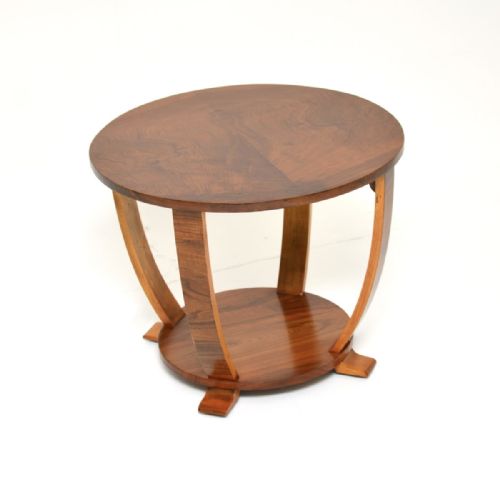
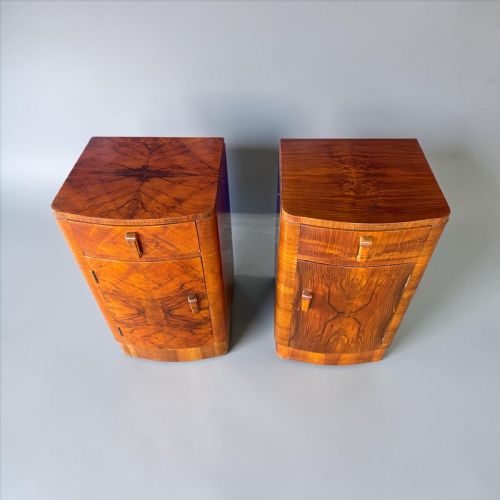
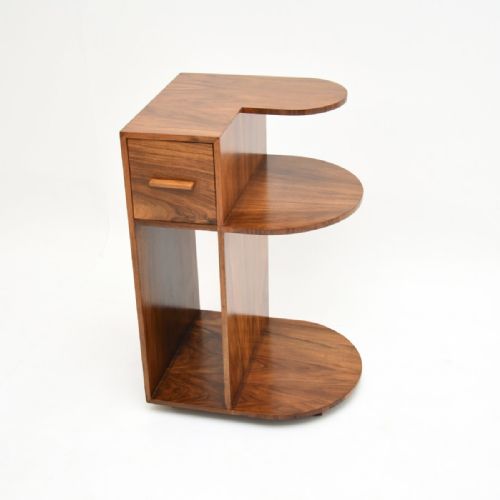
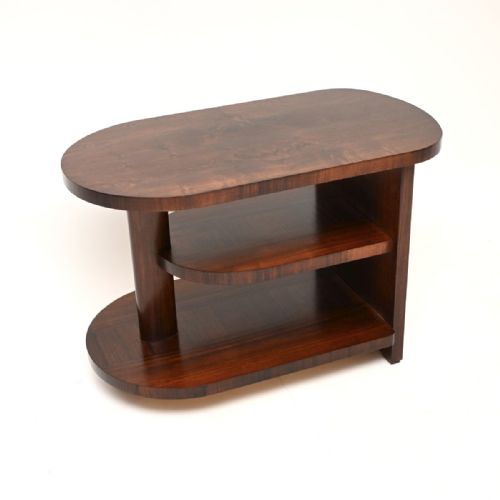
These 1930s curved side tables combine bold geometric forms with rich figured timbers, offering both practical surface space and striking period character.
1930s Curved Side Tables
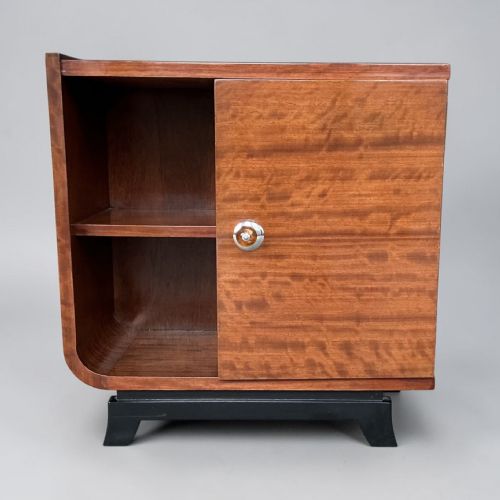
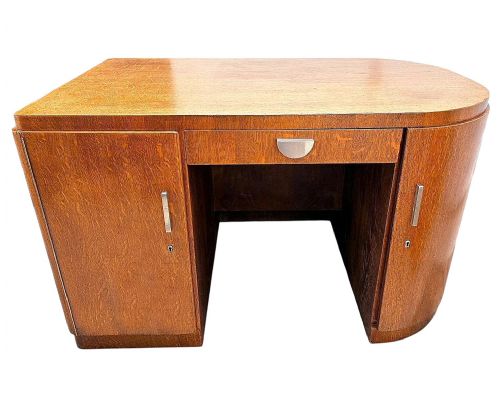
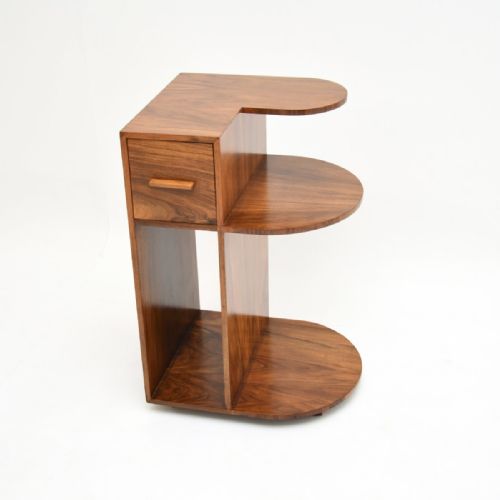
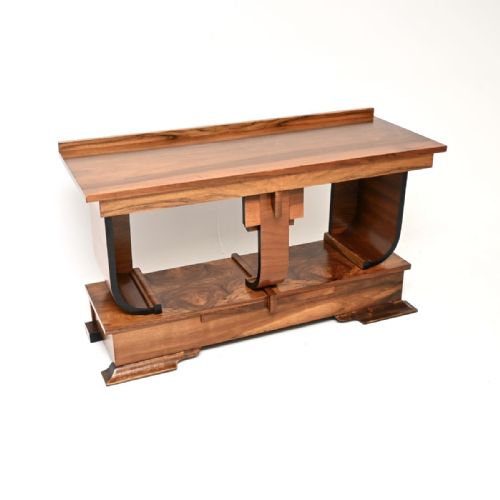
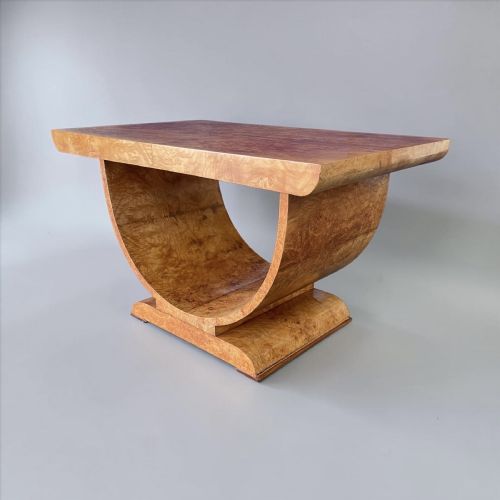
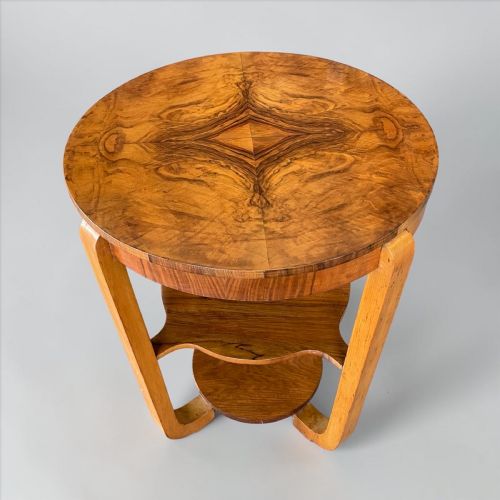
These pieces represent the distinct aesthetic of the Art Deco era, bringing sweeping lines and sculptural silhouettes into domestic interiors. When searching for 1930s curved side tables, buyers encounter forms that range from compact occasional pieces to multi-tiered console tables and matching bedside cabinets. Most examples follow the predominant Art Deco style of the period, executed with rounded edges, D-end profiles, and drum shapes.
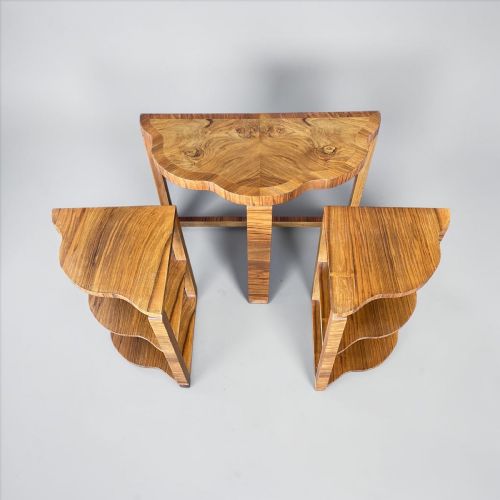
Makers and workshops across England, France, and Italy produced these items to serve functional roles beside sofas, armchairs, and beds. The selection relies heavily on occasional tables, coffee tables, and nests of tables designed to fit neatly within modern spaces. Walnut and oak dominate the current offerings, often shaped into flowing curves that soften the geometry of traditional rooms.
How they were made
Cabinet makers of the period utilised solid woods such as oak and ebonised timber for structural integrity, alongside intricate veneers. Burr walnut, figured walnut, burr maple, and rosewood provided dramatic grain patterns across tabletops and curved aprons. These timbers were carefully selected and laid to create symmetrical patterns that enhanced the natural movement of the wood.
Construction techniques focused on achieving smooth, continuous curves without compromising stability. Ebonised wood and contrasting veneers frequently outlined the edges to accentuate the architectural silhouettes of the tables.
Listings span from the early twentieth century through the Art Deco height, showcasing materials from figured walnut to birds eye maple and oak.
What varies in quality
Quality rests upon the selection and matching of the veneer timbers, where highly figured burr walnut or birds eye maple elevate an ordinary table into a masterwork of design. The precision of the curved joinery and the fluidity of the silhouette also determine the calibre of the piece, separating standard production items from bespoke creations.
Attribution to known workshops or distinctive designer signatures adds another layer of distinction, as seen in pieces produced by prominent firms. The integrity of the polished finish and the clever integration of functional elements, such as tiered shelves or illuminated tops, further distinguish finer examples.
Hille·Harry and Lou Epstein·Gilbert Rohde·Maurice Adams·The Hille Furniture Company
The 1930s Curved Side Tables Glossary
- Art Deco
- A design style emerging in the early twentieth century characterised by sleek geometric shapes, stylised motifs, and modern industrial materials. It remains the defining aesthetic for the tables found on this page.
- Veneer
- A thin slice of decorative wood glued over a stable secondary timber to provide a rich surface figure. This technique allows makers to utilise striking grains like burr walnut without warping.
- Console Table
- A side table designed to stand against a wall, frequently featuring curved D-ends or semicircular profiles in this era. These pieces often serve entryways or living rooms.
- Ebonised Wood
- Timber treated with a dark stain or finish to imitate ebony, providing sharp contrast against lighter veneers. It creates the crisp outlines typical of modernist furniture.
- Occasional Table
- A small, movable table intended for specific, intermittent use within a room such as holding a lamp or books. They appear frequently in nests or as single accent pieces.
1930s Curved Side Tables: Frequently Asked Questions
What defines a 1930s curved side table?
These tables are defined by their Art Deco styling, featuring rounded corners, circular drums, and D-end configurations that soften traditional room layouts.
They utilise rich timber veneers like walnut and maple to create striking visual movement across the curved surfaces.
Where were these tables placed originally?
Owners typically placed them beside sofas, armchairs, or beds to hold lamps, drinks, or decorative objects within easy reach.
Compact occasional pieces and nests of tables offered flexible surface space that could be rearranged as needed.
How do I identify Art Deco pieces?
Art Deco furniture stands out through its embrace of symmetry, streamlined curves, and the clever use of contrasting wood grains and ebonised details.
The absence of heavy Victorian carving distinguishes these pieces, favouring smooth polished surfaces instead.
Are these tables suitable for modern homes?
Their compact proportions and functional designs make them exceptionally well-suited for contemporary living spaces requiring practical surface area.
The warm tones of the walnut and oak timbers blend easily with both modern and traditional interiors.