

1930s Club Chairs
These 1930s club chairs deliver substantial comfort and distinct period presence, drawing buyers seeking authentic seating with deep historical character.
1930s Club Chairs
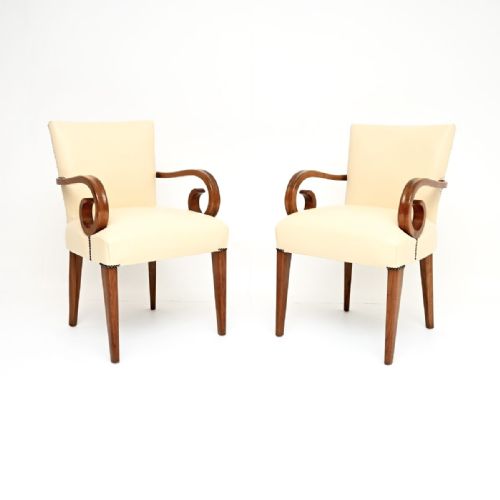
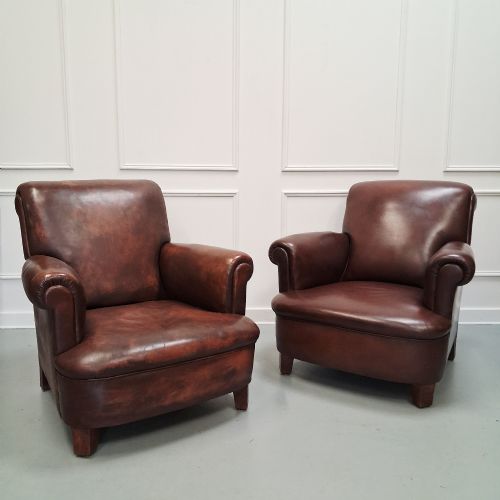
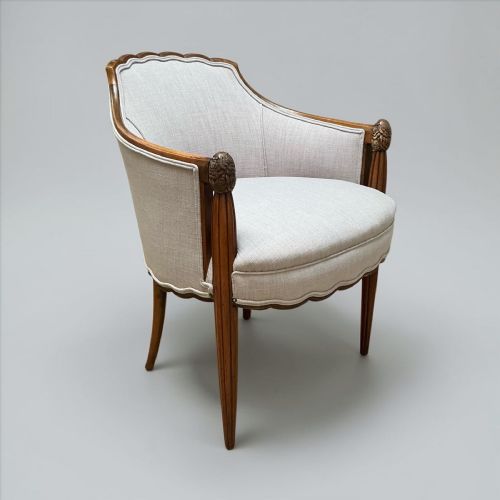
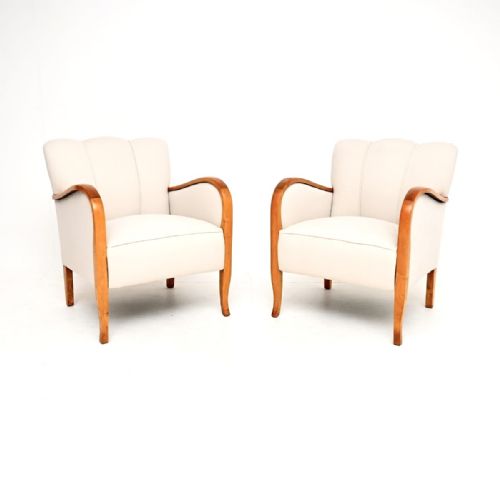
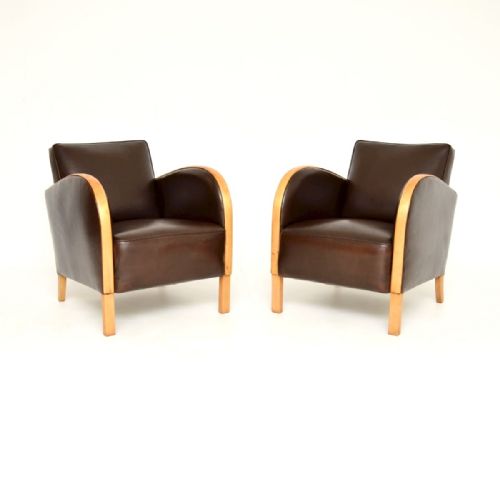
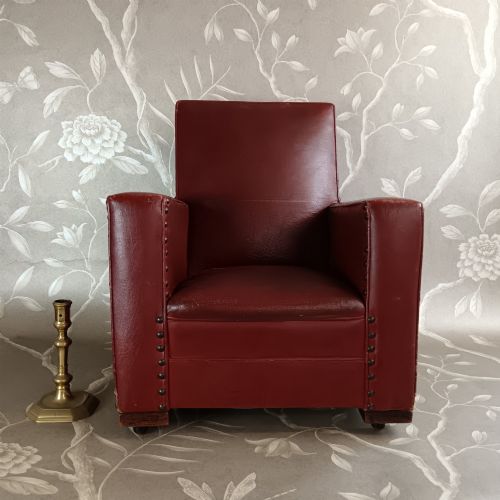
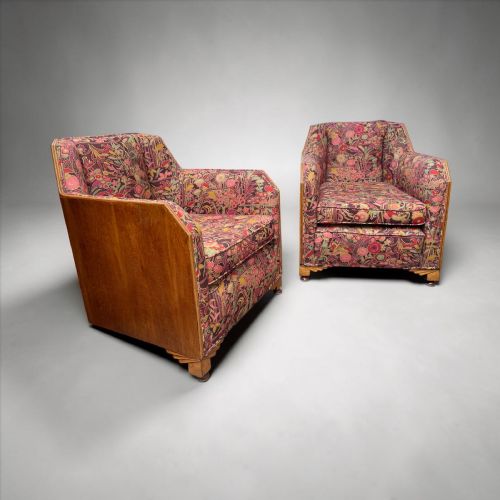
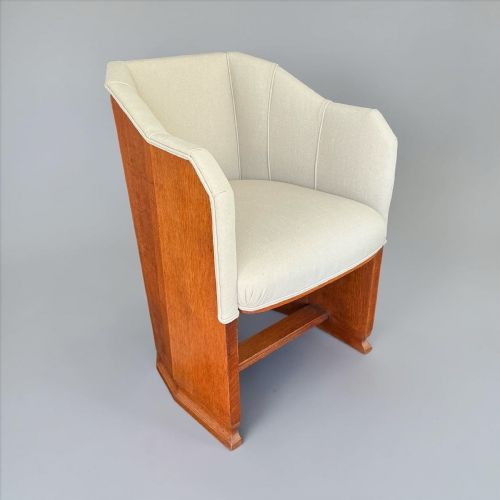
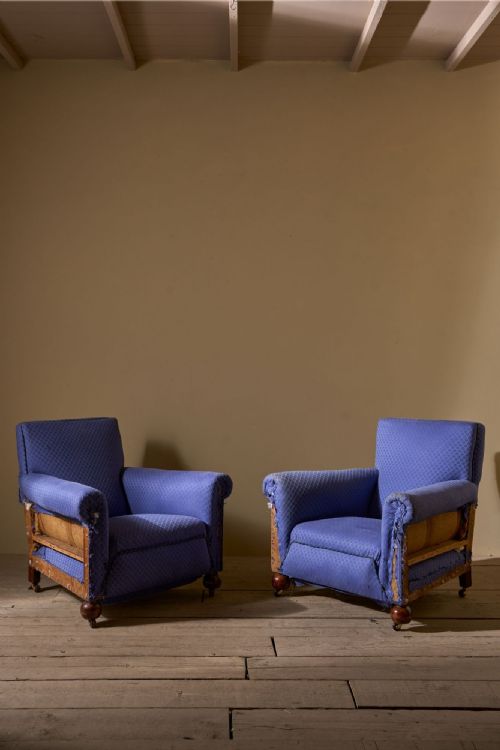
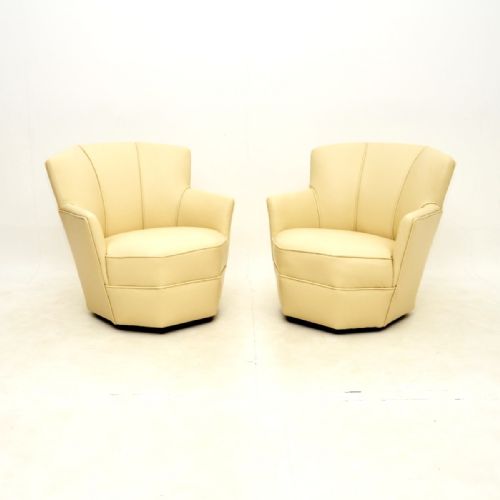
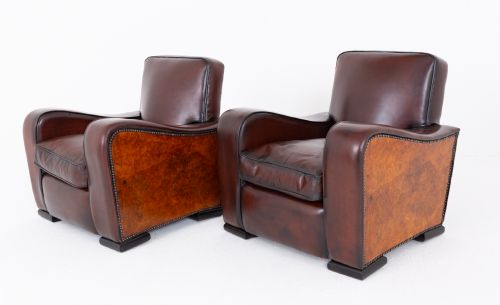
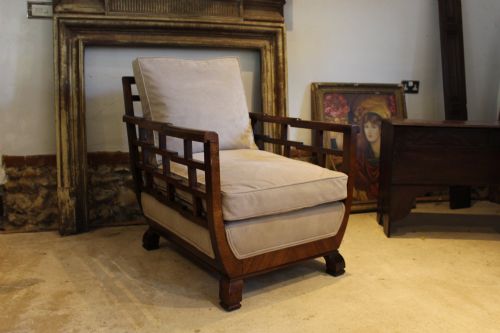
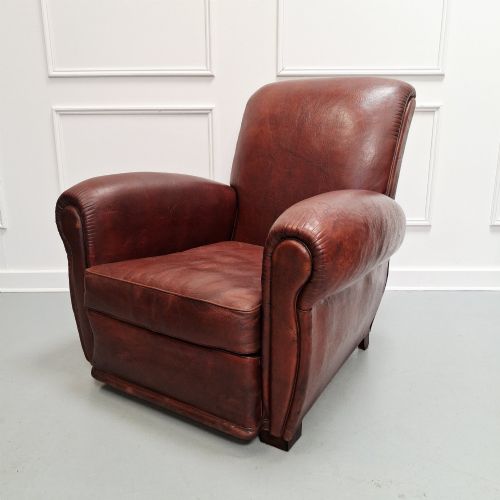
When you search for 1930s club chairs, you encounter deep, supportive seating designed for relaxation, spanning both French and Swedish interpretations of the era. The most frequent forms on this page are low-slung armchairs upholstered in leather or fabric, often appearing in pairs alongside occasional and lounge chairs.
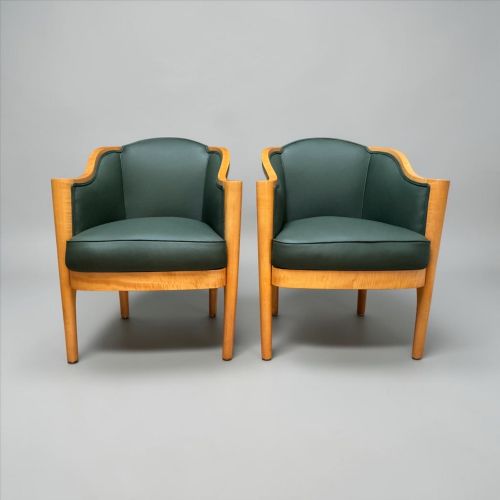
The selection encompasses distinct regional expressions, from streamlined Swedish birch frames to robust French leather designs. Alongside traditional armchairs, the inventory extends to related forms such as wingbacks, tub chairs, and complete lounge suites.
Originating predominantly from the 1930s with occasional variants from the 1920s and 1940s, these pieces reflect the shift toward functional comfort paired with modern decorative arts. Buyers find both individual statement seats and matching pairs suited for libraries, studies, and living spaces.
How they were made
Construction relies heavily on sturdy hardwood or walnut frameworks, frequently incorporating exposed elements of satin birch, elm, and oak. These structural timbers provide the robust skeleton necessary to support deep upholstery and heavy daily use.
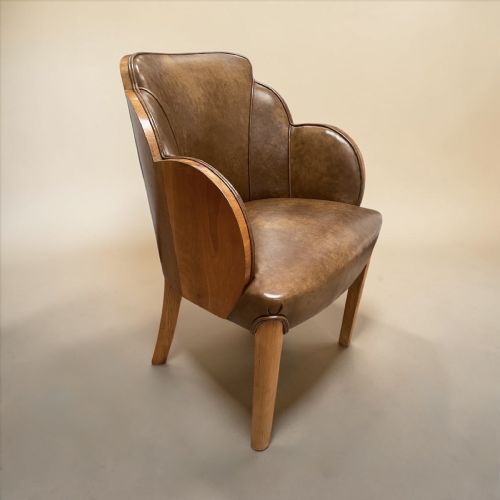
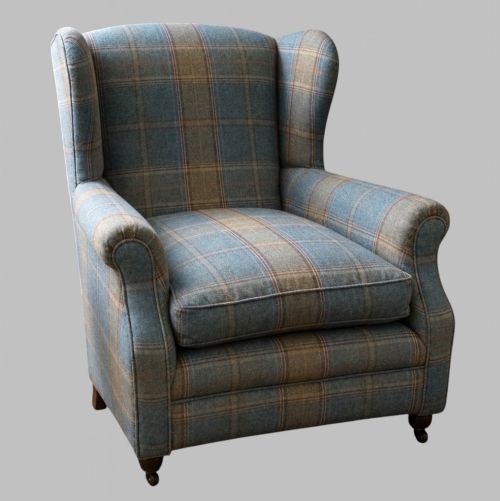
Upholstery materials range from supple calf suede and caramel tan leather to patterned plaid fabrics and traditional ticking. Metal and brass details occasionally accent the frames, marrying structural integrity with decorative flair.
1930s Club Chairs Retail Price Guide 2026
Typical asking prices for 1930s club chairs among the pieces listed under this phrase on Sellingantiques today, from the lower quarter to the upper quarter. They describe what is for sale here now, not the wider market.
Current listings feature leather, walnut, satin birch, and oak across armchair, lounge, and suite configurations.
What varies in quality
The distinction between standard examples and top-tier pieces rests upon the precision of the woodwork and the integrity of the materials. Premium chairs often utilise figured veneers like satin birch or solid walnut, displaying considered grain alignment across the arms and back.
Upholstery execution separates baseline items from exceptional ones, particularly in the hand-stitching of leather and the preservation of original padding. Pieces bearing documented maker attributions or distinct regional styling command greater attention due to their design provenance.
Hille·Harry and Lou Epstein
The 1930s Club Chairs Glossary
- Art Deco
- A design style characterised by sleek lines, geometric forms, and modern materials that dominated furniture production during the interwar period. It bridges traditional craftsmanship with machine-age aesthetics.
- Cloud chair
- An armchair style defined by rounded, voluminous upholstered forms resembling soft cumulus clouds. This design gained prominence through British makers such as Hilly and Epstein.
- Satin birch
- A pale, lustrous timber utilised extensively in Swedish modern furniture for its reflective grain. It offers a striking contrast to darker walnut frames.
- Tub armchair
- A seating form featuring a continuous curved back and armrest rail enclosing the sitter. They provide a compact yet enveloping seating posture.
- Wingback armchair
- A traditional seat featuring protective side panels designed to shield the occupant from drafts. In 1930s examples, these often receive contemporary patterned textile upholstery.
1930s Club Chairs: Frequently Asked Questions
Are 1930s club chairs comfortable for daily seating?
These seats were originally engineered for deep relaxation, featuring generous proportions and supportive sprung interiors. Their ergonomic design accommodates extended periods of reading or lounging.
Modern comfort depends on the condition of the internal webbing and padding. Many surviving examples retain sufficient structural give for everyday domestic use.
How do I identify French versus Swedish styles?
French interpretations frequently showcase supple patinated leather upholstery and deep button-backing. They prioritise tactile luxury and heavy, inviting silhouettes.
Swedish pieces tend to emphasise pale exposed woods like satin birch and clean geometric lines. Their aesthetic leans lighter and more streamlined than their continental counterparts.
Do these chairs come in matching pairs?
A significant portion of the available inventory consists of matching pairs or larger three-piece suites. These assembled sets provide balanced seating arrangements for formal reception rooms.
Matching suites often incorporate matching wood veneers and uniform leather tones. Singles remain readily available for accent seating.