
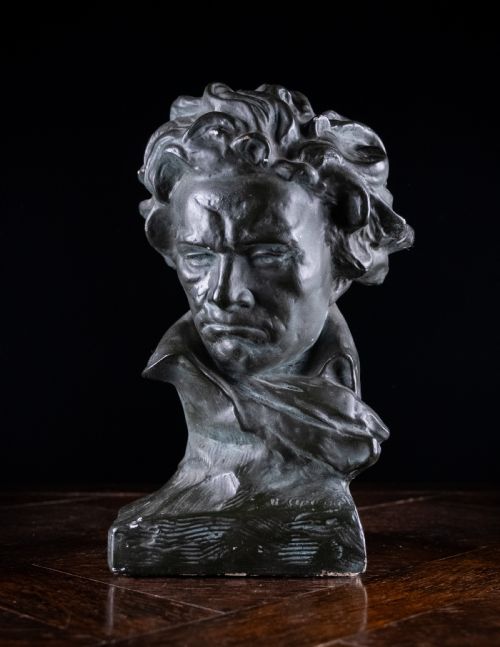
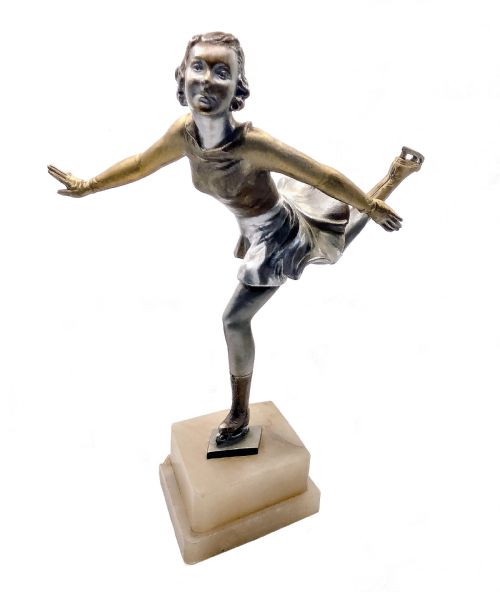


1930s Bronze Sculpture
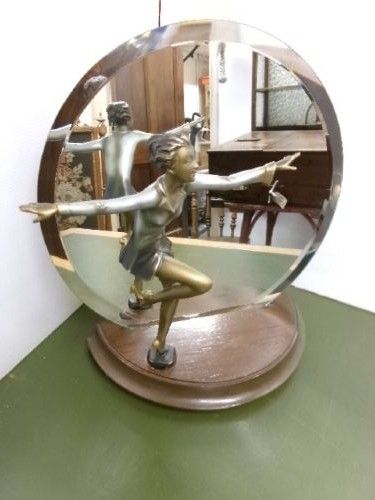
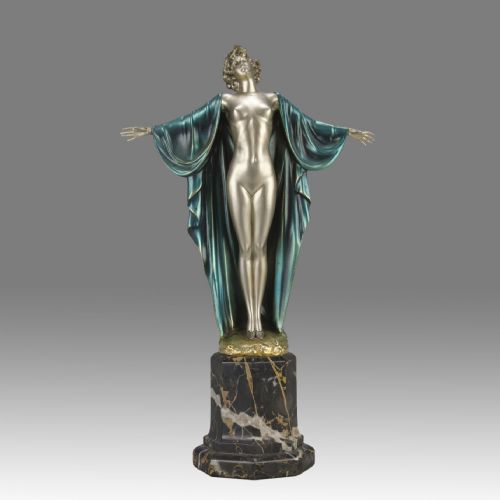
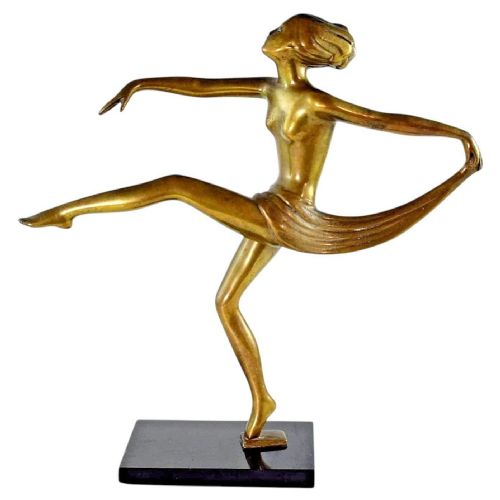
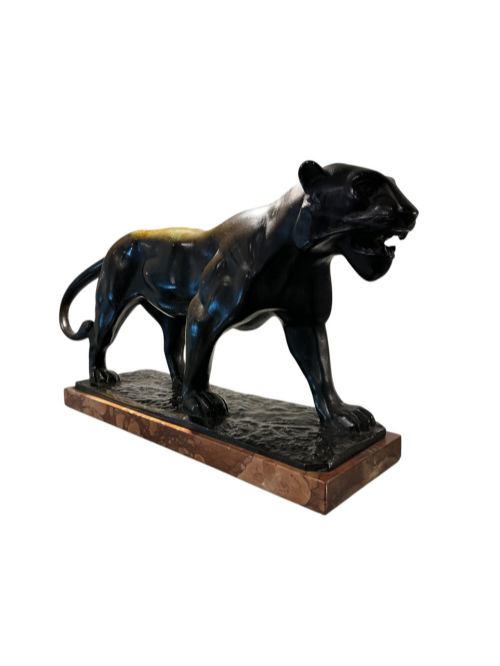
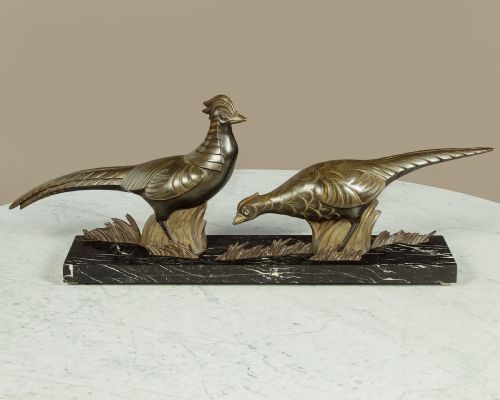
These 1930s bronze sculpture pieces capture the energetic movement and sleek forms of the Art Deco era.
1930s Bronze Sculpture
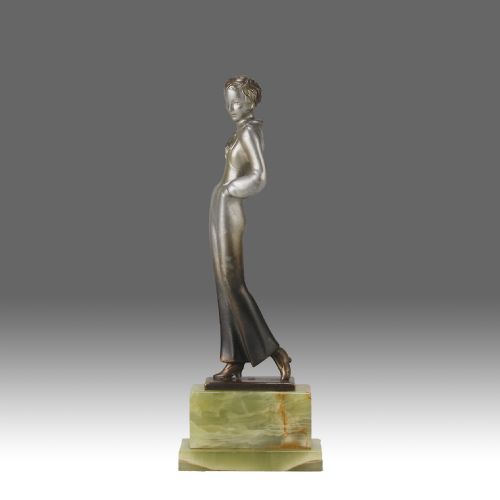
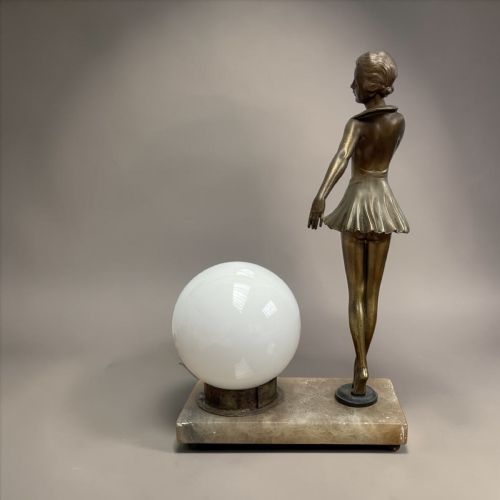
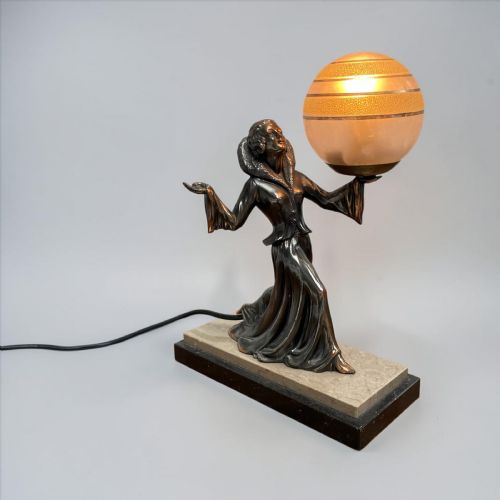
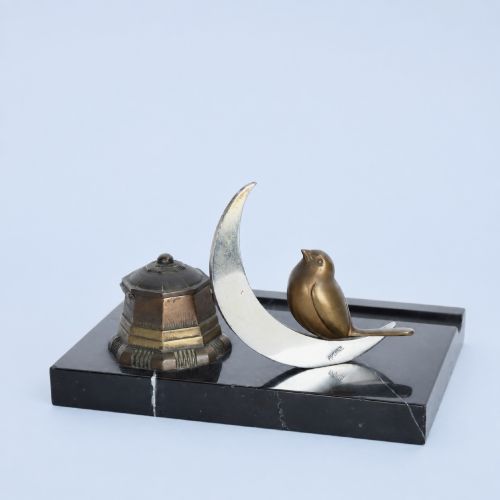
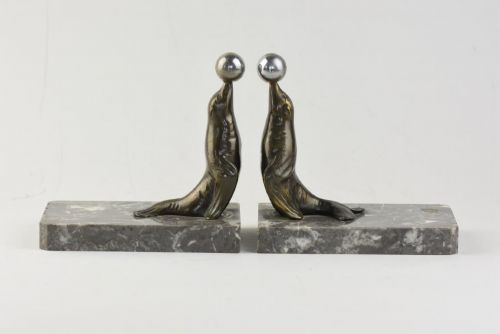
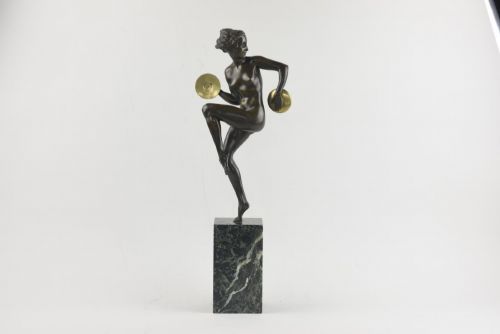
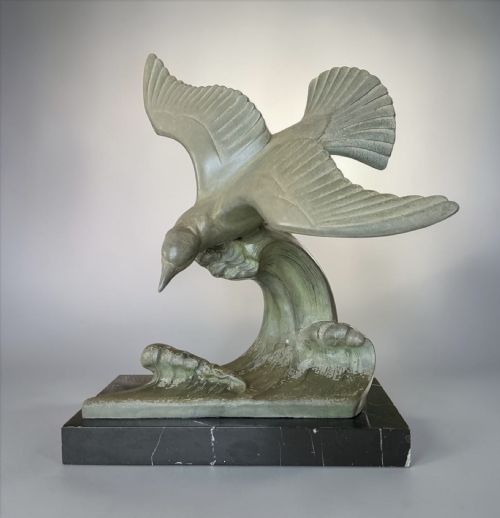
When searching for 1930s bronze sculpture, collectors encounter figures of dancers, athletes, animals, and practical objects such as bookends and lamps. The dominant style is French Art Deco, featuring stylised human and animal forms.
Many works depict female dancers, skaters, and panthers mounted on marble or onyx bases. Alongside solid bronze, pieces frequently utilise patinated metal, silvered bronze, and spelter.
The objects range from large standalone figures to desk accessories and mantel clocks produced during the early twentieth century. Animal subjects include birds, dogs, and big cats cast in dynamic poses.
How they were made
Foundries cast these pieces using bronze, silvered bronze, and spelter, often finishing the metal with patination or cold painting. Many figures combine metal elements with carved marble or onyx bases.
Sculptors designed these works to reflect the modern aesthetic of the period, employing crisp lines and stylised proportions. Bases frequently integrate black or variegated marble to support the weight of the metal figures.
Listings feature materials including bronze, spelter, silvered bronze, marble, onyx, and brass across the Art Deco period.
What varies in quality
The choice of base materials also divides the range, with solid marble and onyx mounting holding more presence than alternative supports. Signed works carry distinct artisanal attribution compared to unsigned or attributed editions.
Ferdinand Preiss·Josef Lorenzl·Aurore Onu·Sibylle May·L. Gerfaux·Rene Andre Varnier·Karl Hagenauer·Alexandre Kelety·Demetre Chiparus·Irénée Rochard·Takasetsu Onoda
The 1930s Bronze Sculpture Glossary
- Spelter
- A zinc alloy frequently used as a substitute for bronze during the period. It accepts patination well but is softer than bronze.
- Patinated metal
- Metal treated with chemical solutions to produce a specific surface colour or aged appearance. This finish protects the metal and highlights sculptural detail.
- Chryselephantine
- A term describing statues made of a combination of bronze and ivory. Artists utilised this technique to render flesh and garments in contrasting textures.
- Cold painted
- A method where paint is applied to metal without subsequent firing. This technique appears frequently on decorative figures and animal bronzes.
1930s Bronze Sculpture: Frequently Asked Questions
How do I identify a cast?
Examine the surface for casting seams, tool marks, and the weight and tone of the metal. Bronze feels dense and cold, whereas alloy alternatives exhibit different weight distributions.
Look closely at the underside for mounting screws or foundry marks that indicate how the figure connects to its marble base.
Are bases original to the pieces?
Many figures are mounted on marble or onyx bases selected during production to stabilise the composition. Original bases show consistent wear matching the metal elements above.
Check the fit where the metal meets the stone to ensure the sculpture has not been remounted at a later date.
How should I clean the surface?
Dust the bronze and marble gently with a soft, dry cloth. Avoid chemical cleaners and commercial polishes that can strip the patination.
Keep pieces away from direct sunlight and excessive moisture to preserve the finish on both the metal and the stone.