


1930s British Art Deco
These pieces of 1930s British Art Deco combine streamlined geometry with rich cabinet woods and metals, built for modern living.
1930s British Art Deco
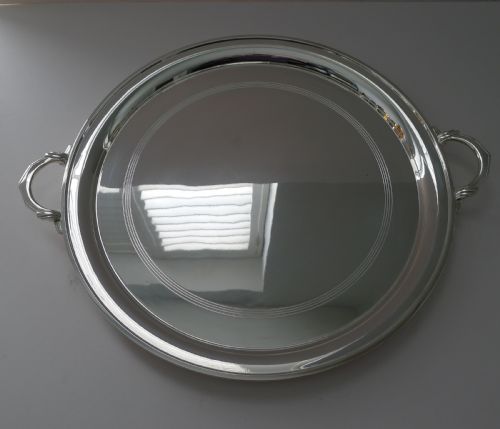
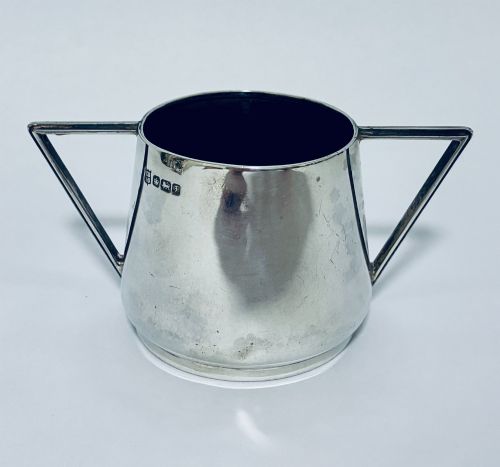
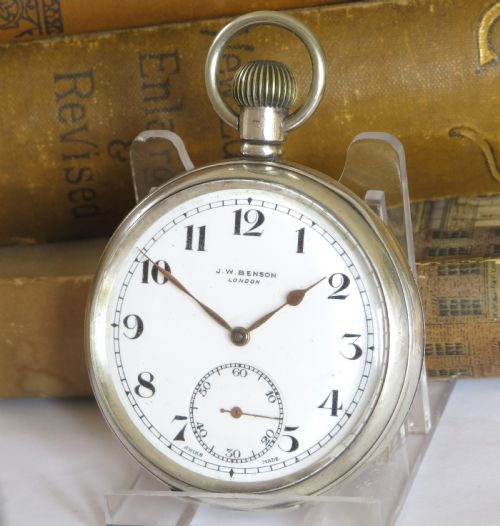
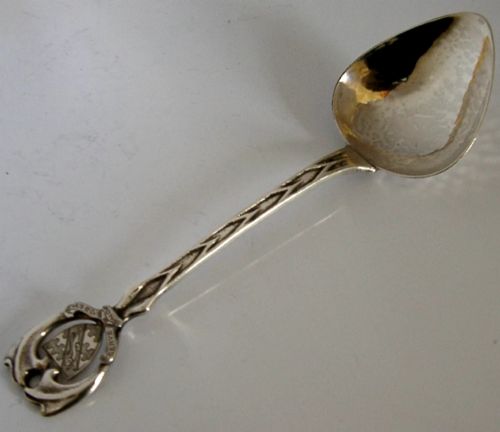
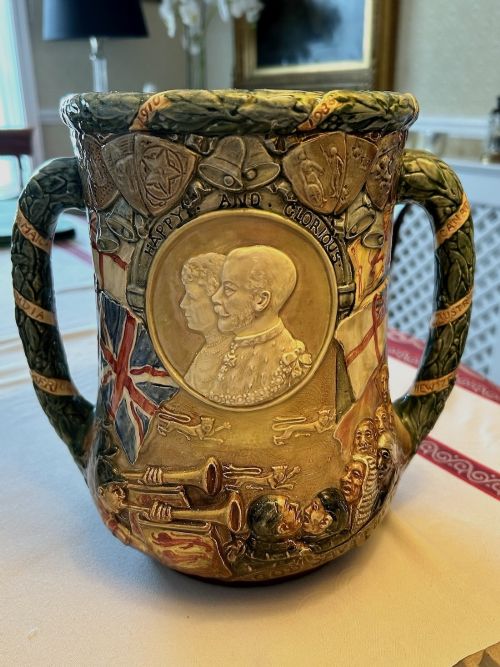
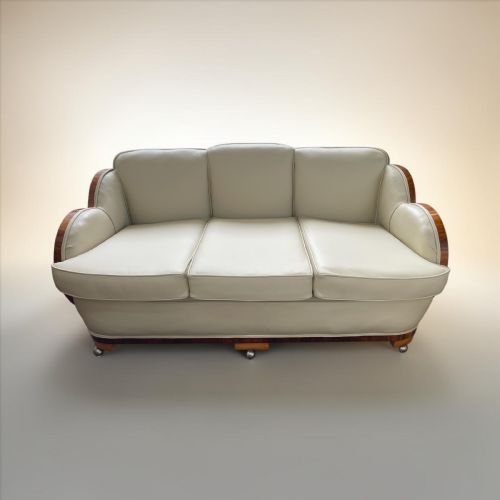
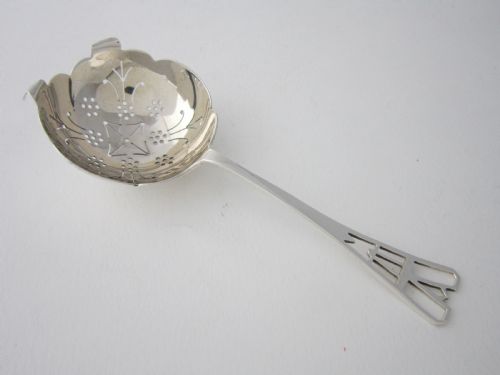
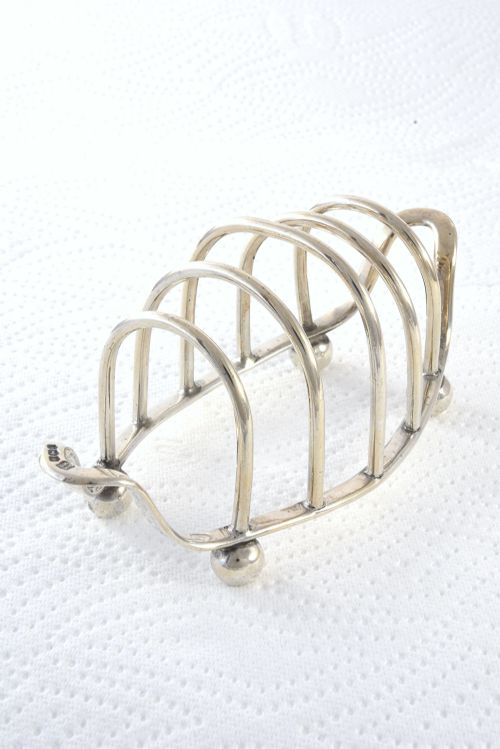
When searching for 1930s British Art Deco, collectors encounter substantial items designed for domestic interiors, spanning large case pieces like sideboards and dressing tables to seating and smaller accessories. The selection on this page leans heavily toward utilitarian and living room furniture, alongside mantle clocks, silver tableware, and decorative glass.
Makers working during this era produced nest of tables, bookcases, and desks alongside bedroom suites and upholstery. The design language favours stepped profiles, clean verticals, and practical arrangements suited to interwar homes across Britain.
Materials and Technique
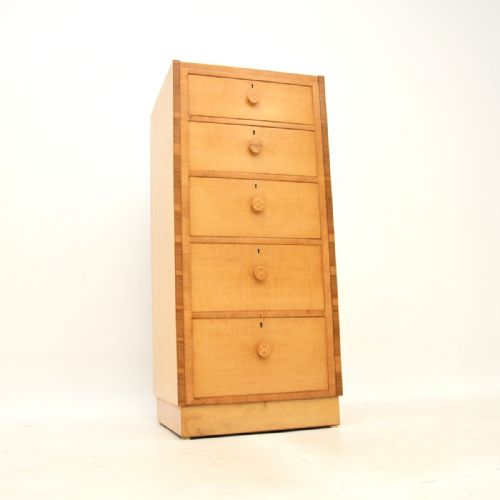
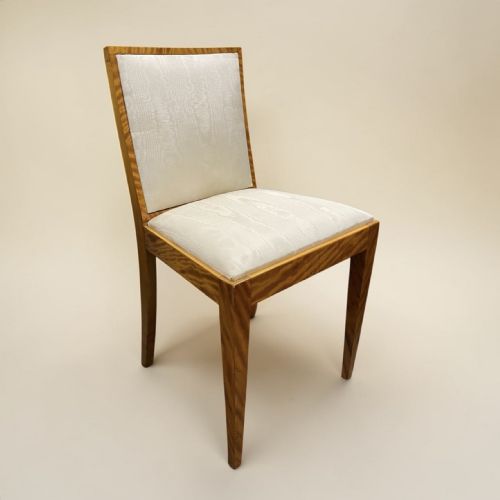
Cabinet makers utilised striking veneers such as walnut, burr walnut, sycamore, and macassar ebony applied to sturdy oak or mixed timber carcases. These wooden surfaces were polished to a high sheen to display the natural grain patterns.
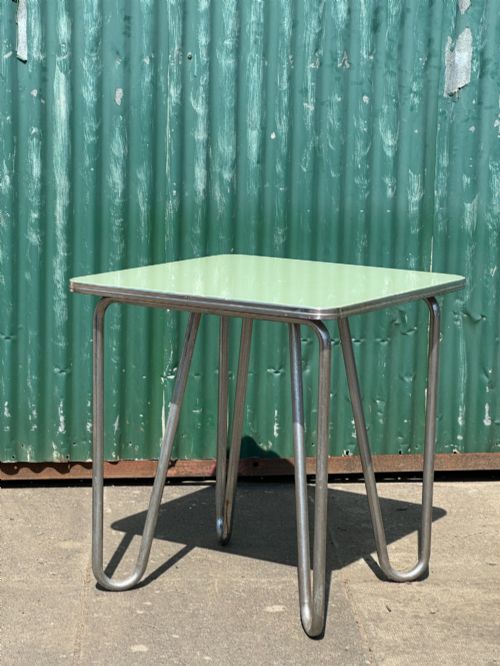
Metal components relied on chrome plating, cast pewter, and sterling silver, often paired with moulded glass, bakelite, or leather inserts. Structural frames combined traditional joinery with tubular steel or bent metal tubing where industrial techniques influenced domestic design.
Listings feature items dated across the 1920s, 1930s, and 1940s, executed in glass, walnut, sterling silver, chrome, leather, and bakelite.
Standards of Execution
The distinction between standard commercial output and workshop-produced items rests on the selection of veneers and the precision of the joinery. Finer pieces display carefully matched grain across drawer fronts and doors, whereas simpler items rely on plainer timbers.
Signed works and items retaining original hardware or marked silver components command greater attention than modified examples. The integrity of the construction, from smooth drawer actions to stable frames, defines the upper tier of surviving examples.
Keith Murray For Mappin And Webb·Oliver Percy Bernard·Bath Cabinet Makers·Harry And Lou Epstein·Betty Joel·Graystan·Maurice Adams·Smiths Clockmakers·Hamptons Of Pall Mall London·Bowman Brothers·Heal And Son·Hille·Viners·Crown Devon
The 1930s British Art Deco Glossary
- Bakelite
- An early synthetic thermosetting plastic moulded into desk accessories, clocks, and radio cabinets during the period. It resists heat and provides a glossy dark finish.
- Veneer
- A thin slice of decorative wood, such as burr walnut or macassar ebony, applied over a stable secondary timber base. This technique allows intricate grain patterns on large surfaces.
- Sterling silver
- A silver alloy containing 92.5 percent pure silver by mass, frequently hallmarked on tableware, tea strainers, and presentation pieces from the decade.
- Stepped profile
- A geometric design motif where architectural elements or furniture tiers ascend or descend in rigid increments. It forms a visual hallmark of the style.
1930s British Art Deco: Frequently Asked Questions
How do I identify 1930s British Art Deco?
Look for symmetrical geometries, stepped forms, and contrasting veneers like walnut and sycamore applied to functional domestic furniture and objects.
Makers often marked their drawers or metalwork with stamps or paper labels, while the overall aesthetic avoids Victorian clutter in favour of streamlined silhouettes.
How should I care for wooden surfaces?
Polished walnut and exotic veneers require gentle dusting with a soft, dry cloth and protection from direct sunlight and excessive heat.
Aplying a microcrystalline wax periodically helps maintain the lustre of the finish without building up heavy residues.
Can I mix these items with modern interiors?
The clean lines and neutral tones of interwar design blend easily with contemporary minimalist or mid-century spaces.
A single desk, clock, or nest of tables provides a focal point without overwhelming a room.