


1930s Art Deco Brooch
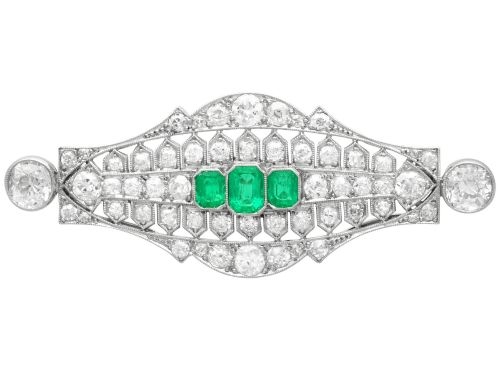
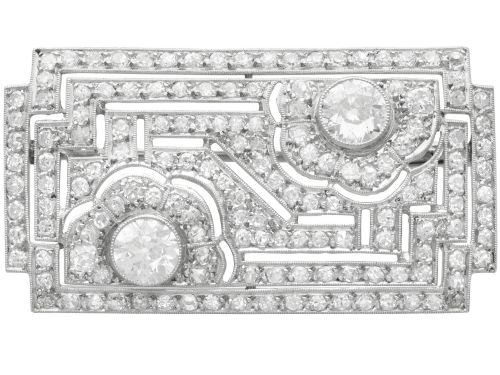
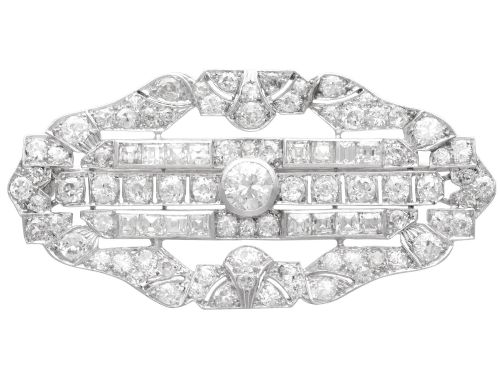
A 1930s art deco brooch delivers geometric punch and fine metalwork, capturing the spirit of the interwar years.
1930s Art Deco Brooch
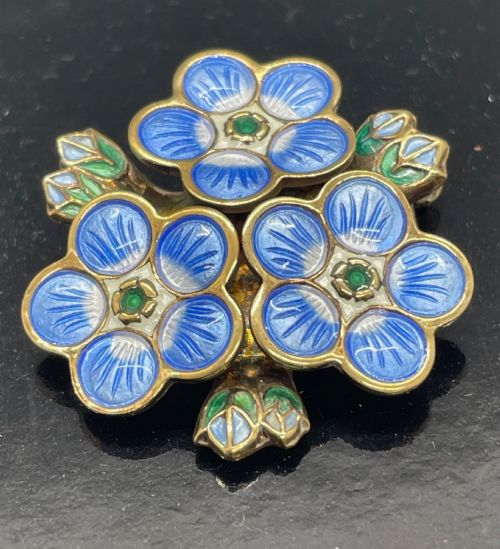
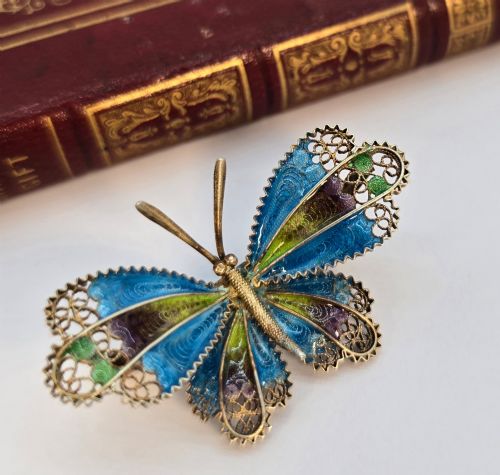
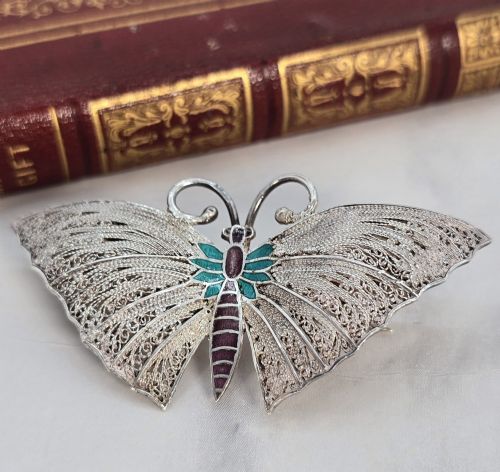
When you search for a 1930s art deco brooch, you encounter a varied selection of jewellery spanning intricate diamond and platinum mounts alongside enamelled silver novelties. The most common examples take the form of butterfly motifs, floral sprays, or versatile double clip combinations designed to anchor onto lapels and dress straps.
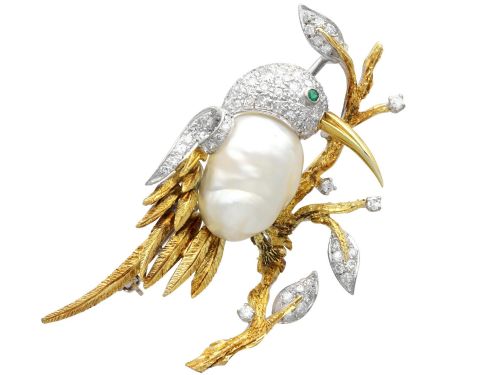
Pieces frequently merge the strict symmetry of the period with organic insect shapes, or lean into modernist industrial lines using alternative plastics and chrome. Origins stretch from English workshops to French ateliers and Scandinavian studios, reflecting a wide international appetite for stylish dress ornaments.
Many items function as convertible pieces, transforming easily from pendant to brooch or splitting into matching dress clips. Collectors find these versatile formats dominate the selection, offering practical styling options rooted in interwar fashion.
How they were made
Goldsmiths and metalworkers utilised precious metals such as platinum and sterling silver alongside base metals, shaping intricate filigree frames and solid geometric mounts. Stones including diamonds, sapphires, zircons, and paste crystals were hand-set into these frames, often supported by delicate millegrain edging.
Colour entered the designs through vitreous enamel, guilloché enamel, and painted china inserts, fused to metal bases to create vibrant wings and patterned panels. Alternative materials like Galalith, celluloid, and glass provided striking modernist textures without relying solely on traditional gemstones.
Stormy weather earned its own metal brass tribute in an enamelled novelty pin, proving interwar jewellers captured everything from insects to forecasts.
What varies in quality
The distinction between standard commercial items and exceptional jewellery rests primarily on the choice of materials and the precision of the setting work. Pieces built in solid platinum with certified diamonds and calibrated sapphires represent the upper tier of the craft, whilst base metal and glass versions cater to a lighter, more accessible aesthetic.
Execution also dictates the overall merit of a piece, observable in the crispness of silver filigree, the even application of translucent guilloché enamel, and the smooth mechanical action of convertible dress clips. Maker attribution to known interwar workshops further elevates the standing of specific designs.
Paillette·Jakob Bengel
The 1930s Art Deco Brooch Glossary
- Guilloché enamel
- A decorative technique where a metal surface is engraved with intricate geometric patterns before being coated with translucent enamel. This allows the underlying pattern to shimmer through the coloured glass layer.
- Filigree
- Delicate openwork jewellery created by twisting and soldering fine threads of gold or silver into intricate lace-like patterns. It appears frequently on butterfly and floral motifs from the period.
- Galalith
- A semi-synthetic plastic derived from casein and formaldehyde, widely utilised in modernist interwar jewellery for its rich colours and smooth finish. It appears on avant-garde pieces from the era.
- Millegrain
- A decorative jewellery technique featuring a line of tiny raised metal beads along the edge of a setting. This softens the transition between the gemstone and the surrounding platinum or gold.
1930s Art Deco Brooch: Frequently Asked Questions
What is a double clip brooch?
A double clip brooch consists of two matching dress clips joined together by a removable metal frame to form a single larger brooch. Wearers could unsnap the mechanism and wear the clips separately on collar tips or necklines.
This versatile design dominated interwar fashion, allowing women to adapt their jewellery for daytime dress bodices or evening gown lapels.
How do I wear a vintage brooch today?
Pin these ornaments onto heavy coat lapels, woolen scarves, or the shoulder of a tailored blazer to let the geometric lines stand out. Convertible pieces that double as pendants can also be suspended from a simple chain.
Ensure the pin stem and catch function securely before fastening them to delicate fabrics to prevent any accidental loss during wear.
What materials were used in these brooches?
Jewellery from this era ranges from fine precious configurations in platinum set with diamonds and sapphires to accessible sterling silver and enamel novelties. Makers also embraced industrial plastics like Galalith and celluloid for bold modernist designs.
Silver gilt, marcasite accents, and pressed glass paste stones further expanded the material vocabulary available to designers of the period.
How can I tell a 1930s piece apart?
Look for characteristic design elements such as streamlined geometric motifs, stylized butterfly wings, and symmetrical floral sprays. The widespread use of guilloché enamel and delicate platinum millegrain work points directly to interwar manufacturing techniques.
Maker attribution stamps, French silver hallmarks, or distinct Scandinavian export marks often help pinpoint the precise geographic origin and manufacturing era.