

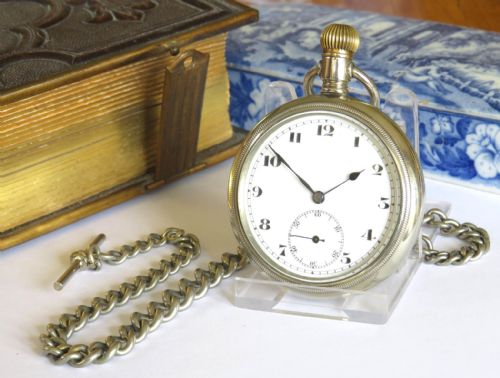


1920s Watch Chain
A 1920s watch chain is a practical length of metal links designed to secure a pocket timepiece, often worn today as a short necklace or waistcoat adornment.
1920s Watch Chain
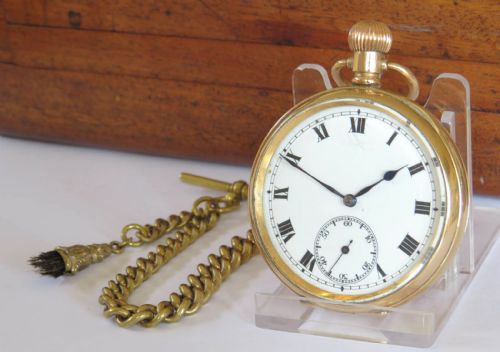
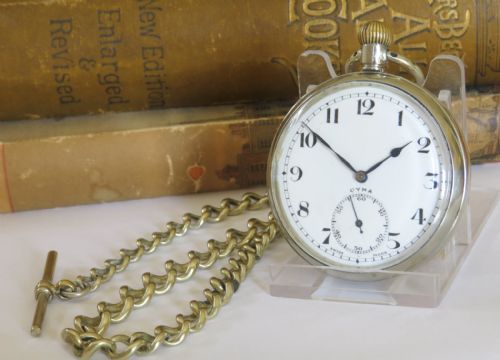
A 1920s watch chain serves to anchor a pocket watch securely to a garment or buttonhole, taking forms such as the classic albert chain or standard watch chain. Many survive paired directly with pocket watch movements or fitted with fobs, medallions and pendants.
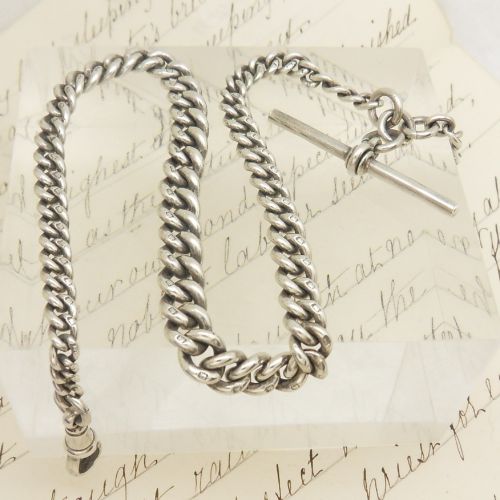
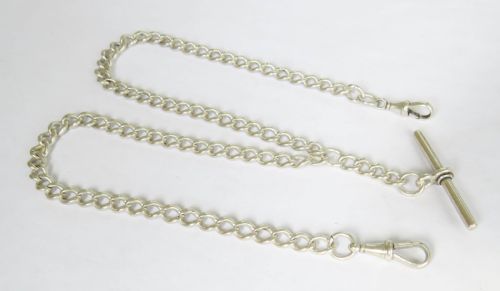
The single and double albert represent the most common configurations met in this period, featuring substantial links designed to drape across a waistcoat. Alongside these, simpler lengths appear frequently, often adapted today to be worn as short necklaces.
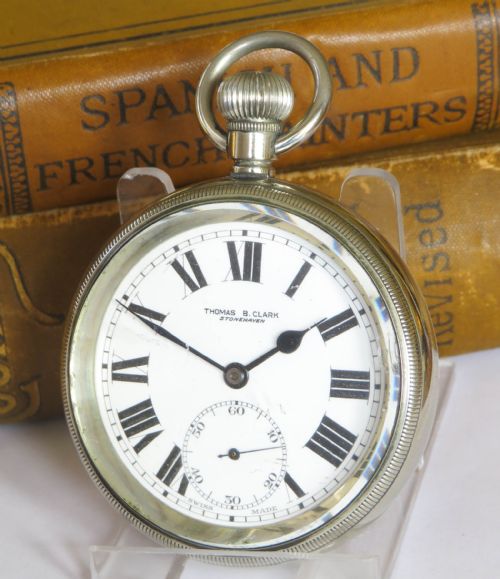
Examples from this era frequently intersect with pocket watches produced by Swiss and international firms, uniting the timepiece and its suspension into a single matched ensemble.
How they were made
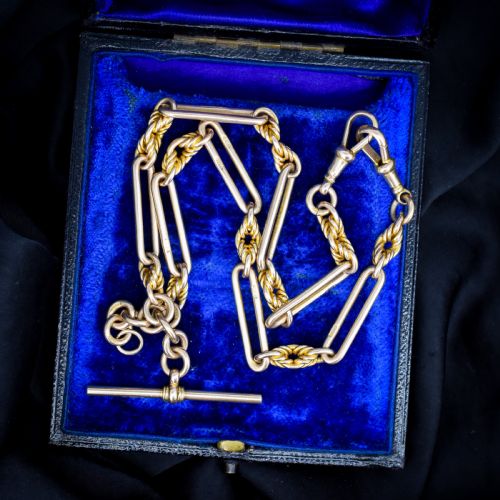
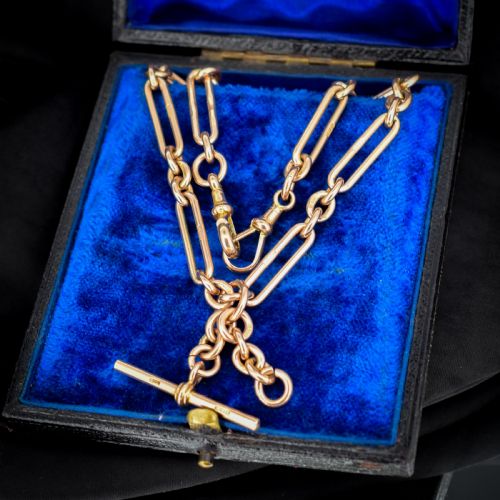
Metals span solid sterling silver, rolled gold, nickel, steel and nine-carat gold, reflecting the varied budgets of the period. Individual links are shaped into distinct patterns, including curb links, trombone links and love knots.
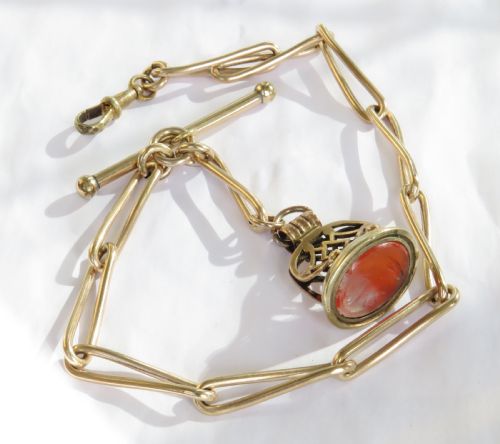
Decorative elements incorporate enamel work, carnelian stones and glass components, often added to fobs and pendants attached centrally to the chain. Construction relies on durable mechanical joining of links to withstand daily use with a pocket timepiece.
1920s Watch Chain Retail Price Guide 2026
Typical asking prices for 1920s watch chain among the pieces listed under this phrase on Sellingantiques today, from the lower quarter to the upper quarter. They describe what is for sale here now, not the wider market.
Several chains arrive accompanied by football medals, reminding us that a gentleman's timekeeping gear was frequently won on the pitch.
What varies in quality
Substantial weight and the use of solid precious metals such as sterling silver or nine-carat gold distinguish finer examples from base metal alternatives like nickel and steel. The complexity of the link formation, such as intricate trombone or love knot patterns, indicates greater initial craftsmanship.
The presence of original associated elements like hallmarked fobs, medals or paired pocket watch movements elevates the integrity of the piece. Consistency of metal colour and uniform wear across every individual link demonstrate careful preservation over time.
Cyma·Revue·Syren·Horos·Pioneer·Satisfaction·Polhem·Junghans·Limit·Omega·Doxa·Thiel·Minerva·Elkington·Ralco
The 1920s Watch Chain Glossary
- Albert chain
- A type of watch chain featuring a T-bar at one end to fasten through a buttonhole. It is named after Prince Albert, who popularized the fashion.
- Trombone link
- A specific elongated metal link style resembling the shape of a trombone. These alternate with smaller circular links in period chains.
- Love knot
- An intertwined decorative metal link design symbolizing affection. It frequently appears as a central station on period necklaces and watch chains.
- Fob
- A small medallion, seal or ornament attached to a short length of chain hanging from the main watch chain. They often bear engraved dates or sports club insignia.
- Rolled gold
- A durable method of manufacturing jewellery by bonding a layer of gold to a base metal core. It offers the appearance of solid gold at a lower cost.
1920s Watch Chain: Frequently Asked Questions
How do I wear a 1920s watch chain?
These chains adapt readily to contemporary wear by resting around the neck as a short necklace, particularly the lengths measuring under sixteen inches. Alternatively, they can be secured through a buttonhole using the original T-bar.
Heavier examples suit a waistcoat drape, while lighter lengths function well as standalone neckwear.
What is an albert chain?
An albert chain is a specific style of watch chain designed to secure a pocket timepiece to a gentleman's waistcoat. It typically incorporates a T-bar at the centre or end for fastening.
Double albert variations feature two parallel strands dropping from the central buttonhole to opposite pockets.
Are these chains made of solid gold?
Materials vary significantly across the period, ranging from solid nine-carat gold and sterling silver to rolled gold, nickel and steel. Hallmarks on the metal links often confirm the specific precious metal standard used.
Rolled gold examples provide a durable gold surface over a base metal core without the weight of solid gold.
What are watch fobs used for?
Fobs serve as decorative ornaments attached to the drop piece of a watch chain. They frequently take the form of engraved metal medallions or stones such as carnelian.
Many record specific dates, sports achievements or organizational memberships from the era.