





1920s Tea Table
A 1920s tea table is a versatile low surface designed for entertaining, offering period charm and practical utility to any reception room.
1920s Tea Table
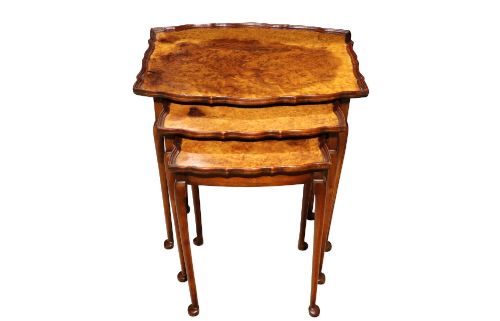
A 1920s tea table encompasses various occasional surfaces from the period, including nests of tables, folding card tables, and low coffee tables. Walnut and oak dominate the selection, often appearing in revival styles such as Queen Anne or Jacobean.
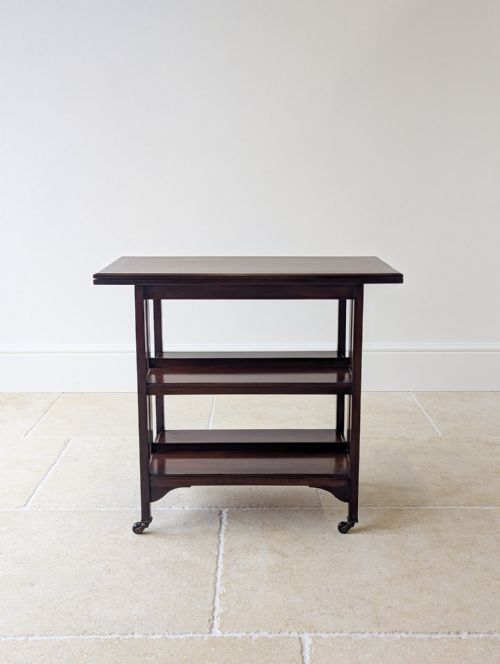
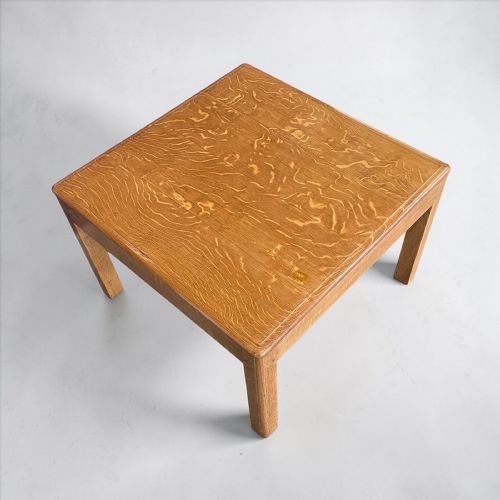
Buyers frequently encounter pieces featuring burr walnut veneers alongside solid oak and mahogany constructions. Forms range from simple oblong coffee tables to clever folding games tables and trolleys with wheels.
How they were made
Cabinet makers utilised solid hardwoods like oak and mahogany alongside decorative veneers such as burr walnut to create visually striking surfaces. Brass mounts and handles provided functional accents on folding mechanisms and serving trays.
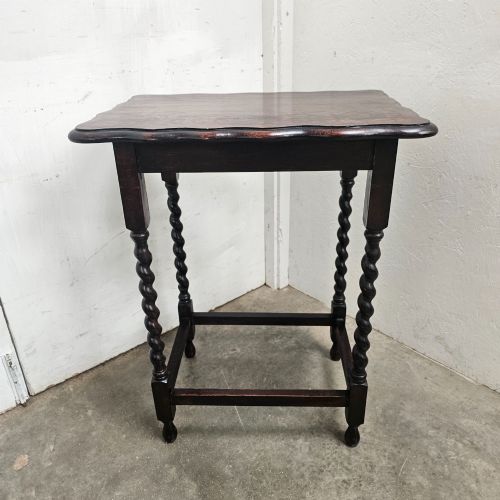
Construction techniques balanced traditional joinery with the era's demand for adaptable furniture, leading to clever folding card tables and lift-off serving trays. Wood was frequently turned or carved, resulting in distinctive details like barley twist legs.
1920s Tea Table Retail Price Guide 2026
Typical asking prices for 1920s tea table among the pieces listed under this phrase on Sellingantiques today, from the lower quarter to the upper quarter. They describe what is for sale here now, not the wider market.
Listings feature items dated across the 1910s, 1920s, and 1930s, constructed primarily from walnut, oak, mahogany, and brass.
What varies in quality
The choice of timber and veneer creates a distinct division between simple solid oak pieces and highly figured burr walnut examples. Finer items display meticulous attention to grain matching across veneered surfaces and folding leaves.
Design complexity also separates standard tables from superior examples, such as those featuring specialised hardware, brass mounting, or sophisticated folding mechanisms for games and supper.
Betty Joel
The 1920s Tea Table Glossary
- Burr walnut
- A prized timber veneer showing swirling, knotty grain patterns derived from the growth excrescences of walnut trees. It provides a highly decorative surface on table tops.
- Barley twist
- A type of turning resembling a rope wound around a cylinder, commonly found on the legs of early twentieth century oak tables.
- Demi-lune
- Half-moon shaped, typically describing a folding card table that sits flat against a wall when closed.
- Pie crust table
- A small occasional table featuring a raised, carved, undulating edge along the circumference of the top.
1920s Tea Table: Frequently Asked Questions
What styles are common for these tables?
Revival designs dominate this era, particularly Queen Anne, Georgian, and Chippendale styles alongside modern Art Deco influences.
Craftsmen also produced traditional colonial pieces and simpler oak utilitarian forms for everyday household use.
How were folding tea tables used?
Double fold-over tables provided flexible surfaces for card games, supper, or serving afternoon tea in reception rooms.
Many designs included clever mechanisms or removable trays to assist with hospitality and entertaining guests.
What woods should I look for?
Walnut and oak are the most prevalent timbers, with burr walnut veneer chosen for more decorative and high-status surfaces.
Mahogany also appears in classical revival designs, alongside occasional use of exotic hardwoods.