
1920s Sterling Silver
These pieces of 1920s sterling silver bring geometric Art Deco lines and George V elegance directly to modern tables and collections.
What 1920s sterling silver is
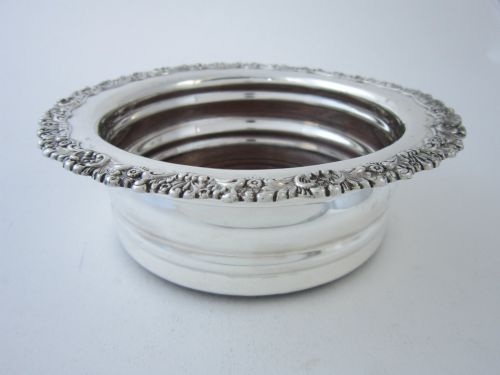
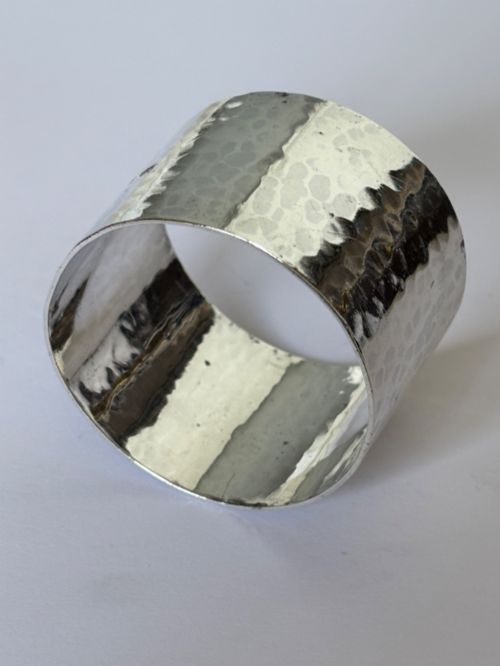
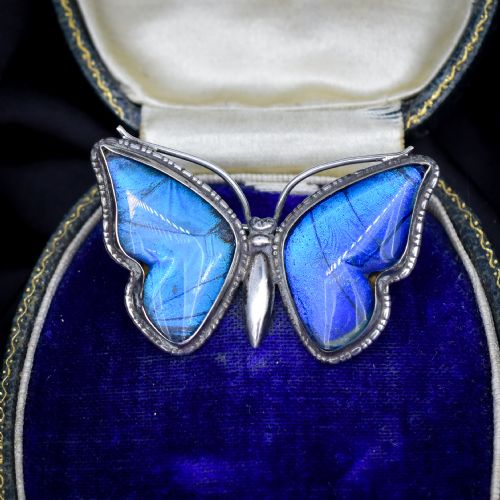
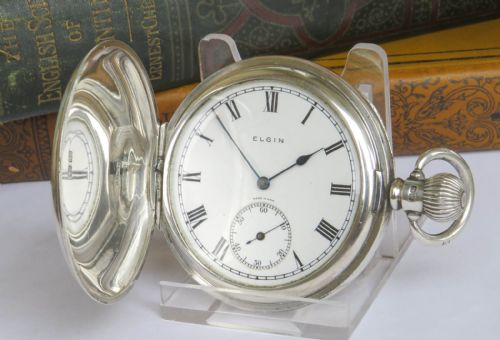
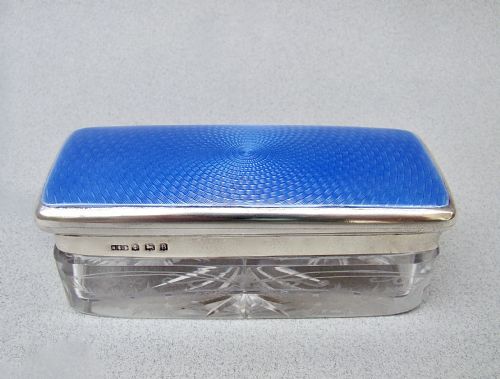
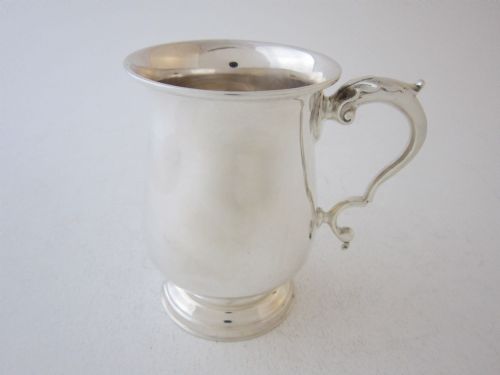
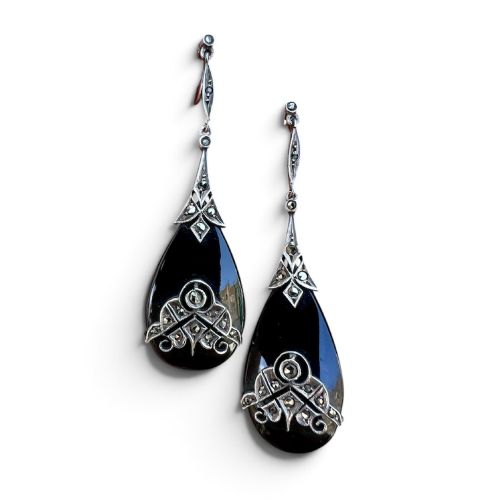
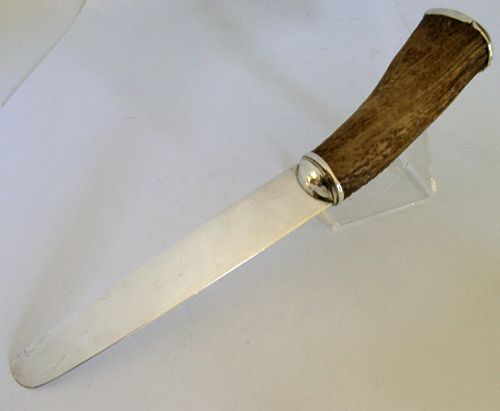
When you search for 1920s sterling silver, you encounter a diverse array of tableware, barware, and personal accessories spanning the George V period and the early Art Deco movement. Wine coasters, pierced dishes, and bon bon baskets feature prominently among the surviving items, alongside novelty items like rowing boat dishes and crocodile hip flasks.
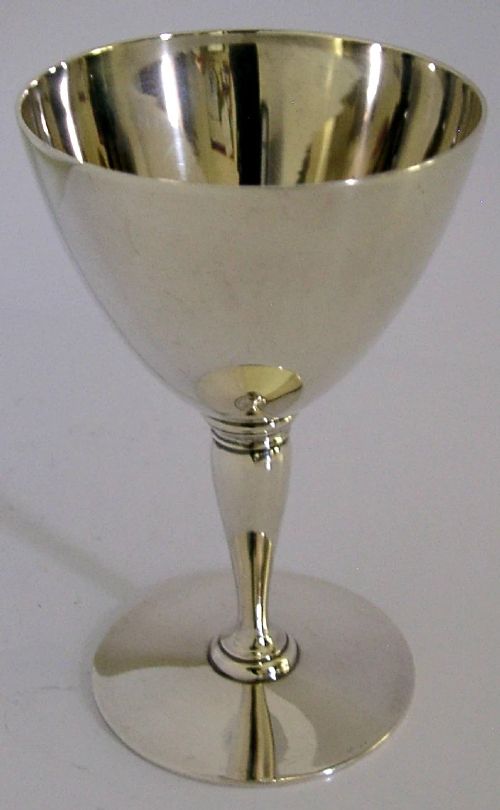
The objects originate from English, American, Japanese, Indian, and New Zealand makers, demonstrating a global appetite for high-grade silver during this decade. Functional pieces such as wine goblets, coffee sets, whisky cups, and cigarette cases show how the metal served both domestic hospitality and personal use.
How they were made
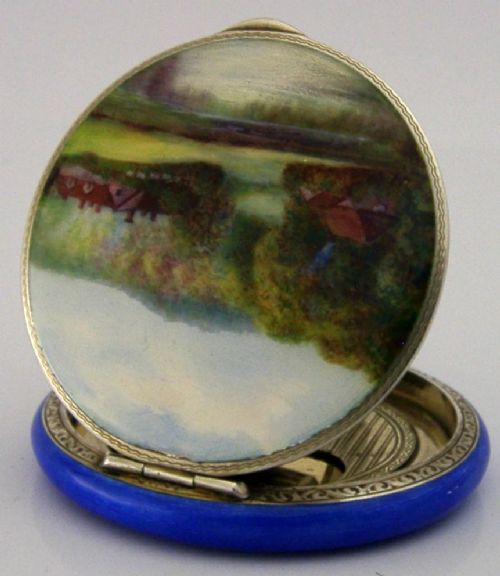
Silversmiths utilised solid sterling silver, often combining the metal with wood bases for items like wine coasters and lattice tazzas. Piercing techniques created intricate openwork patterns on dishes, baskets, and comports, while enamelling added colour to specific bowls and whisky cups.
Construction methods involved heavy casting for chalices and stamp cases, alongside delicate soldering for chains, fob attachments, and novelty boat dishes. Hallmarks and maker stamps were routinely struck directly into the metal to certify purity and origin.
Silver ducks and rowing boats from this decade prove that silversmiths possessed a distinct sense of humour alongside their mallets.
What varies in quality
The weight and gauge of the sterling silver plate dictate the substance of each piece, distinguishing substantial vessels like heavy goblets from lighter stamped items. Superior craftsmanship appears in crisp piercing work, secure joints on novelty forms, and well-preserved enamel details.
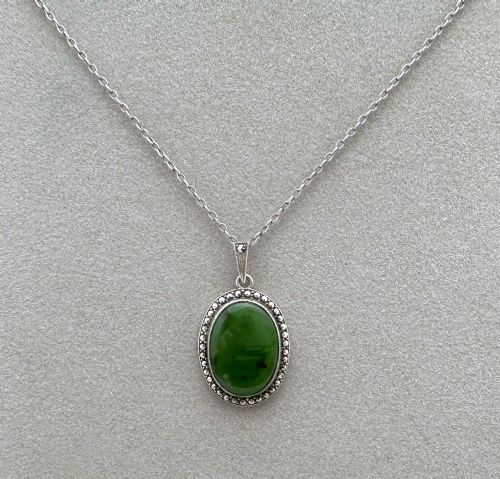
Provenance and maker reputation elevate specific pieces, particularly those bearing marks from established firms like Fenton Brothers, James Dixon, or Gorham. The integration of secondary materials, such as polished wood inserts or genuine jade handles, also influences the distinction between standard tableware and exceptional commissions.
Fenton Brothers·James Dixon·Gorham·Woodside Sterling Co
The 1920s Sterling Silver Glossary
- Sterling silver
- An alloy containing 92.5 percent silver by mass, with the remainder consisting of copper or other metals to ensure durability in tableware and accessories.
- Art Deco
- A design style prevalent during the 1920s characterised by sleek geometric shapes, streamlined forms, and modern motifs.
- George V
- The British regnal period spanning from 1910 to 1936, encompassing traditional silver manufacturing alongside emerging modernist trends.
- Pierced dish
- A flat or shallow vessel featuring decorative cut-out patterns formed by piercing the silver sheet.
- Wine coaster
- A small round tray or dish with a raised rim, frequently lined with wood, designed to hold a bottle and protect the table surface.
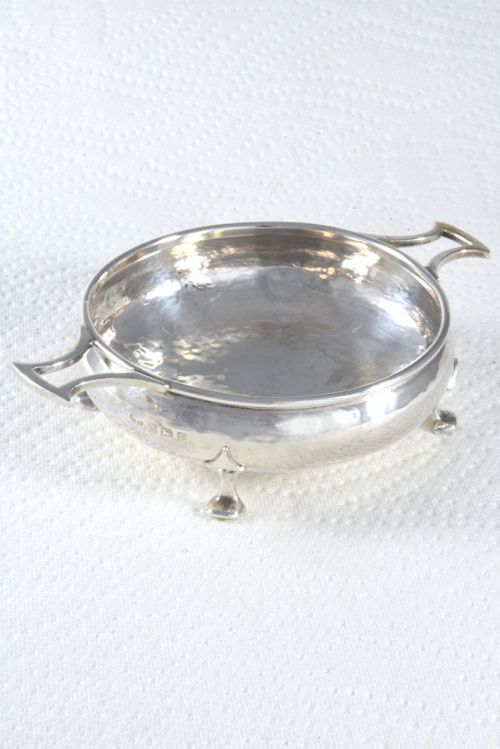
- Quaich
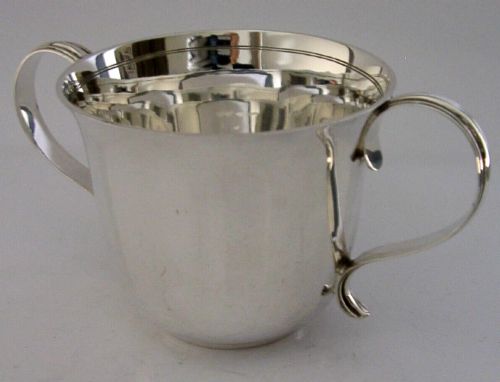
- A traditional shallow two-handled drinking vessel used historically in Scotland, reinterpreted by silversmiths in this era.
Frequently Asked Questions
How do I identify 1920s sterling silver?
Examine the piece for official hallmarks, sponsor marks, and date letters that correspond to the George V era and the 1920s decade. English items typically display town marks and lion passant symbols indicating sterling standard.
Stylistic cues such as early Art Deco geometry or specific novelty forms also help contextualise the manufacture date.
What items were made in this period?
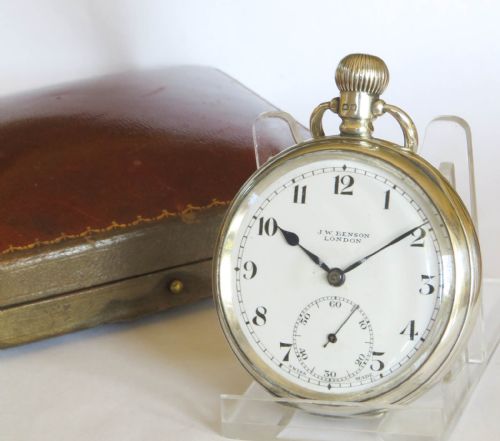
Makers produced a wide range of goods, from dining accessories like wine coasters, bon bon baskets, and coffee sets to personal items including cigarette cases, hip flasks, and pocket watch chains.
Novelty items shaped as rowing boats, wagons, or animals were equally popular for display and practical use.
How should I clean silver tableware?
Use a specialised, non-abrasive silver polish applied with a soft cloth to remove tarnish without scratching the metal surface or damaging enamel work. Rinse and dry thoroughly after cleaning.
Avoid submerging pieces that combine sterling silver with wood bases, as moisture can warp or damage the organic material.
Did countries outside Britain make sterling silver then?
American, Japanese, Indian, and New Zealand silversmiths all produced distinctive sterling silver pieces during the 1920s. Each region applied local motifs and traditional techniques to standard forms like cruets, photograph frames, and spoons.
These international pieces often feature local stamps or maker marks rather than standard British assay office hallmarks.