



Antique Silver Nut Bowl
These antique silver nut bowl pieces bring character to a table, spanning Victorian, Arts and Crafts, Art Nouveau and Art Deco designs in sterling and plate.
What these pieces are
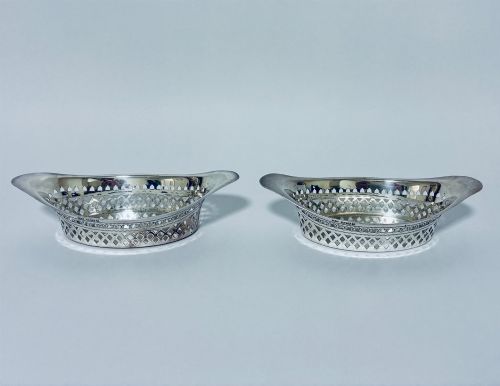
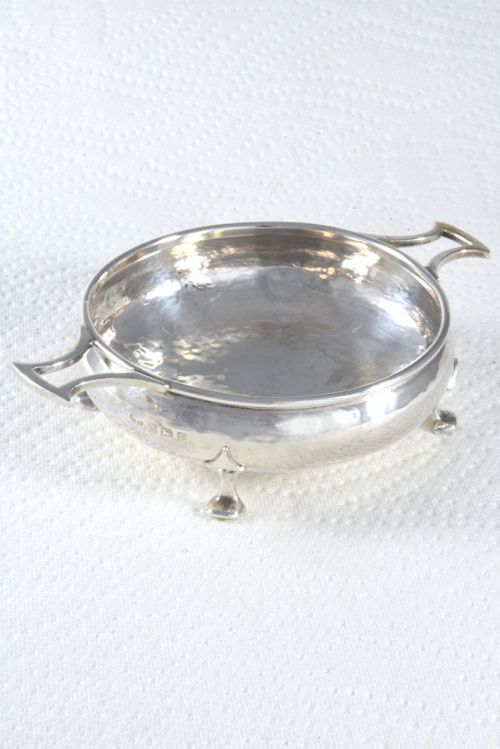
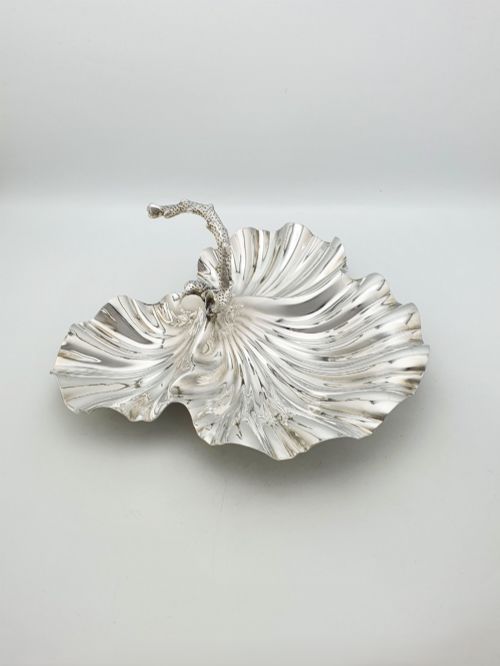
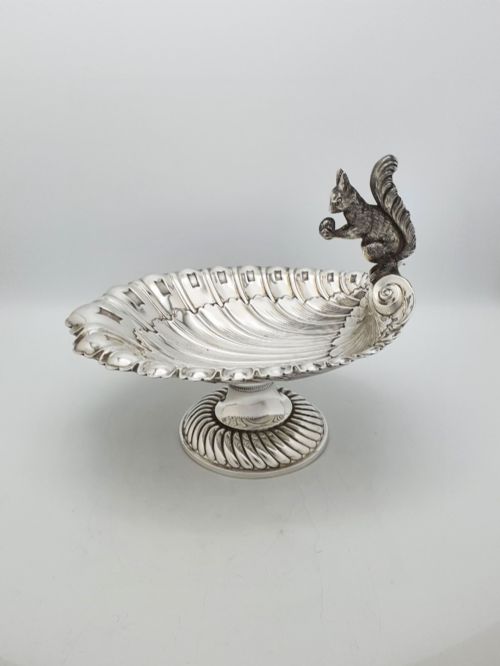
An antique silver nut bowl is a small serving vessel designed for hospitality, frequently taking the form of novelty squirrel dishes, swing-handled sweet bowls and repoussé bonbon dishes. You will encounter Victorian examples alongside pieces from the nineteen tens and nineteen twenties.
The materials range from sterling silver to silver plate and metal, reflecting both domestic British production and continental or American work. Forms vary from simple handled bowls to figural designs incorporating animals.
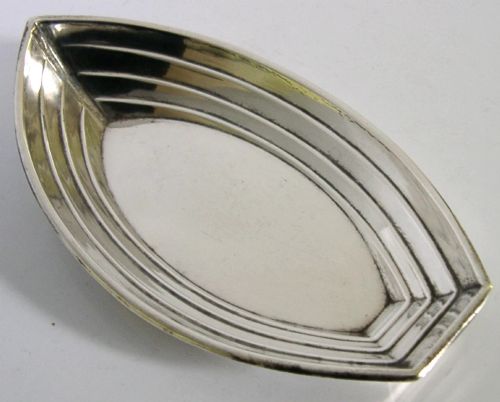
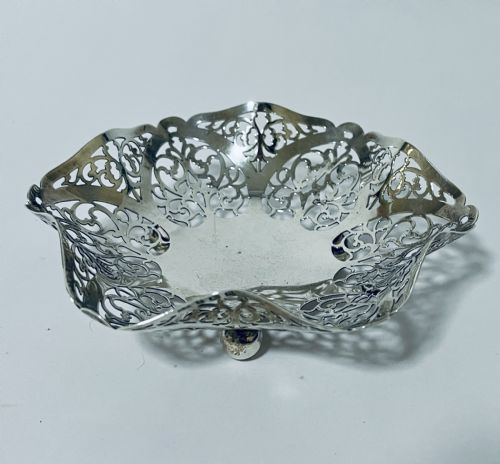
While the search specifies an antique silver nut bowl, the listings also encompass bonbon dishes, decorative dishes and trinket dishes used for similar small treats.
How they were made
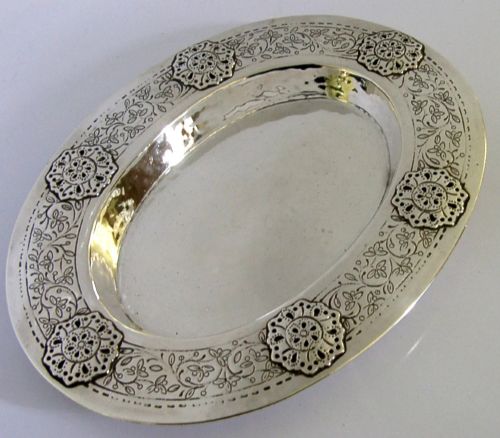
Construction relies on sterling silver and silver-plated metal, shaped through techniques such as repoussé where metal is hammered into relief from the reverse. Applied decoration often adds texture and detail to the surface of the bowl.
Manufacturers utilised casting for figural elements like squirrels and rowing boats, attaching them securely to the dish bases. Handles were riveted or soldered, incorporating swing mechanisms on specific sweet and nut bowls.
Retail Price Guide 2026
Typical UK retail prices for silver nut bowl, calculated from the Sellingantiques database of over a million retail prices indexed since 2003. This retail price guide relies exclusively on Sellingantiques data; no external sources or auction records are used, so the figures do not describe the wider market.
Current and past listings show materials spanning sterling silver, silver plate and metal across Victorian, Arts and Crafts, Art Nouveau and Art Deco styles.
What varies in quality
Quality rests in the crispness of the repoussé work and the naturalism of figural elements like squirrels or botanical motifs. Thicker gauge sterling silver and heavier weights indicate substantial construction compared to plated metal alternatives.
The integrity of the original plating or silver hallmarks contributes to the standing of a piece. Maker attributions, such as Liberty and Co or WMF, add distinction through recognised design execution.
Liberty and Co·Wallace
The Antique Silver Nut Bowl Glossary
- Repoussé
- A metalworking technique where the artisan hammers the design from the reverse side to create a raised pattern on the front. This decorative method appears frequently on continental and British nut bowls.
- Sterling silver
- An alloy consisting of ninety-two point five percent silver by mass, with the remainder composed of other metals for durability. British pieces typically bear hallmarks confirming this standard.
- Silver plate
- A layer of silver applied to a base metal core, such as copper or Britannia metal. Many squirrel nut dishes from the Edwardian period utilise this method.
- Bonbon dish
- A small open vessel intended for holding sweets or small confectionery. These share similar dimensions and forms with nut bowls.
Frequently Asked Questions
What were antique silver nut bowls used for?
These vessels were placed on dining tables and sideboards to hold nuts, sweets, or small nibbles during formal meals and gatherings. Hosts offered guests access to salted or shelled nuts directly from the bowls.
Over time, many of these dishes transitioned into decorative tabletop accessories or trinket dishes used for holding small items in living spaces.
How do I date an antique silver nut bowl?
Dating relies heavily on stamped hallmarks, maker marks, and stylistic indicators such as Edwardian repoussé work or Art Deco geometry. Sterling silver pieces often carry date letters and town marks.
Silver-plated items and novelty figural designs from makers like WMF usually align with production periods around nineteen hundred to nineteen twenty based on design registration and catalogue evidence.
Are nut bowls made of sterling silver or plate?
The inventory includes both solid sterling silver and silver-plated metal items. Sterling pieces are heavier and marked with standard silver guarantees, while plated versions feature a silver skin over a base metal.
Both materials were common across the Victorian, Edwardian, and later periods, with novelty squirrel designs frequently appearing in silver plate.
How do I care for antique silver nut bowls?
Maintenance requires gentle cleaning with a soft cloth and appropriate silver polish to preserve the finish without wearing down thin plating or intricate repoussé details. Avoid harsh chemical dips.
Displaying them away from direct heat sources and using them for dry foods prevents tarnishing and protects the historic metal surfaces from unnecessary wear.