



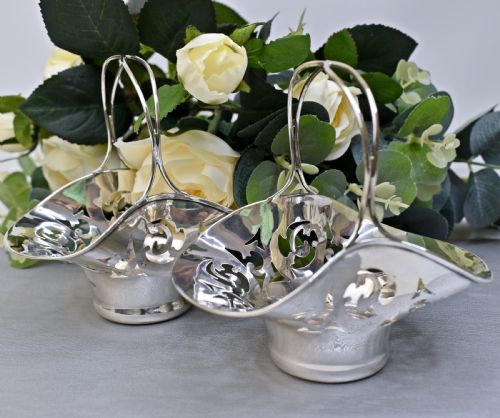


1920s Silver Dish
A 1920s silver dish brings the sharp geometry and crisp ornamentation of the interwar period directly onto a dressing table or dining sideboard.
1920s Silver Dish
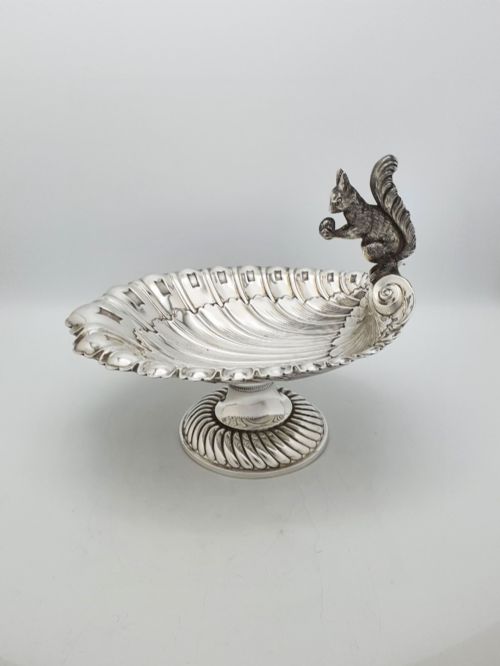
When you search for a 1920s silver dish, you encounter a diverse range of forms spanning open trinket receptacles, lidded boxes, shallow bonbon baskets, and substantial fruit bowls. These pieces bridge late Edwardian refinement and the emerging boldness of the interwar era.
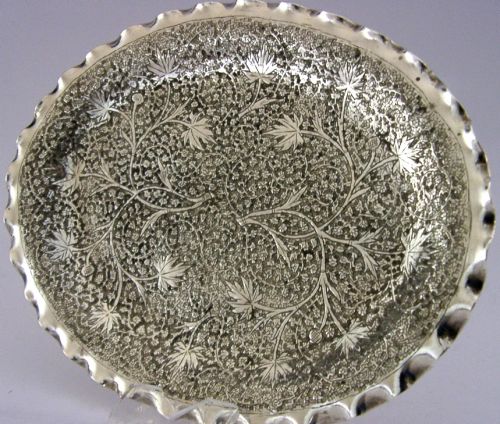
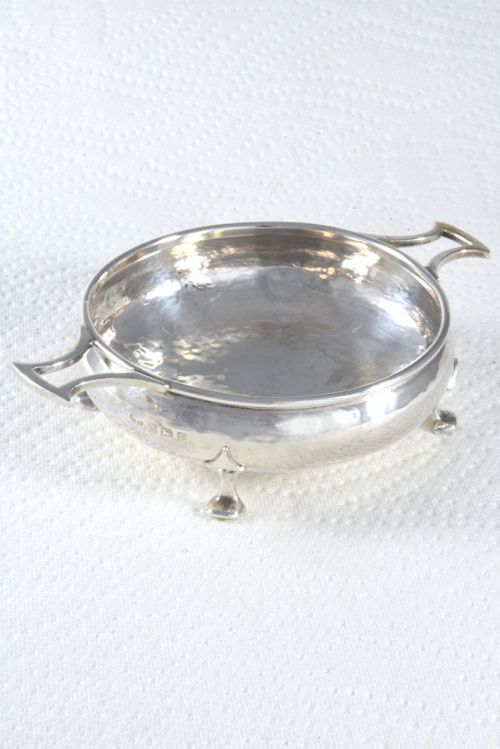
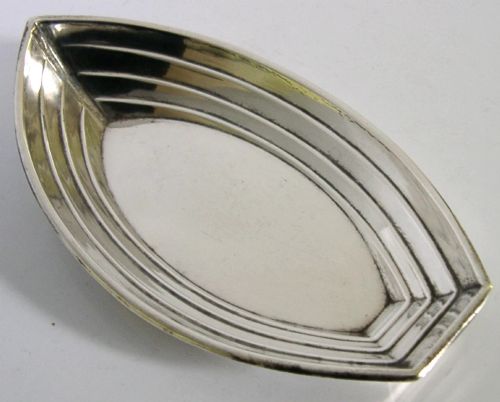
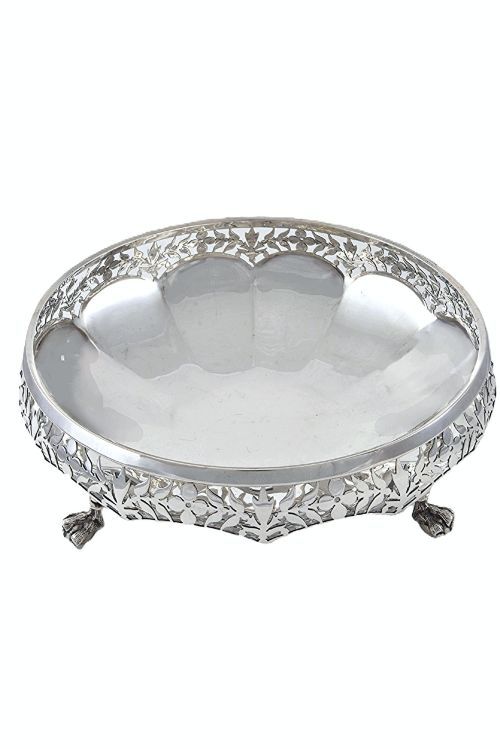
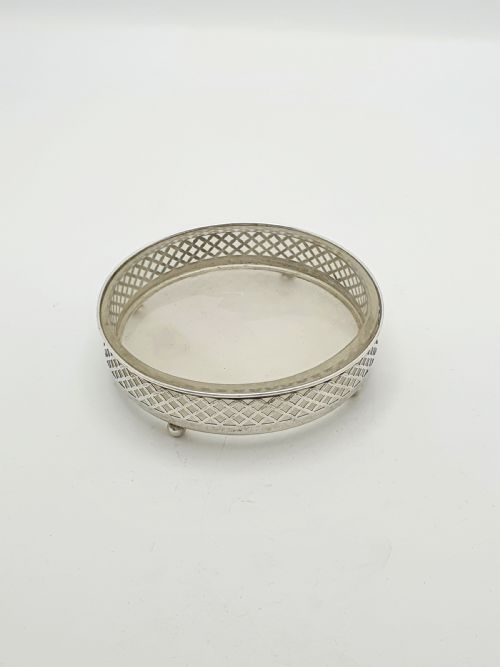
The most common examples on this page take the form of small sterling silver or silver-plated trinket dishes, often featuring pierced lattice work or integrated glass liners. Alongside these sit novelty vessels, such as rowing boat dishes and apple-shaped preserve pots.
Origins stretch beyond English workshops to include American sterling pieces, Scottish glass combinations, and continental European enamel work. Makers utilise diverse forms to serve both domestic dining functions and personal vanity uses.
How They Were Made
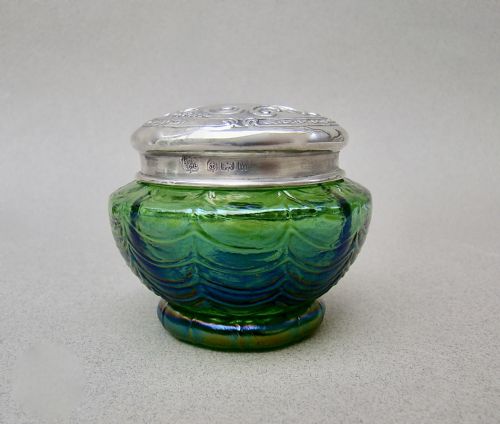
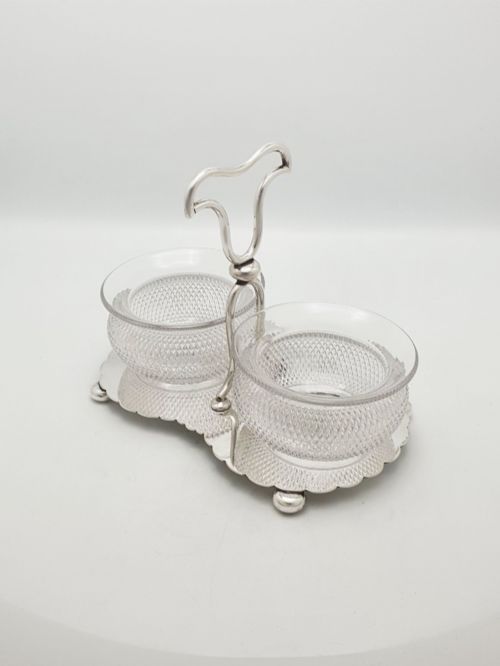
Silversmiths employed techniques such as piercing, hammering, and casting to shape sterling silver, solid silver, and silver-plated metal into defined geometric or organic silhouettes. Many items combine metalwork with other media, uniting silver mounts and lids with cut glass, cranberry glass, mirror glass, or rich blue and guilloche enamel.
Makers also integrated organic elements, pairing silver-plated frames with terracotta or incorporating tortoiseshell panels into lidded boxes. Workshops relied on precise craftsmanship to mount glass liners securely within pierced silver baskets and butter dishes.
Listings feature items from the 1910s, 1920s, and 1930s, encompassing Art Deco, Art Nouveau, and George V styles.
What Varies in Quality
Quality rests upon the weight of the metal and the precision of the decorative execution, distinguishing heavier solid silver or substantial sterling pieces from lighter plated alternatives. The integration of materials marks the distinction, as seen in the crispness of cut glass starbursts or the clean application of coloured enamel.
The reputation of the workshop also shapes the standing of a piece, with established names delivering superior finishing on handles, feet, and pierced lattice details. Preservation of fragile components, such as original glass liners and undamaged enamel panels, elevates the integrity of the object.
A. J. Pepper & Co·Hukin and Heath·WMF·Fenton Brothers·Walker & Hall·John Collyer·Wiskemann·Woodside Sterling Co
The 1920s Silver Dish Glossary
- Sterling Silver
- An alloy consisting of pure silver and other metals, usually copper, meeting a specific standard of purity. This material forms the primary body of many high-end domestic tablewares.
- Silver Plate
- A base metal coated with a thin layer of silver through electroplating or older manufacturing methods. This technique allowed workshops to produce decorative vessels at a more accessible cost.
- Pierced
- A decorative technique involving the cutting or piercing of metal to create openwork patterns and lattice designs. This method lightened the visual weight of baskets and bonbon dishes.
- Guilloche
- An intricate mechanical engraving technique that produces precise, repeating geometric patterns beneath a translucent layer of enamel. It frequently appears on small trinket boxes and trays.
- Taza
- A stemmed pedestal dish or shallow bowl used historically for serving fruit or sweets. Interwar silversmiths adapted this classical form into modern geometric profiles.
1920s Silver Dish: Frequently Asked Questions
How do I identify a 1920s piece?
Examine the object for hallmarks, maker stamps, and stylistic markers characteristic of the interwar period. Clean geometric lines, pierced lattice details, and specific assay office marks often confirm the date of manufacture.
Many items incorporate classic Art Deco motifs or George V stylistic elements that distinguish them from earlier Victorian or Edwardian tableware.
Are these dishes safe for food use?
Most solid silver and silver-plated receptacles function well for serving dry foods, sweets, or preserves. Pieces featuring glass liners or ceramic bodies accommodate condiments and fruit without direct contact with the metal.
Careful hand washing preserves the underlying plating and prevents damage to delicate enamel or glass components.
What is the difference between solid silver and silver plate?
Solid silver and sterling silver consist of precious metal throughout the entire structure of the object. Silver plate uses a base metal core covered by a thin external layer of silver.
Substantial weight and official hallmarks usually indicate solid metal, whereas plated items may reveal base metal beneath the surface where wear occurs.
How should I clean my silver dish?
Use a soft cloth and a specialised silver polish designed to remove tarnish without abrading the surface. Avoid harsh chemical dips, particularly on items featuring enamel, glass inserts, or tortoiseshell panels.
Store pieces in dry environments away from direct sunlight to maintain the lustre of the metal and protect vulnerable decorative inlays.