


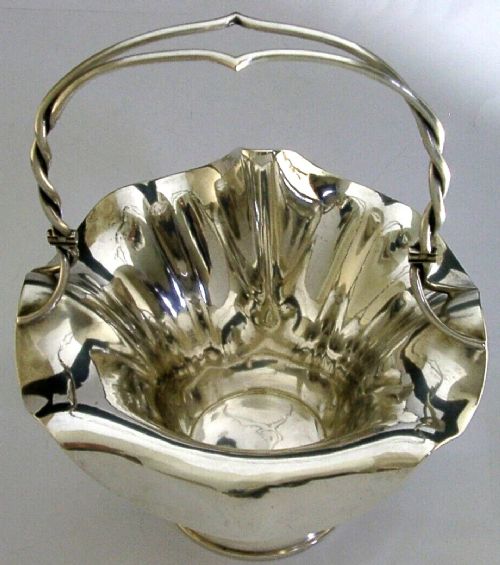
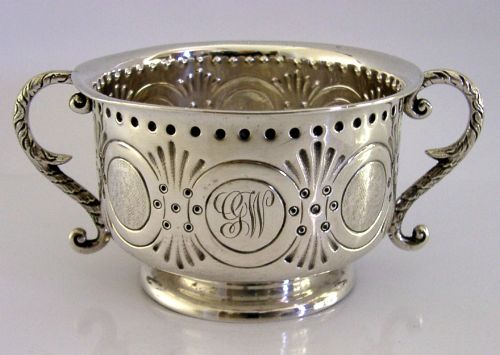
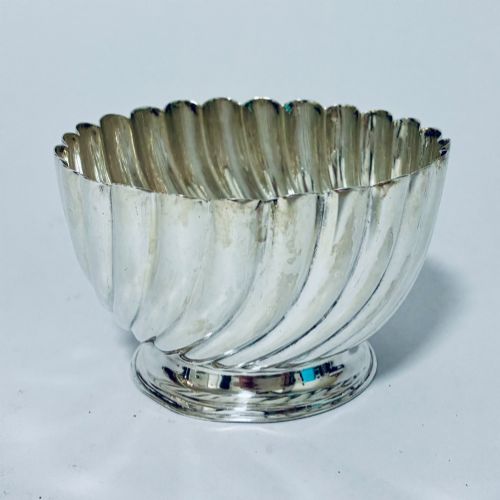
Vintage Sterling Silver Dish
When you search for a vintage sterling silver dish, you encounter an array of functional vessels that range from Edwardian baskets to Art Deco ashtrays.
Vintage Sterling Silver Dish
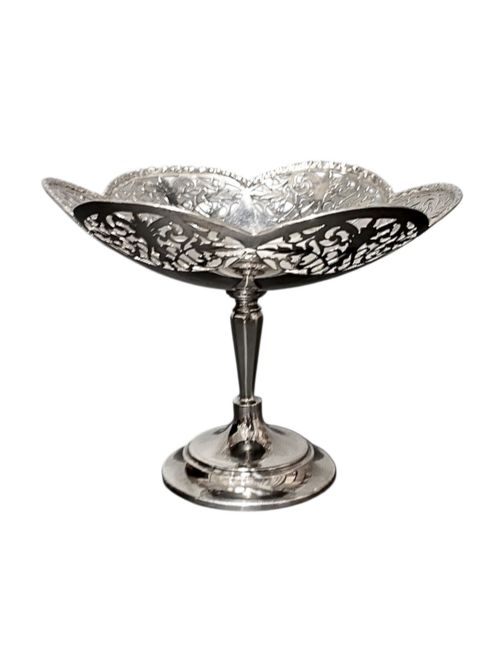
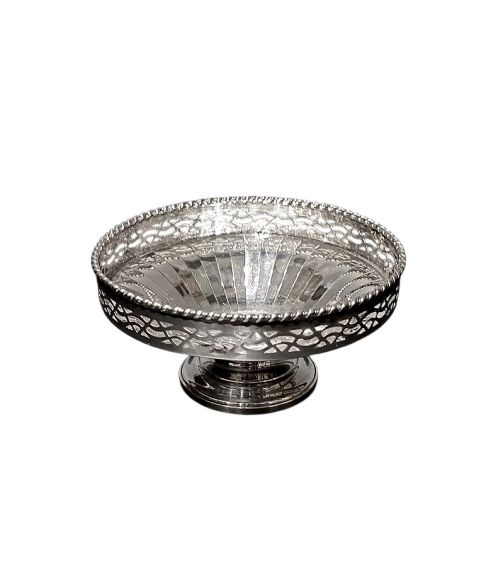
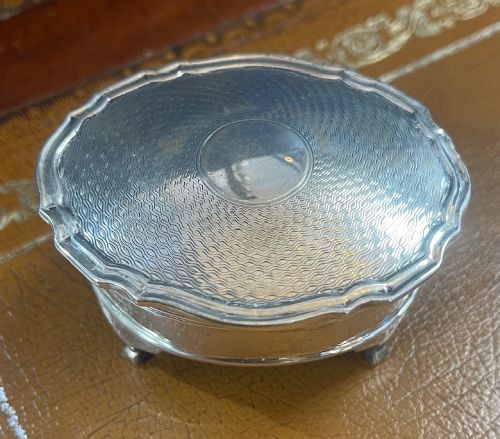
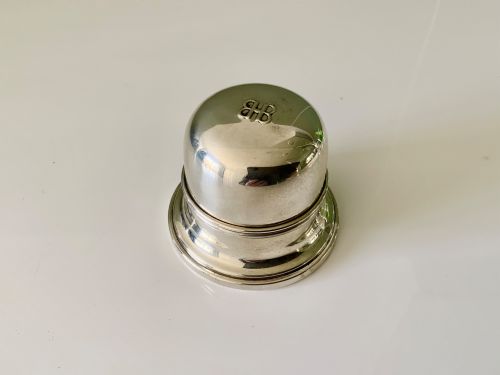
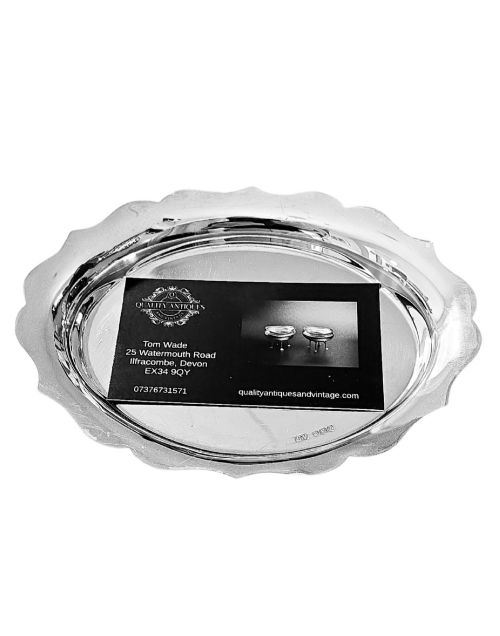
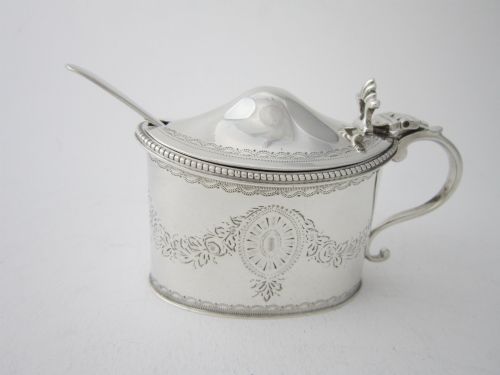
A vintage sterling silver dish encompasses a diverse selection of forms designed for domestic use, including small trinket boxes, sugar bowls, butter dishes, salt cellars, and decorative baskets. These items span multiple decades from the late nineteenth century through the mid-twentieth century, capturing periods such as Victorian, Edwardian, George V, and Art Deco.
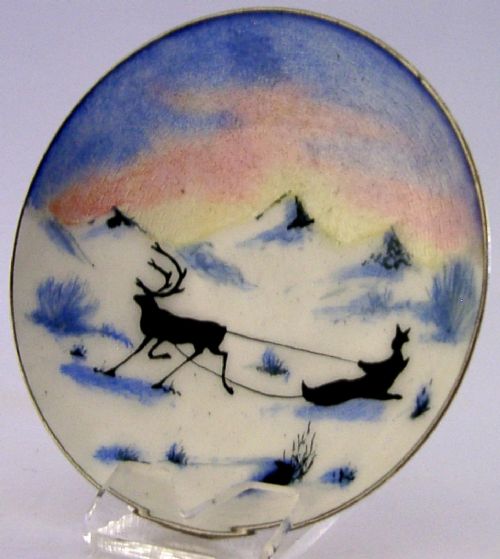
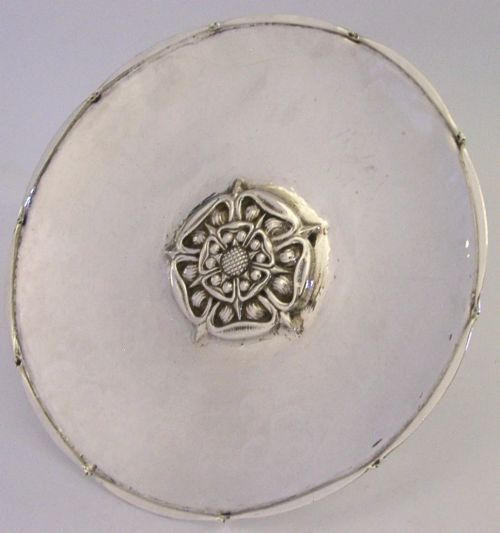
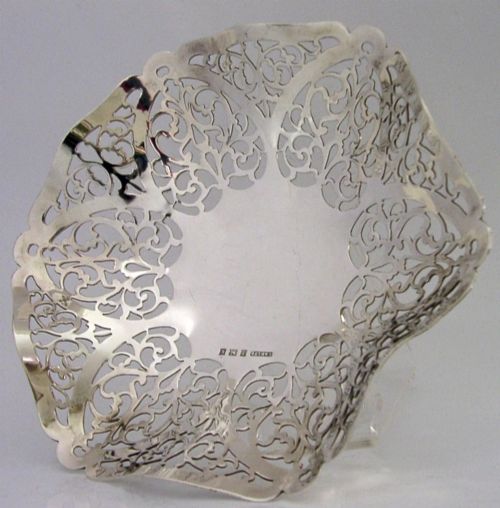
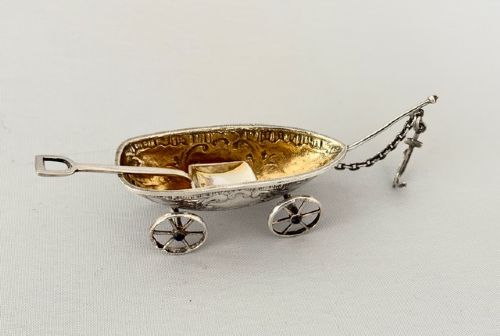
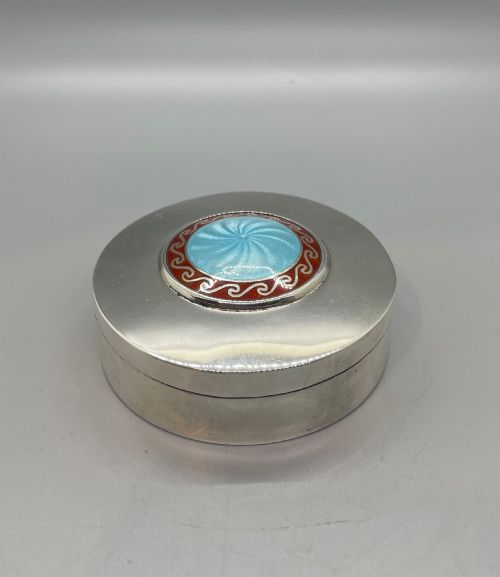
The most common versions encountered in this selection include Edwardian and George V silver baskets, lidded trinket boxes combining silver with glass or enamel, and various small dishes fashioned for butter or sweets. Forms range from simple pierced bowls to novelty rowing boat dishes and traditional quaichs.
Makers and origins vary across the inventory, featuring British assay offices alongside pieces from Norway, Sweden, America, and Hong Kong. Buyers frequently find functional items intended for vanity tables, dining tables, and desk storage.
What varies in quality
Quality differences emerge through the weight of the metal gauge and the complexity of the silversmithing technique, such as heavy hand-hammered surfaces versus lighter stamped metal. The precision of piercing work and the integration of secondary materials like enamel or Kralik glass also separate standard domestic items from superior studio productions.
The distinction between maker-attributed works from established firms and unmarked pieces influences the character of each vessel. Condition preservation of delicate elements like glass liners, internal silk linings, and applied surface details completes the hierarchy of quality.
Vintage Sterling Silver Dish Retail Price Guide 2026
Typical asking prices for vintage sterling silver dish among the pieces listed under this phrase on Sellingantiques today, from the lower quarter to the upper quarter. They describe what is for sale here now, not the wider market.
Among the functional vessels sits a novelty silver rowing boat dish complete with miniature oars, proving silversmiths rarely resisted a maritime joke.
A. J. Pepper & Co·Walker & Hall·William Neale·Georg Jensen·Goldsmiths and Silversmiths Company·A. Bromet & Co·Barnards·Lee Yee Hing·John Hunt
The Vintage Sterling Silver Dish Glossary
- Sterling silver
- An alloy containing 92.5 percent silver by mass and 7.5 percent other metals, usually copper. This standard composition underpins the majority of the tableware and decorative boxes found in these listings.
- Quaich
- A traditional shallow two-handled drinking vessel originating in Scotland. In later periods, silversmiths adapted this specific form into decorative small bowls and presentation dishes.
- Planishing
- A metalsmithing technique involving systematic light hammering with a polished flat hammer to smooth and shape a surface while leaving subtle texture marks. This method is heavily associated with Arts and Crafts silver.
- Tazza
- An Italian term for a small cup or chalice mounted on a stem and foot, used for serving small food items. Silversmiths often rendered these vessels in pierced or hammered silver.
- Salt cellar
- A small open vessel or lidded container used to hold table salt before the invention of modern salt shakers. Many antique examples feature blue glass liners.
Vintage Sterling Silver Dish: Frequently Asked Questions
How do I identify an Edwardian silver dish?
Edwardian pieces date from the reign of King Edward VII between 1901 and 1910, often displaying hallmarks that confirm the specific assay office and year. Stylistically, they frequently incorporate floral motifs, pierced scrollwork, and swing handles.
Many items from this period reflect graceful domestic traditions, including sweetmeat baskets and ring trees designed for the home.
Were butter dishes used at the table?
Butter dishes were functional dining table accessories designed to hold and present butter portions during formal meals. They frequently included fitted glass liners or matching covers to keep the butter cool and clean.
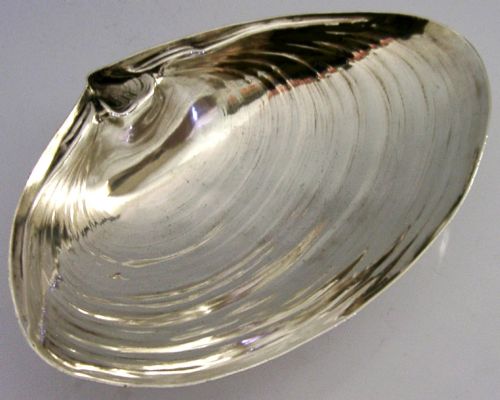
Examples from this inventory demonstrate how silversmiths elevated everyday dining items through shell forms and pierced gallery work.
What defines Art Deco silver?
Art Deco silver emerged during the interwar decades, characterised by geometric lines, streamlined forms, and reduced ornamentation. This aesthetic moved away from Victorian and Edwardian floridity towards modern industrial influences.
Ashtrays, pill boxes, and jars from this era showcase the clean profiles and functional geometry typical of the movement.