


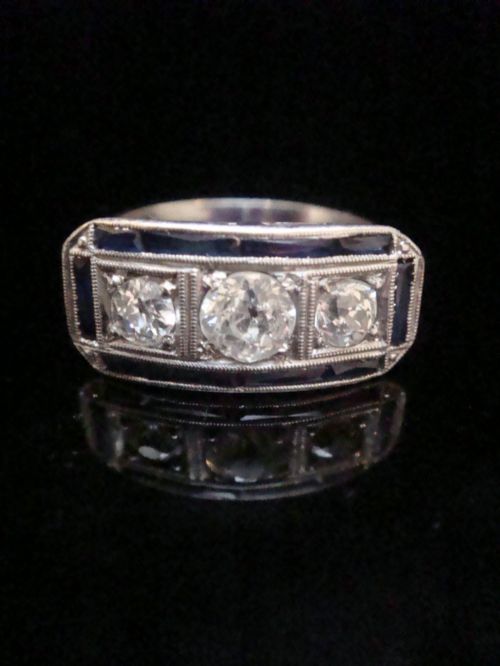

1920s Platinum Diamond Ring
A 1920s platinum diamond ring delivers the geometric elegance and enduring sparkle of the Art Deco period.
The Nature of the 1920s Platinum Diamond Ring
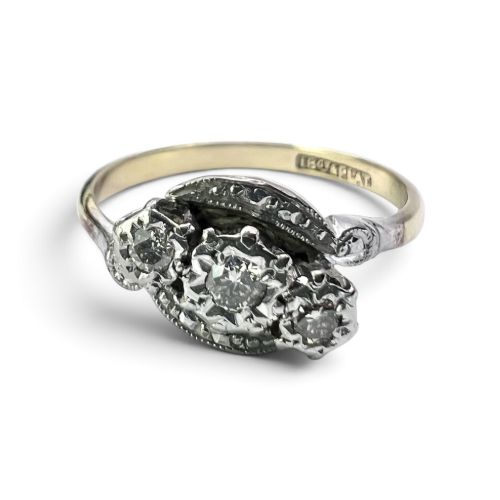
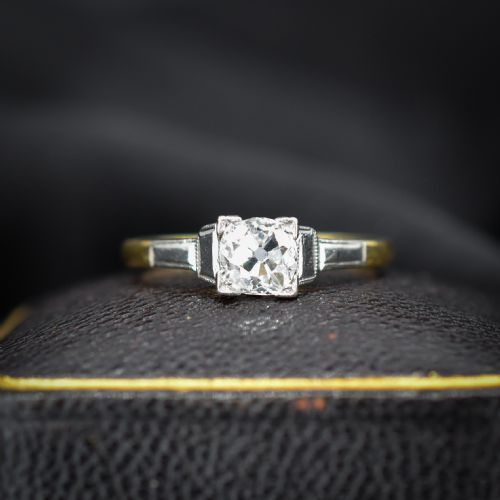
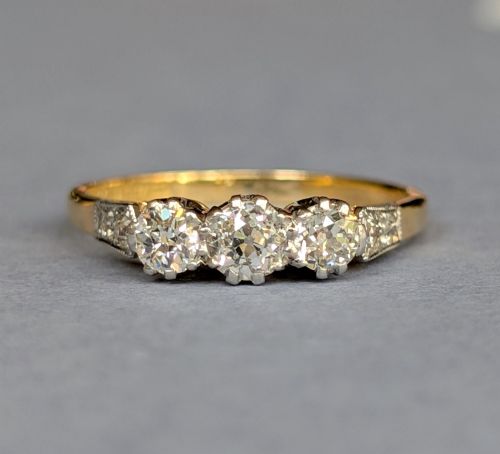
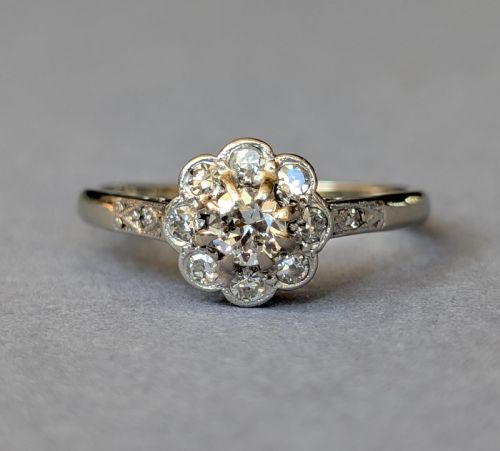
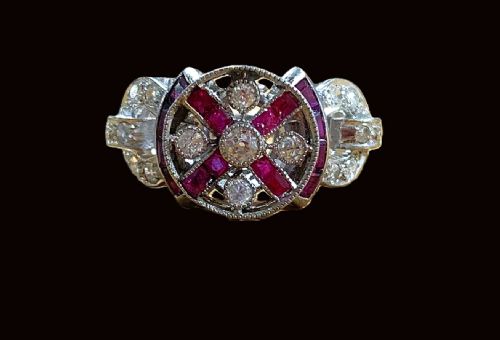
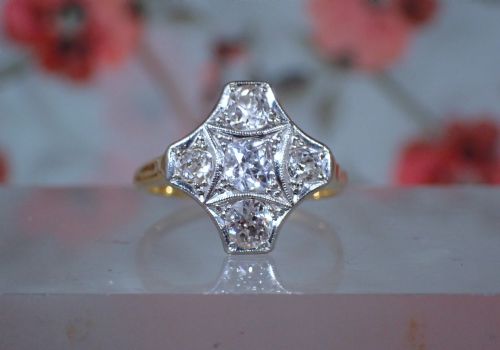
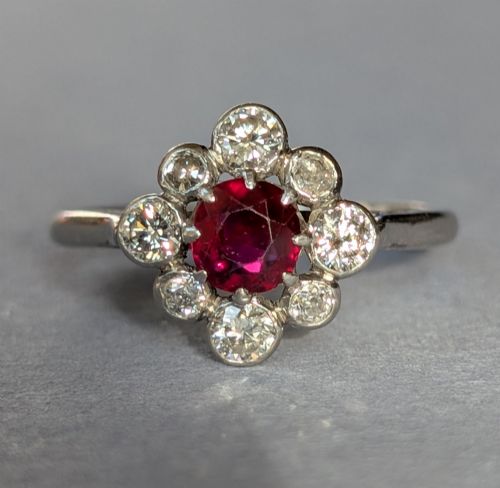
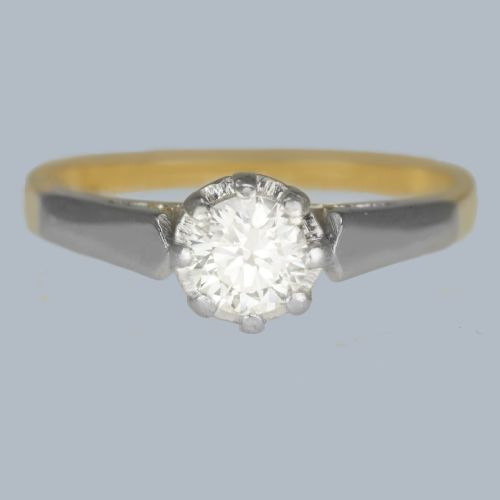
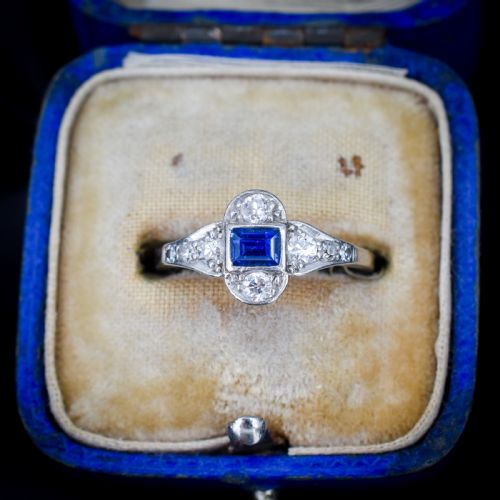
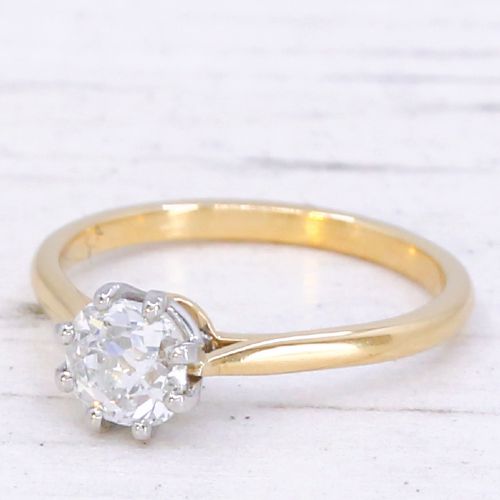
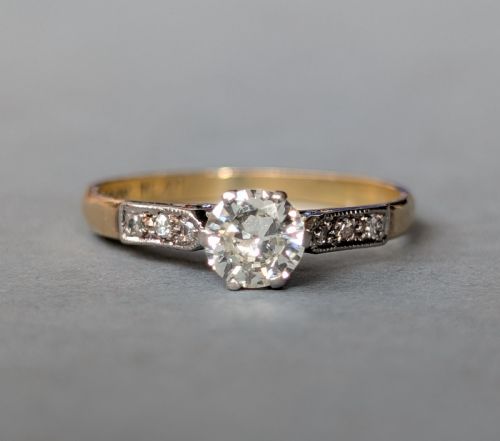
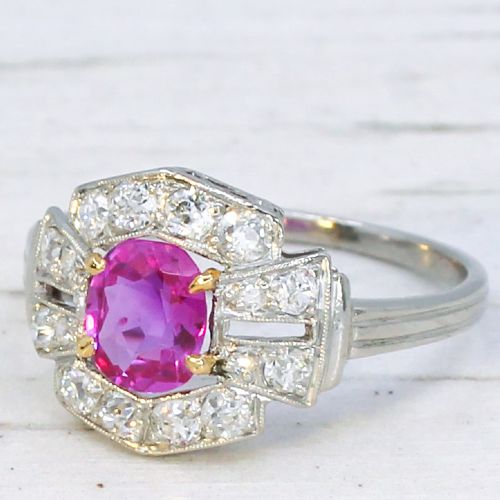
A 1920s platinum diamond ring embodies the distinctive geometric spirit of the Art Deco period, capturing a clean and modern aesthetic that discarded Victorian fussiness. These rings range from simple solitaire and five-stone engagement settings to elaborate cluster, daisy, bombé, and panel designs.
The material combination most frequently encountered pairs bright white platinum settings with either solid platinum shanks or 18ct white gold and yellow gold bands. Alongside diamonds, jewellers of this decade frequently incorporated calibre-cut sapphires, emeralds, rubies, jadeite, aquamarine, and blue zircon into the compositions.
Manufacturing and Materials
Platinum emerged as the preferred metal of the era because its strength allowed artisans to fashion exceptionally delicate, lace-like settings without risking structural integrity. Diamonds in these pieces typically display old European or old mine cuts, featuring smaller tables and deeper pavilions that catch candlelight with a softer gleam than modern brilliant cuts.
Goldsmiths utilised durable platinum-topped 18ct gold construction methods, mounting stones in white metal to maximise their perceived brightness while retaining the warmth of gold bands. Complex piercing, millegrain edging, and pavé setting techniques created textured surfaces that glittered from every angle.
Retail Price Guide 2026
Typical UK retail prices for 1920s platinum diamond ring, calculated from the Sellingantiques database of over a million retail prices indexed since 2003. This retail price guide relies exclusively on Sellingantiques data; no external sources or auction records are used, so the figures do not describe the wider market.
One historical maker recorded here is H Samuel, proving that even high street giants offered diamond platinum daisy rings during the Empire's roaring twenties.
Distinctions in Quality
Quality rests in the precision of the handwork and the architectural harmony of the design rather than sheer carat weight alone. Superior examples display crisp millegrain beadwork, perfectly matched calibre-cut coloured gemstones, and bezels that hug the stones without excess metal.
Mastery shows in how well the platinumwork holds up to daily wear, maintaining rigid geometry and secure stone retention over a century later. Finer pieces balance substantial central old-cut diamonds with balanced secondary stones that contribute to a cohesive silhouette.
The 1920s Platinum Diamond Ring Glossary
- Art Deco
- The dominant design style of the 1920s characterised by symmetry, geometric lines, and streamlined abstraction. It replaced flowing organic curves with rigorous straight lines and chevrons.
- Millegrain
- A decorative technique involving a row of tiny raised metal beads along the edges of a setting. This softens the metal outline and frames the stones with delicate texture.
- Bombé
- A ring style featuring a strongly domed, rounded profile resembling a dome or bulb. These sculptural mounts pack multiple diamonds and gemstones into a prominent, three-dimensional shape.
- Trilogy
- A ring configuration set with three stones, often signifying the past, present, and future. In this period, they utilise old-cut diamonds mounted in platinum.
Frequently Asked Questions
How do I wear a 1920s platinum diamond ring safely?
These antique rings require mindful care due to their delicate millegrain edges and fine platinum settings. Remove them during heavy manual tasks to protect the original mountings and secure stone settings.
Store each piece individually in a lined box to prevent metal-on-metal abrasion. Periodic checks by a specialist ensure the old-cut diamonds remain firmly anchored in their historical mountings.
What defines Art Deco ring design?
Art Deco design relies on strict geometric discipline, featuring squares, rectangles, triangles, and sunburst motifs. Jewellers utilised contrasting materials like platinum and yellow gold to accentuate architectural lines.
This aesthetic rejected nineteenth-century naturalism in favour of clean industrial symmetry. The resulting rings offer a distinct, low-profile silhouette that sits comfortably against the finger.
Are these rings suitable for modern engagements?
These historic rings make exceptional engagement tokens for those who appreciate individual craftsmanship and historical character. Their robust platinum construction was originally engineered for daily wear.
Buyers should verify ring sizes carefully, as resizing antique geometric panel rings requires skilled handling to preserve side engravings and millegrain work. Many pieces accommodate resizing by a professional jeweller.
What diamond cuts appear from this period?
Old European cuts and old mine cuts dominate jewellery from this decade. These stones were hand-faceted under candlelight, resulting in distinctive proportions and deeper culets.
Unlike modern stones engineered for maximum clinical brilliance, these antique diamonds display a gentle, warm scintillation. This historic cut gives each ring a unique optical personality.