
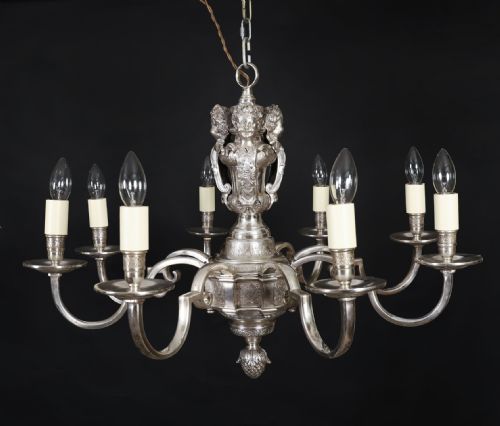


1920s Pendant Lamp
These 1920s pendant lamp fixtures bring genuine period character to a room, offering functional illumination through striking historic design.
1920s Pendant Lamp
A 1920s pendant lamp search reveals a diverse mix of ceiling-hung fixtures spanning multiple aesthetic movements from the early twentieth century. Most examples date from the nineteen-twenties and nineteen-thirties, frequently incorporating Edwardian influences alongside emerging modern designs.
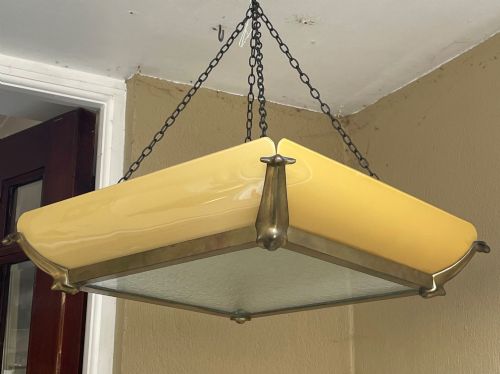
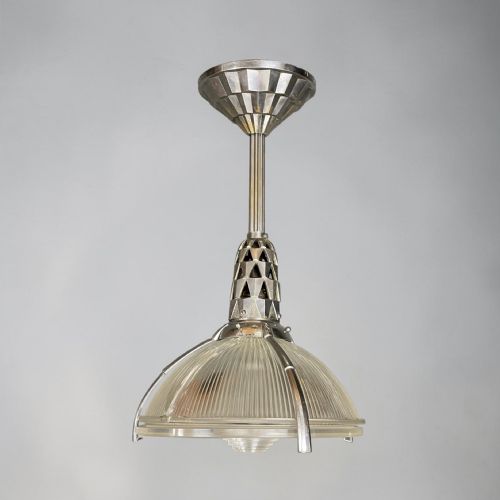
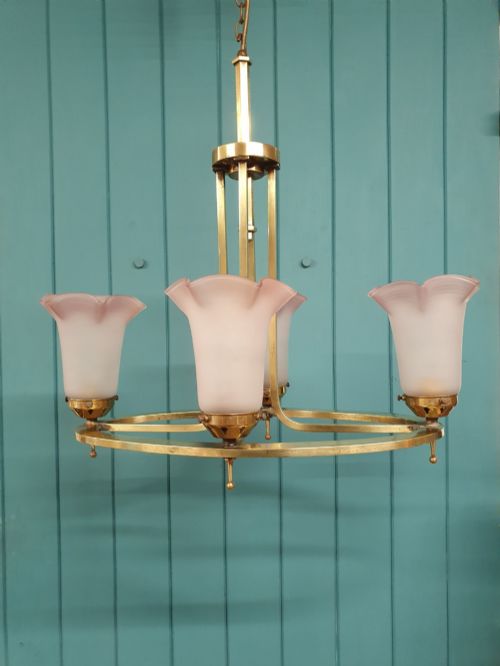
The selection ranges from single-bulb glass shades to substantial multi-armed chandeliers and hanging lanterns suitable for halls. Art Deco forms dominate the choices, alongside industrial metal fittings, frosted glass bowls, and elaborate crystal or cut-glass configurations.
Buyers encounter varied regional styles, including French Chateau aesthetics, Dutch Baroque revivals, Moroccan revival lanterns, and Swedish carved alabaster bowls. These diverse forms reflect the eclectic interior tastes of the era, moving away from heavy Victorian ornamentation towards cleaner geometric lines.
Materials and construction methods
Makers utilised a combination of cast metals and worked glass to create these hanging fixtures. Brass, copper, chrome, silver plating, gilt bronze, and cast iron provide the structural frameworks and suspension arms.
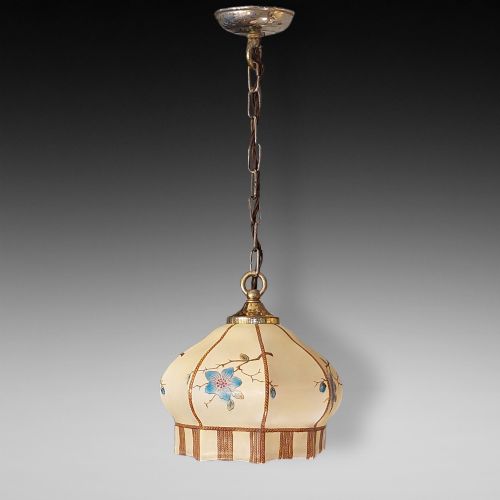
Shades and diffusers display remarkable variety, formed from frosted glass, opaque glass, hand-painted panels, mercury mirrored glass, carved alabaster, and faceted crystal drops.
Construction techniques include traditional metal casting for acanthus leaf mounts, blacksmith forging for iron hall lanterns, and precision cutting for crystal drops. Hand-painted glass and delicate beadwork demonstrate the artisanal attention given to decorative components.
Some fixtures required up to forty-one separate lights, ensuring that ballroom guests could admire their outfits under glorious illumination.
Distinguishing exceptional craftsmanship
Quality in these lighting fixtures rests on the weight and purity of the materials, from heavy cast brass and bronze to thick, unblemished alabaster and crystal. Superior pieces employ substantial metal framing that maintains structural rigidity across multi-branched chandeliers or large glass bowls.
The fineness of decorative detail separates standard production from exceptional work. Cast metal mounts featuring crisp, deep-relief foliage like acanthus leaves demonstrate superior tooling compared to soft, indistinct castings.
Glass selection and treatment dictate visual sophistication. Hand-painted motifs, precise hand-cut facets on crystal drops, and even silvering on mercury glass show the maker's dedication to quality optics and reflection.
Émile-Jacques Ruhlmann
The 1920s Pendant Lamp Glossary
- Art Deco
- A design style characterised by sleek geometric shapes, streamlined forms, and stylised motifs that gained popularity during the 1920s and 1930s. This aesthetic heavily influences the majority of shades and frames found in this category.
- Alabaster
- A fine-grained, translucent stone carved into bowls and shades for ceiling lights. It diffuses light softly and showcases natural mineral veining.
- Mercury Glass
- Double-walled blown glass coated on the inner surface with a silvering mixture to create a reflective, mirrored finish. It produces a warm, shimmering glow when illuminated.
- Chandelier
- A branched, decorative ceiling fixture designed to hold multiple light bulbs or candles. Examples range from modest brass branches to large crystal-laden fixtures.
- Cut Glass
- Glass shaped and patterned by grinding facets into the surface using a wheel. This technique enhances the sparkle and light refraction of shades and hanging drops.
1920s Pendant Lamp: Frequently Asked Questions
How do I choose the right size for a room?
Consider both the ceiling height and the floor area of your space when selecting a hanging fixture. Larger multi-armed chandeliers and multi-light fixtures require adequate clearance and substantial proportions to look balanced.
Smaller single-bulb pendant lights and hall lanterns suit compact vestibules or lower ceilings where extended drop lengths would obstruct movement.
Can these antique lights be wired for modern use?
Most historic ceiling fixtures accept contemporary electrical wiring and standard modern bulbs with appropriate adaptation by a qualified professional. Rewiring ensures safe operation while preserving the original metalwork and glass components.
It is advisable to have an electrician inspect the internal fittings and suspension points prior to installation in your home.
How do I clean frosted and cut glass shades?
Remove delicate glass shades from the metal frame whenever possible to clean them safely with mild soapy water and a soft cloth. Avoid harsh chemical cleaners that might damage historic finishes or hand-painted details.
Dry the glass thoroughly before reattaching it to the brass, copper, or chrome suspension hardware.