




1920s Mahogany Table
A 1920s mahogany table brings solid construction and rich grain into a room, offering both practical surface space and period character.
1920s Mahogany Table
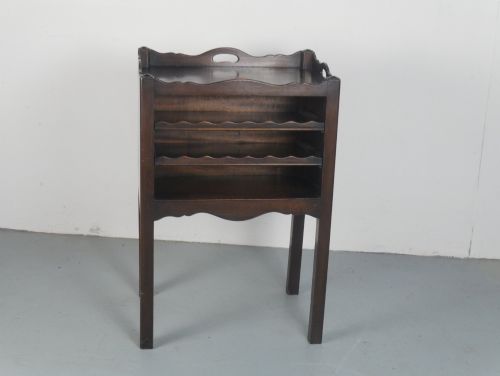
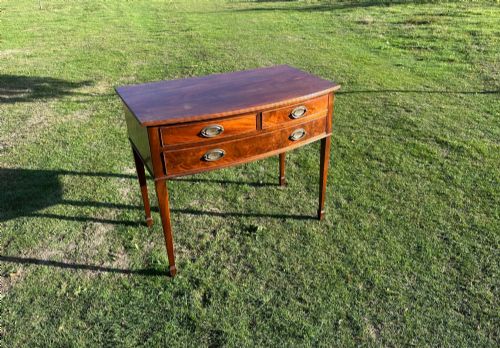
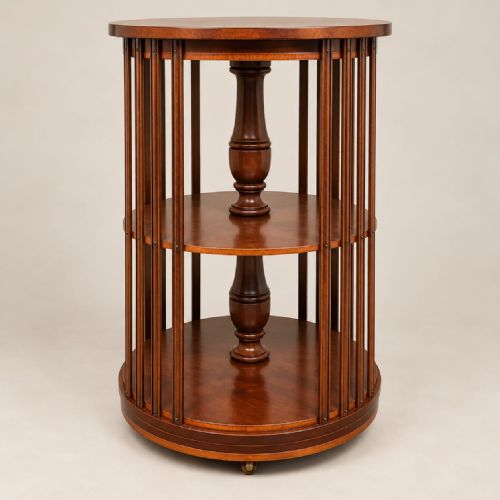
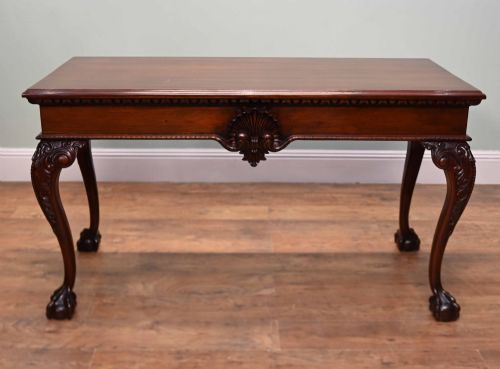
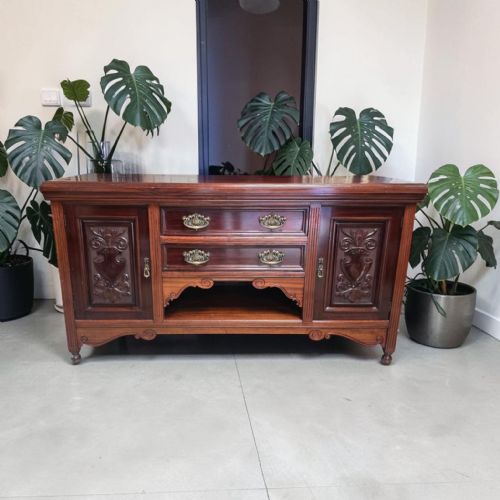
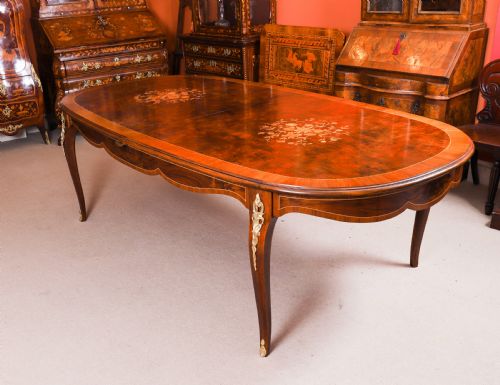
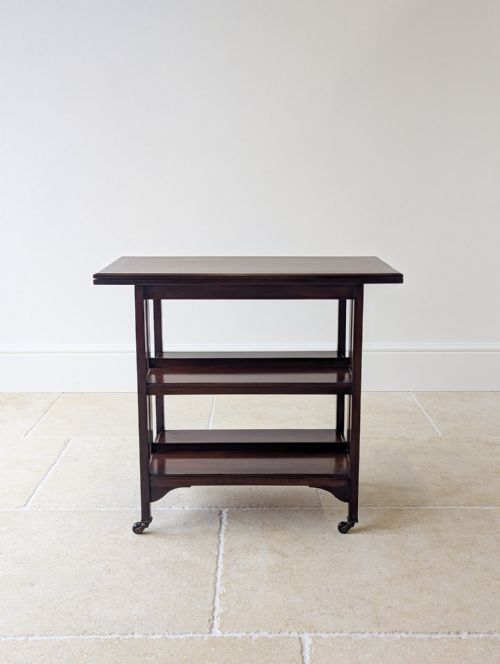
When you search for a 1920s mahogany table, you encounter a diverse array of forms spanning dining tables, occasional pieces, side tables, and games tables produced during the 1920 and 1930 periods. These pieces range from substantial French Louis Revival dining formats with ormolu mounts to compact bedside and wine tables.
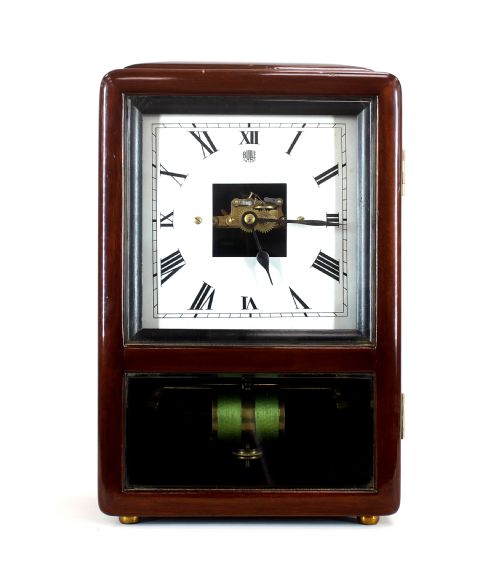
The selections on this page demonstrate the strong influence of earlier aesthetics, featuring Edwardian Revival, Queen Anne Revival, Georgian style, and Neoclassical revival designs alongside French Art Deco expressions. This mixture reflects a period where makers frequently drew upon historical vocabularies while maintaining early 20th-century craftsmanship.
What varies in quality
The distinction between standard examples and top-tier pieces rests on the handling of secondary materials, such as heavy cast ormolu mounts, fine brass inlay, and integrated marble tops.
Quality also shows in the ambition of the revival style applied, distinguishing straightforward domestic furniture from elaborate French Louis or Neoclassical interpretations.
1920s Mahogany Table Retail Price Guide 2026
Typical asking prices for 1920s mahogany table among the pieces listed under this phrase on Sellingantiques today, from the lower quarter to the upper quarter. They describe what is for sale here now, not the wider market.
The site records various forms from this era, including nests of tables, occasional tables, and games tables.
M. D. Miller & Sons
The 1920s Mahogany Table Glossary
- Mahogany
- A durable tropical hardwood prized for its deep reddish-brown colour and stable grain. It serves as the primary structural and visual material across these listings.
- Ormolu
- Gilded bronze ornamentation applied to furniture mounts. This technique adds metallic highlights often found on French revival pieces.
- Drop leaf
- A table design featuring hinged flaps that fold down to save space or lift up to extend the surface. This mechanism appears on tea and Pembroke tables.
- Bijouterie
- A glass-topped display table intended for small valuables and curiosities. These pieces combine timber frames with glazed viewing areas.
1920s Mahogany Table: Frequently Asked Questions
What styles are common in 1920s mahogany tables?
The listings show a heavy reliance on revival styles, including Georgian, Queen Anne, Louis XV, and Neoclassical designs. French Art Deco also appears in later 1930 pieces.
These stylistic choices mean tables often feature historical motifs applied to early 20th-century forms.
How were folding 1920s tables used?
Games tables and drop leaf tables provided flexible surfaces for dining, writing, or card games in homes with varied spatial needs. Mechanisms like double fold-over tops allowed furniture to transform quickly.
Such adaptability made them practical for entertaining guests in smaller sitting rooms.
What materials accompany mahogany on these tables?
Makers frequently combined mahogany with brass inlay, glass panels, marble tops, and ormolu mounts. Burr walnut also appears alongside the primary timber on cabinet pieces.
These secondary materials defined the decorative character of revival and Art Deco examples.
How do I identify a revival style?
Revival pieces adopt the proportions, leg shapes, and decorative carving of earlier centuries while utilising early 20th-century construction methods. Details like Chippendale-inspired legs or Georgian drop leaves point to these historical nods.
Comparing the silhouette to authentic older furniture reveals the modern production date.