



1920s Gold Watch
When you handle a 1920s gold watch, you touch an era where precision movement met bold geometric styling.
1920s Gold Watch
A 1920s gold watch encompasses pocket watches, wristwatches, and cocktail timepieces originating from the 1920 and 1930 periods. These items reflect the dominant Art Deco style alongside early twentieth-century design sensibilities.
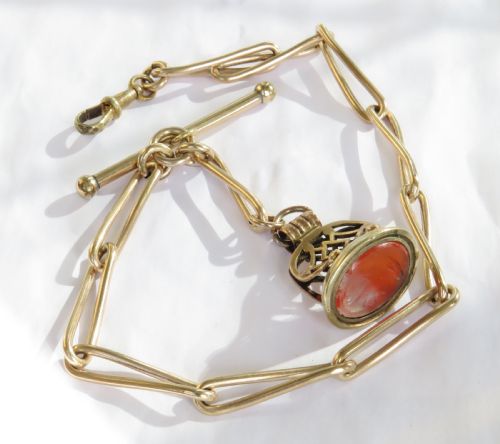
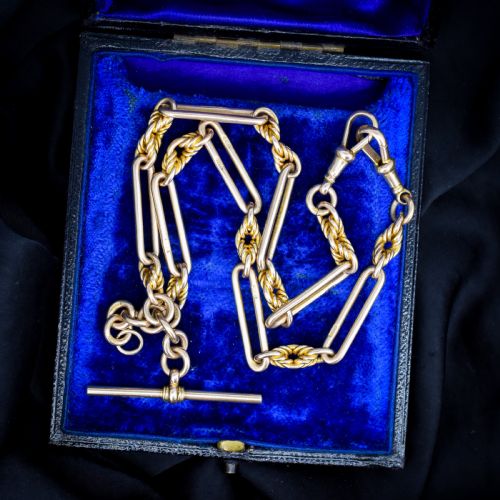
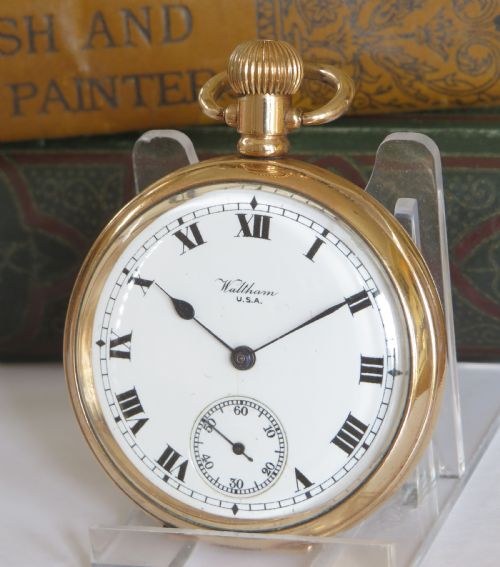
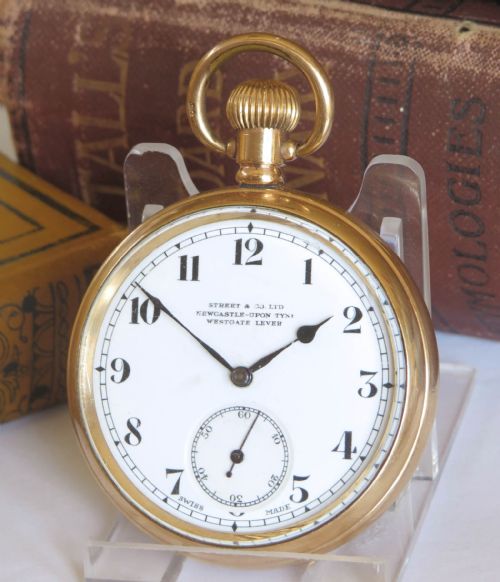
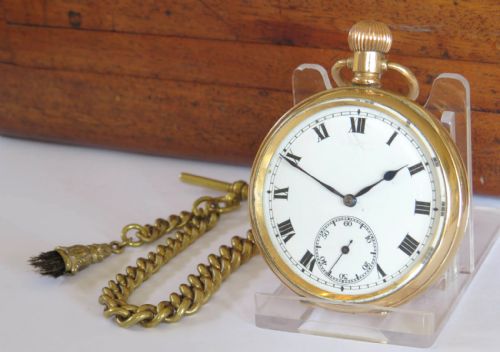
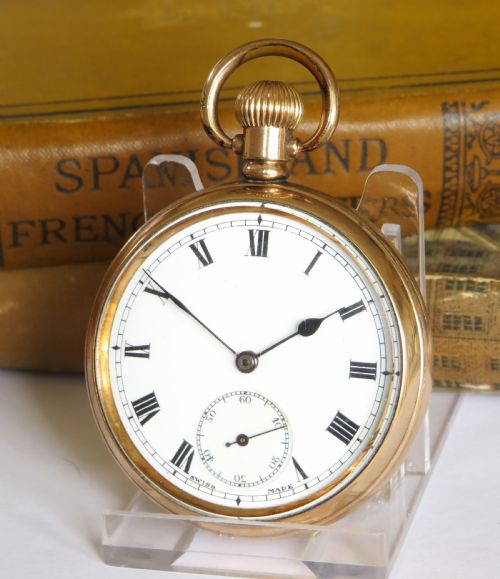
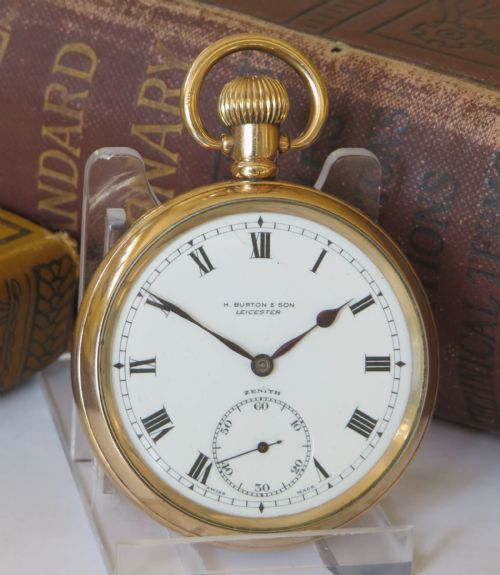
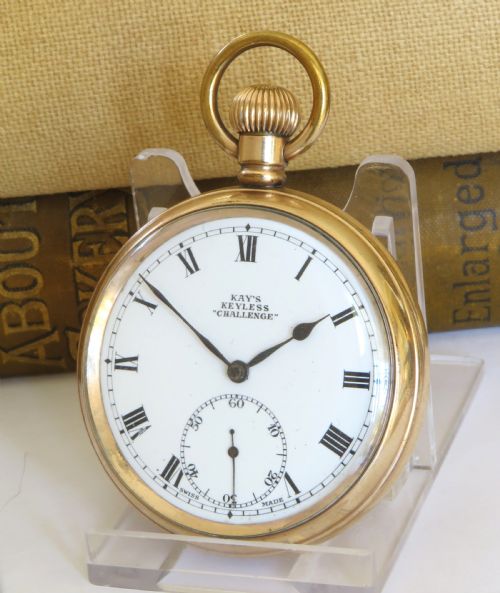
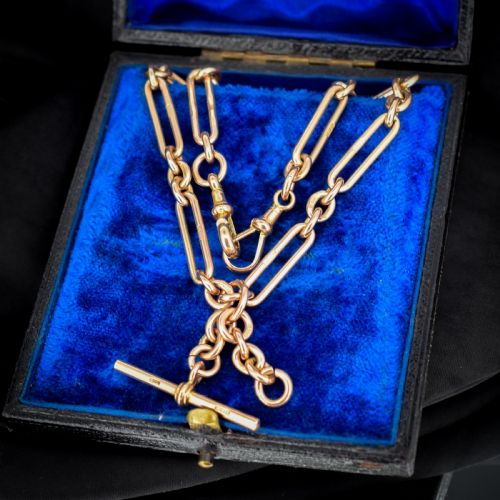
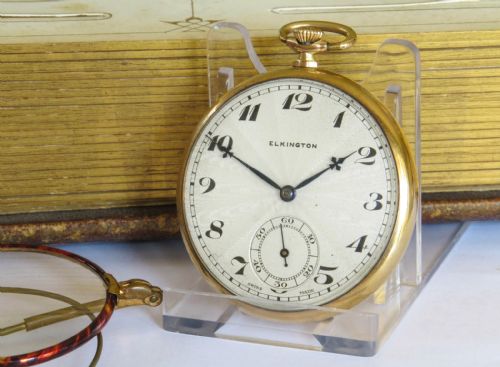
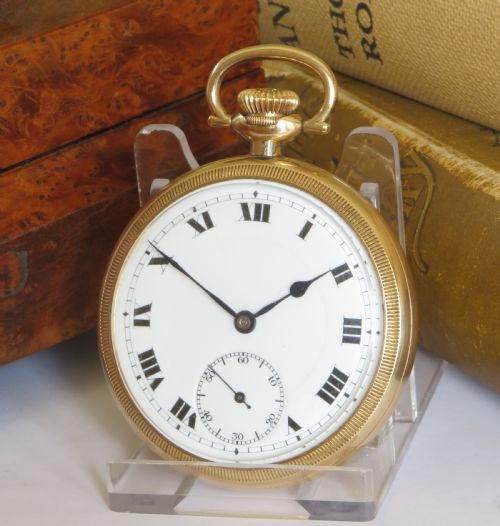
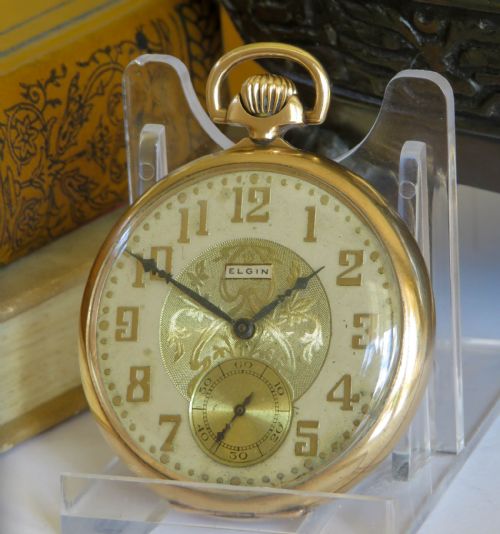
The selections recorded here include open-faced pocket watches, half hunters, full hunters, and wristwatches paired with albert chains or mesh bracelets. Buyers frequently encounter gold plated and rolled gold examples alongside solid 9ct and 14ct gold pieces.
Makers and distributors such as Waltham, Tavannes, and Limit dominate the historical and current inventory records. These pieces served practical daily timekeeping functions and decorative roles for both gentlemen and ladies.
Materials and construction methods
Watchmakers utilised solid gold, gold plate, rolled gold, and white gold, often pairing metal cases with glass dials and leather straps or metal chains. Enamel accents and diamond settings appear on specific cocktail watch variants.
Movements relied on stem winding mechanisms and internal components housed within cushion cases or hunter pocket watch configurations. Engine turning techniques provided exterior surface patterns on metal and gold surfaces.
Owners could measure their social standing simply by the length and link complexity of the albert chain dangling from their waistcoat.
Distinctions in craftsmanship
Quality differences emerge through the choice of casing material, moving from gold plated variants to solid 9ct, 14ct, and platinum constructions. The presence of precious stones like diamonds on cocktail watches elevates the manufacturing tier.
The complexity and origin of the internal movement, such as Swiss production versus local English plating, mark the distinction between standard utilitarian timepieces and higher grade articles.
Waltham·Minerva·Zenith·Elgin·Tavannes·Bucherer·Benrus
The 1920s Gold Watch Glossary
- Albert chain
- A chain used to secure a pocket watch to a waistcoat, often featuring trombone or love knot links.
- Half hunter
- A pocket watch featuring a case with a glass or open centre panel on the front cover, allowing time reading without opening the case.
- Cocktail watch
- A small ladies watch designed primarily for evening wear, frequently styled with diamonds and precious metal mesh bracelets.
- Rolled gold
- A material formed by bonding a thin sheet of gold to a base metal core, offering durability distinct from simple plating.
- Stem winding
- A mechanism that allows the watch to be wound via the crown rather than a separate key.
1920s Gold Watch: Frequently Asked Questions
What is an open faced pocket watch?
An open faced pocket watch lacks a protective metal cover over the glass dial. This design allows the wearer to check the time immediately without opening a case.
Such pieces were standard for everyday utility during the period and frequently paired with albert chains.
What distinguishes rolled gold from solid gold?
Rolled gold involves mechanically fusing a layer of gold to a base metal substrate under heat and pressure. This creates a durable layer thicker than standard electroplating.
Solid gold pieces consist of precious metal throughout their entire structure, marked by specific carat stamps like 9ct or 14ct.
How were these watches worn daily?
Pocket variants were secured inside waistcoat or jacket pockets using attached chains or t-bars. Wristwatches utilised leather straps or metal mesh bracelets fastened securely around the arm.
Cocktail watches served primarily as formal evening accessories for women, functioning as both jewellery and timekeeper.