




1920s Glazed Display Cabinet
A 1920s glazed display cabinet brings period charm and visible storage to a room through glass doors and fitted shelving.
1920s Glazed Display Cabinet
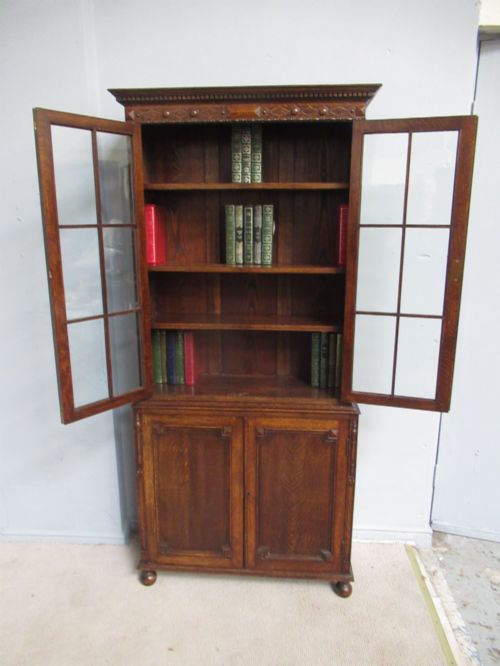
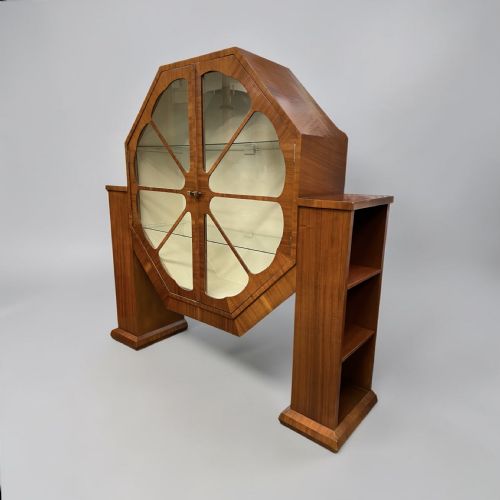
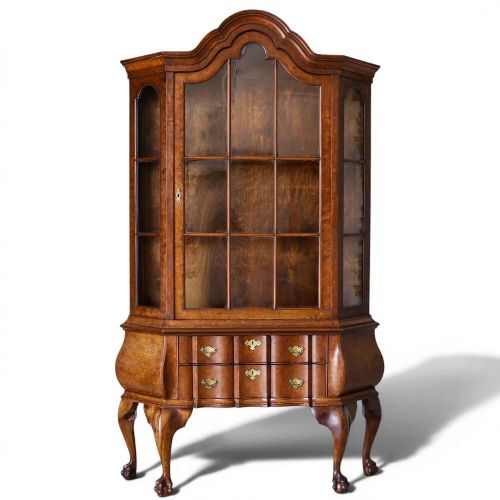
A 1920s glazed display cabinet encompasses tall freestanding bookcases, countertop cases, drinks cabinets, and shop fittings designed to showcase objects behind glass. Buyers searching this phrase encounter pieces spanning the 1910s to the 1930s, reflecting Edwardian persistence alongside Art Deco and revival styles.
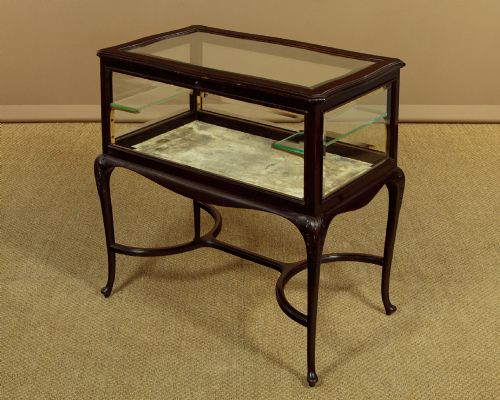
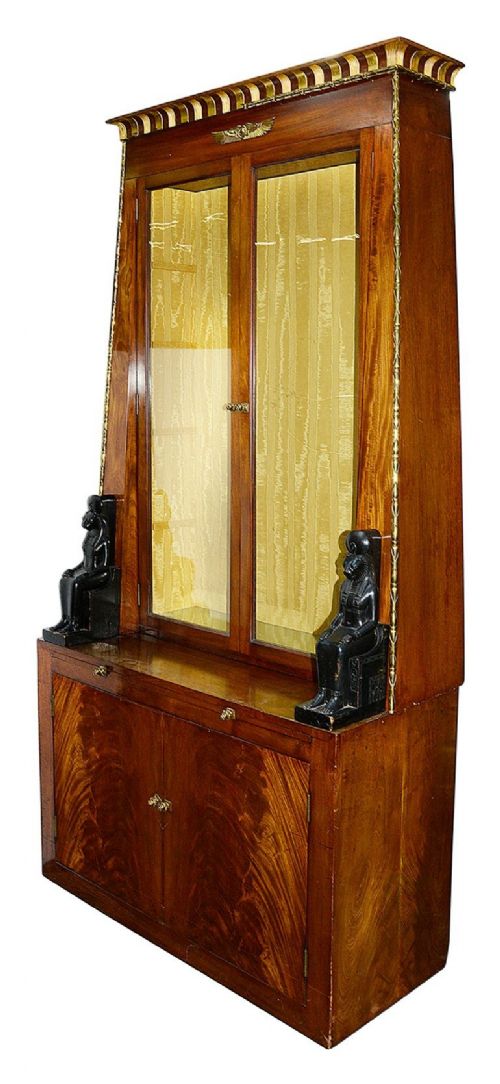
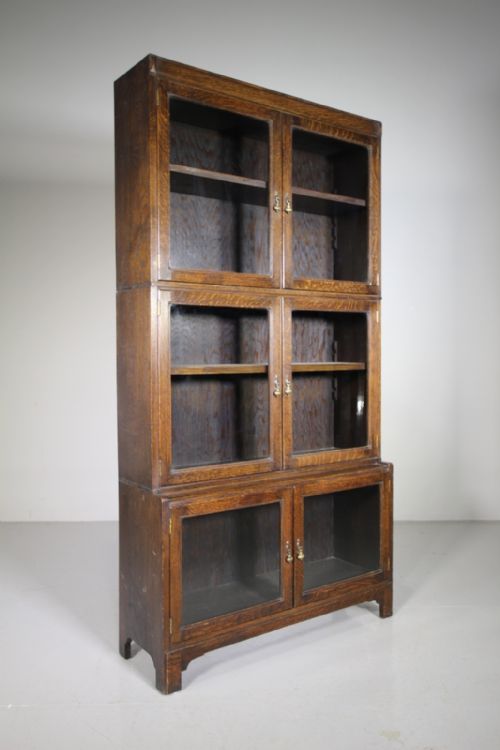
The most common examples on this page are upright oak and walnut bookcases with glazed upper sections, alongside ebonised wood or mahogany countertop and tower cabinets originally built for commercial or domestic display.
Materials and Construction
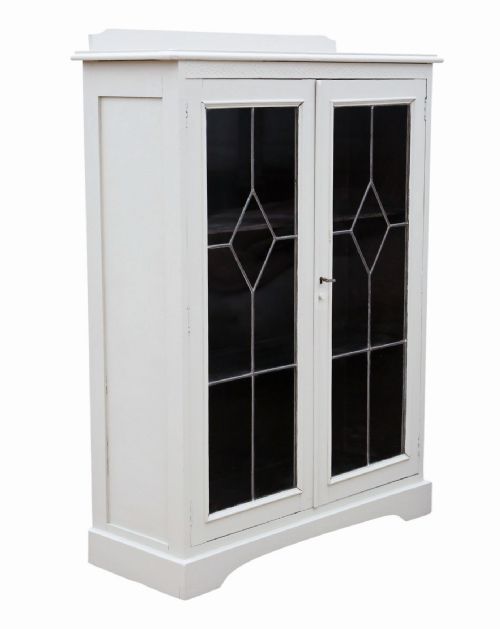
Makers utilised solid oak, walnut, and mahogany, frequently applying walnut veneers or ebonised finishes to the exterior surfaces of the cabinets. Glass panes form the fronts and sides, held in place by wooden glazing bars or lead came.
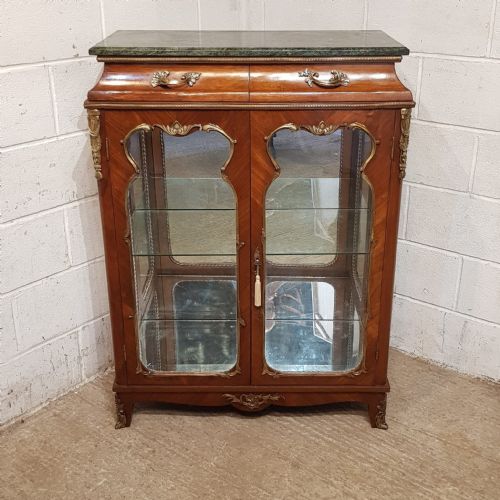
Metal mounts in brass and gilt metal appear regularly on revival and Art Deco pieces, while interior shelves rest on timber supports or adjustable racks within the main carcass.
An apothecary once stored remedies behind the glass where your collection now sits.
Execution and Detail
Quality rests in the precision of the cabinetwork, from the tight mitres of the glazing bars to the thickness of the timber veneers selected for the doors and panels. Better examples display careful grain matching and robust internal construction that prevents warping across wide door frames.
The integration of metal mounts, brass fittings, and leaded glass indicates the level of ambition in the workshop, separating standard utility furniture from finer domestic and commercial commissions.
Heals·F. Sage and Co·Sandberg and Co·Siegel
The 1920s Glazed Display Cabinet Glossary
- Vitrine
- A glass-fronted cabinet designed specifically for the display of porcelain, curiosities, or fine objects. These pieces often feature glass on the sides as well as the doors to maximise light penetration.
- Bijouterie
- A low display table or case with a glass top, intended for small precious items or jewellery. They sit on slender legs or stands for easy viewing from a standing position.
- Astragal
- A small convex moulding used to divide panes of glass within a sash or door. In cabinet making, fine astragals create delicate geometric patterns across the glazed front.
- Ebonised
- Timber treated with a dark stain or finish to imitate ebony. This technique gained popularity on display cases to provide a sharp, dark contrast against interior contents.
- Lead came
- A slender channel of lead used to hold individual pieces of glass together in windows and cabinet doors. It offers flexibility and structural support for complex glazed designs.
1920s Glazed Display Cabinet: Frequently Asked Questions
Where should I place a display cabinet?
Position your cabinet in rooms with steady ambient light away from direct sunlight to protect interior contents and timber finishes.
Ensure the floor is level so the glazed doors hang true and open without binding against the frame.
How do I clean the glass safely?
Use a soft cloth and mild glass cleaner applied to the cloth rather than sprayed directly onto the cabinet.
This prevents moisture from seeping into antique wood framing, lead came, or delicate veneer edges.
Can these cabinets hold heavy books?
Solid oak and mahogany bookcase variants handle substantial book collections easily on their fixed or adjustable wooden shelving.
Lighter display vitrines and tower cabinets suit ceramics, glassware, and decorative objects rather than dense libraries.
How do I identify an Art Deco cabinet?
Look for symmetrical geometric forms, stepped cornices, and contrasting veneer patterns that define the style.
Many examples from this period utilise walnut surfaces paired with minimal brass or gilt metal hardware.