


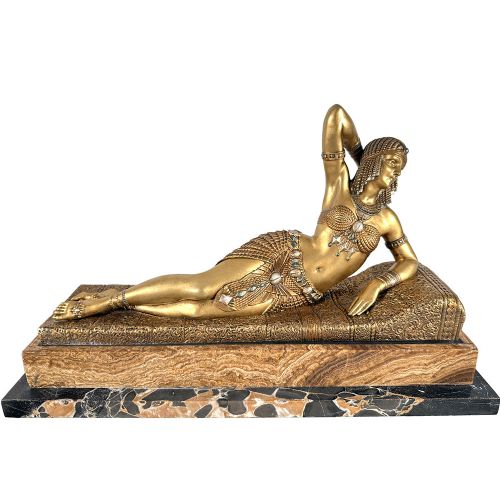

1920s Female Bronze Figurine
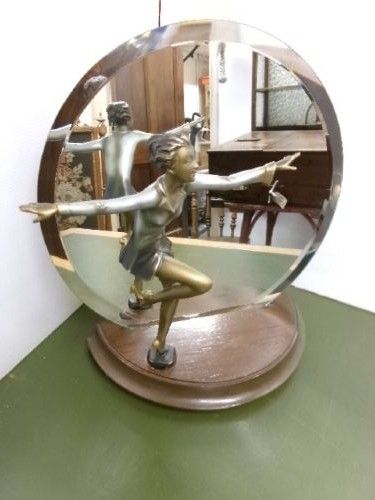
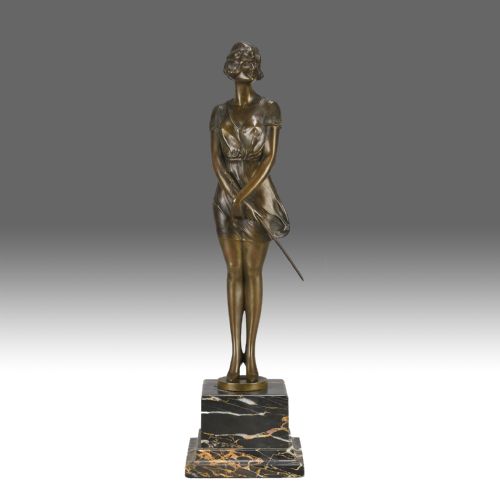
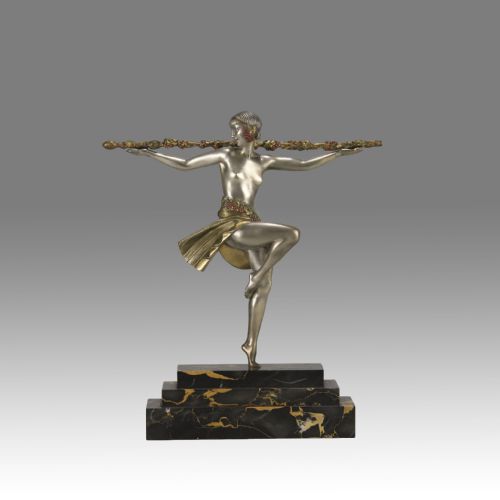
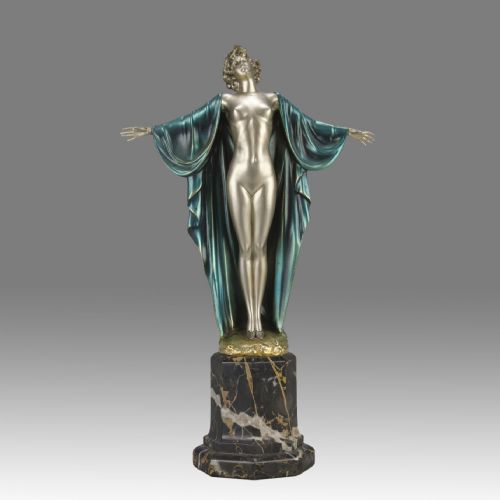
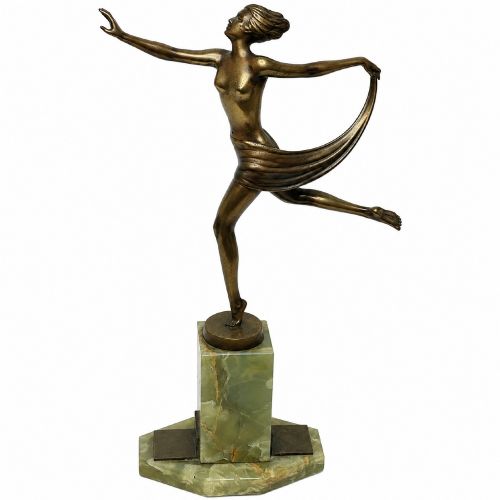
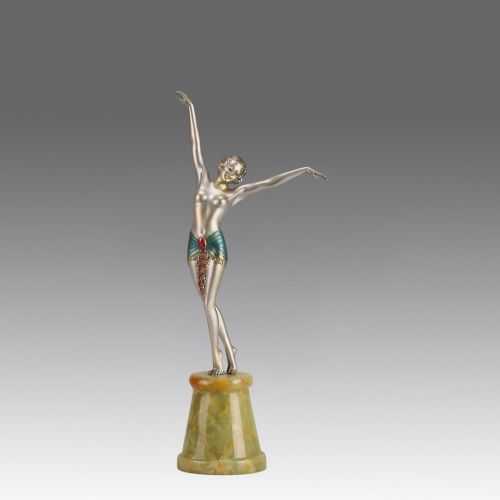
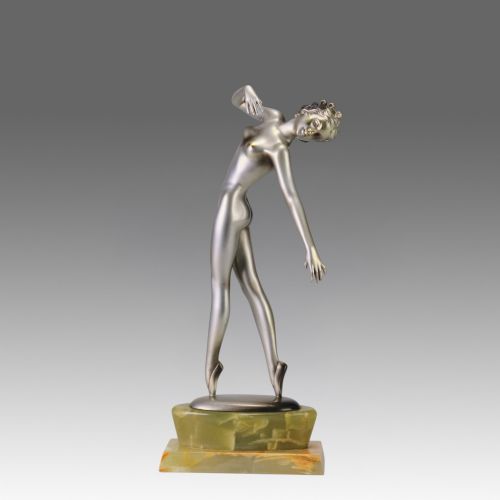
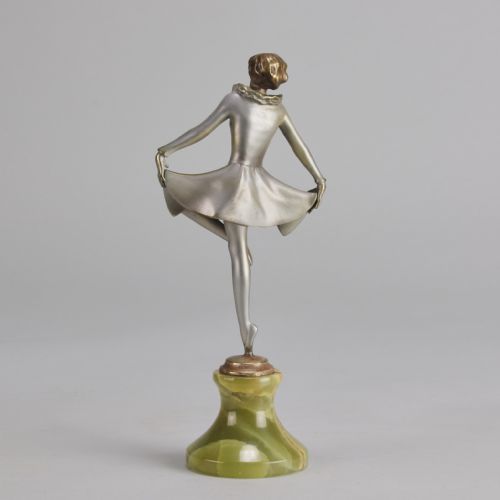
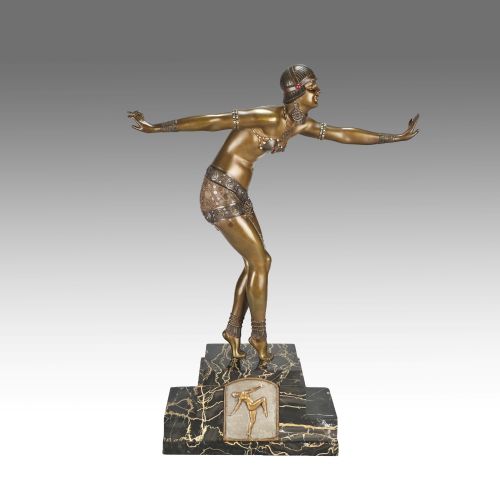
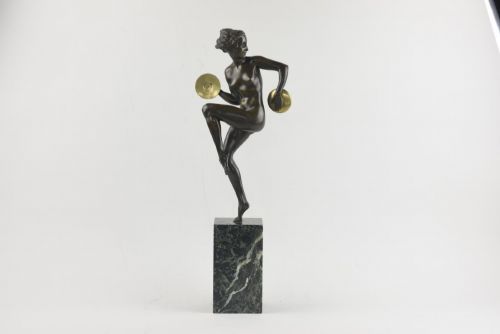
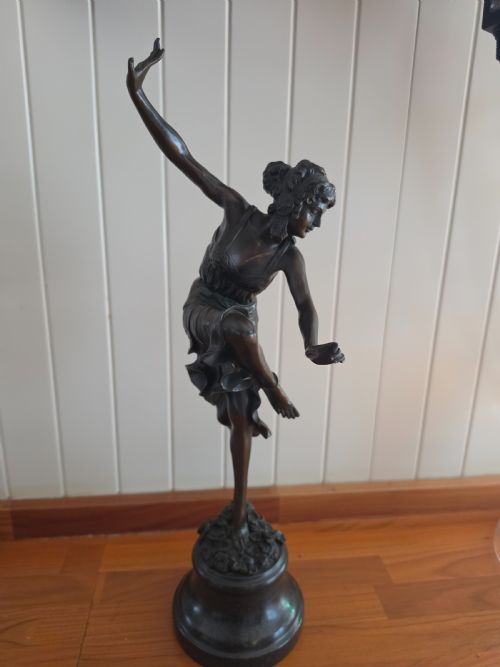
These pieces are a 1920s female bronze figurine, capturing the kinetic energy of dancers and elegant modern women through the lens of Art Deco design.
1920s Female Bronze Figurine
A 1920s female bronze figurine brings the dynamic spirit of the interwar period into a room, most frequently depicting dancers, ballerinas, and mythological figures in mid-motion. Sculptors of the era focused heavily on the female form in motion, translating the postures of contemporary cabaret and ballet into solid metal.
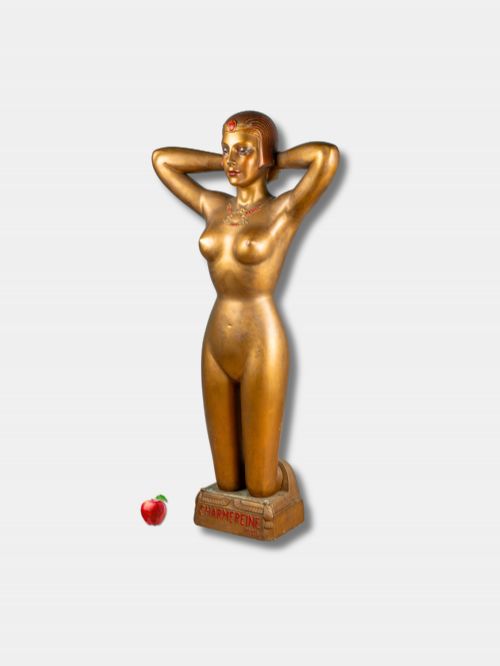
The versions most commonly met on this page combine cast bronze with heavy bases of marble or onyx, anchoring slender figures that stretch or balance. Many pieces double as functional items or specialised objects, such as table lamps, advertising displays, or car mascots.
The aesthetic leans heavily into Art Deco style, though occasional traces of Art Nouveau linger in the flowing drapery and elongated limbs. Figures span from small cabinet studies to substantial sculptural works standing nearly half a metre tall.
Materials and construction methods
Foundries utilised traditional lost-wax casting to capture intricate details in the bronze, allowing for delicate fingers, flowing scarves, and textured garments. Surfaces were frequently finished with cold-painted pigments, silvering, or gilding to enhance the decorative impact of the costume.
Many figures incorporate multi-material elements, mounting the metal bodies onto polished plinths of black or veined marble and onyx. Certain high-end pieces integrate carved ivory for the faces and hands, forming the distinctive chryselephantine sculptures of the period.
Object forms documented in the inventory include standard sculptures, car mascots, illuminated table lamps, and advertising display mannequins.
Markers of distinction and quality
Quality rests in the crispness of the casting and the sensitivity of the chasing work done after the metal cooled from the mould. Superior examples retain fine facial expressions and distinct fabric folds without blurring or heavy tool marks.
The application of cold paint or patination significantly alters the piece, with hand-painted polychrome surfaces requiring high technical skill to avoid flaking or muddy tones. Additionally, the density and polish of the accompanying marble base indicate the overall standard of manufacture.
Bruno Zach·Pierre le Faguays·Ferdinand Preiss·Josef Lorenzl·Demetre Chiparus·Aurore Onu·C J R Colinet·Zoldan Kovats·Maurice Guiraud Riviere·Paul Philippe·Paul de Boulogne·Rene Andre Varnier
The 1920s Female Bronze Figurine Glossary
- Cold-painted bronze
- A technique where paint is applied to a finished bronze object without subsequent firing, allowing for vibrant multi-coloured clothing on the figures. This finish is vulnerable to scratching and cleaning agents.
- Chryselephantine
- A term describing statues made from a combination of bronze and ivory. The method requires precise fitting between the metal garments and the carved organic material.
- Patinated metal
- A chemical treatment applied to the surface of bronze to produce a specific coloration or aged finish. It protects the metal while defining shadows and contours.
- Car mascot
- A sculptural ornament mounted on the radiator cap of an automobile during the early twentieth century. These pieces were scaled down for practical mounting outdoors.
- Spelter
- A zinc alloy frequently utilised as a less expensive alternative to bronze during the period. It accepts patination well but possesses a lighter weight and softer structural strength than bronze.
1920s Female Bronze Figurine: Frequently Asked Questions
What materials make up these figurines?
Cast bronze serves as the primary structural material, often enhanced through silvering, gilding, or cold-painted polychrome details.
Many examples mount directly onto heavy bases made from natural marble or onyx, while select works incorporate carved ivory for the skin.
How were these sculptures used originally?
Most functioned purely as decorative art for domestic interiors, placed on mantelpieces, sideboards, or pedestals in middle-class and wealthy homes.
Certain pieces served practical roles as table lamps, shop display mannequins, or even automotive radiator mascots.
How do I identify an Art Deco piece?
Look for symmetrical geometries, stylized anatomical proportions, and an emphasis on speed, dance, and modern liberation.
Clothing and hair are typically rendered in sharp, clean lines reflecting the industrial design trends of the interwar decades.
Where should I display them at home?
Place figures on stable, flat surfaces such as wooden sideboards or bookshelves where the heavy marble base can support the upright weight safely.
Keep them away from direct sunlight and moisture to protect the delicate cold-painted surfaces and the natural stone bases.