



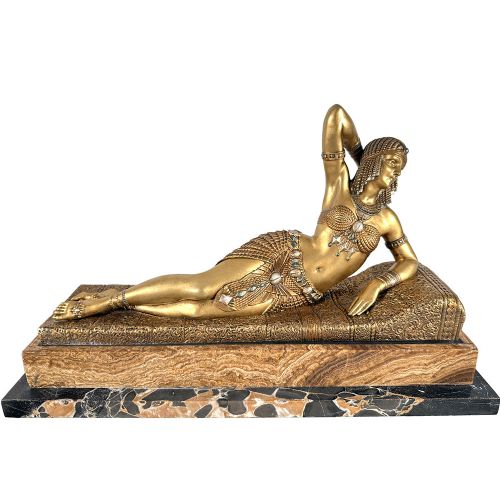


Onyx Base Bronze Statue
An onyx base bronze statue brings together weighty stone and cast metal to capture dancers, animals, and figures from the Art Deco and Victorian eras.
Onyx Base Bronze Statue
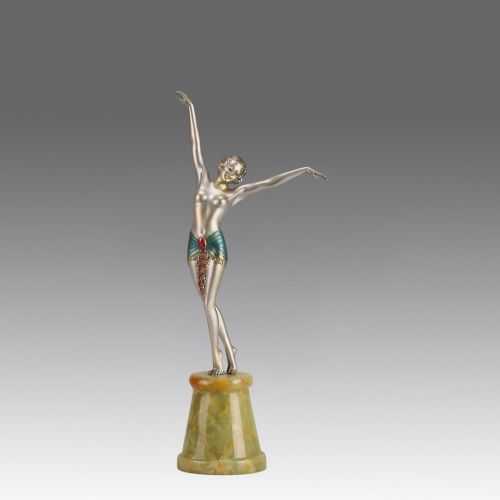
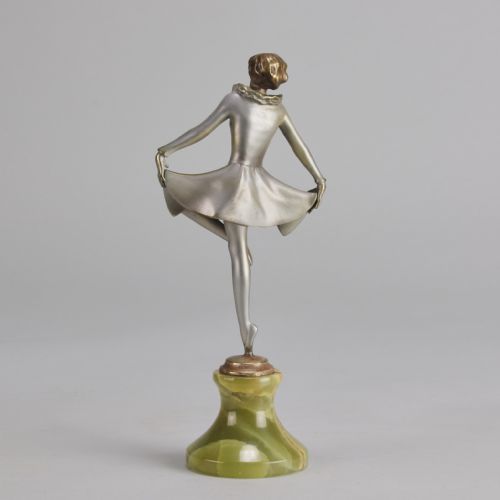
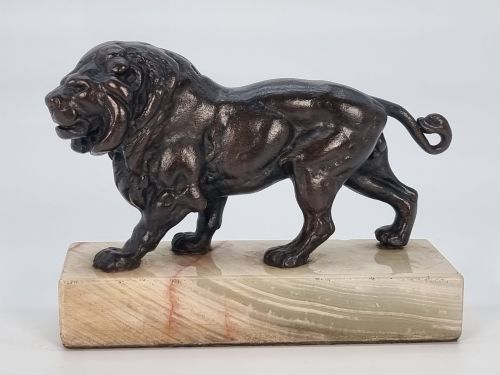
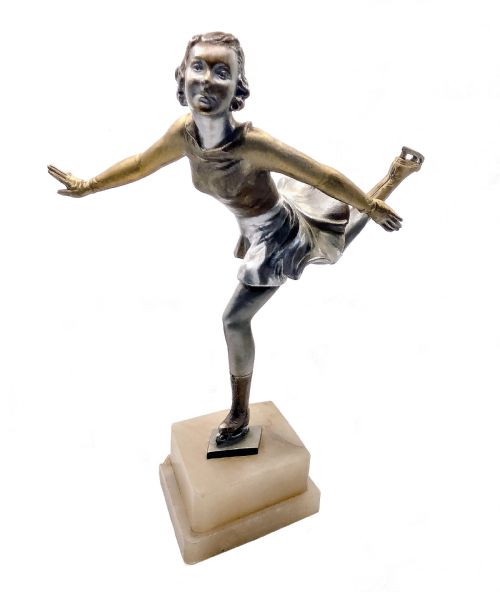
An onyx base bronze statue comprises a figural sculpture mounted securely to a polished stone plinth, often taking the form of dancers, female models, and animal studies. These works span from the late nineteenth century into the mid-twentieth century, capturing the transition from French Victorian and Art Nouveau aesthetics toward clean Art Deco lines.
The most common version met on this page is the Art Deco figure from the nineteen-twenties and nineteen-thirties, typically depicting a female dancer or animal set upon a rectangular or multi-tiered onyx or marble base. Alongside solid cast bronze, buyers encounter figures rendered in spelter, gilt bronze, silvered bronze, and cold-painted metal.
Makers and sculptors of the period produced studies ranging from solitary female models to complex figural groups involving deer, lions, and horses. While many sculptures feature dedicated stone plinths, others incorporate marble alongside onyx to add visual contrast beneath the metal work.
How they were made
Foundries produced these sculptures using traditional casting techniques, pouring molten bronze or spelter into moulds before finishing the metal by hand. Spelter served as a common, more affordable alternative to bronze, offering similar scope for detailed figural work.
Desk workers kept spelter table lighters disguised as dancing ladies to handily ignite cigarettes.
What varies in quality
Quality rests in the crispness of the metal chasing and the fidelity of the cast, where sharper facial expressions, distinct fingers, and refined drapery separate superior works from softer, commercial production. The application of cold-paint, silvering, or gilding shows varying degrees of hand-finishing skill.
The stone plinth itself contributes significantly to the overall merit, with dense, evenly figured onyx or carefully matched marble bases showing superior geological selection and stonemasonry compared to dull or heavily repaired stone.
Josef Lorenzl·Demetre Chiparus·Pierre Le Faguays·Claire Colinet·Bruno Zach
The Onyx Base Bronze Statue Glossary
- Bronze
- A copper and tin alloy prized by foundries for its strength and ability to hold fine detail during casting. It forms the primary metal body for many sculptural pieces.
- Spelter
- A zinc-based alloy utilised as a cost-effective substitute for bronze in decorative figures. It requires careful plating or painting to mimic heavier metals.
- Cold-painted
- A method of applying oil or varnish paints to metal surfaces without subsequent kiln firing. This technique provides vibrant colour to dancers and figures.
- Garniture set
- A decorative matching arrangement consisting of a clock flanked by matching ornaments. These sets often incorporate metal figures on stone bases.
- Chryselephantine
- A term describing sculptures combining carved ivory with bronze elements. Such works frequently depict dancers with carved faces and limbs.
Onyx Base Bronze Statue: Frequently Asked Questions
Are spelter and bronze different?
Spelter is a softer zinc alloy that feels lighter and shows a more brittle fracture if damaged. Bronze is a durable copper alloy that maintains sharper cast details over time.
Examining the underside of the base often reveals the underlying metal colour where patination has worn away.
What is cold-painted bronze?
Cold-painting involves applying non-fired paints directly onto the metal sculpture after casting. This technique allowed makers to render colourful garments and realistic skin tones on dancers.
Because the paint was not baked on in a kiln, these surfaces require gentle handling to prevent flaking or loss over the decades.
How do I date these pieces?
Dating relies on stylistic markers such as the geometric attire of Art Deco dancers or the flowing floral motifs of earlier Art Nouveau pieces. Foundry marks, signatures inscribed in the metal, and the type of stone base also help narrow the period of creation.
Comparing the construction methods of the mounting bolts beneath the onyx base provides further clues to the manufacturing decade.