




1920s Art Deco Lamp Table
These pieces combine the geometric lines of the 1920s art deco lamp table with practical surfaces and lighting, giving any interior immediate period character.
1920s Art Deco Lamp Table
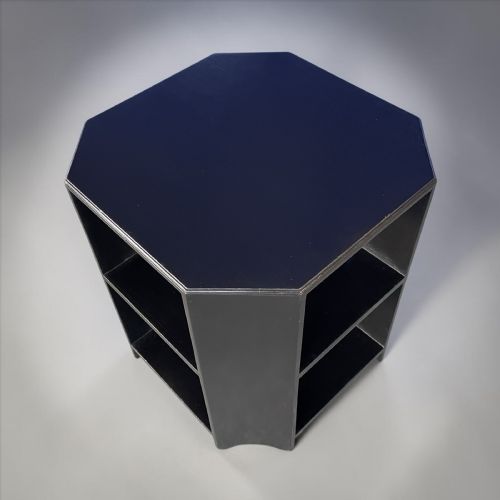
A 1920s art deco lamp table unites small occasional surfaces with integrated or adjacent lighting from the early twentieth century. These items span side tables, occasional tables, and table lamps designed to sit together or function as single units in domestic spaces.
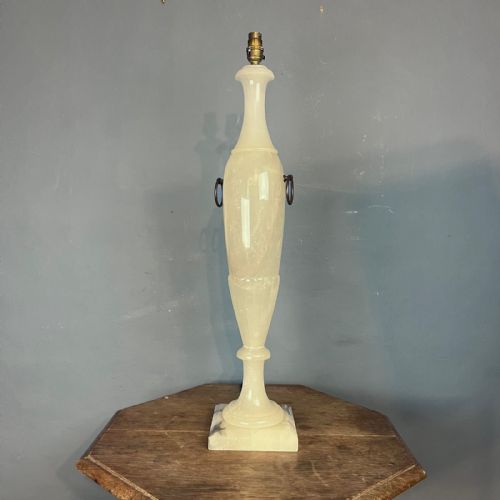
The selections on this page draw from periods ranging from the early 1900s through the 1940s, alongside nineteenth-century pieces influenced by later revivals. Walnut, oak, and exotic veneers form the wooden table structures, while brass, chrome, wrought iron, and alabaster define the lighting fixtures.
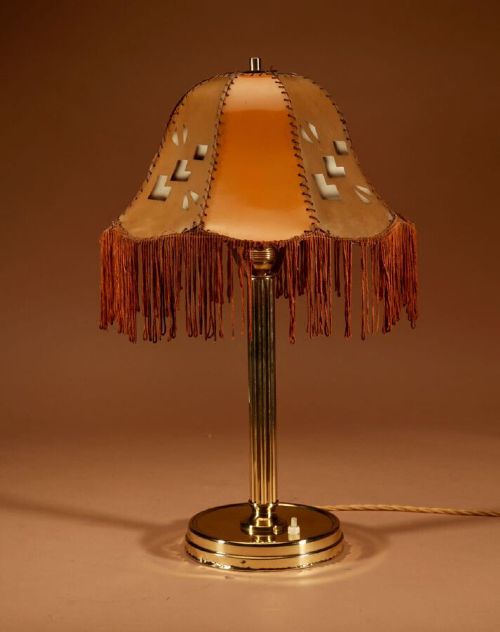
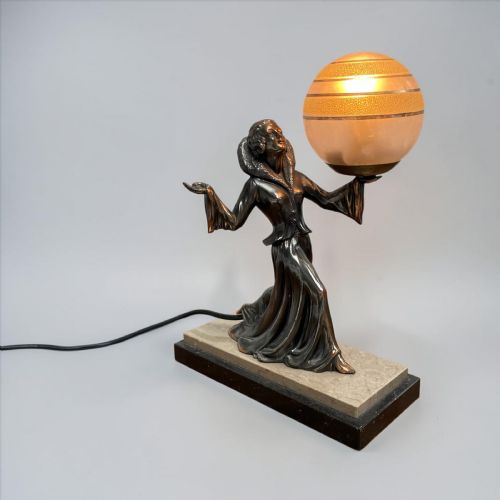
Buyers encounter both standalone small tables and combined lamp tables influenced by Art Deco, Bauhaus, and Chinoiserie styles. Figures of ladies, animals, and geometric cubist forms frequently appear as central motifs on the lighting components.
How They Were Made
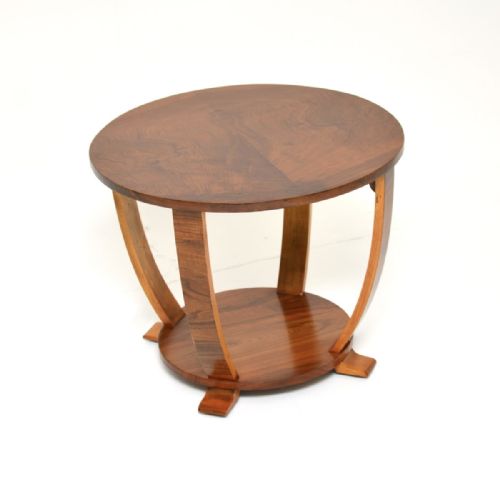
Cabinet makers utilised figured walnut, rosewood, bird's eye maple, and ebonised timber for the tables, applying hand-finished lacquers and polishes to highlight the grain. Joinery relied on traditional framing methods adapted for compact geometric forms.
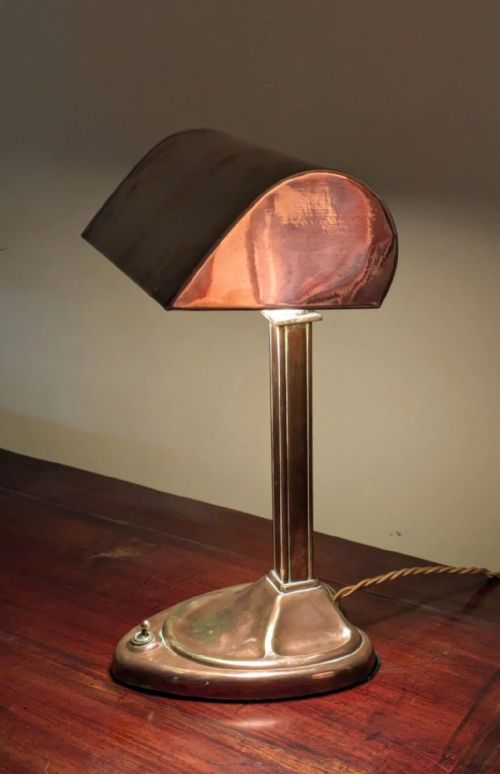
Metal components involved cast brass, hammered wrought iron, polished chrome, and silver plate, often paired with frosted glass, opaline, or parchment leather shades. Porcelains and celluloid were also shaped into figural lamp bodies.
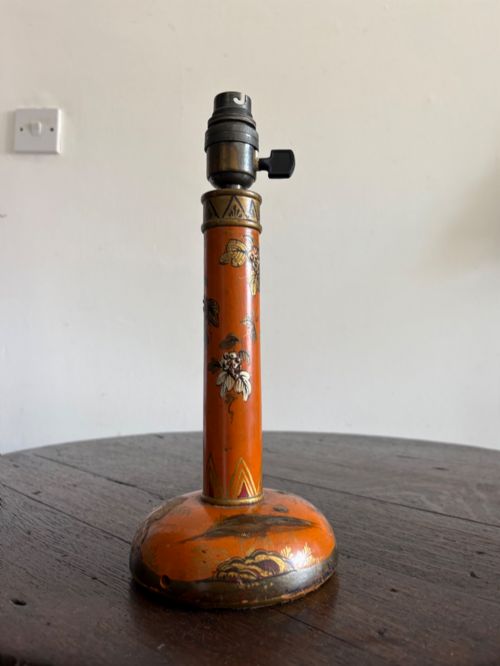
Decorative surface work included hand painting on Chinoiserie lacquer pieces, metal patination, and carved alabaster or marble bases designed to support electrical or oil fittings.
The furniture and lighting examples incorporate diverse aesthetic movements, including Art Deco, Bauhaus minimalism, Georgian Revival, and Chinoiserie.
What Varies in Quality
Construction integrity separates standard production items from finer workshop pieces, particularly in the thickness of wood veneers and the weight of cast metal bases. Substantial bronze, brass, or solid hardwood frames retain stability over decades of daily use.
The artistry of the decorative elements dictates the standing of each piece, from mass-produced metal stampings to hand-carved figure sculptures and signed cabinet work. Original glass shades, intact hand-painted lacquer, and signed maker components elevate the historical importance of the item.
Karl Ens·Anton Buschelberger·Degue·Majorelle·Muller Bros·Emile Galle·Wilhelm Wagenfeld
The 1920s Art Deco Lamp Table Glossary
- Art Deco
- A design style characterised by sleek geometric shapes, stylised motifs, and modern industrial materials popular during the interwar period.
- Opaline glass
- A milky, translucent glass used extensively for soft-diffusing lamp shades during the early twentieth century.
- Chinoiserie
- European decorative art reflecting Chinese artistic traditions, featuring hand-painted lacquered surfaces and orientalist scenes.
- Alabaster
- A fine-grained, translucent stone carved into solid lamp bases and decorative bowls that allow light to glow through the material.
- Occasional table
- A small, movable table designed for specific, intermittent uses such as holding a lamp, book, or drink.
1920s Art Deco Lamp Table: Frequently Asked Questions
How do I identify a 1920s lamp table?
Examine the timber choices, such as walnut or rosewood, alongside geometric or stepped silhouettes typical of the period. Construction methods and hardware often match early twentieth-century manufacturing standards.
Check for maker signatures, stamps, or stylistic markers like Bauhaus tubular metal or Chinoiserie lacquer decoration.
Were tables and lamps originally sold together?
Some pieces integrated the light source directly into the small table structure, while others functioned as independent items placed together in a room. Both integrated lamp tables and paired side tables appear within these listings.
Matching a table with a contemporaneous lamp of the same style creates a cohesive period arrangement.
What materials are common in these pieces?
Metals like brass, chrome, copper, and wrought iron appear frequently alongside glass, alabaster, and porcelain components. Wooden elements rely on figured walnut, oak, and exotic veneers.
Secondary materials such as parchment, leather, and fabric complete the shades and surface insets.
How do I care for antique wood and metal?
Maintain wooden surfaces with appropriate waxes and avoid placing them near direct heat sources or strong sunlight. Metal parts benefit from gentle dusting and careful handling of patinated finishes.
Electrical components should be checked by a qualified professional to ensure safety before regular use.