




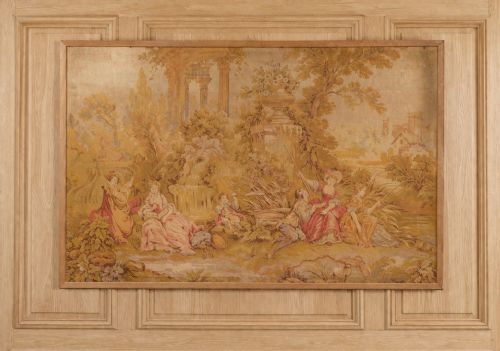
18th Century Wool Textile
An 18th century wool textile brings historic woven and embroidered artistry into a room, offering rich textures and classical pastoral scenes.
18th Century Wool Textile
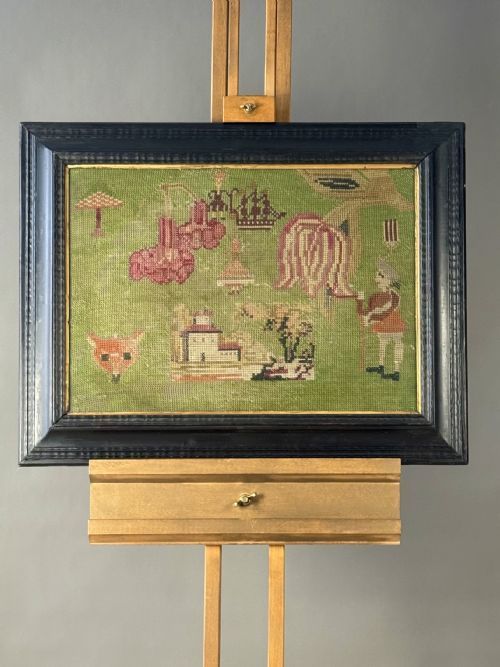
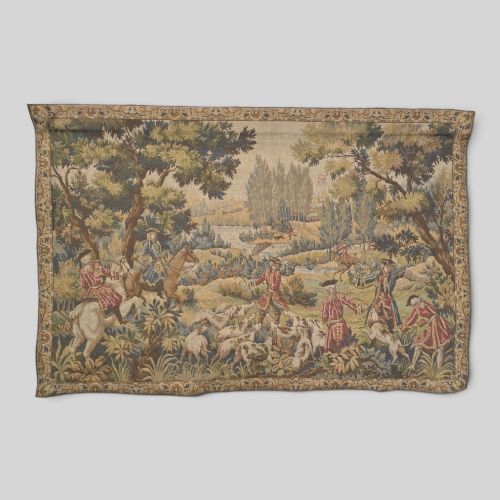
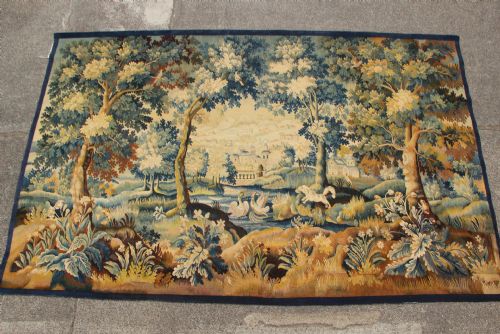
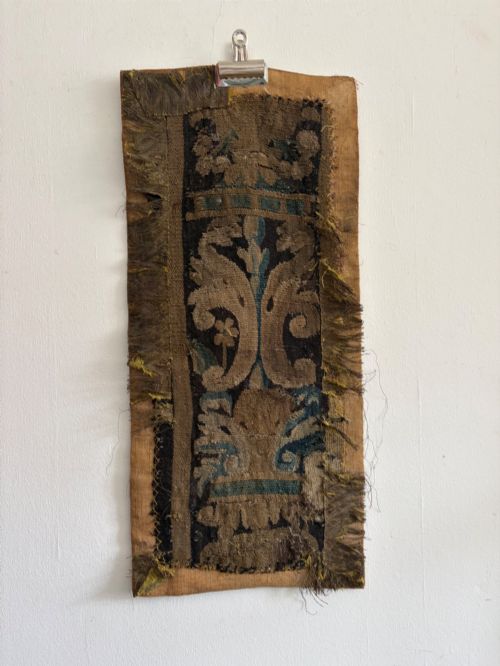
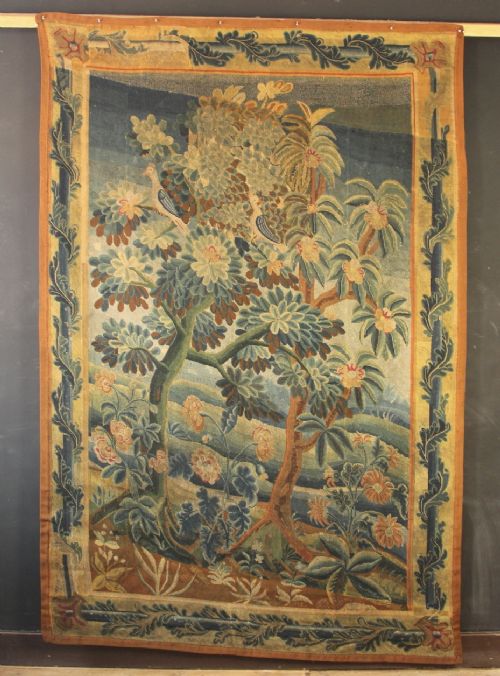
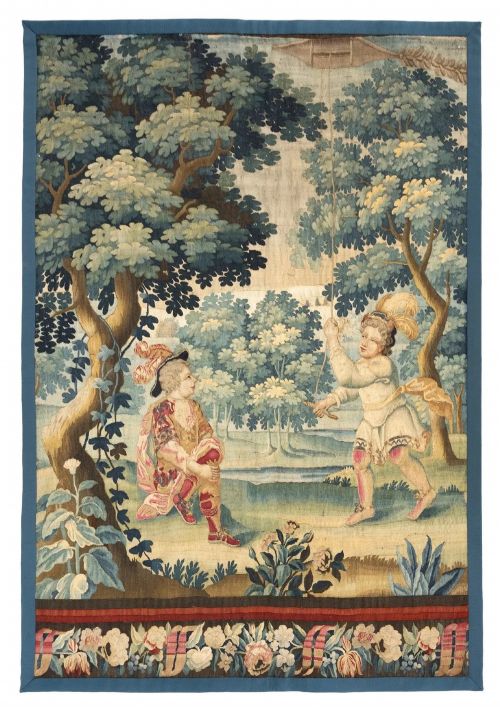
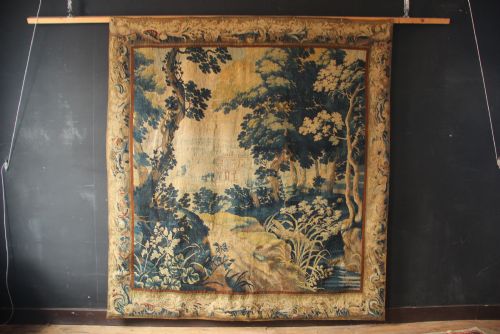
When you search for an 18th century wool textile, you encounter a specialised selection of historic wall hangings, framed needlework pictures, tapestries, and carpet fragments. The pieces on this page span large Flemish verdure compositions, French pastoral panels, and intricate needlework samplers created across the Georgian and Baroque periods.
The most common formats you will meet are verdure tapestries depicting lush woodland foliage alongside framed needlework panels and smaller textile fragments mounted for display. These works originate primarily from European centres including France, Flanders, Audenarde, and England, capturing the domestic and decorative tastes of the seventeen-hundreds.
Collectors seek these textiles to anchor an interior with authentic period atmosphere, whether through large wall-covering tapestries or smaller framed pastoral scenes. Each piece demonstrates the enduring utility and aesthetic appeal of woven wool combined with linen, silk, and cotton elements.
Materials and construction
The primary material across these pieces is wool, frequently integrated with silk, linen, and cotton threads to achieve variation in texture and tone. Artisans utilised timber frames for mounting textile panels and employed canvas foundations for needlework pictures and samplers.
Weaving and needlework represent the core techniques, encompassing both loom-woven tapestries and hand-stitched pictorial embroidery. Flemish and French workshops combined these fibres with careful dyeing methods to produce deep verdure greens and subtle pastoral palettes.
A stray wool thread from seventeen-hundred-and-fifty still carries the quiet scent of Flemish woodsmoke across the centuries.
Factors of quality and execution
Quality in these textiles rests upon the fineness of the stitchwork or the density of the weave, which determines the clarity of the landscape or pastoral motif. Superior panels exhibit skillful shading and harmonious colour retention across wool and silk yarns.
The preservation of the textile base, whether an uncompromised wall hanging or a carefully mounted border fragment, distinguishes finer examples. The sophistication of the design, such as intricate foliage in verdure pieces or detailed figures in pastoral scenes, marks the work of accomplished hands.
The 18th Century Wool Textile Glossary
- Verdure tapestry
- A wall hanging featuring a dominant theme of lush foliage, trees, and landscapes, often populated by birds or animals. These scenes typically utilise rich green and earthy wool tones.
- Needlework
- Hand-stitched embroidery executed on a canvas or linen ground, producing detailed pictures, panels, and samplers. Artisans employed wool and silk threads to create these pictorial works.
- Fragment
- A surviving portion of a larger textile, such as a tapestry border or carpet section, frequently mounted to linen for preservation and display. Fragments offer access to historic weave structures on a smaller scale.
- Sampler
- A piece of needlework demonstrating various stitches and patterns, used historically to practice or showcase needle skill. These works often incorporate dates or maker inscriptions.
- Chuval
- A traditional tribal storage bag or rug fragment originating from Central Asian traditions like the Salor Turkoman. These pieces display distinct geometric weaving patterns.
18th Century Wool Textile: Frequently Asked Questions
How were 18th century wool textiles used?
These textiles served primarily as grand wall hangings and tapestries to insulate rooms and display wealth in historic homes. Smaller pieces functioned as framed needlework pictures, decorative panels, or domestic furnishings.
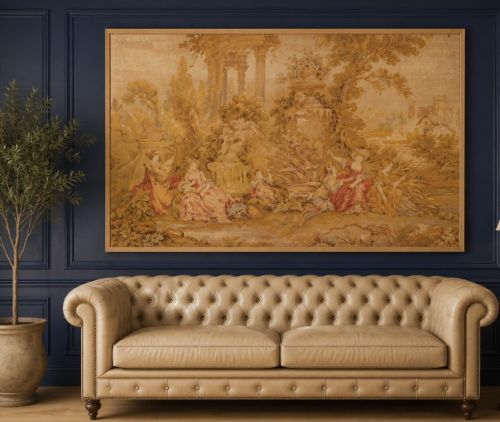
Today, buyers mount large verdure tapestries and framed textile panels directly onto walls as focal points in period or modern interiors.
How do I care for an antique textile?
Protect antique wool textiles from direct sunlight to prevent fading of the natural dyes in the wool and silk threads. Keep them away from excessive moisture and handle mounted panels with care.
Professional consultation is recommended for cleaning or securing larger wall hangings to appropriate support backings.
What is a verdure tapestry?
A verdure tapestry is a woven wall hanging that depicts a stylised woodland scene filled with leaves, trees, and plants. These compositions often include small rivers, birds, or chateaux nestled in the background.
Originating frequently in Flemish and French workshops, they bring natural depth and earthy palettes into a room.
How do I distinguish regional styles?
Flemish and Audenarde pieces often showcase dense, leafy verdure landscapes woven on large looms. French panels tend to feature pastoral figures and lighter Rococo or Baroque decorative elements.
English needlework pictures frequently display domestic or farming scenes worked in fine wool and silk stitches on canvas.