

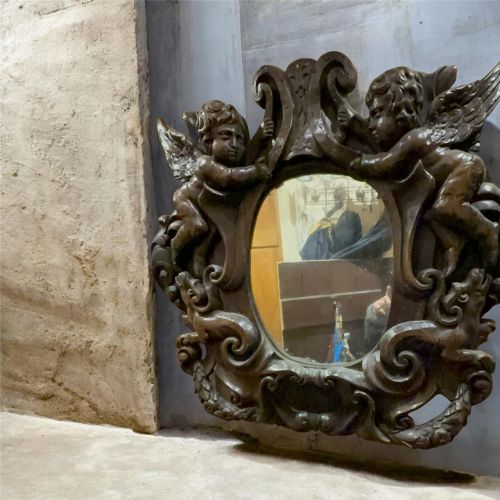


18th Century Wooden Mirror
An 18th century wooden mirror brings genuine warmth and historical depth to a room through rich figured timbers and hand-worked plates.
18th Century Wooden Mirror
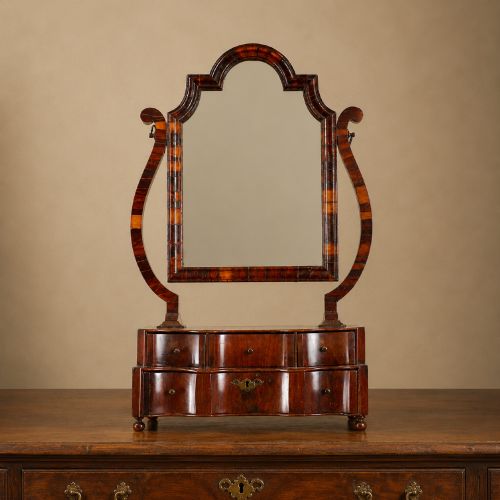
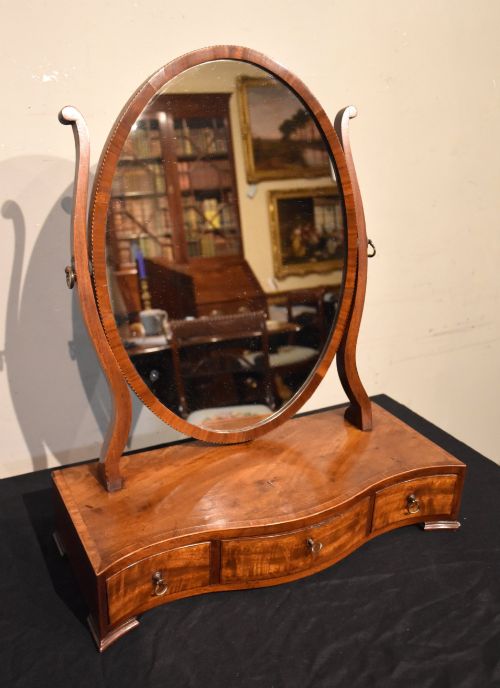
When you search for an 18th century wooden mirror, you encounter a variety of forms designed for both wall hanging and tabletop use. The selection spans compact toilet mirrors intended for dressing tables to substantial wall mirrors and architectural trumeau pieces.
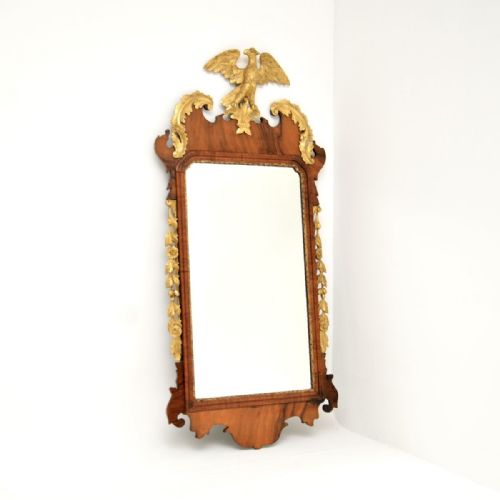
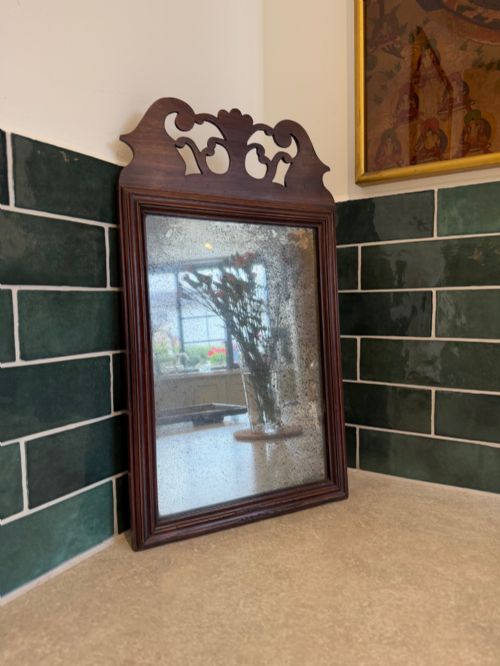
The versions you meet most frequently on this page belong to the Georgian period, executed in rich walnut or mahogany. Many examples incorporate dressing boxes, drawers, or intricate fretwork frames typical of the eighteenth century.
How they were made
Frames are constructed from dense timbers such as walnut, mahogany, oak, and sycamore, often finished with parcel gilt highlights or gesso details. Cabinetmakers utilised fine veneers like burr walnut and laburnum to create decorative grain patterns across flat surfaces and shaped crestings.
Glass plates are hand-beveled or engraved, occasionally retaining original Vauxhall mirror plates with subtle imperfections. Joinery relies on traditional techniques including dovetailing for small drawers within dressing mirror bases.
Religious fervor meets domestic vanity in Italian reliquary mirrors shaped like sacred flaming hearts.
What varies in quality
The standard of an 18th century wooden mirror rests upon the selection of timber and the crispness of the carved or fretted ornament. Superior examples display carefully matched veneer grains and deeply undercut fretwork rather than flat, mechanically stamped decoration.
Originality of components dictates much of the standing within this field. Pieces retaining their early glass plates, backboards, and gilt slips command greater appreciation than those assembled with modern replacements.
The 18th Century Wooden Mirror Glossary
- Toilet mirror
- A smaller tabletop mirror fitted with a base containing small drawers, originally designed for powder tables. These pieces are also frequently described as dressing mirrors.
- Fretwork
- Thin wood shaped with a piercing saw to create intricate openwork patterns along the frame edges. This technique defines many George III style wall mirrors.
- Parcel gilt
- A decorative method where specific carved details or mouldings are highlighted in gold leaf against a dark wood or painted ground. It adds contrast to walnut and mahogany frames.
- Vauxhall plate
- An early mirror glass plate characterised by a bevelled edge and subtle distortions inherent to historic glass-making methods. Such plates are prized by collectors for their authenticity.
18th Century Wooden Mirror: Frequently Asked Questions
Where should I hang a wooden mirror?
These mirrors suit principal reception rooms, hallways, and bedrooms where traditional timber furniture predominates. Wall-mounted variants function effectively above mantelpieces or console tables.
Tabletop dressing mirrors require a stable surface such as a chest of drawers or dressing table. Avoid damp walls and direct sunlight to protect the wood and silvered glass plates.
How do I clean an old mirror?
Dust the wooden frame gently with a dry, soft cloth and avoid modern aerosol polishes that leave chemical buildups. Natural waxes maintain the finish of walnut and mahogany safely.
Clean the glass plate sparingly using a lint-free cloth and a mild glass cleaner applied to the cloth rather than directly to the mirror. This prevents moisture from seeping behind the historic plate.
Are these mirrors heavy?
Wall mirrors constructed from dense hardwoods and thick glass plates possess substantial weight. Proper fixings suited to your wall type are essential for secure hanging.
Freestanding dressing mirrors distribute their weight across a stable base supported by side pivots or frames. Ensure the adjusting screws remain properly aligned to support the glass frame.
How do I identify the wood?
Georgian makers predominantly selected walnut during the earlier decades, transitioning towards rich mahogany as the century progressed. Grain patterns help distinguish dense walnut and figured mahogany from secondary woods like oak.
Examine the secondary timbers visible on the reverse backboards and interior drawer linings. These construction woods often provide clearer indicators of age and origin than external veneers.