

18th Century Wooden Commode
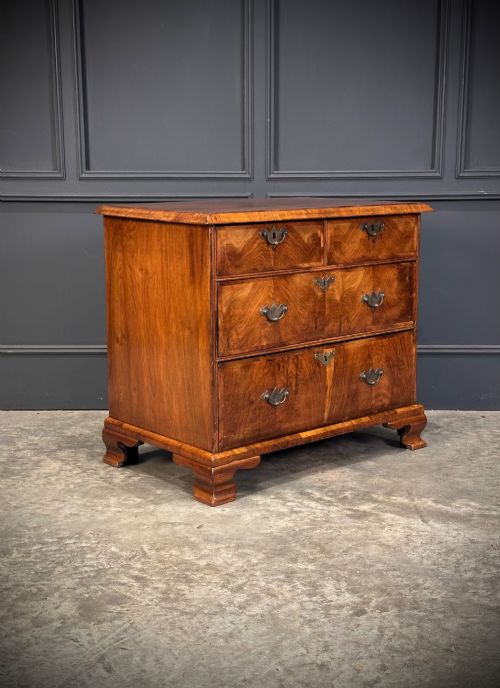
An 18th century wooden commode brings substantial presence and formal storage to a room through centuries-old cabinetmaking.
18th Century Wooden Commode
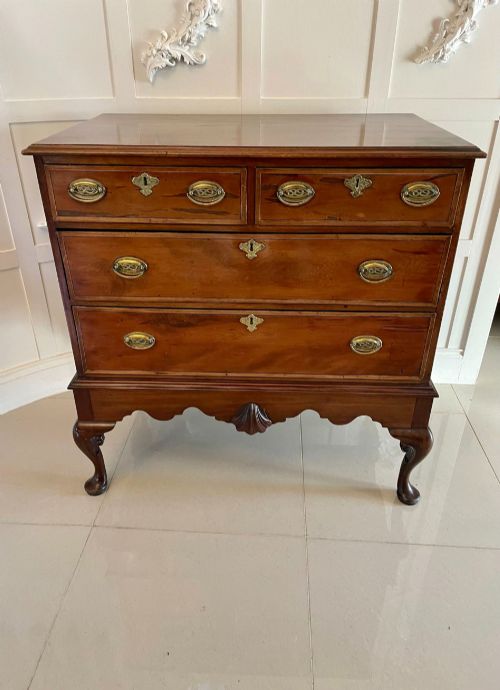
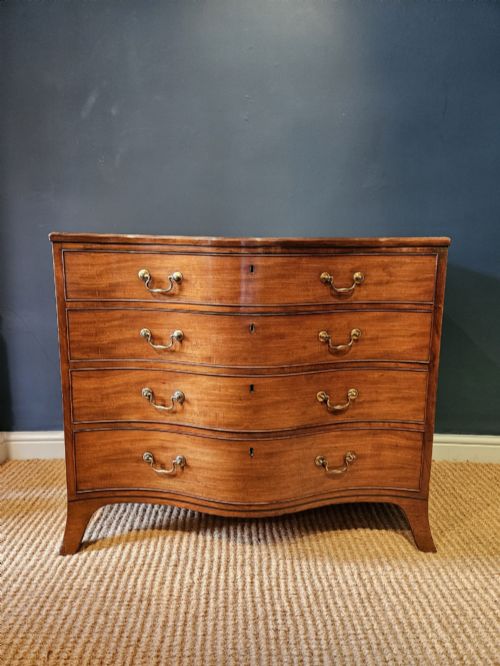
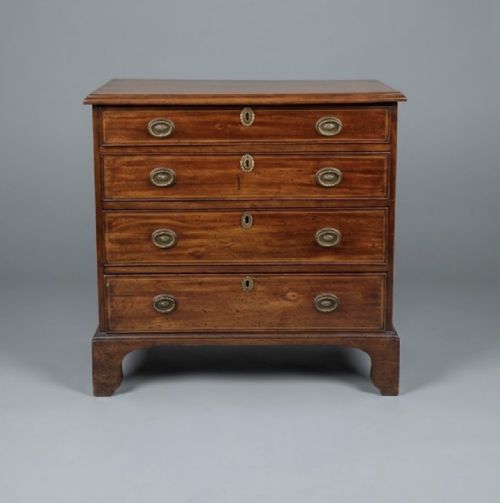
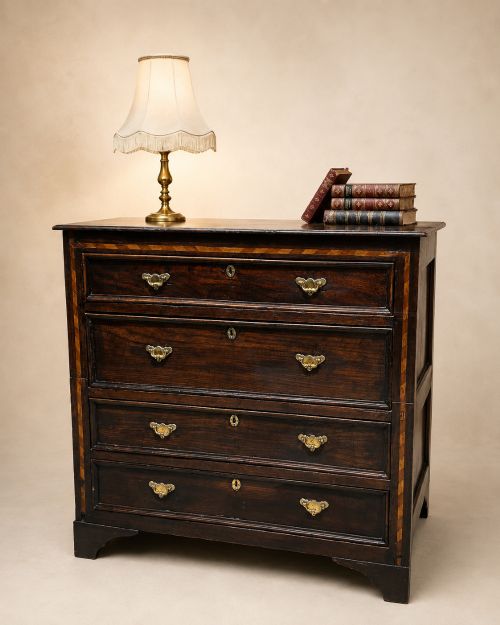
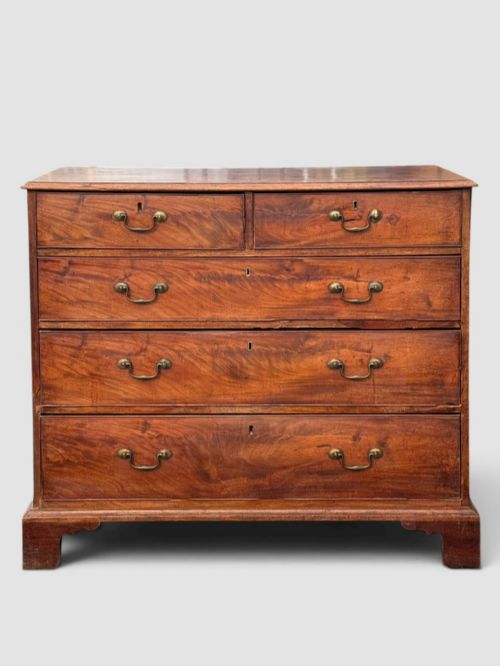
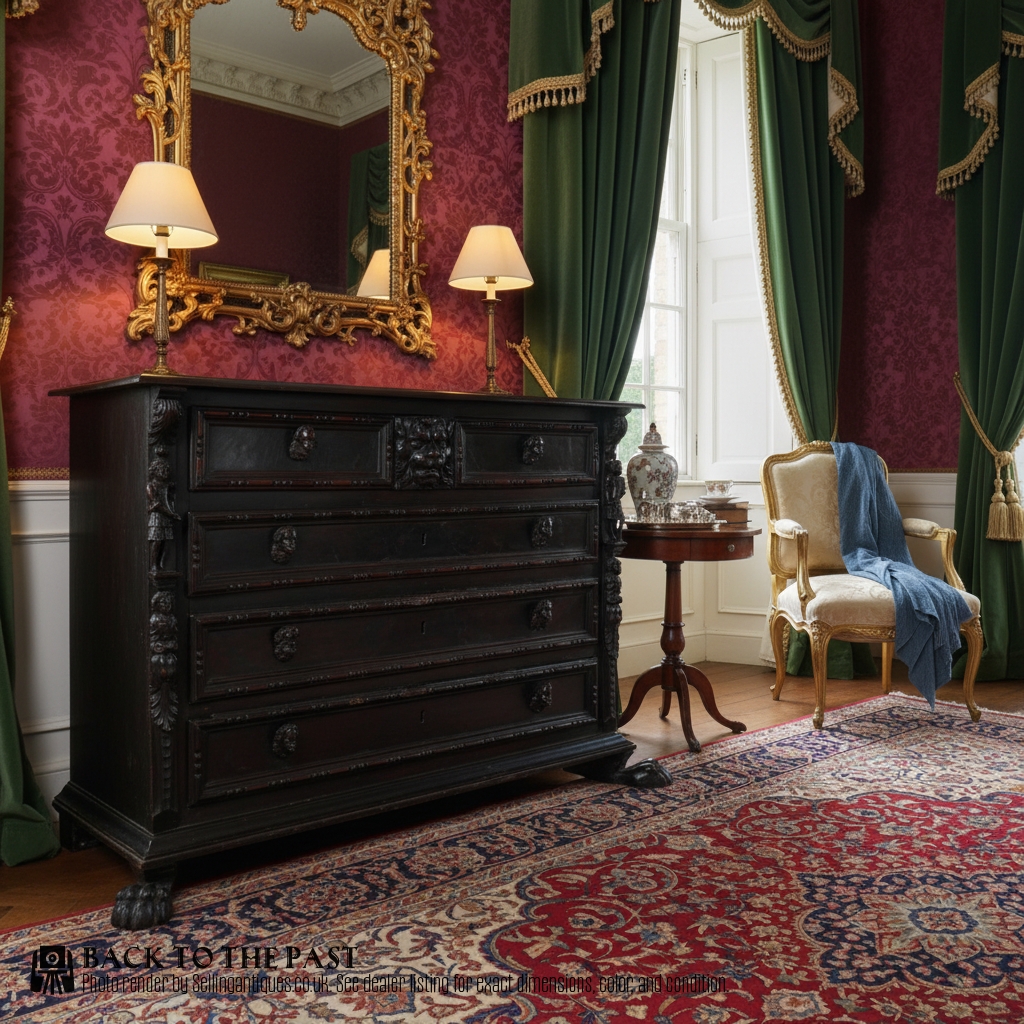
An 18th century wooden commode encompasses formal case furniture designed primarily for storage, often appearing as chests of drawers, bedside cabinets, or provincial commodes. Buyers seeking this phrase encounter pieces dating from the periods of Queen Anne, George I, and George III, alongside continental examples from France, Holland, and Sweden.
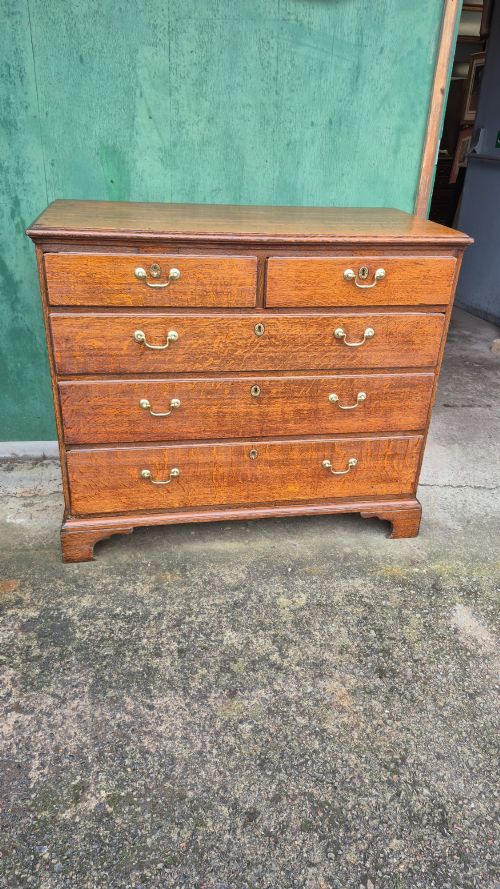
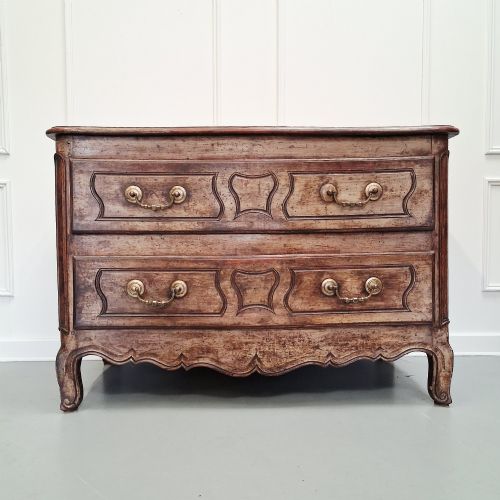
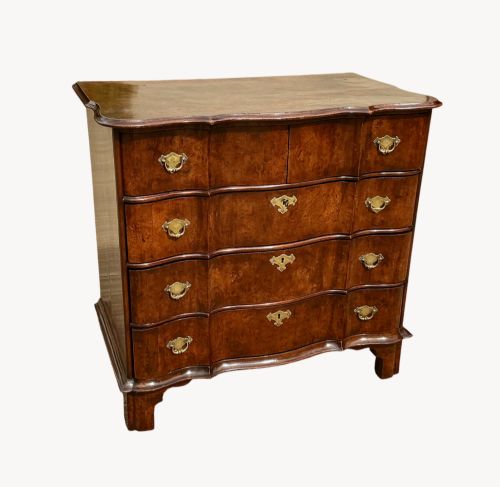
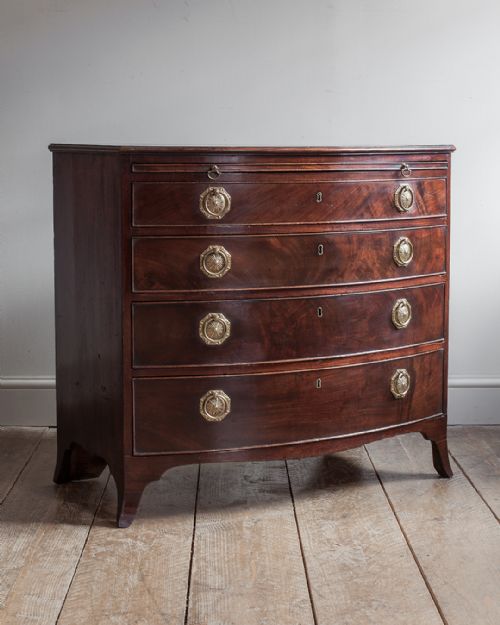
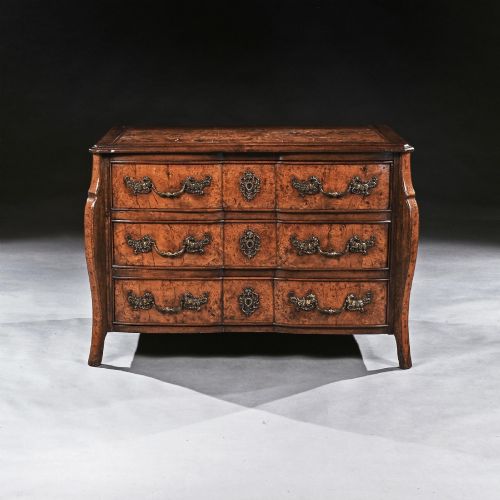
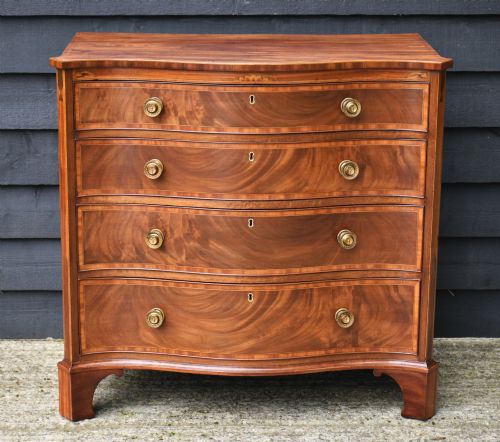
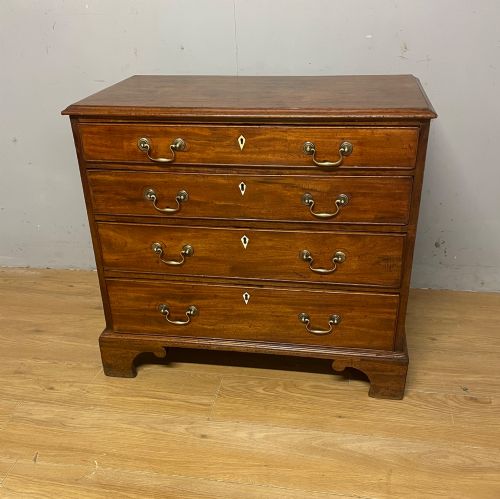
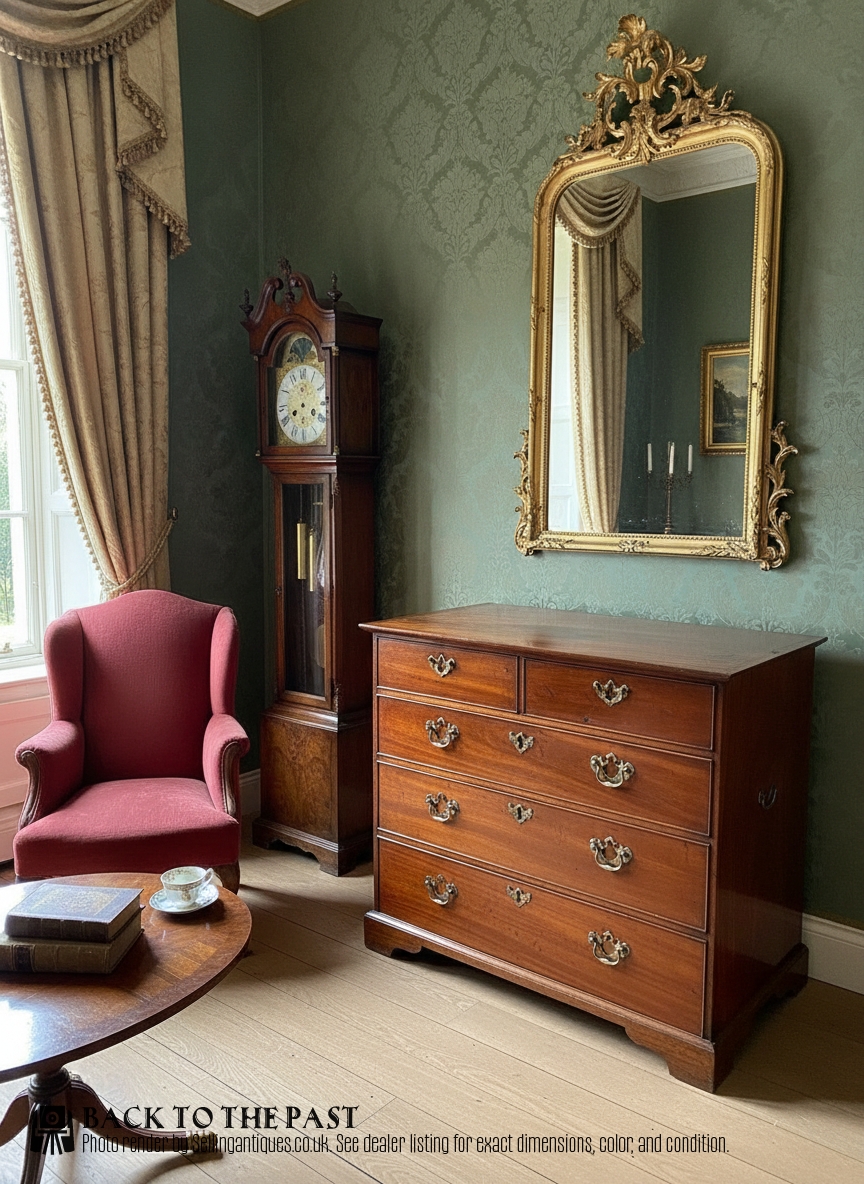
The most common forms on this page include mahogany and oak chests of drawers from the Georgian era, frequently featuring brass handles and occasionally brushing slides. Alongside these English pieces sit continental walnut, burr elm, and fruitwood items showing serpentine, bombe, or oxbow fronts.
Origins vary widely across the selection, stretching from regional English workshops to Dutch, French, and Maltese makers utilising local timbers. Forms range from compact four-drawer chests to larger serpentine designs and bedside tables, reflecting the diverse domestic needs of the 18th century.
Construction and materials
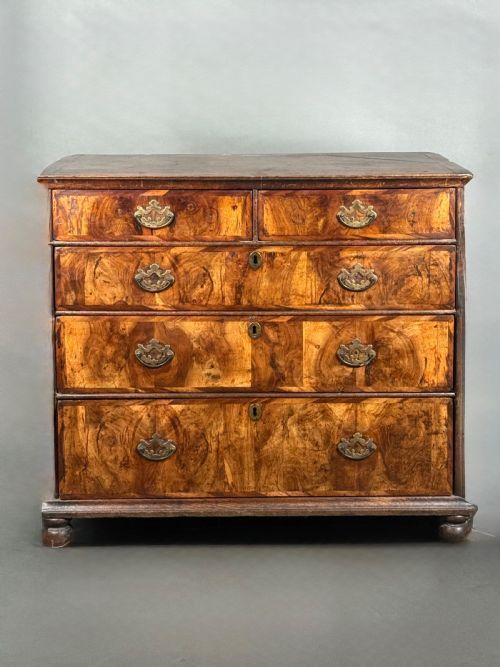
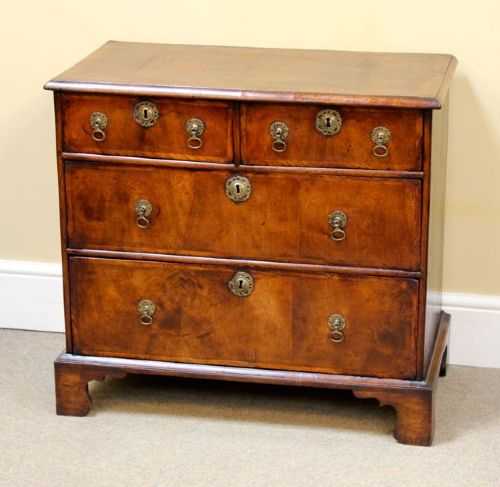
Cabinetmakers built these pieces using dense hardwoods such as mahogany, oak, walnut, and satinwood, frequently applying burr veneers or herringbone banding to create patterned drawer fronts and tops. Secondary timbers like oak and fruitwood provided sturdy interior framing for drawer linings and carcases.
Joinery methods relied on hand-cut dovetails for drawer construction and pegged mortise and tenon frames to ensure structural stability over centuries of use. Brass hardware, including drop handles and escutcheons, was cast and fitted by hand to complement the figured grain of the timber.
18th Century Wooden Commode Retail Price Guide 2026
Typical asking prices for 18th century wooden commode among the pieces listed under this phrase on Sellingantiques today, from the lower quarter to the upper quarter. They describe what is for sale here now, not the wider market.
Listings feature oak, mahogany, walnut, satinwood, kingwood, fruitwood, and marble across 18th-century, Georgian, and 19th-century periods.
Assessing quality and proportion
Quality rests upon the selection of timber figure, such as highly figured walnut, burr elm, or richly grained mahogany matched symmetrically across the facade. Superior examples display restrained application of crossbanding, fine stringing, and well-executed serpentine or bombe shaping to the carcase.
Originality of surface finish, handles, and timber patination distinguishes finer items from later restorations or marriages of parts. The crispness of geometric mouldings, the tightness of dovetail joints, and the harmony of proportions reveal the competence of the original workshop.
The 18th Century Wooden Commode Glossary
- Serpentine
- A front profile curving outward in the centre and inward at the sides, often seen on George III mahogany chests.
- Brushing slide
- A pull-out shelf integrated above the top drawers, used historically for folding linen or writing.
- Bombe
- An inflated or bulging outward shape characteristic of continental furniture, particularly Dutch and French commodes.
- Crossbanding
- A border veneer applied around the edges of a drawer front or top with the wood grain running perpendicular to the central panel.
- Herringbone
- A pattern of small contrasting veneers laid in V-shaped rows, frequently used to frame walnut drawer fronts.
18th Century Wooden Commode: Frequently Asked Questions
How do I spot a reproduction?
Examine the drawer linings and internal carcase timbers for machine marks, modern screws, or uniform thickness that indicate twentieth-century production.
Authentic pieces display hand-sawn boards, irregular dovetails, and timber shrinkage appropriate to age.
Where were these commodes placed?
These items served primarily in bedrooms, dressing rooms, and formal reception spaces for storing garments, linens, and personal valuables.
Smaller variations functioned as bedside tables or nightstands beside high seventeenth and eighteenth-century beds.
How should I care for the wood?
Maintain stable indoor humidity levels and keep wooden surfaces away from direct heat sources and strong sunlight to prevent timber splitting.
Apply a microcrystalline wax periodically to nourish the surface and protect the historic polish.
What defines the Georgian style?
Georgian design spans the reigns of the first four Georges, shifting from heavy walnut pieces to refined mahogany furniture influenced by classical proportions.
Characteristics include bracket feet, ogee mouldings, serpentine fronts, and understated brass drop handles.