
18th Century Wood Dresser
An 18th century wood dresser provides substantial historic storage, bringing period character and functional timber construction to an interior.
18th Century Wood Dresser
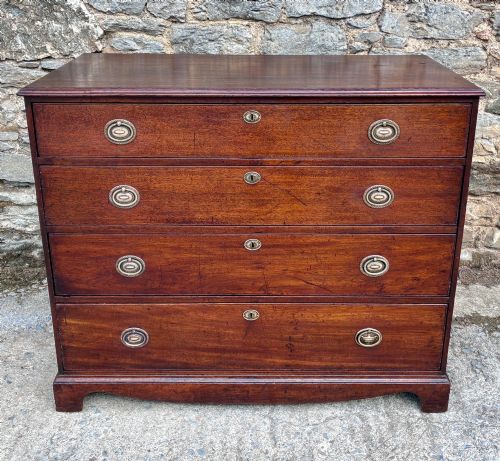
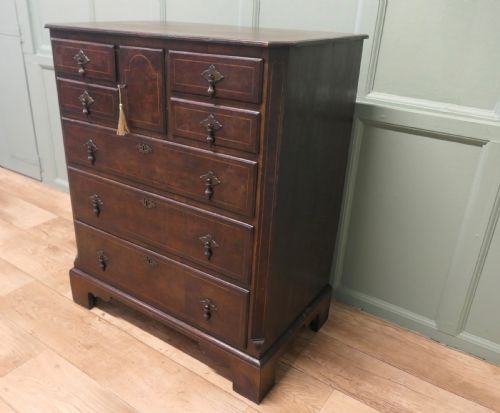
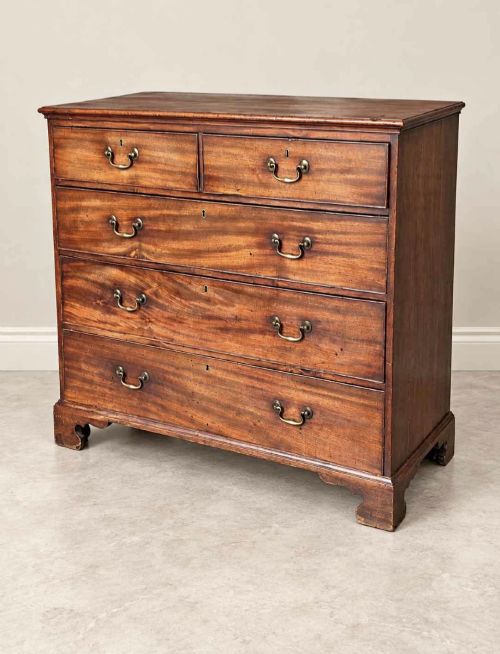
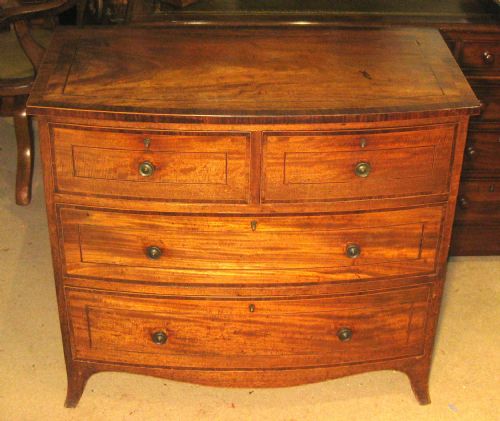
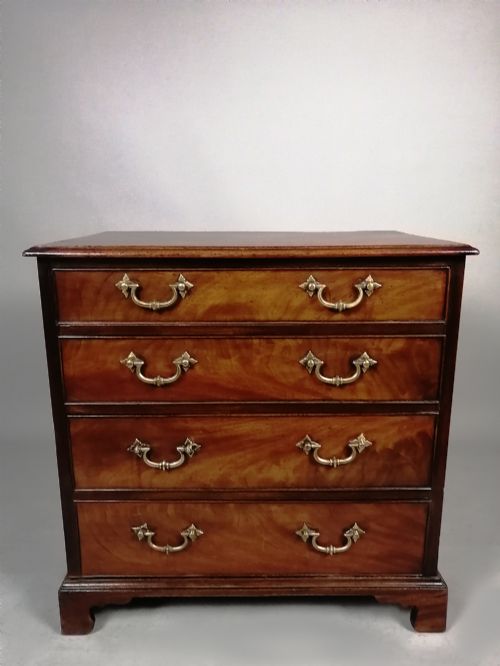
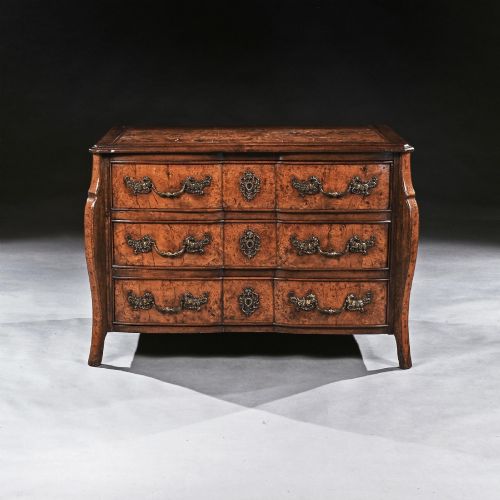
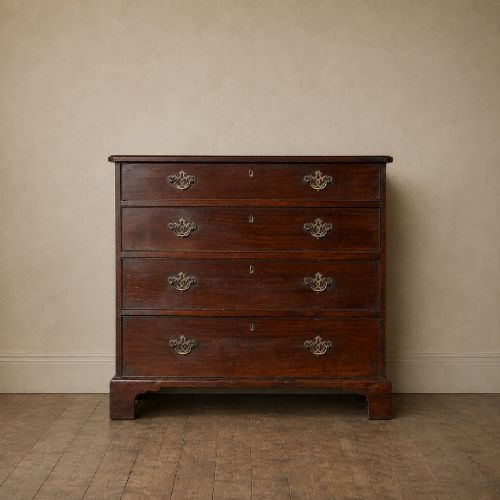
Buyers searching for an 18th century wood dresser encounter a variety of forms primarily consisting of chests of drawers, commodes, and sideboard bases. The listings predominantly show pieces from the Georgian and 18th century periods, alongside examples stretching into the 19th century.
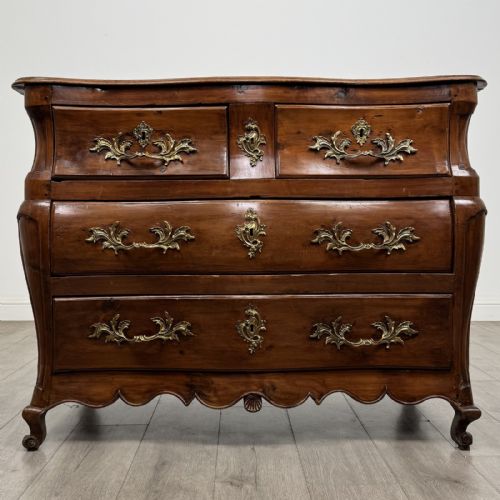
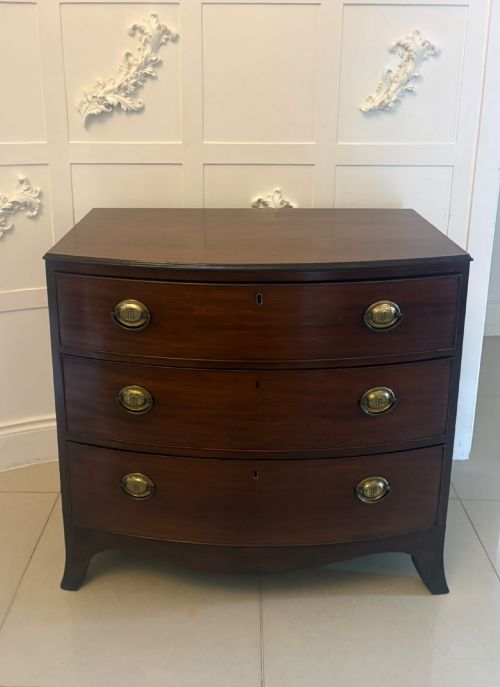
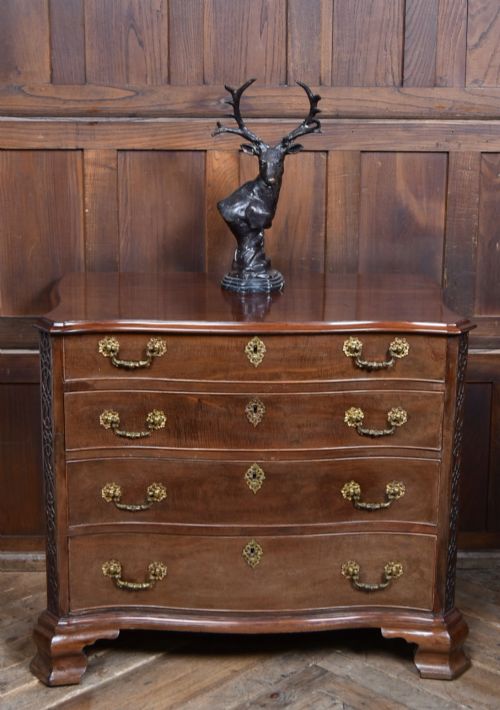
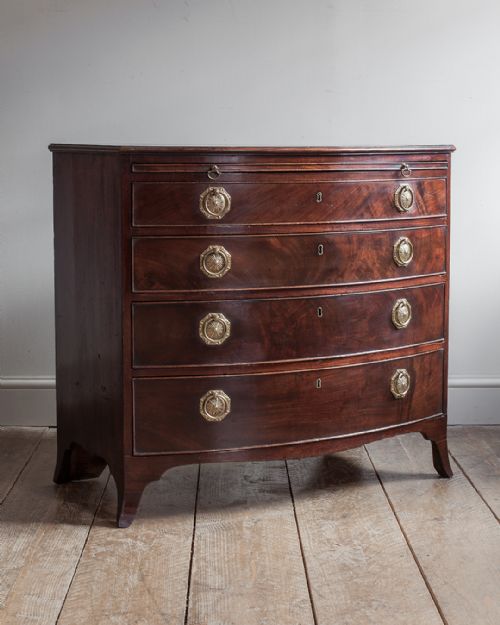
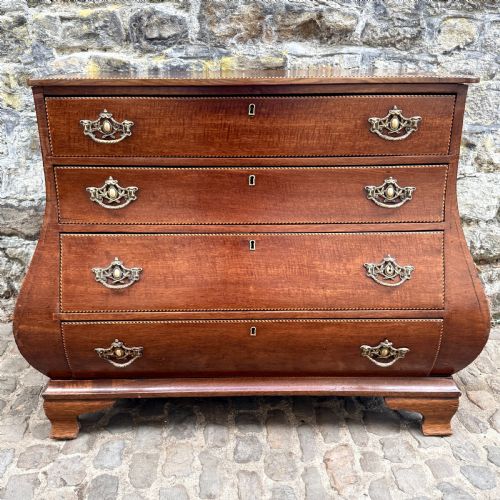
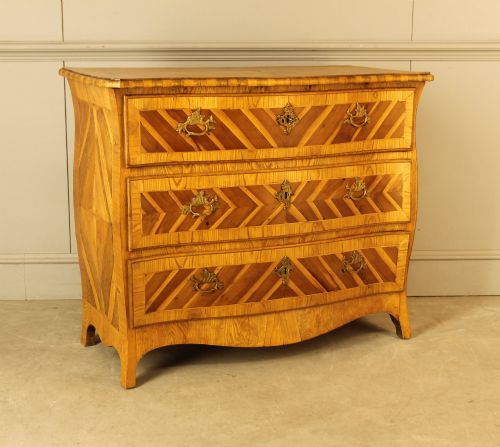
Regional variations appear frequently across the selection, ranging from English George II and George III mahogany models to French provincial commodes and Dutch bombe designs. Cabinetmakers produced these storage items in diverse configurations, including bow front, serpentine, and straight silhouettes.
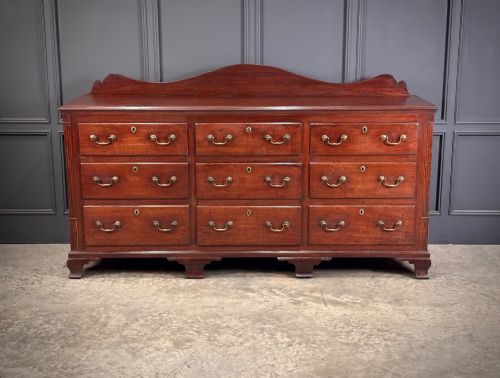
The practical function remains storage, manifested through banks of drawers, cupboard bases with potboards, and occasional integrated brushing slides. Timber selection heavily defines the appearance, moving from traditional native oaks and walnuts to imported tropical hardwoods.
Materials and Construction
Cabinetmakers utilised a range of domestic and exotic timbers, predominantly mahogany, oak, walnut, and cherry wood, supplemented by decorative veneers like satinwood, kingwood, and burr elm. Structural carcass work often relied on secondary softwoods or oak, whilst drawer linings and backs utilised native timbers appropriate to the region of origin.
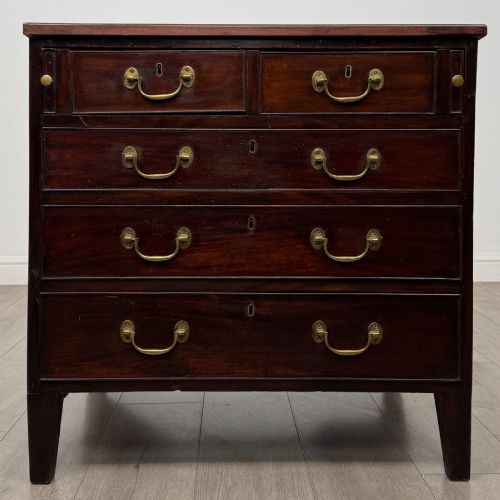
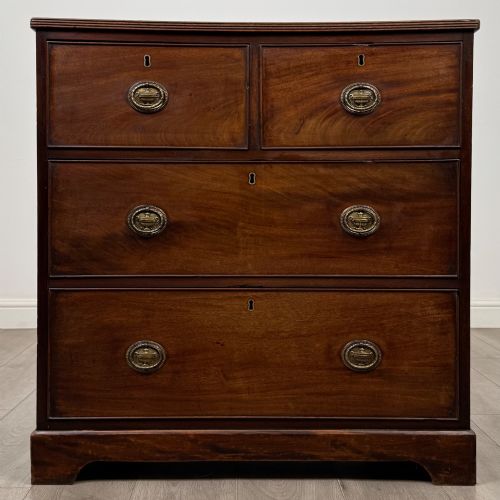
Construction techniques evolved around solid timber framing, dovetail joints for drawer construction, and hand-cut brass hardware such as drop handles and escutcheons. Surface finishes developed through repeated waxing and oiling, highlighting the natural grain and colour of the primary wood over centuries of use.
Some chests hide sliding shelves originally designed for brushing dust from waistcoats before morning visitors arrived.
Assessing Quality and Construction
Quality separates pieces through the crispness of the cabinetmaker's joinery, the selection of figured timber veneers, and the preservation of original brass hardware. Superior examples display tight dovetailing, uniform timber matching across drawer fronts, and minimal structural alteration over time.
The integrity of the surface timber and the depth of the finish significantly influence the standing of an individual piece. Items retaining their original polish, uncompromised drawer dividers, and unblemished brasses sit at the higher end of the range.
The 18th Century Wood Dresser Glossary
- Bow front
- A convex curved cabinet or chest front that swells outward in the centre. This shape became popular during the Georgian period for chests of drawers.
- Serpentine
- A front shaped with a central concave curve flanked by two convex curves, or vice versa. It requires considerable woodworking skill to execute properly.
- Bombe
- A swelling, bulging contour found on continental European furniture, particularly Dutch and French commodes. This pronounced profile creates a bulbous silhouette.
- Brushing slide
- A pull-out shelf integrated above the top drawer of a chest, historically used for folding clothes or writing. These slides operate on wooden runners.
- Potboard
- An open lower shelf fitted between the legs of a dresser base, traditionally used for storing pots and kitchen utensils. This feature is common on country vernacular furniture.
- Commode
- A low French chest of drawers or cupboard, often standing on relatively tall legs. The term encompasses various continental storage forms from the eighteenth century.
18th Century Wood Dresser: Frequently Asked Questions
What is a potboard dresser base?
A potboard dresser base is a heavy timber sideboard featuring an open lower shelf positioned near the floor. These utilitarian surfaces originated for practical kitchen storage in country houses.
Today, they function well in dining rooms or kitchens as serving surfaces with open display space underneath.
How do I spot a George III chest?
George III pieces typically display precise mahogany joinery, crisp dovetailing on the drawer construction, and restrained classical proportions. Brass drop handles or loop pulls often accompany these designs.
Many examples incorporate subtle decorative elements such as crossbanded drawer edges or brushing slides just beneath the top surface.
Where were bombe chests made?
Bombe chests originated primarily in continental Europe, with notable examples produced in the Netherlands, Sweden, and France. Cabinetmakers utilised shaped carcass frames to achieve the characteristic bulging silhouette.
Exotic veneers like satinwood or figured elm frequently cover the curved exterior surfaces of these regional showpieces.
Are these dressers suitable for modern bedrooms?
These historical storage pieces offer deep drawers and sturdy timber construction that easily accommodates modern apparel. Their classic proportions allow them to anchor contemporary bedroom layouts effectively.
Placing them away from direct heat sources helps maintain the stability of the antique wood and historic finishes.