



18th Century Wine Bucket
An 18th century wine bucket holds ice and bottles at the table, offering practical service wrapped in period character.
18th Century Wine Bucket
An 18th century wine bucket serves as a vessel for chilling bottles and holding ice during formal dining. The pieces seen on this page span the Georgian, George III, and George II periods, alongside 18th century Italian, French Provincial, and Dutch Baroque examples.
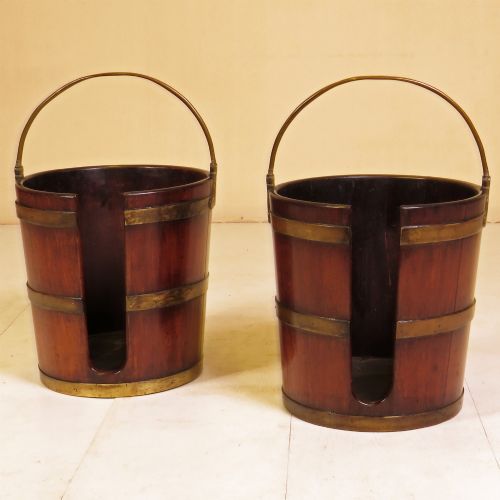
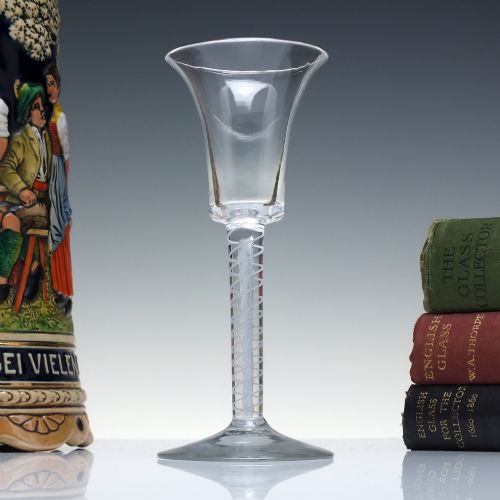
Beyond standard open coolers, the selection includes plate buckets, cellarettes, wine cisterns, monteiths, and ice pails. Several examples rest upon dedicated stands, while glass categories appear through wine glasses featuring bucket bowls.
Materials and construction methods
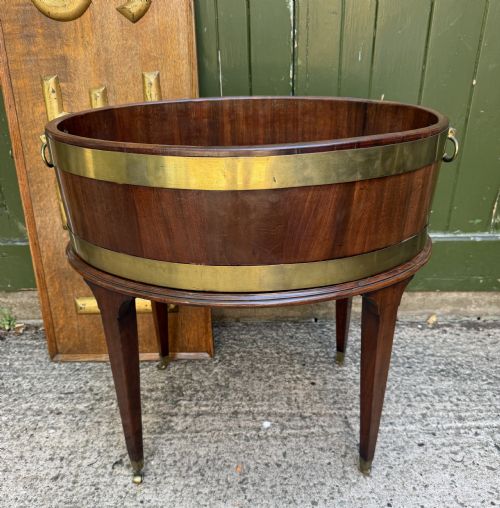
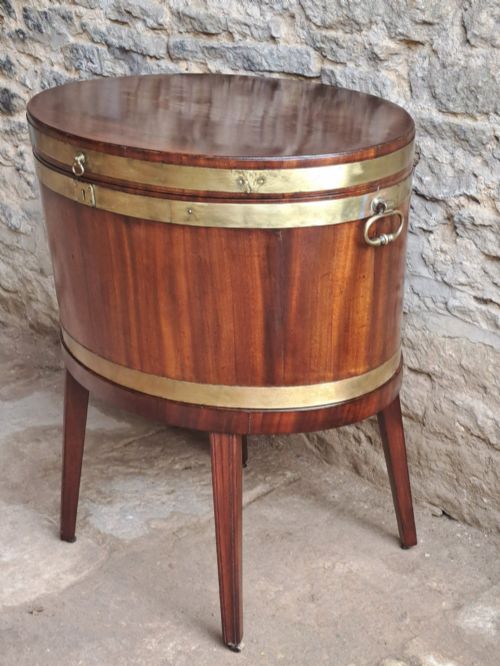
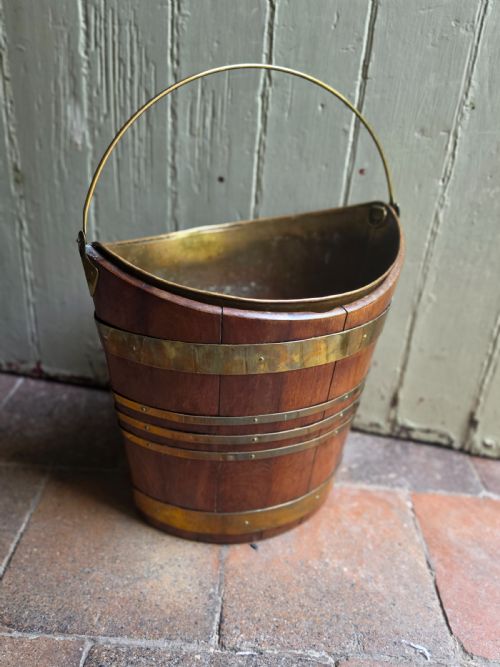
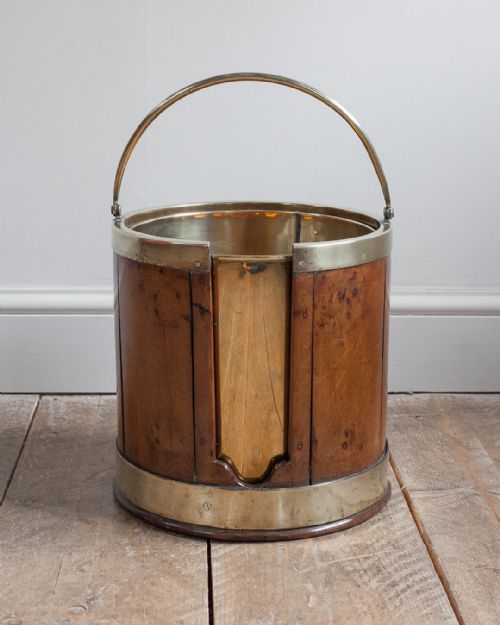
Makers constructed wooden bodies using dense hardwoods like mahogany and walnut, shaping them into oval, round, or waisted profiles. Metal bands in brass or copper were fitted tightly around these wooden staves to secure the structure against moisture and weight.
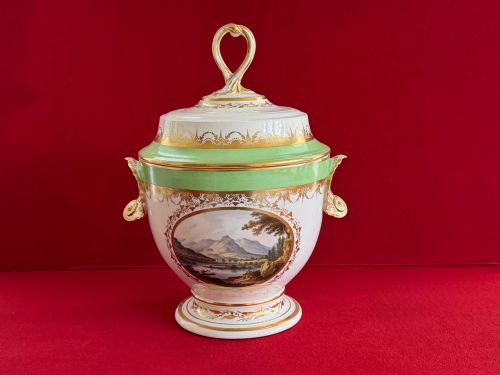
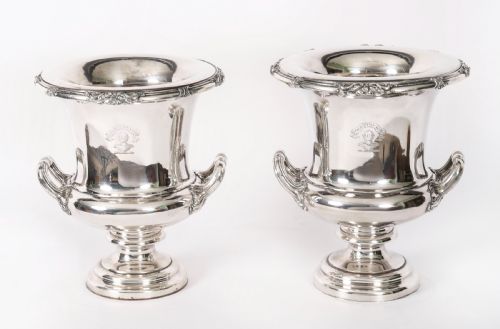
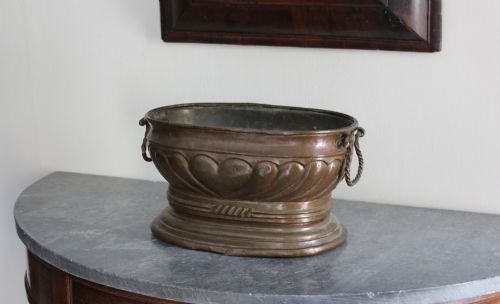
Metal vessels utilised heavy sheets of copper or brass, hammered and joined to form watertight cisterns, monteiths, and table bowls. Porcelain examples relied on traditional ceramic potting and hand-painted decoration applied by specialists.
Liners in zinc or lead-lined interiors frequently protected timber construction from melting ice and spilled liquid. Stands incorporated matching mahogany framing, sometimes raised on square legs or castors for movement.
The listings show mahogany combined with brass banding as the dominant material combination for these vessels.
Distinctions in quality
The refinement of the timber and the crispness of the brass fittings determine the standing of an 18th century wine bucket. Pieces possessing a rich, warm patina on figured mahogany sit above plainer variants.
Proportion and structural completeness dictate the desirability of standalone items versus those on original stands. The presence of period-correct brass drop handles, liners, and secure banding separates standard utility pieces from exceptional examples.
George Robertson
The 18th Century Wine Bucket Glossary
- Cellarette
- A lockable container used for storing wine bottles beneath the sideboard or beside the dining table. They share similar timber construction with wine buckets.
- Monteith
- A scalloped metal bowl utilised for chilling wine glasses by their stems, originating in the late 17th century and continuing into the 18th century.
- Plate bucket
- A cylindrical wooden vessel designed for carrying and storing dining plates safely. These often match the timber and brass binding of contemporaneous wine coolers.
- Zinc liner
- A protective metal insert placed inside wooden buckets to hold ice and water without damaging the surrounding wood. Many retain their original linings.
- Brass-bound
- A technique where strips of polished brass encircle wooden staves to provide strength and decorative contrast. These bands are secured with tiny brass pins.
18th Century Wine Bucket: Frequently Asked Questions
What is an 18th century wine bucket?
An 18th century wine bucket is a vessel designed to hold wine bottles and ice during dining. These pieces served to keep drinks chilled at the table.
They take the form of wooden staved buckets with brass bands, metal cisterns, or porcelain ice pails. Many sit on stands or function as cellarettes.
How were these buckets used?
These items held ice and water to cool wine bottles before and during meals. They stood on the floor or on side tables near diners.
Some variants, such as plate buckets, transported tableware between the pantry and the dining room. Others functioned as jardinières for plants when not serving wine.
How do I care for wooden wine buckets?
Keep wooden pieces away from direct heat sources and sudden temperature shifts to prevent timber splitting. Maintain the wood using appropriate paste wax.
Avoid leaving standing water inside unlined wooden buckets for extended periods. Wipe metal liners dry after use to preserve the interior.
How can I tell George III pieces apart?
George III pieces often display characteristic mahogany grain paired with hand-beaten brass banding. The joinery and handle styles reflect late 18th-century cabinet-making standards.
Proportions tend towards oval or waisted profiles supported by original stands or feet. Compare the patination of the wood and brass to confirm period integrity.