

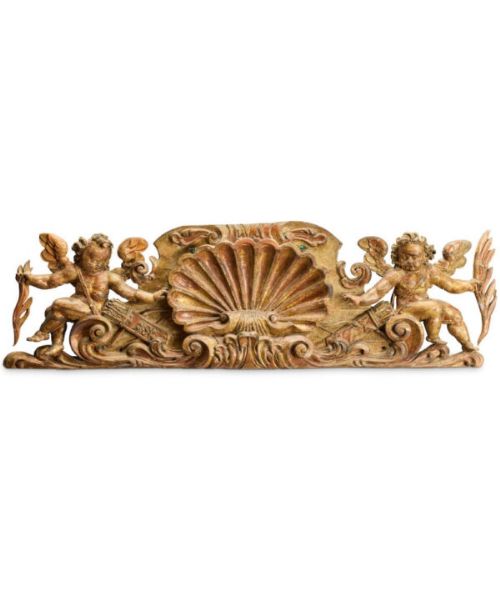


18th Century Wall Pediment
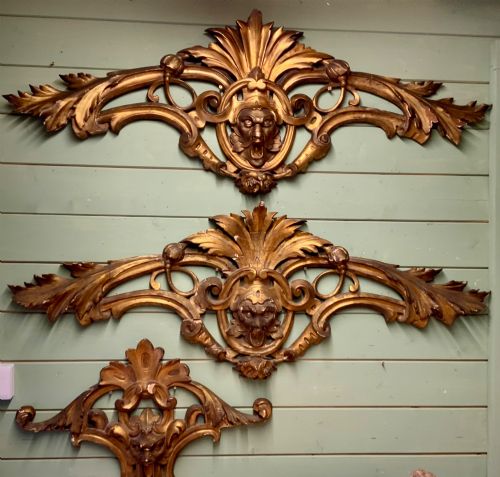
When you search for 18th century wall pediment, you encounter carved wood architectural fragments, mirrors and cabinets shaped by Georgian and Baroque hands.
18th Century Wall Pediment
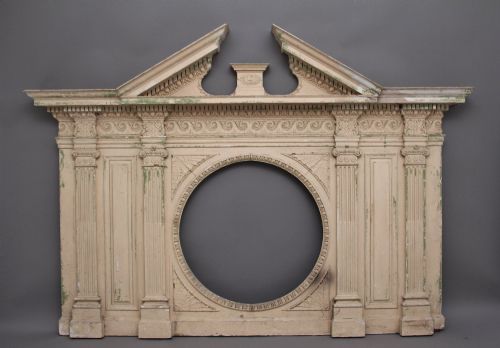
An 18th century wall pediment brings architectural form indoors, originating as crowning elements above doorways, furniture and mirrors during the Georgian and Baroque eras. Buyers seeking this search phrase often find detached carved wood decorations, architectural salvage and pedimented furniture tops.
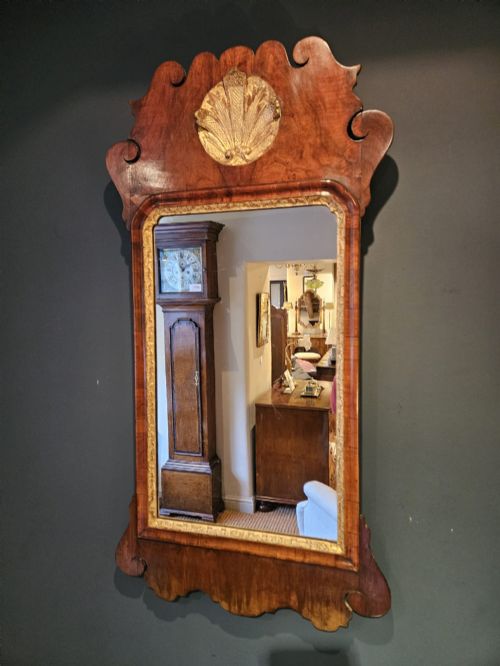
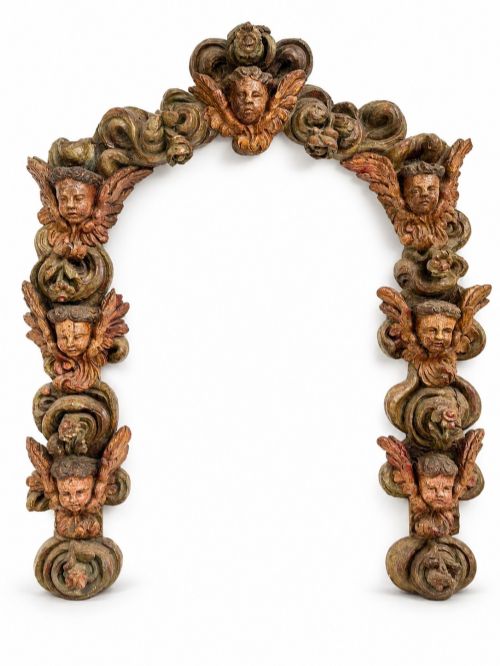
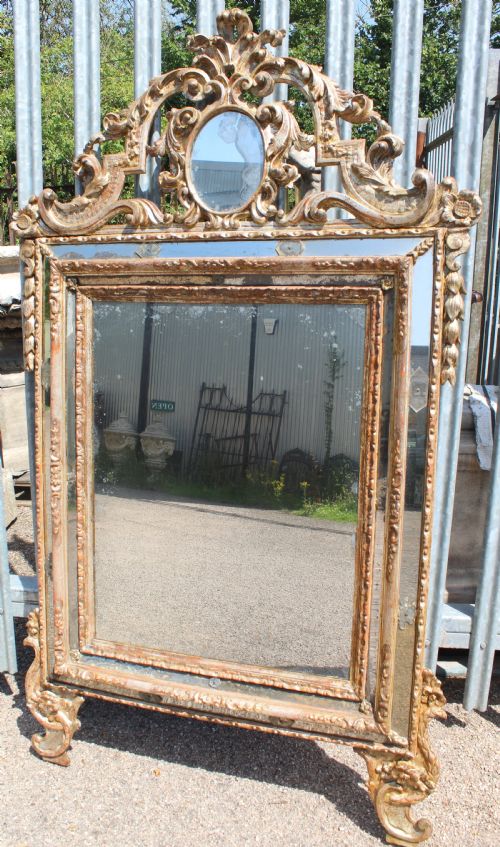
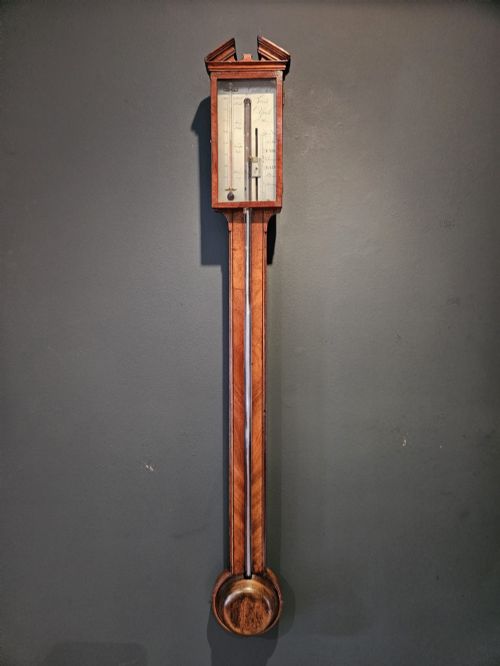
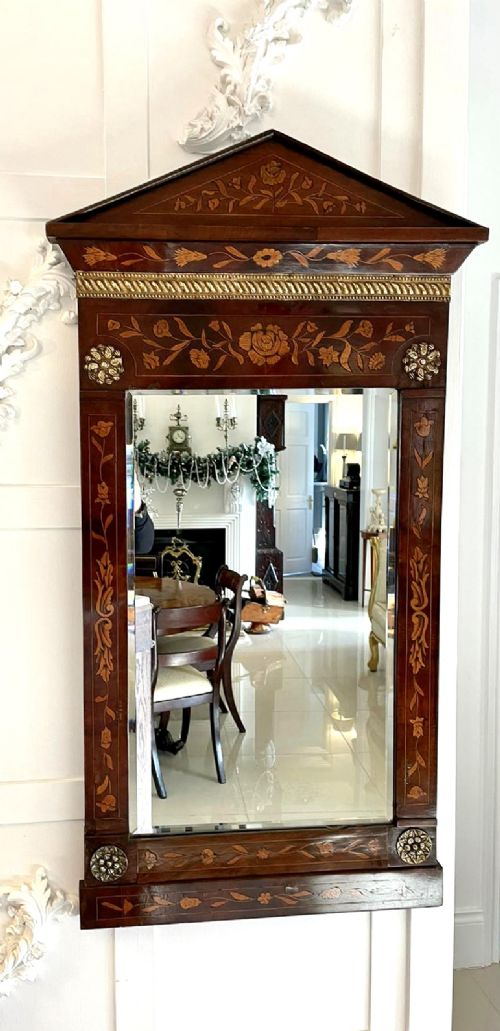
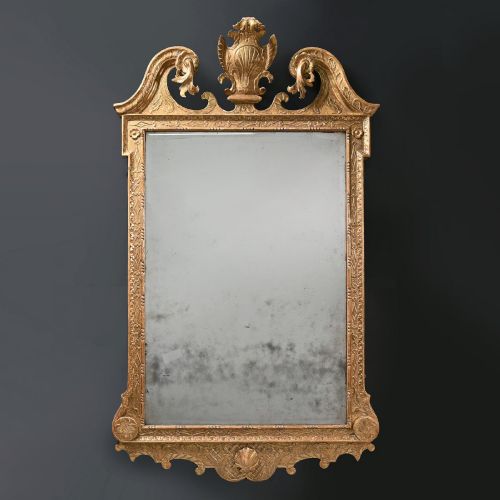
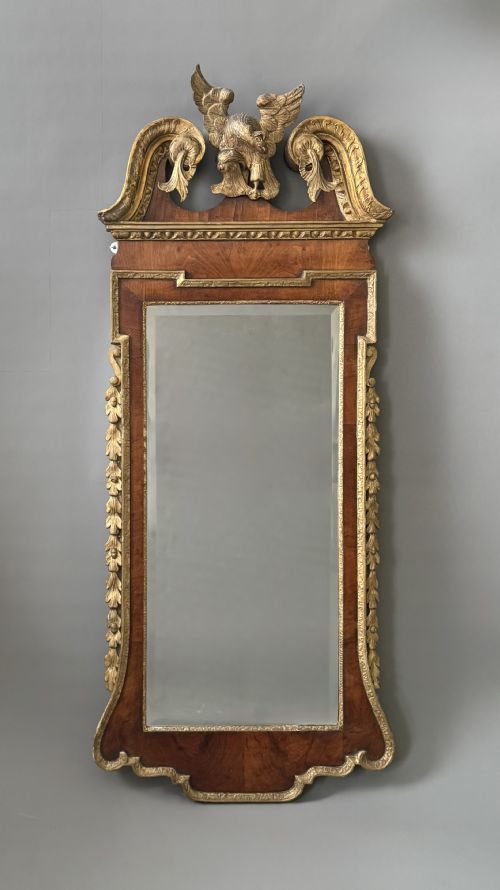
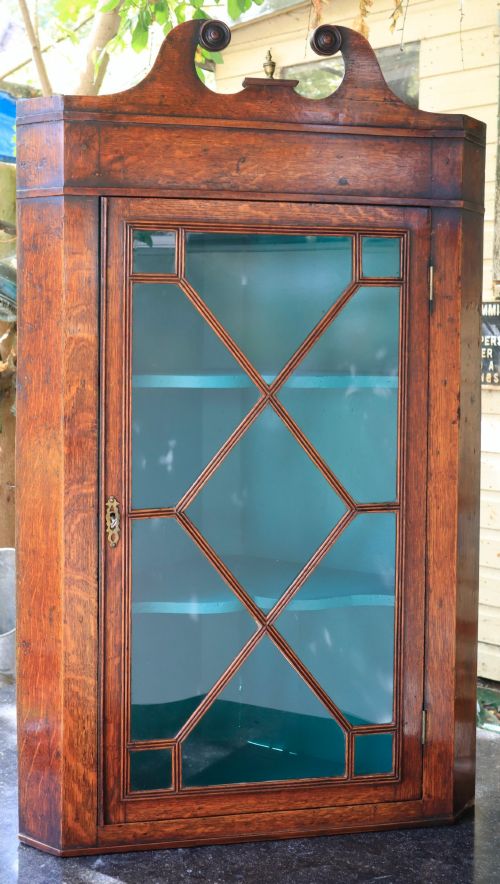
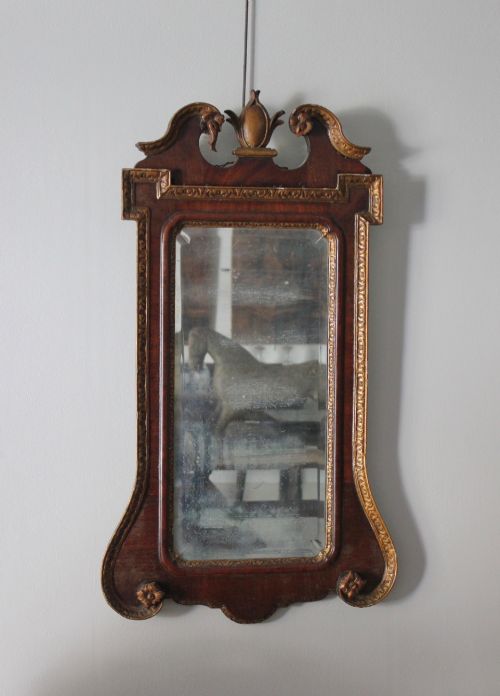
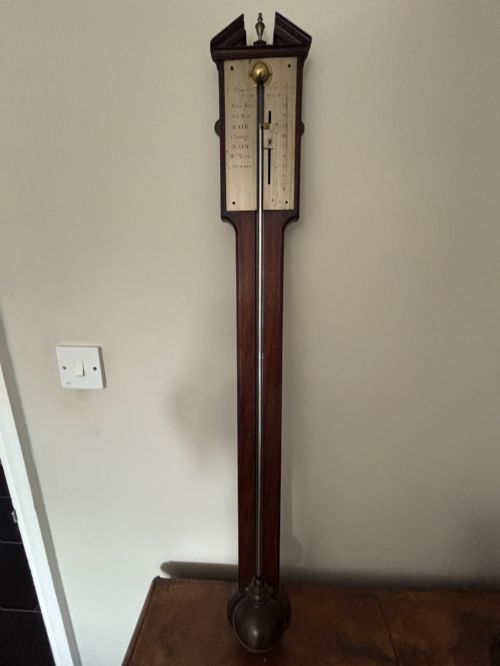
The pieces on this page span several centuries and styles, including Italian Rococo, French Rococo and English Baroque. While some items are standalone carved wood and parcel gilt architectural pediments, others form the upper crowns of corner cupboards, trumeau mirrors and stick barometers.
How they were made
Carvers shaped these architectural elements from timbers such as mahogany, oak, walnut and pine, applying gesso to prepare surfaces for gilding or painting. Artisans used carving techniques to render intricate details like winged putti and floral garlands, reflecting the sculptural ambition of the period.
Surface decoration frequently relied on parcel gilding, silver leaf, polychrome pigments and delicate marquetry in boxwood and satinwood. These treatments enhanced the architectural lines of the woodwork, catching candle or daylight within a period interior.
18th Century Wall Pediment Retail Price Guide 2026
Typical asking prices for 18th century wall pediment among the pieces listed under this phrase on Sellingantiques today, from the lower quarter to the upper quarter. They describe what is for sale here now, not the wider market.
Listings feature architectural salvage, wall mirrors and corner cupboards spanning the 17th, 18th, and 19th centuries in mahogany, walnut, oak and giltwood.
What varies in quality
Quality rests upon the crispness and depth of the hand-carved detail, distinguishing master woodcarvers from routine workshops. Crisp undercut foliage and expressive figures demonstrate a higher tier of craftsmanship than shallow, mechanical tooling.
The integrity of the original surface finish, whether giltwood, painted pine or polished walnut, dictates the visual authority of the piece. Surviving gilding and untouched patination elevate an architectural fragment from simple salvage to a focal work of art.
George Adams London·Pinchetti & Co London·Tarone Gally & Co
The 18th Century Wall Pediment Glossary
- Pediment
- An architectural crowning element, typically triangular or segmental, placed above doors, windows, mirrors or cabinets. In interior decoration, it elevates the visual height and formality of a piece.
- Parcel Gilt
- A surface decoration technique where only specific raised portions of an object are covered in gold leaf. This method highlights carved details against a contrasting background of painted or polished wood.
- Gesso
- A plaster-like mixture applied to wood surfaces as a smooth base for gilding or painting. It allows intricate relief work to be carved and gilded with precision.
- Marquetry
- The art of applying decorative veneer pieces in wood, shell or ivory to form geometric or pictorial designs. It appears on high-status furniture surfaces from the period.
18th Century Wall Pediment: Frequently Asked Questions
What is an 18th century wall pediment?
An 18th century wall pediment is a decorative architectural crown, either carved from wood as a standalone fragment or forming the upper architectural feature of a mirror, cabinet or barometer.
These elements reflect the classical revival and exuberant tastes of the Georgian, Baroque and Rococo periods, bringing monumental architectural scale into domestic rooms.
How were wall pediments used originally?
Masons and joiners originally fixed pediments above interior doorways, monumental case furniture, and large wall mirrors to create a sense of classical order and architectural gravity.
In domestic settings, they framed the focal points of panelled rooms, drawing the eye upward and emphasising the height of the ceiling.
How do I hang a wall pediment?
Hanging a carved wooden pediment requires assessing the weight of the timber and the security of the original structure. Most pieces feature integrated hanging points or benefit from custom concealed brackets.
Ensure the fixing engages securely with wall studs or appropriate masonry anchors, allowing the decorative crest to sit firmly without straining old joints.
How can I tell a Georgian pediment from later styles?
Georgian pediments display the specific timber usage, tool marks and construction methods of the eighteenth century, such as hand-sawn secondary woods and traditional hide glue. Later revival styles often exhibit machine-cut precision or different surface preparations underneath the gesso.
Comparing the carving depth and the natural ageing of the wood helps distinguish genuine period pieces from nineteenth-century interpretations.