

18th Century Vessel
An 18th century vessel brings the tangible weight of Georgian dining, apothecaries, and domestic service straight into your hands.
18th Century Vessel
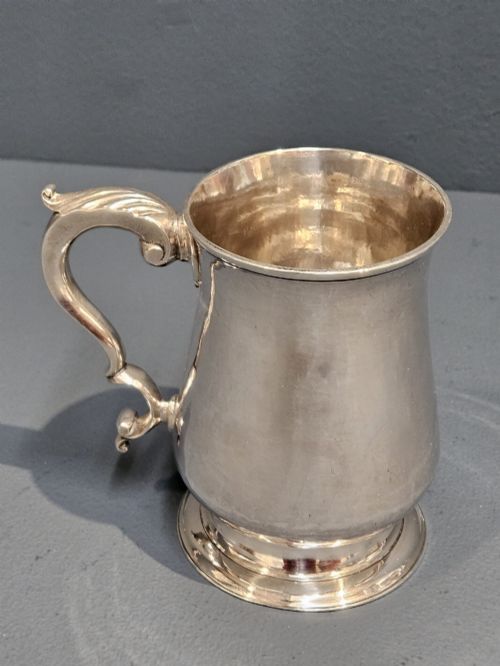
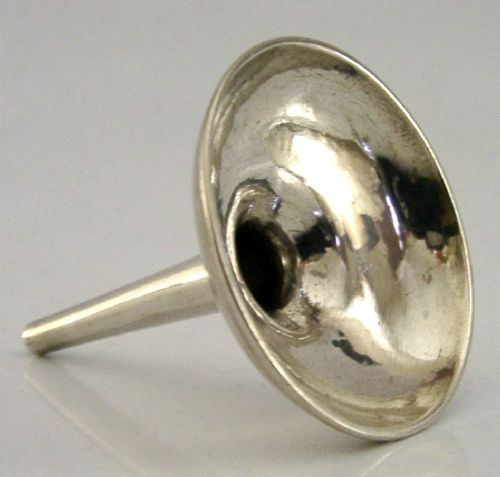
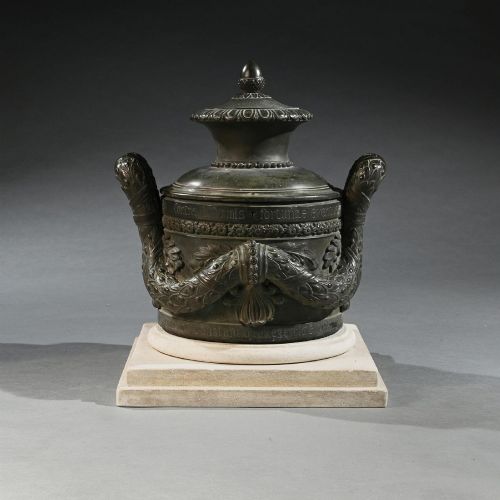
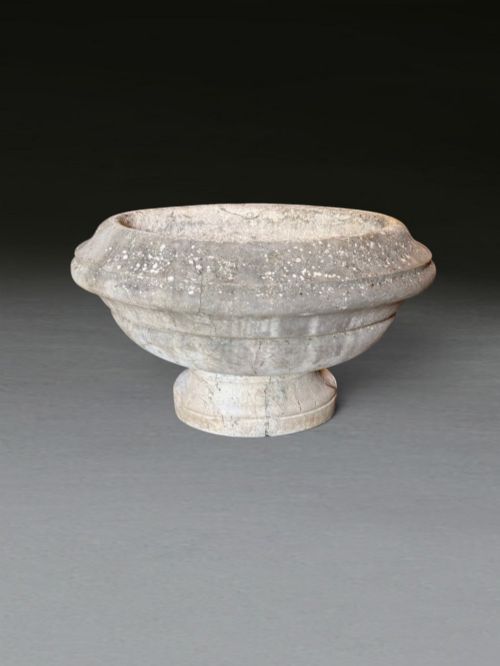
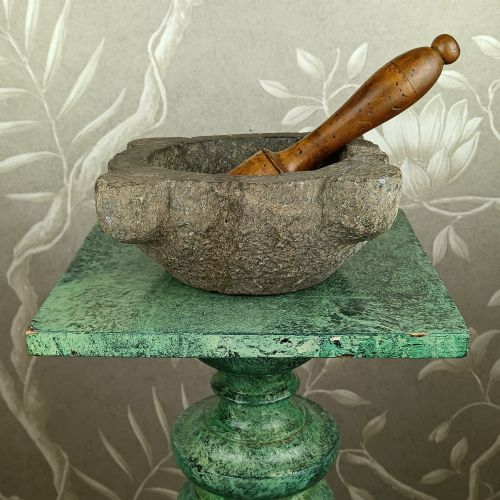
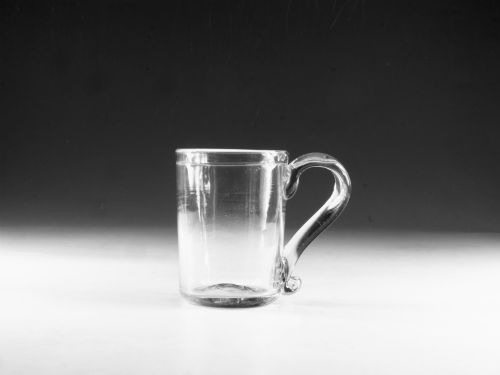
When you search for an 18th century vessel, you encounter a diverse group of domestic and utilitarian containers spanning glass, ceramic, and metal forms. These encompass everyday tableware, tavern glassware, apothecary jars, and heavy kitchen metalware originating from English, European, and Asian workshops.
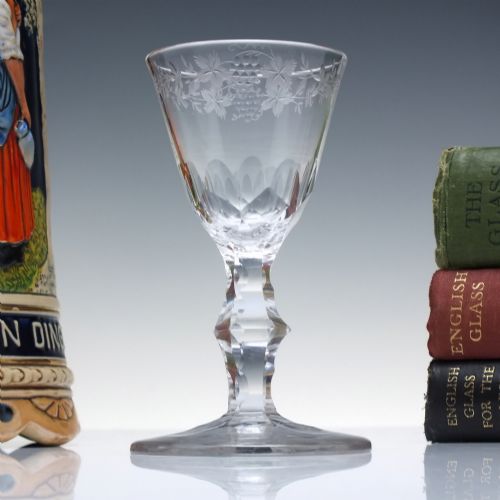
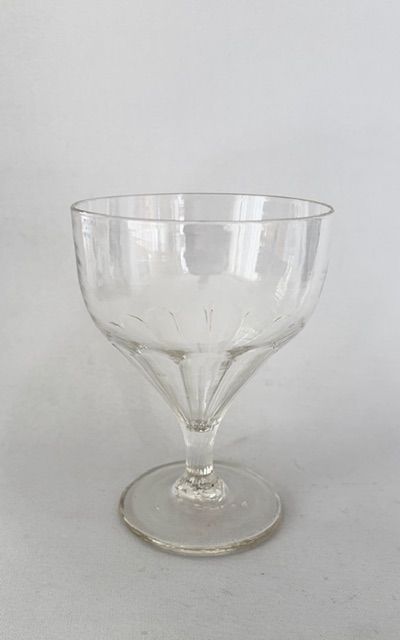
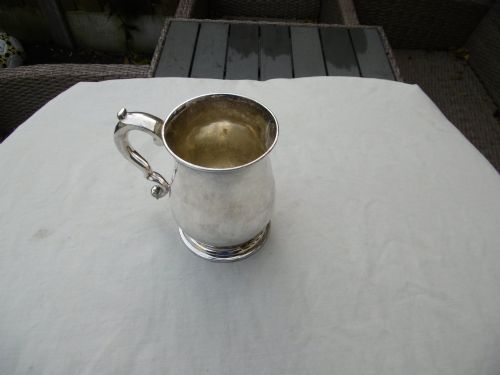
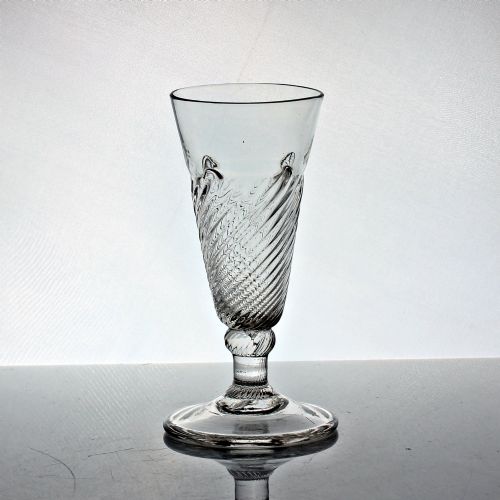
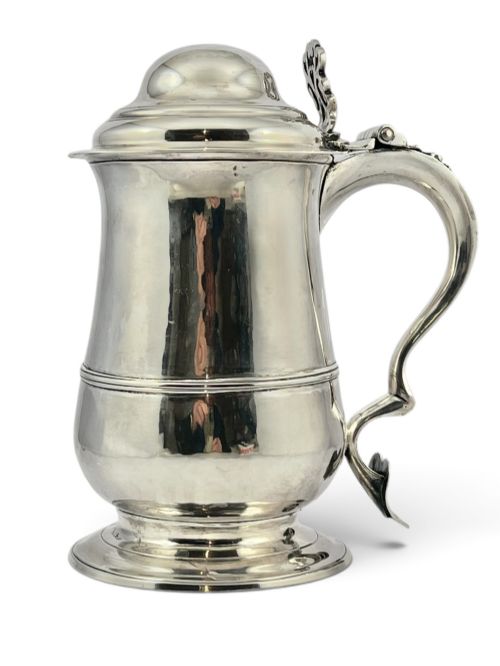
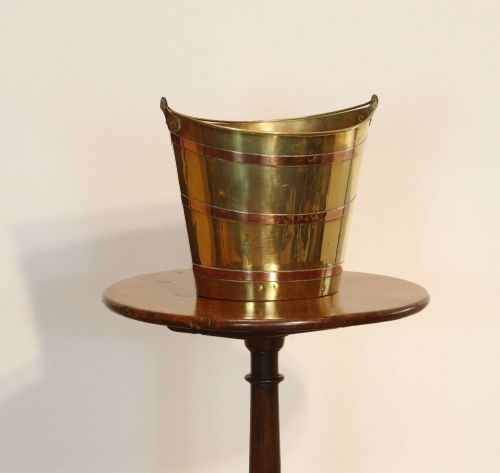
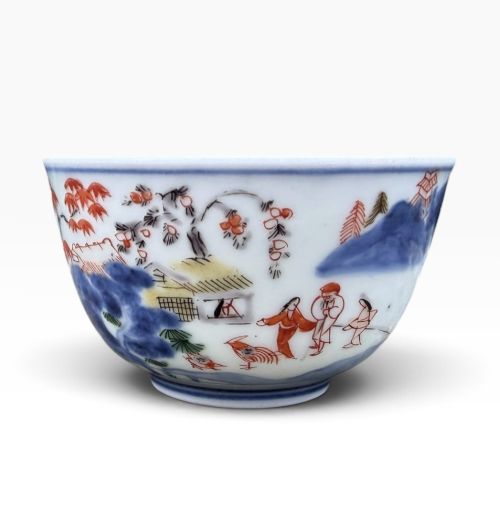
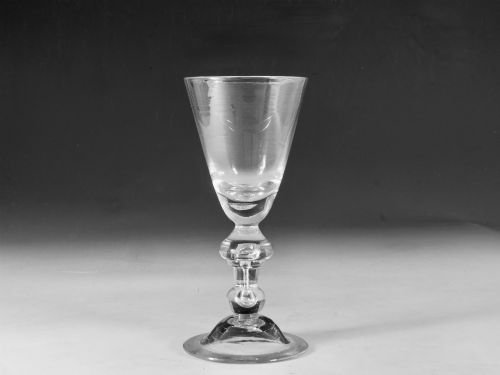
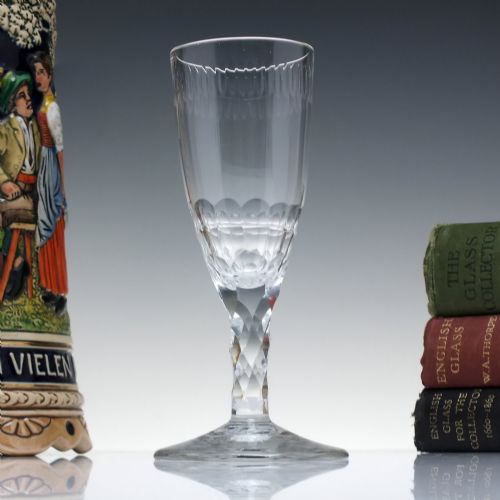
The glassware dominates this selection, ranging from facet-cut ale glasses and opaque twist wine goblets to heavy onion bottles and decanters. Alongside glass, you find Delftware storage jars, Imari porcelain vases, and sturdy copper, brass, and pewter pouring containers.
Most examples date firmly within the Georgian era or the broader seventeen-hundreds, reflecting the functional needs of the period. Buyers discover objects designed for holding wine, spirits, mustard, dry goods, or oils, each shaped by the domestic habits of the era.
Materials and Methods
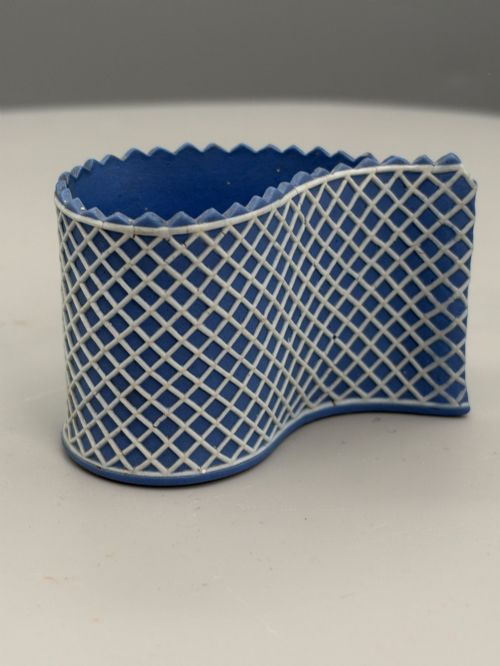
Ceramic vessels relied on throwing clay or porcelain bodies, followed by tin-glazing in the case of Delftware or delicate underglaze painting for Imari imports. Metal items such as copper jugs, brass pots, and pewter measures involved hammering, casting, and soldering sheet metal or molten alloy into durable shapes.
18th Century Vessel Retail Price Guide 2026
Typical asking prices for 18th century vessel among the pieces listed under this phrase on Sellingantiques today, from the lower quarter to the upper quarter. They describe what is for sale here now, not the wider market.
The object forms range from drinking glasses and apothecary jars to warming flasks, spice towers, and pilgrim flasks.
Assessing Quality and Execution
Quality rests in the crispness of the hand-forming and the proportional harmony of the finished piece. A well-executed glass stem or a cleanly thrown Delft jar displays purposeful balance rather than mechanical uniformity, showing the hand of the maker in every contour.
Material clarity and decorative restraint distinguish finer examples from standard utility wares. Finely engraved hop and barley motifs on a wine glass or precise tin-glaze painting on a bough pot elevate an ordinary storage container into an accomplished work of period craftsmanship.
John King·Spode·Wedgwood
The 18th Century Vessel Glossary
- Opaque twist
- A type of glass stem featuring white or coloured enamel threads drawn into spiral patterns inside the clear metal.
- Baluster stem
- A thick, swelling glass stem shape reminiscent of architectural balusters, common in early eighteenth-century drinking vessels.
- Delft
- Tin-glazed earthenware produced in England and the Netherlands, typically decorated in blue on a white opaque background.
- Folded foot
- A glass base where the outer rim is turned underneath to create a thickened, durable edge.
- Imari
- Japanese porcelain featuring a distinctive palette of underglaze blue, iron red, and gilt, highly prized in Europe.
18th Century Vessel: Frequently Asked Questions
What defines an 18th century vessel?
An 18th century vessel encompasses any hollow container made for holding liquids, dry goods, or personal items during the seventeen-hundreds. This category includes drinking glasses, apothecary jars, porcelain vases, and metal jugs.
These pieces reflect the domestic, medical, and dining customs of the Georgian period and earlier European and Asian traditions.
How do I identify glass periods?
Glass pieces reveal their age through weight, pontil marks, and stem construction. Early pieces often feature heavy lead metal, thick balustroid stems, and folded feet.
Later eighteenth-century examples lean towards lighter facet cutting, opaque twists, and refined engraving styles.
Were these vessels used daily?
Most of these containers served strictly practical purposes in homes, taverns, apothecaries, and kitchens. Items like wine bottles, spirit measures, oil pots, and drinking glasses saw active, everyday use.
Over time, survival rates depended heavily on the durability of the material and whether the object was stored away or kept in service.
How do I care for antique glass and ceramics?
Antique glass and ceramics require gentle handling and stable environmental conditions away from direct sunlight and sudden temperature changes. Hand washing in lukewarm water with mild soap is generally preferred over modern dishwashers.
Metal items such as copper and brass benefit from occasional dusting and the preservation of natural patinas rather than aggressive polishing.