





18th Century Tool
These 18th century tool examples span domestic hearths, scientific study, and personal utility, offering tactile links to Georgian life.
18th Century Tool
When you search for an 18th century tool, you encounter diverse artefacts shaped by Georgian craftsmanship across domestic, scientific, and garden contexts. The selection on this page leans heavily toward fireplace accessories, kitchenware, and scientific instruments like portable sundials.
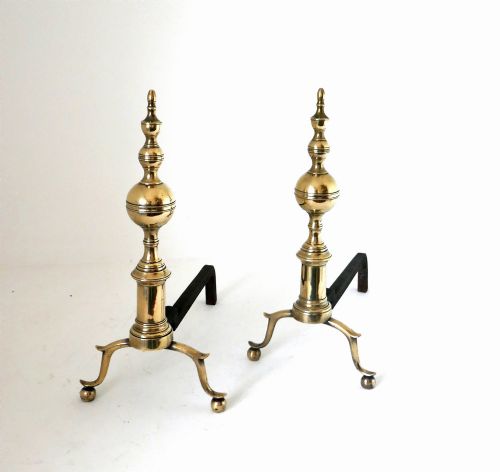
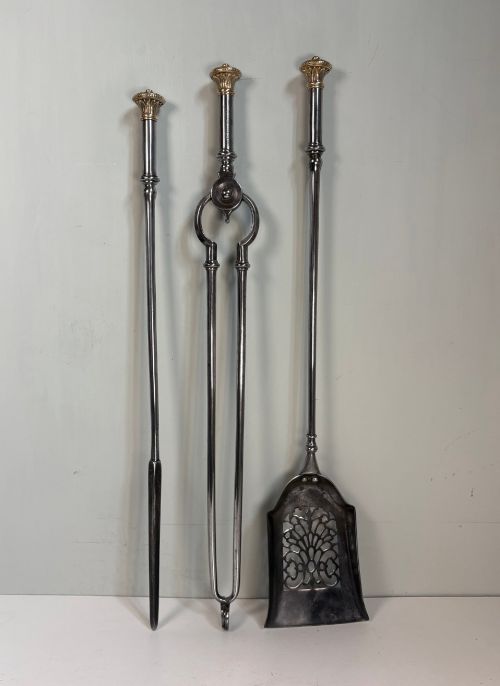
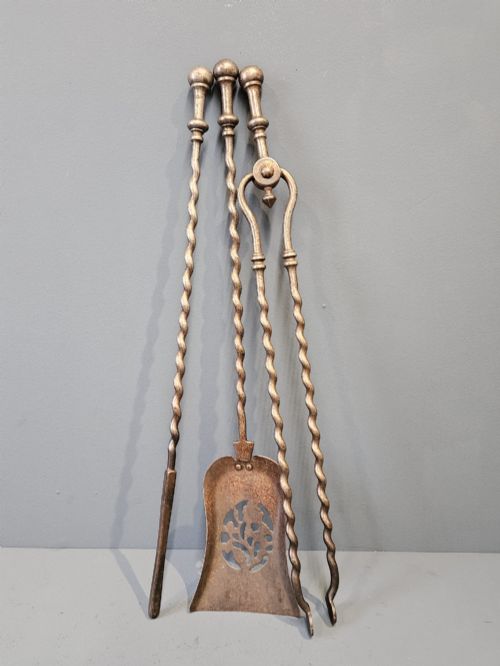
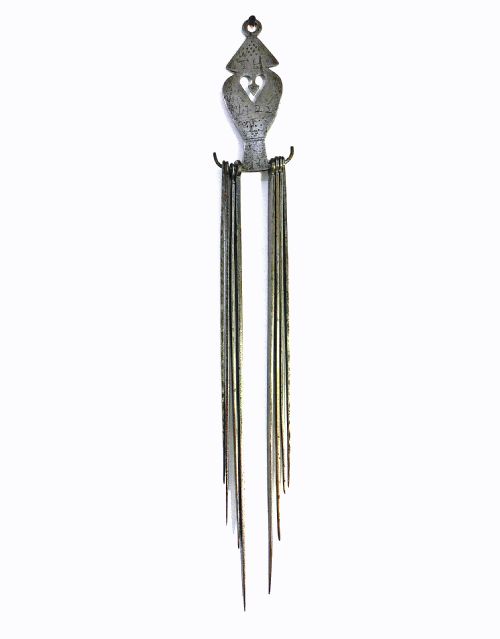
Domestic and hearth implements form a distinct category, featuring sets of steel fire irons, brass and iron andirons, meat skewers, and goffering irons. These items reflect the daily necessities of large and modest households during the Georgian period.
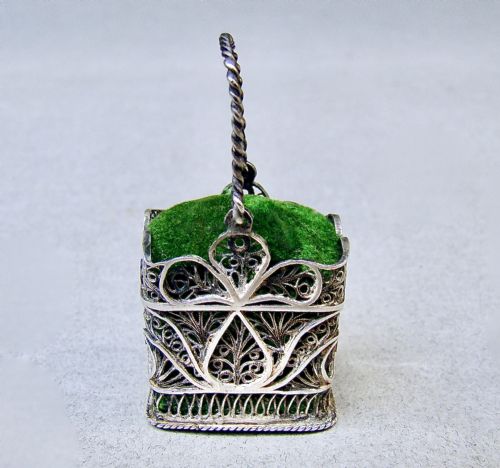
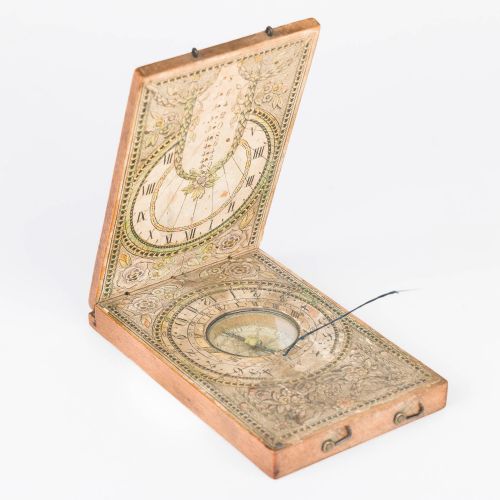
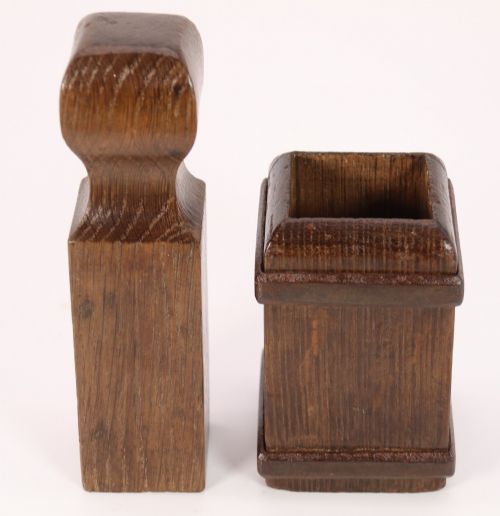
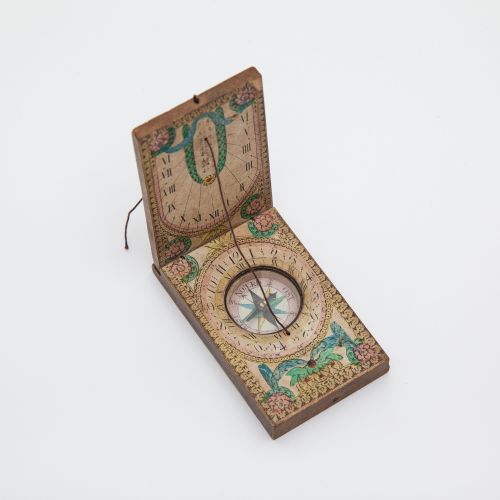
Scientific and personal items also populate the category, including diptych dials, apothecary mortars, and silver cased corkscrews. Such pieces demonstrate the broader scope of period instrumentation and portable utility beyond mere manual labour.
Materials and construction methods
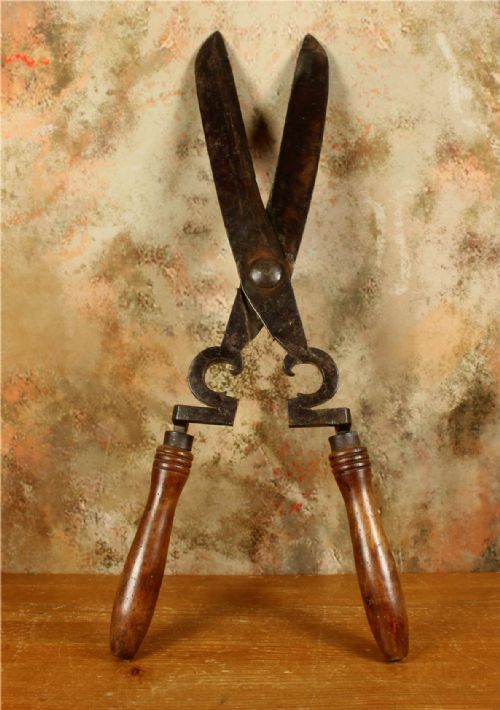
Metals dominate the construction of these implements, with steel, brass, bronze, and wrought iron shaped through forging and casting. Fire irons and gardening shears rely on the tensile strength of steel and iron, whilst decorative elements often utilise cast brass.
Organic materials such as wood, leather, bone, and paper complement the metalwork in objects like apothecary crushers, portrait miniature cases, and portable books. These materials were worked by hand using traditional joinery, stitching, and binding techniques appropriate to the era.
18th Century Tool Retail Price Guide 2026
Typical asking prices for 18th century tool among the pieces listed under this phrase on Sellingantiques today, from the lower quarter to the upper quarter. They describe what is for sale here now, not the wider market.
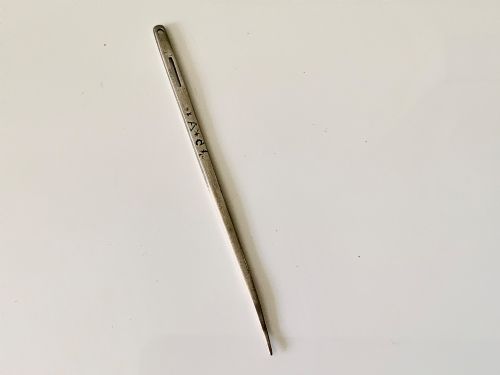
A Georgian tongue depressor reminds us that medical examinations in the 18th century possessed a surprisingly metallic directness.
Judging the quality of period implements
Quality in an 18th century tool rests on the precision of the metalwork, the integrity of the joins, and the survival of original components. Complete sets, such as matched fire irons or full sets of meat skewers with their holders, demonstrate superior original conception.
Subtle details like period engraving, maker marks, and the quality of finish on brass mounts elevate certain items above basic utility wares. Conversely, heavy replacement of parts or crude later repairs diminish the integrity of the piece.
The 18th Century Tool Glossary
- Andirons
- Supports used to hold logs in an open fireplace, frequently made from cast brass and iron during the Georgian era.
- Goffering iron
- A heated metal tool used in the 18th century for pressing ruffs, frills, and lace caps.
- Etui
- A small ornamental case used to hold needles, small tools, and writing implements.
- Diptych-dial
- A portable folding sundial and compass combination used for telling time while travelling.
- Treen
- Small domestic wooden objects turned on a lathe, such as mortars and pestles.
18th Century Tool: Frequently Asked Questions
What counts as an 18th century tool?
The term covers implements created between the years 1701 and 1800, spanning domestic kitchenware, hearth furniture, garden shears, and scientific instruments.
Items range from heavy wrought iron and brass fireplace equipment to delicate silver cased corkscrews and portable sundials.
How were fire irons used?
Steel and brass fire irons, including pokers, tongs, and shovels, were standard hearth accessories used to manage coal or wood fires.
Sets were often displayed prominently in the main rooms of Georgian homes as both functional equipment and status symbols.
Are scientific instruments common?
Portable scientific instruments from this era appear primarily as diptych sundials with integrated compasses for navigation and timekeeping.
These pieces were constructed from wood, paper, and metal, designed for travellers and scholars of the Georgian period.
How do I care for old metal tools?
Historic metal items require dry storage and occasional light application of microcrystalline wax to stabilise steel and brass surfaces.
Avoid aggressive modern cleaning agents that strip away the patination accumulated over centuries of existence.