


18th Century Tea Cups
These 18th century tea cups are delicate historical ceramic vessels made for social tea drinking, offering tactile connection to Georgian domestic life.
18th Century Tea Cups
When you search for 18th century tea cups, you encounter a variety of forms including tea bowls, coffee cups, and matched saucers spanning the Georgian period. Most domestic examples originate from English factories like Worcester and Lowestoft, alongside significant imports from Chinese export porcelain production.
The objects take the form of small handleless tea bowls or footed cups accompanied by matching saucers. These pieces reflect the evolving social rituals of tea consumption during the eighteenth century across British and continental households.
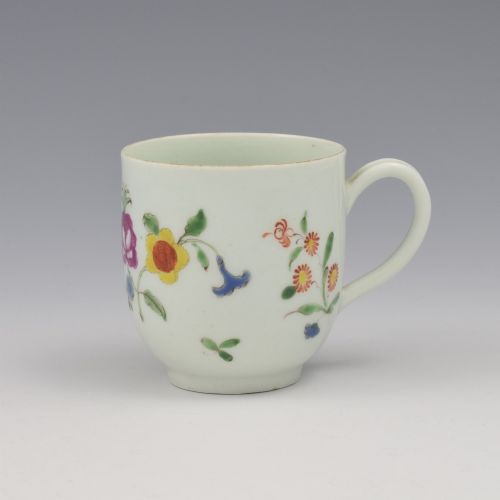
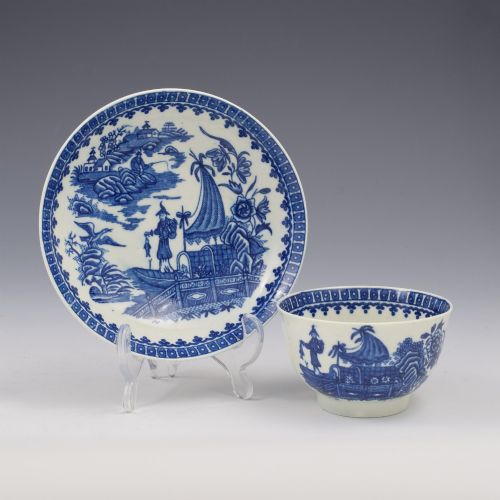
English soft-paste porcelain and creamware dominate the domestic offerings, while Chinese porcelain pieces decorated in famille rose or cobalt blue represent the global trade of the era. The selection ranges from simple blue and white painted tea bowls to elaborate matched trios.
How they were made
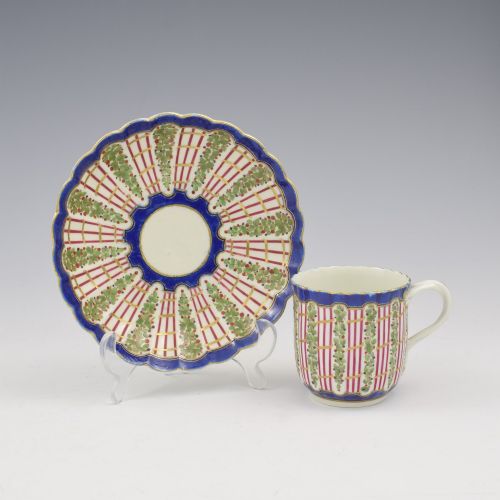
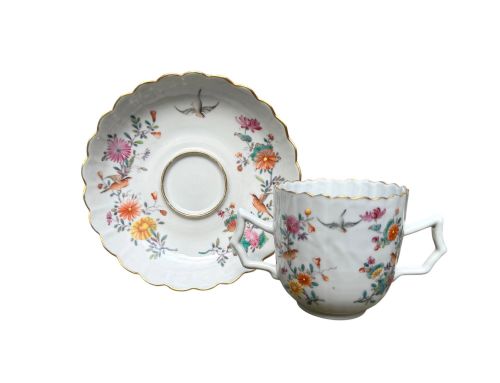
Potters shaped soft-paste porcelain, earthenware, creamware, and enamel using traditional throwing and moulding techniques before applying cobalt glaze or enamel pigments. Factories such as Worcester employed skilled painters to execute intricate patterns like hop trellis, fishers, and bird motifs by hand.
Chinese export wares were created overseas to Western tastes, utilising fine porcelain bodies painted in vibrant palettes like the Mandarin palette or famille rose enamels. Gold leaf and gilding were frequently added as final touches during secondary firing processes to elevate the decorative surface.
Circus acrobats perform tumbling feats across vibrant eighteenth-century porcelain saucers, bringing playful acrobatics to the quiet ritual of afternoon tea.
What varies in quality
The refinement of the ceramic body and the precision of the hand-painted decoration distinguish finer examples from standard production pieces. Delicacy of the paste and clarity of cobalt glazes or enamel colours indicate the skill of the original factory workshop.
The sophistication of the design, such as detailed bird patterns, complex blue scale grounds, or specialised armorial commissions, elevates certain cups and saucers above simpler everyday tea wares.
Richard Chaffers·Dr Wall·Lowestoft Porcelain
The 18th Century Tea Cups Glossary
- Tea bowl
- A handleless drinking vessel used for tea during the eighteenth century before handled cups became standard. These small bowls were held directly in the hands to sip hot tea.
- Soft-paste porcelain
- A ceramic material composed of white clay mixed with glass frit and ground minerals, fired at lower temperatures than hard-paste porcelain. English factories favoured this body for its creamy texture and luminous glaze.
- Famille rose
- A palette of opaque enamel colours dominated by pink or rose hues, introduced to Chinese porcelain decoration in the eighteenth century. This style was widely exported to European markets.
- Creamware
- A refined pale earthenware developed in England during the eighteenth century, featuring a clear lead glaze that produced a warm yellowish tone. It offered a durable and affordable alternative to imported porcelain.
- Cobalt glaze
- A blue metallic oxide pigment applied under the glaze to create deep blue designs on ceramics. It withstands high firing temperatures without losing colour.
18th Century Tea Cups: Frequently Asked Questions
Did 18th century tea cups have handles?
Many early tea bowls from this period were handleless, designed to be held in both hands to feel the warmth of the tea. Coffee cups and certain porcelain trios of the era frequently featured applied loop handles.
Handleless tea bowls remained common throughout the eighteenth century, following traditional Chinese forms imported by the East India Company, before European makers shifted toward standard handled tea cups.
How do I identify Worcester porcelain?
Worcester porcelain from the eighteenth century often exhibits fine soft-paste bodies with characteristic underglaze blue painting, transfer printing, or wet blue grounds. Many pieces display crescent or workman marks on the base.
First Period Worcester items typically show crisp potting and delicate hand-painted motifs such as hop trellis, birds, or oriental landscapes paired with matching saucers.
What is Chinese export porcelain?
Chinese export porcelain refers to ceramics manufactured in China specifically for the European and American markets during the Qing Dynasty. These pieces combined traditional Chinese potting techniques with Western shapes and decorative schemes.
Common styles include famille rose enamels, Mandarin palette scenes, and Amsterdam Bont decorations painted over earlier imports.
How were tea bowls used?
Tea bowls were used for drinking brewed tea during formal and domestic gatherings in the Georgian period. Guests would hold the small vessels directly, sometimes pouring tea into the saucer to cool before drinking.
These vessels formed part of larger tea services that included teapots, slop basins, and milk jugs, reflecting the high status of tea consumption in the eighteenth century.
What is creamware pottery?
Creamware is a refined earthenware body developed in England during the eighteenth century, noted for its light cream-coloured glaze. It provided a practical and popular alternative to expensive imported porcelain.
Pieces like cups, saucers, and potters' wares were decorated with patterns such as the King's Rose design, combining durability with domestic utility.