


18th Century Swedish Furniture
These pieces of 18th century swedish furniture bring restrained elegance and pale painted surfaces to an interior.
18th Century Swedish Furniture
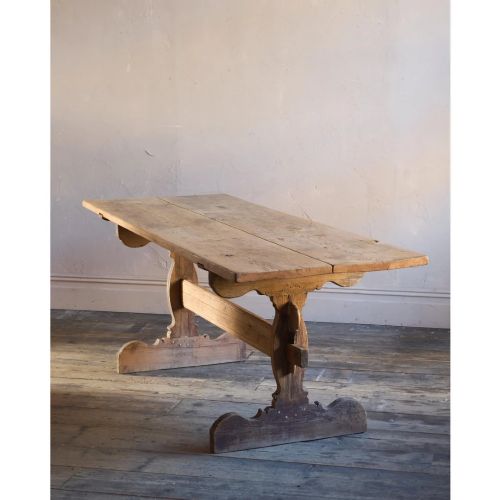
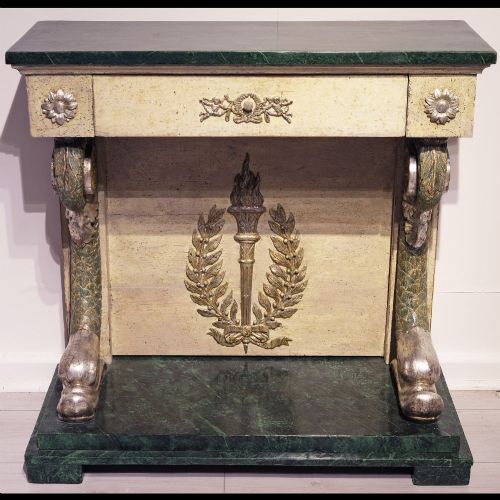
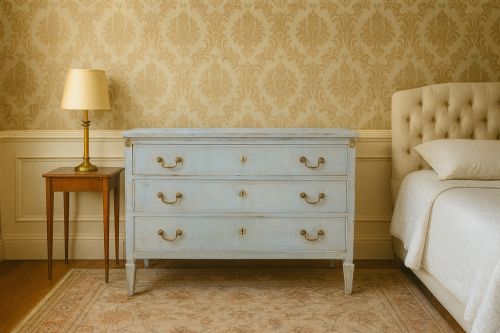
When you search for 18th century swedish furniture, you encounter items shaped by Scandinavian adaptations of continental European design. The selection includes chests of drawers, dining tables, console tables, corner cupboards, wardrobes, and stools.
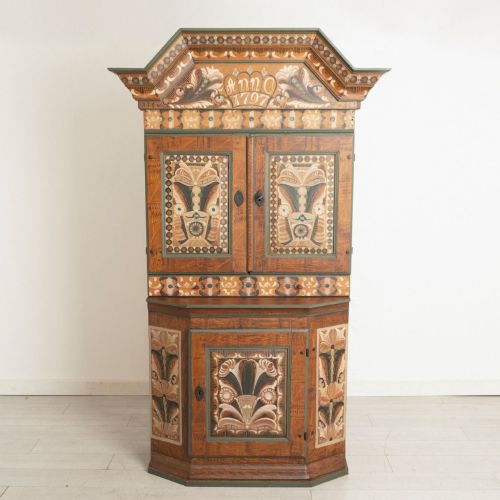
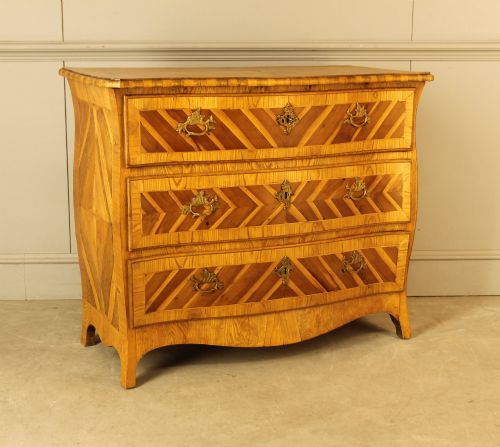
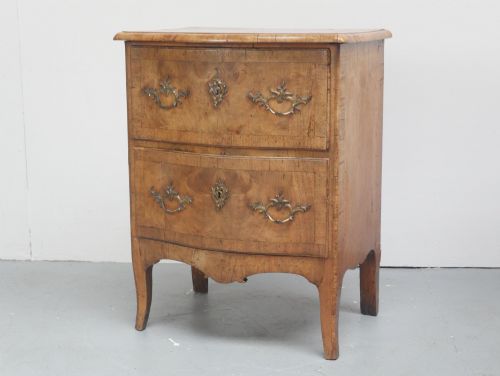
The Gustavian style and Swedish Rococo dominate the forms, alongside Scandinavian Baroque and country pieces. These items range from bombé chests to rustic dining tables and painted commodes reflecting provincial craft.
Most examples date to the eighteenth century, though later nineteenth-century interpretations also appear. Buyers seek these forms to introduce light, painted woodwork and functional storage into traditional or modern rooms.
Materials and Construction
Makers utilised native softwoods and hardwoods such as pine, birch, fruitwood, and oak for the structural carcasses of these cabinets and tables. Surfaces frequently received layers of paint, often in pale or muted tones, to brighten Nordic interiors.
Hardware details incorporate brass fittings and occasional marble tops on commodes and consoles. Joinery methods relied on traditional timber construction suited to local workshops and regional cabinetmakers.
Listings feature pine, birch, and oak combined with paint, brass, and marble across styles from Swedish Rococo to rustic folk art.
Evaluating Quality
Quality rests in the fidelity of the carving, the crispness of the serpentine or bombé form, and the retention of original painted surfaces. Pieces with undisturbed historic paintwork command greater appreciation among collectors than those stripped or heavily repainted.
Proportion and decorative restraint distinguish sophisticated urban Gustavian pieces from simpler rustic items. Structural integrity in drawers, hinges, and joints indicates the original standard of workshop production.
The 18th Century Swedish Furniture Glossary
- Gustavian
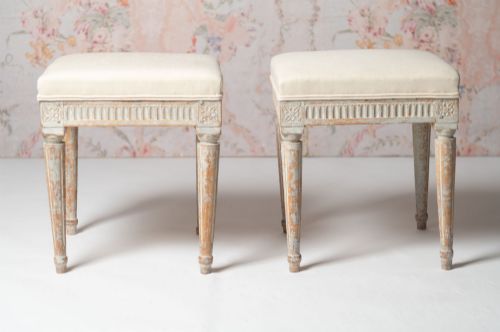
- The Swedish neoclassical style developed during the reign of Gustav III, characterised by restrained carving, fluted columns, and pale painted finishes. It draws inspiration from French Louis XVI design but maintains a distinct Nordic simplicity.
- Bombé
- A swelling, outward-curving contour on the front and sides of a chest of drawers or commode. This Baroque and Rococo form demands advanced woodworking skill to construct.
- Commode
- A low chest of drawers or cabinet designed for domestic storage. The term often describes more formal continental-influenced pieces.
- Serpentine
- A furniture front or edge curving inward in the centre and outward at the ends. It creates a fluid, undulating silhouette popular in eighteenth-century case pieces.
- Scandic Folk Art
- Decorative domestic items and furniture featuring hand-painted motifs and regional ornamentation. This tradition reflects local rural craftsmanship rather than court tastes.
18th Century Swedish Furniture: Frequently Asked Questions
What is Gustavian furniture?
Gustavian pieces represent the Swedish interpretation of French neoclassical design, popularised during the late eighteenth century under King Gustav III. They typically feature light colour palettes, symmetrical lines, and understated classical motifs.
This style aimed to bring Versailles elegance into Nordic homes while adapting to local materials and simpler domestic scales.
How do I care for painted wood?
Protect antique painted surfaces by keeping pieces away from direct sunlight and fluctuating humidity. Dust gently with a dry cloth and avoid harsh chemical cleaners.
Maintaining stable environmental conditions prevents the historic paint layers from cracking or lifting over time.
How can I date these pieces?
Dating relies on stylistic shifts from Baroque heaviness through Rococo curves to neoclassical restraint. Construction marks, tool traces, and the composition of underlying wood provide further clues.
Comparing hardware, joinery techniques, and paint strata against documented examples helps narrow down the period.
Where were these items made?
These items originated in Swedish urban workshops and rural communities, reflecting both royal court tastes and provincial traditions. Regional cabinetmakers adapted international styles to local materials.
This blend produced the distinct Scandinavian aesthetic found in surviving cupboards, tables, and commodes.