




18th Century Style Lowboy
An 18th century style lowboy offers elegant compact storage, and you are most likely to meet mahogany or oak examples here.
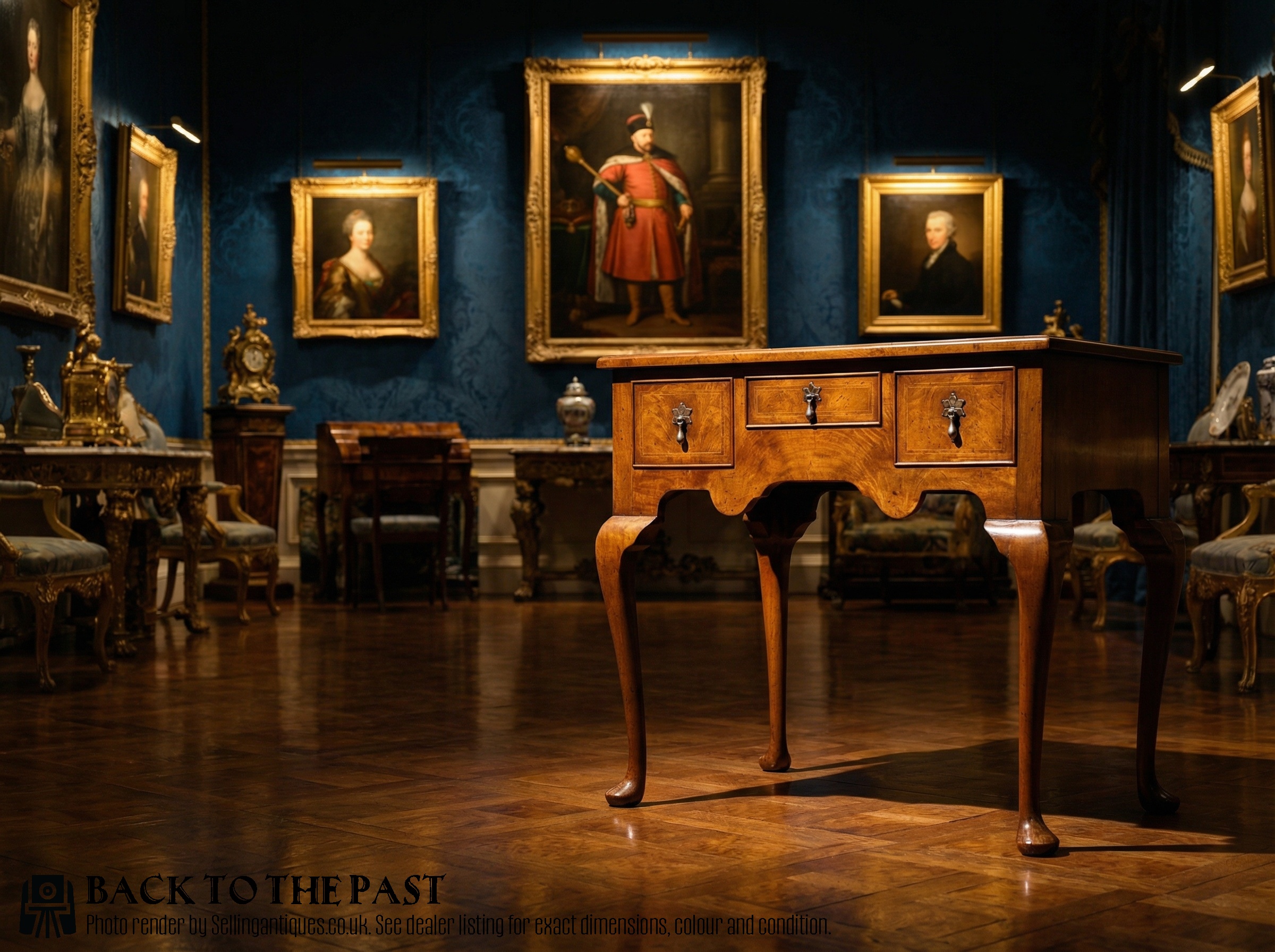
18th Century Style Lowboy
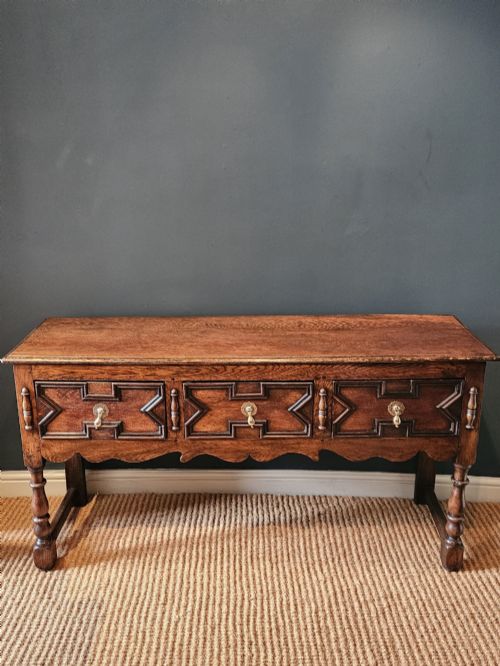
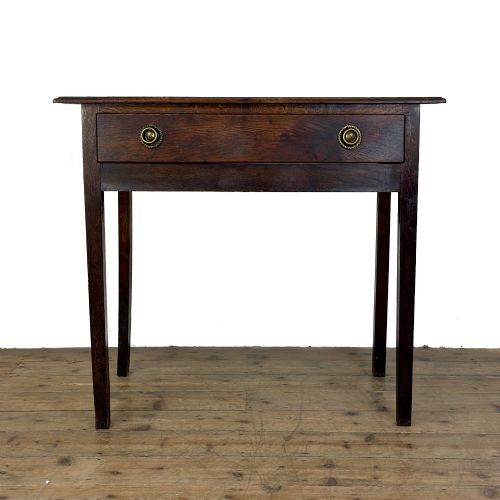
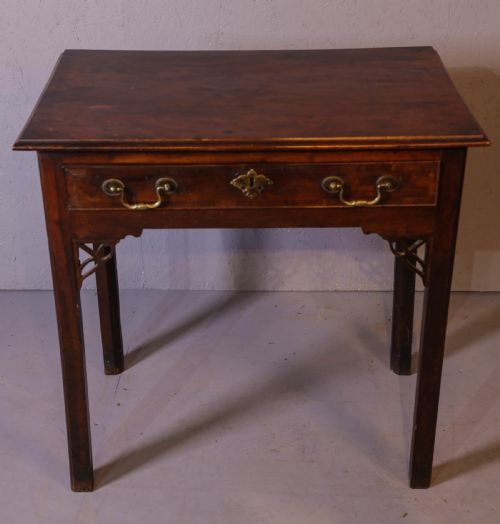
An 18th century style lowboy is a small table fitted with drawers, traditionally used as a dressing table or side table in domestic interiors. The pieces on this page appear as lowboys, side tables, dresser bases and dressers.
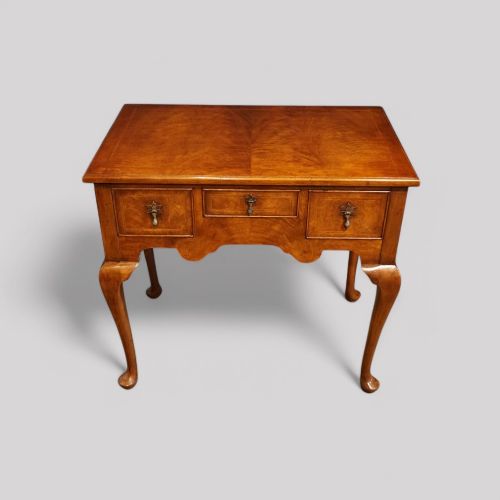
The form is defined by its low height and drawer configuration, typically featuring one to three drawers beneath a rectangular or serpentine top. They originate from periods spanning the Georgian era into later revival decades.
Buyers will encounter variations shaped by regional cabinet-making traditions, ranging from simple country oak versions to polished walnut and mahogany pieces influenced by George I, George II, George III, and Queen Anne styles.
How they were made
Cabinet-makers constructed these pieces primarily using solid hardwoods such as mahogany, oak, walnut, burr walnut, and yew wood. These durable timbers provided stable frames for daily use.
Decorative techniques such as feather banding enhanced drawer fronts, while geometric mouldings added architectural depth to early oak examples. Brass hardware, including handles and escutcheons, completed the drawer assemblies.
Listings span the Georgian period, the nineteenth century, and early twentieth-century revival dates, utilising brass, mahogany, walnut, oak, burr walnut, and yew.
What varies in quality
The choice of timber and surface figuring dictates the visual impact, with burr walnut and feathered veneers representing more elaborate cabinet-making than plain oak or mahogany. Finer pieces demonstrate precise joinery in the drawer linings and crisp execution of moulded edges.
Proportion and stylistic consistency separate standard workshop pieces from those exhibiting refined George II or Chippendale design characteristics. The integration of original brass fittings and the preservation of the timber's natural patina heavily influence the overall character.
The 18th Century Style Lowboy Glossary
- Lowboy
- A small, low table with drawers, commonly used as a dressing table or side table during the eighteenth century and subsequent revival periods.
- Feather banding
- A decorative inlay technique using veneer strips arranged in a herringbone pattern around the edges of drawer fronts.
- Serpentine top
- A table top with a distinctive undulating edge that curves outward at the centre and inward at the sides.
- Dresser base
- The lower section of a kitchen or dining room dresser, often functioning as a low sideboard with multiple drawers.
- Geometric moulding
- Raised wooden mouldings applied in rectilinear or geometric patterns to frame drawer fronts or panels on early oak furniture.
18th Century Style Lowboy: Frequently Asked Questions
What is a lowboy used for?
A lowboy functions primarily as a compact side table or a dressing table, offering surface space alongside concealed storage within its drawers. Historically placed in bedrooms or halls, these tables hold small personal items or decorative objects.
Today, they suit modern living rooms and hallways as lamp tables or writing surfaces where floor space is limited. Their modest proportions allow them to fit into tight architectural spaces while providing practical utility.
How do I tell an original from a revival piece?
Distinguishing between eighteenth-century originals and later revival pieces requires examining the construction methods, timber ageing, and tool marks inside the drawers. Revival pieces often date from the nineteenth or early twentieth century and display different secondary woods.
Examining the fixings, wear patterns, and historical construction techniques helps clarify the age of the piece. Cabinet-makers used specific jointing methods that evolved across the Georgian and Victorian eras.
What woods were used for lowboys?
Cabinet-makers utilised a variety of native and imported timbers, with oak, mahogany, and walnut appearing most frequently across these listings. Burr walnut and yew wood provided more decorative alternatives for higher-status items.
The choice of timber often reflects the period and region of manufacture. Country workshops relied heavily on local oak and fruitwoods, while urban cabinet-makers favoured mahogany and walnut.
How do I care for an antique lowboy?
Maintaining an antique lowboy involves keeping the wood away from direct heat sources and sudden humidity changes to prevent timber splitting. Regular dusting with a soft, dry cloth preserves the finish without requiring harsh polishes.
Applying traditional beeswax occasionally helps nourish older timber surfaces and maintain their natural lustre. Avoid placing damp items directly on the wood to protect the polished top.