

18th Century Style Art
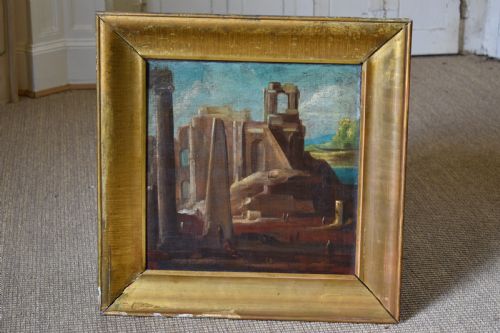
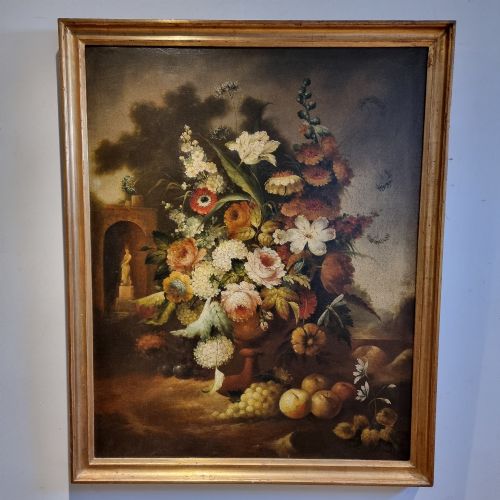
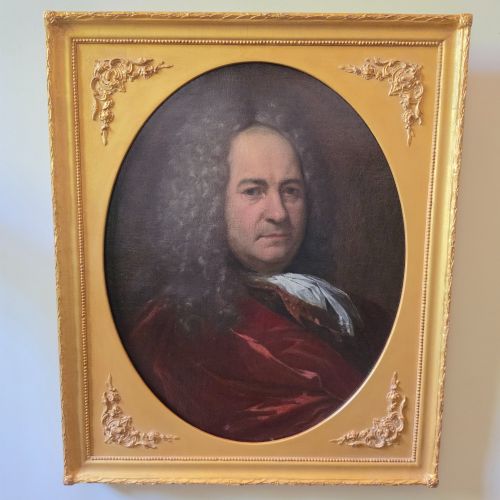
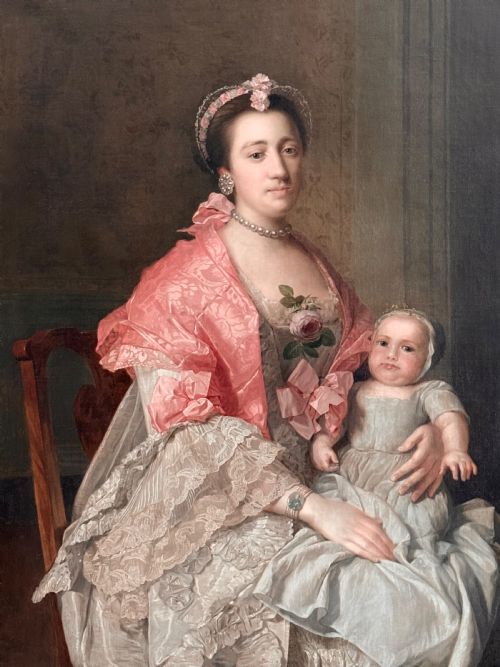
When choosing 18th century style art, you explore oil paintings, tapestries, and framed prints capturing classical and portrait subjects.
18th Century Style Art
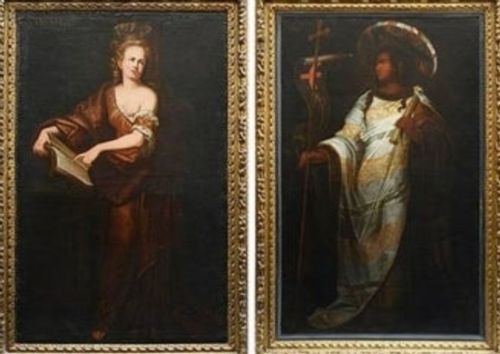
When browsing 18th century style art, collectors encounter a diverse selection of oil paintings, wall art, framed prints, and French hanging tapestries. These pieces frequently draw upon Georgian, French Rococo, Neoclassical, and Baroque traditions, spanning original works from the period alongside later interpretations.
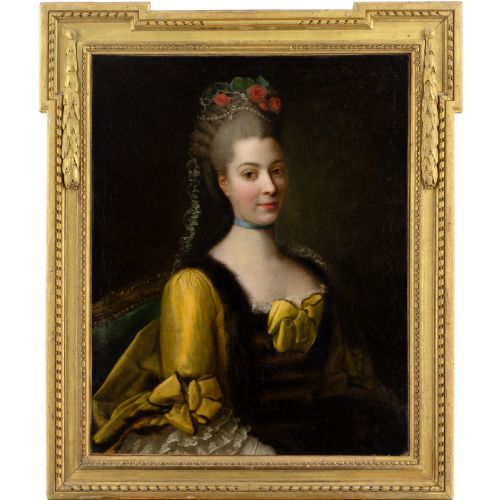
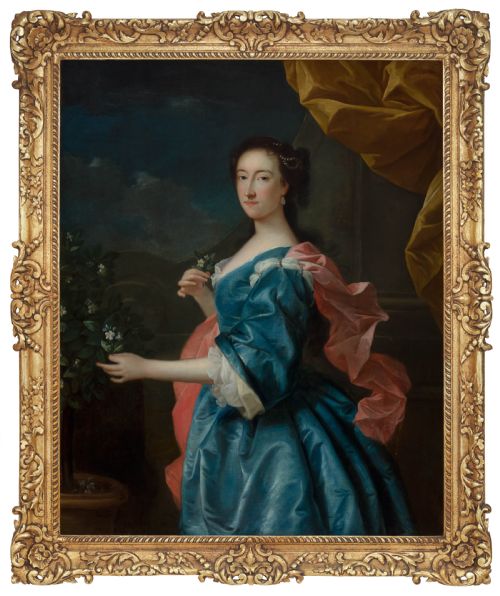
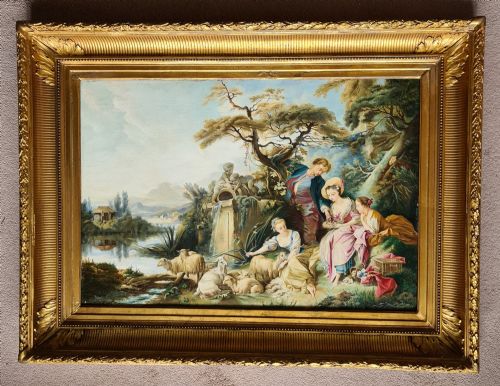
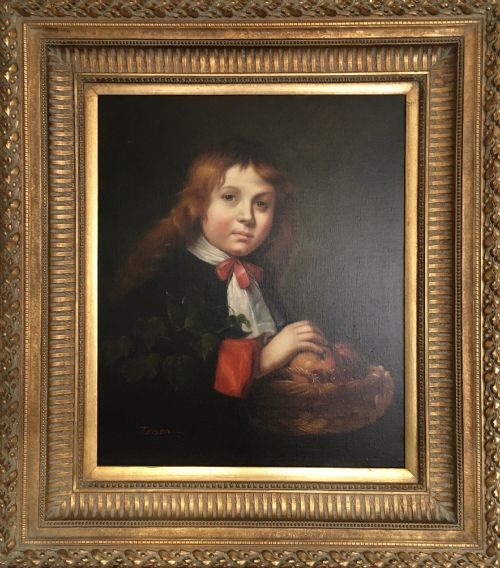
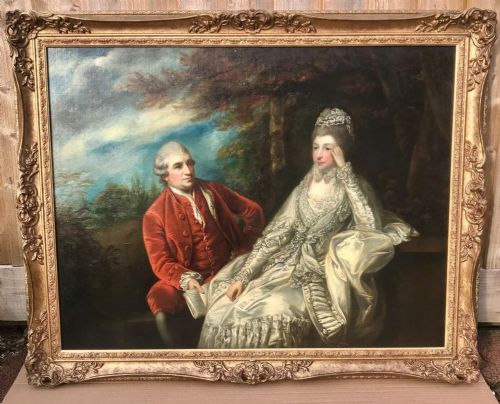
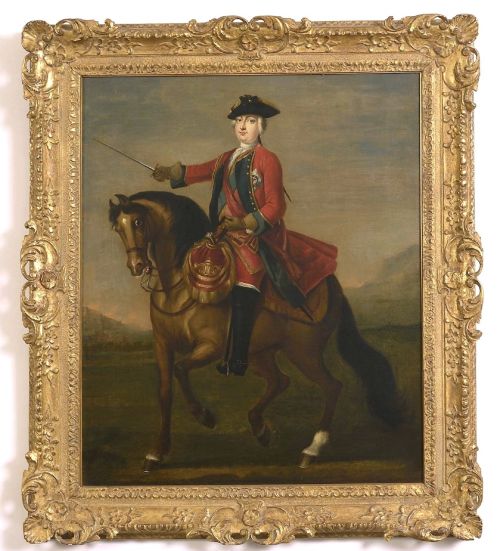
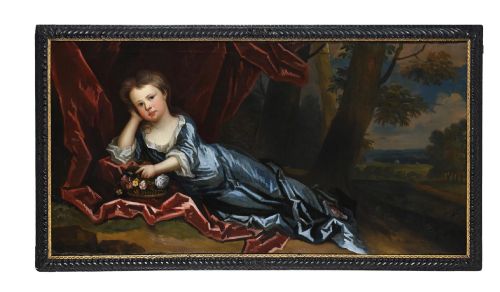
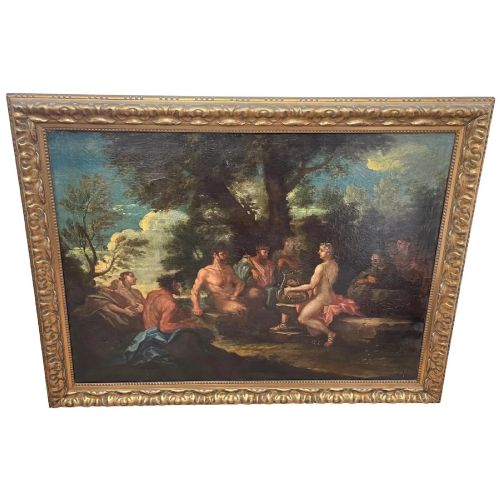
The assortment relies heavily on portraiture, mythological scenes, and pastoral landscapes. Portraits of ladies, gentlemen, and historical figures dominate the selection, often produced in the manner of established masters or as Grand Tour souvenirs.
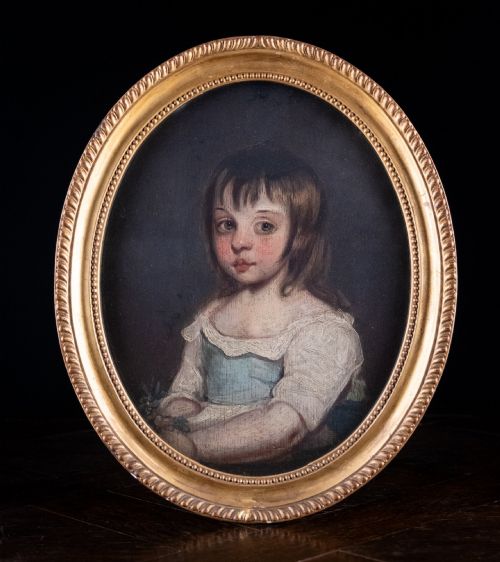
Beyond traditional canvas paintings, buyers find delicate portrait miniatures set in gilt frames alongside large wall hangings. The materials range from oil on canvas and wood panels to woven textiles and embellished oleographs reflecting historical aesthetics.
Materials and techniques
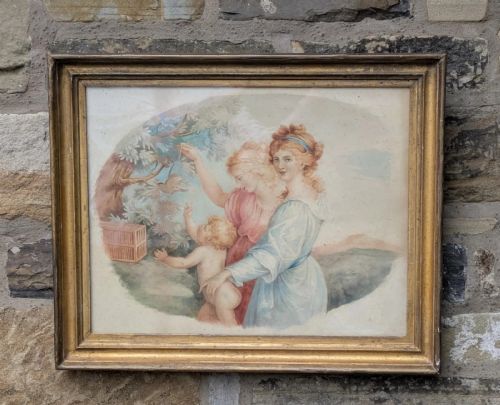
The works rely fundamentally upon oil paint applied to canvas, board, or wood panels, sometimes accompanied by detailed watercolour or pastel techniques on paper. Painters utilised traditional pigments to build rich portraits and landscapes, occasionally framed by intricate giltwood or gilded wood surrounds.
Textile pieces such as French hanging tapestries demonstrate complex weaving methods using quality fibres to recreate pastoral and mythological narratives on a large scale. Miniature portraits incorporate fine details, occasionally framed with seed pearls and glass protection.
Materials documented across the inventory include oil on canvas, glass, giltwood, wood, canvas, and woven textile panels.
Distinctions in quality
Quality rests upon the execution of brushwork, anatomical proportion, and the depth of expression within portraiture. Finer paintings demonstrate subtle tonal gradations and confident handling, whereas weaker examples present stiff rendering and flat surfaces.
The integrity of the framing and the preservation of the canvas or wood panel contribute significantly to a piece's standing. Original materials and period giltwood frames retain historical character more effectively than later replacements.
Jeremiah Davison·Francois Boucher·Jean baptiste Greuze·Joshua Reynolds·John Wootton·Thomas Hudson·Charles D Agar·Allan Ramsay·William Hogarth·Trajan Hughes·Joseph Vivienne·David Teniers The Younger·Jean Baptiste van Loo·James Maubert·Jan Miel·George Morland·Joseph Highmore·William Wood
The 18th Century Style Art Glossary
- Giltwood
- Wood carved and treated with a thin layer of gold leaf. This material frequently frames classical portraits and mirrors.
- Grand Tour
- A cultural journey undertaken by wealthy young Europeans through France and Italy. These travels generated a demand for classical landscape and mythological paintings.
- Portrait Miniature
- A small, highly detailed painting on a prepared surface. These intimate objects often feature delicate likenesses framed in metal with glass.
- Oleograph
- A mechanical print textured to imitate an oil painting. Manufacturers produce these by lithographic means on canvas or heavy paper.
- Rococo
- An artistic style characterised by ornate curves, asymmetry, and pastel palettes. This movement developed in France before influencing broader European art.
18th Century Style Art: Frequently Asked Questions
What defines 18th century style art?
These pieces encompass oil paintings, tapestries, and prints reflecting Georgian and Neoclassical aesthetics. They frequently feature portraiture and mythological subjects.
Many works originate from the period itself, while others represent later interpretations and tributes by subsequent schools of artists.
How were portraits displayed originally?
Landed families placed large oil paintings in panelled reception rooms and galleries to project status and lineage. Smaller miniatures remained intimate items kept in private chambers.
Framing played an essential role, with gilded wood enhancing the visual presence of the canvas within grand interiors.
Are tapestries considered fine art?
Large French tapestries functioned as both portable mural decorations and practical insulation for drafty stone walls. Woven by hand, they depicted pastoral and historical narratives.
Collectors treat these textiles as significant decorative works that bring texture and historic narrative to architectural spaces.
How do I care for oil paintings?
Canvas and wood panel works require stable environmental conditions away from direct sunlight and excessive humidity. Gentle dusting with a soft, dry brush preserves the surface.
Harsh cleaning solutions must be avoided to protect the underlying oil paint and varnish layers from accidental damage.