





18th Century Spindles
These 18th century spindles bring rustic integrity to an interior through honest timber construction and vernacular design.
18th Century Spindles
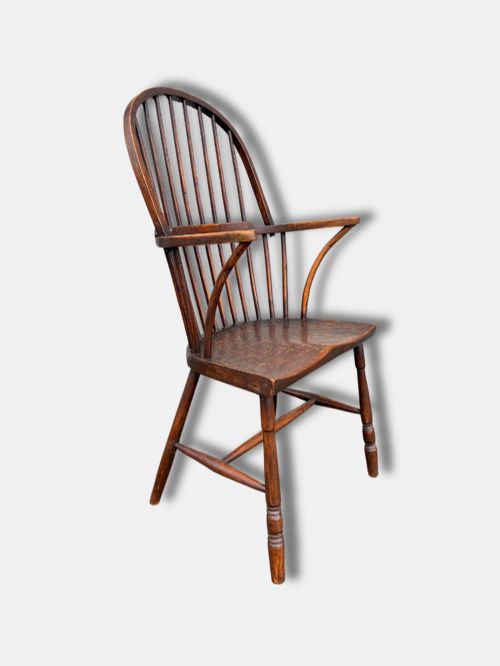
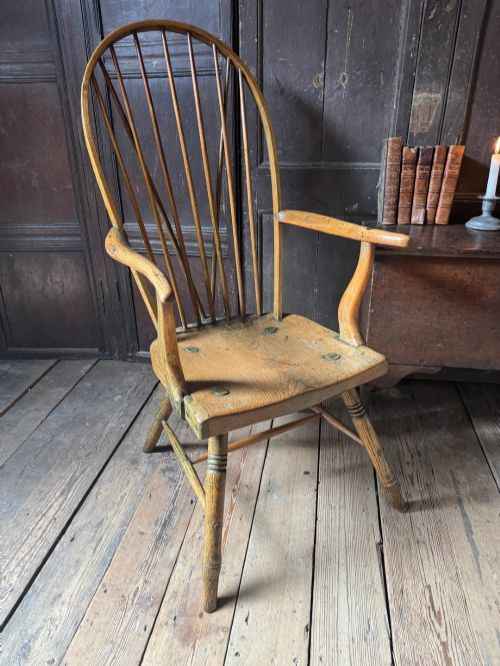
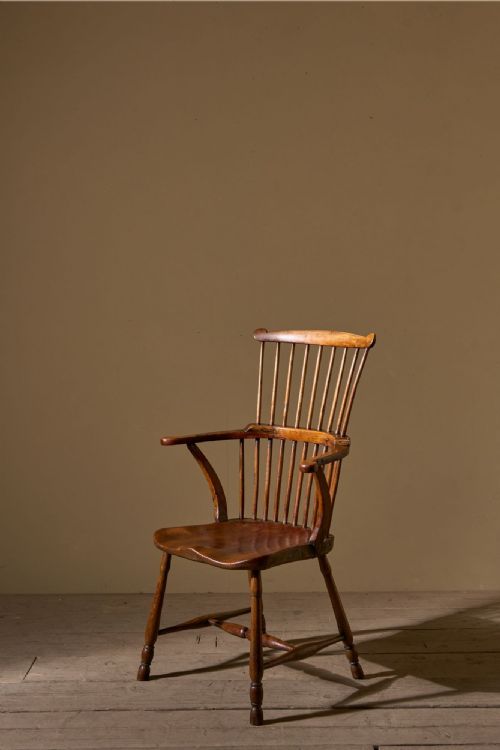
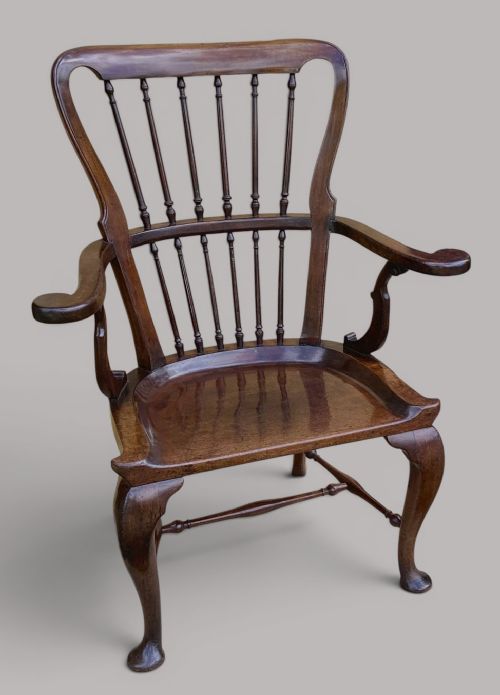
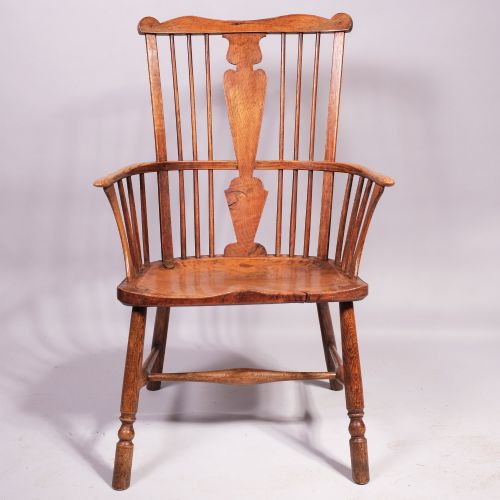
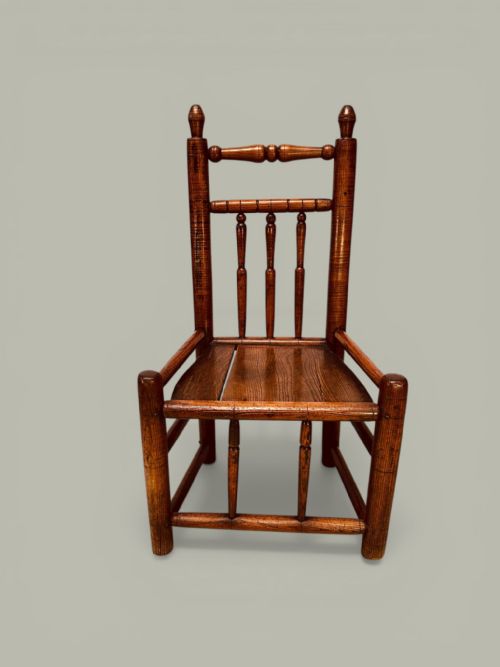
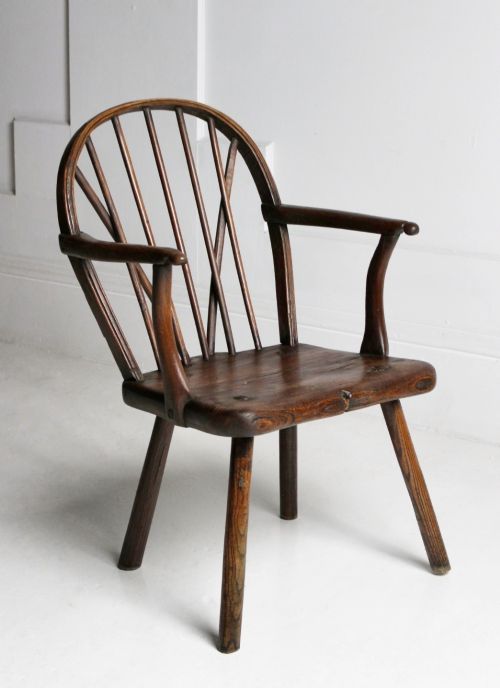
When you search for 18th century spindles, you encounter a selection spanning domestic seating, storage pieces, and architectural elements from Georgian and earlier periods. The most common manifestations on this page are vernacular Windsor chairs, country chairs, and occasional furniture rooted in English, Welsh, and French provincial traditions.
These items emerge from periods such as the 18th century, Georgian era, and the year 1800, reflecting provincial workshops rather than urban centres. They serve as functional seating and storage, from spindle-back armchairs to dressers and side tables.
Regional variations appear frequently, including West Country, Thames Valley, and Welsh forms. Buyers seek these pieces for their unpretentious charm and historical utility within country houses and modern interiors alike.
Distinctions in quality
Quality in these vernacular pieces rests upon the integrity of the original timber and the crispness of the turned work. Pieces that retain their early surface patination and structural cohesion stand apart from those with heavy replacement components.
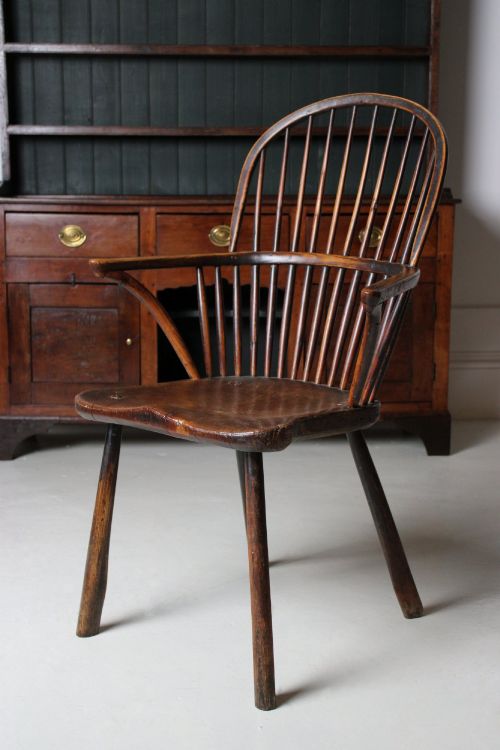
The sophistication of the design, such as an unusual hoop-back configuration or a well-proportioned comb-back, elevates certain chairs and tables above standard utilitarian output. Regional distinctiveness and the survival of original turning marks further distinguish finer examples.
18th Century Spindles Retail Price Guide 2026
Typical asking prices for 18th century spindles among the pieces listed under this phrase on Sellingantiques today, from the lower quarter to the upper quarter. They describe what is for sale here now, not the wider market.
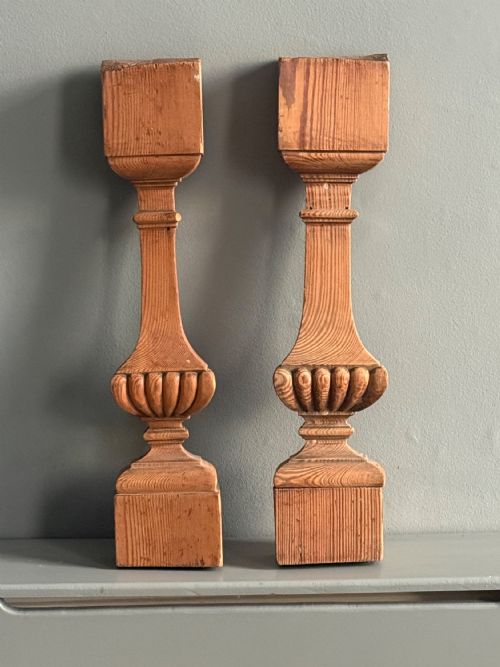
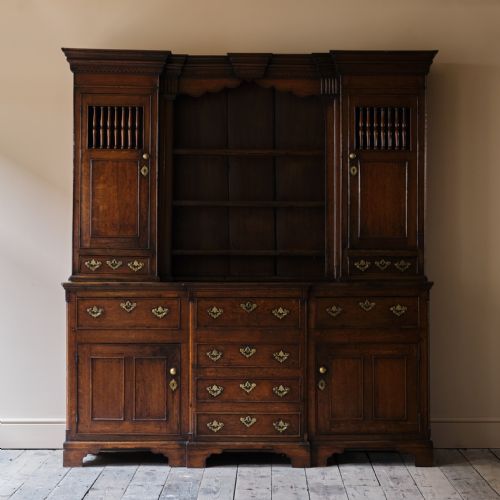
Listings feature 18th century spindles integrated into diverse forms, including Windsor armchairs, bread and cheese dressers, food cupboards, and architectural half balusters.
The 18th Century Spindles Glossary
- Windsor chair
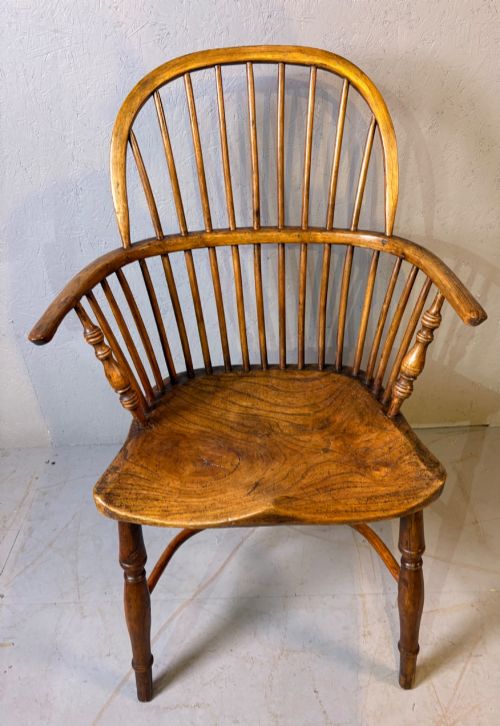
- A wooden chair featuring a saddle-shaped solid seat into which the back and legs are direct-inserted. They often incorporate bentwood bows and turned spindles.
- Vernacular
- Domestic or functional objects built by local craftsmen using regional traditions and materials rather than high-style academic designs.
- Comb back
- A chair design where the vertical spindles of the back extend upward to support a horizontal crest rail resembling a hair comb.
- Spindle back
- A chair style characterised by a back composed of numerous turned vertical wooden rods or spindles.
- Galleried
- A raised decorative border surrounding the edge of a table top, tray, or dumb waiter to prevent items from sliding off.
18th Century Spindles: Frequently Asked Questions
What defines an 18th century Windsor chair?
These chairs feature a solid wooden seat carved with a saddle shape, into which the legs and back components are bored directly. They rely on steam-bent elements and turned spindles for structural support.
Regional variations display distinct comb-back or high hoop-back profiles, utilising combinations of elm, ash, and yew.
How do I identify regional styles?
Regional attribution relies on timber choices, turning profiles, and construction traits associated with specific areas like the Thames Valley or West Country. Local workshops utilised available native woods such as fruitwood or elm.
Maker marks are rarely present on vernacular pieces, so identification depends on structural characteristics.
Where were these pieces used originally?
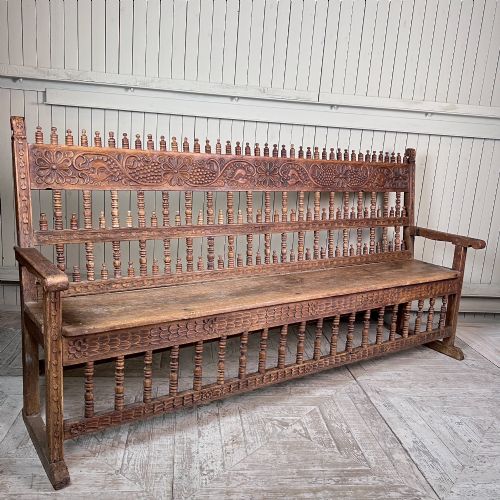
These items served functional roles in provincial farmhouses, country cottages, and vernacular domestic interiors. Bread and cheese dressers, food cupboards, and settle benches equipped working kitchens.
Seating pieces like lawn chairs and child's chairs provided movable domestic furniture for daily use.
How do I care for antique timber?
Maintain stable indoor humidity levels away from direct heat sources to prevent timber from splitting or warping. Apply appropriate natural wax periodically to nourish the dry wood surface.
Avoid aggressive cleaning methods that strip the historic patination accumulated over centuries.