
18th Century Soft Paste
These pieces of 18th century soft paste bring tactile warmth and fragile historical substance to a room.
18th Century Soft Paste
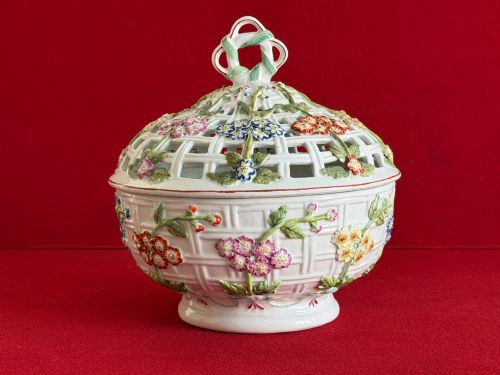
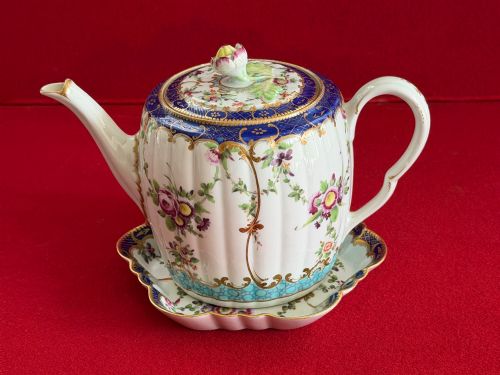
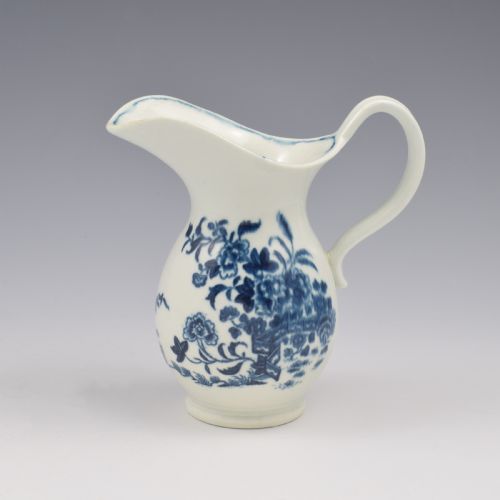
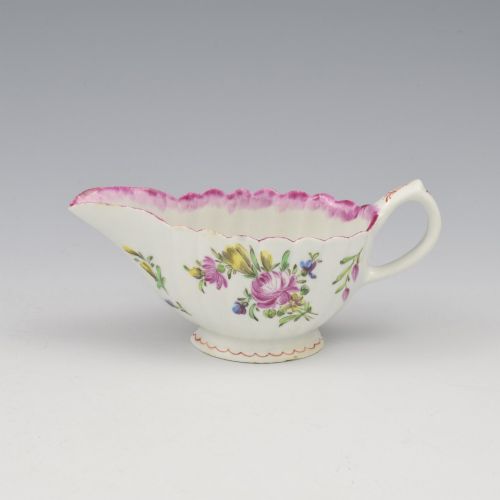
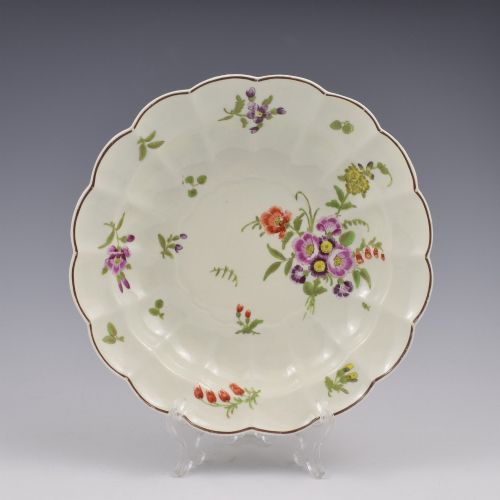
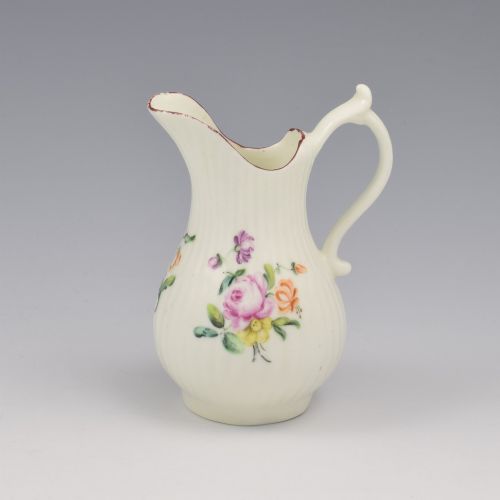
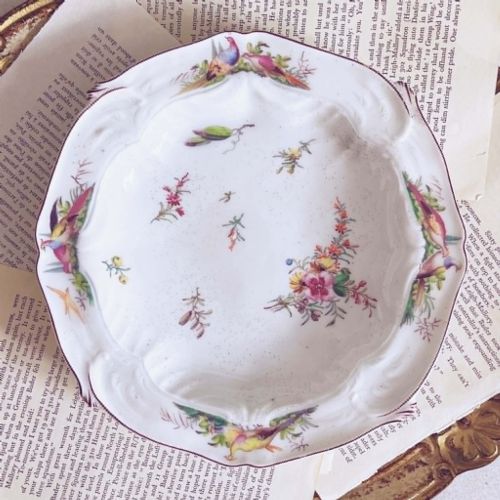
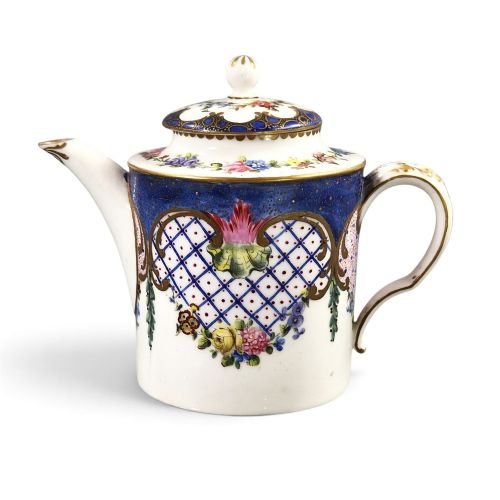
When searching for 18th century soft paste, collectors encounter early English and continental porcelain bodies made from glassy, vitrified frit mixtures rather than hard-paste kaolin. The most frequent forms met on this page are domestic tableware and display objects, including saucers, sauce boats, teapots, and decorative dishes.
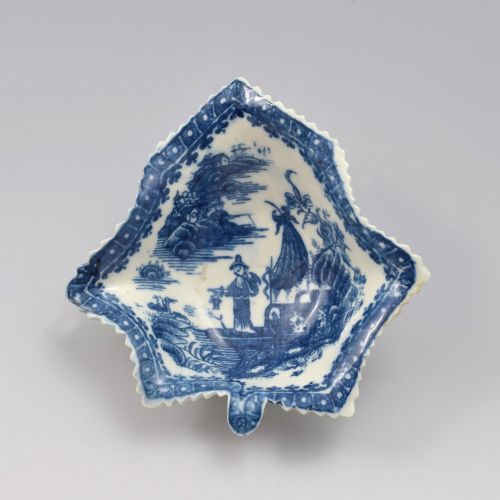
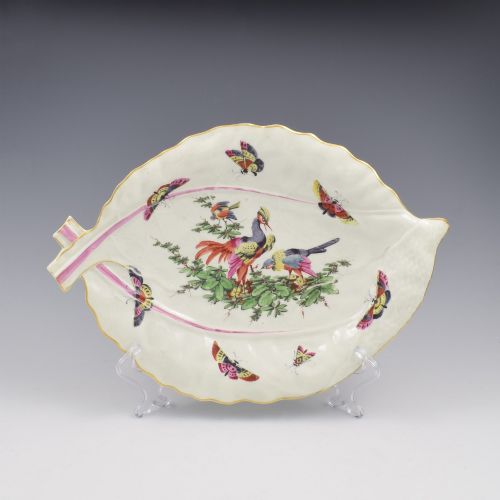
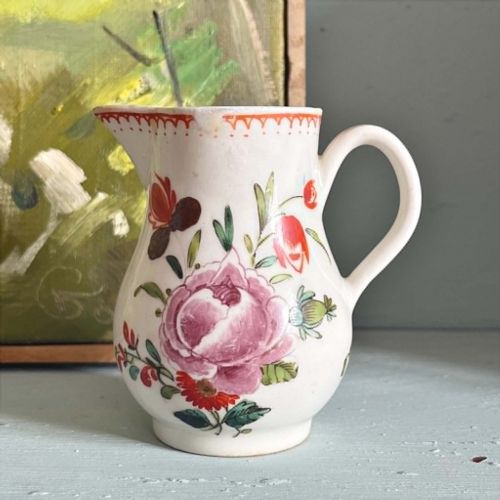
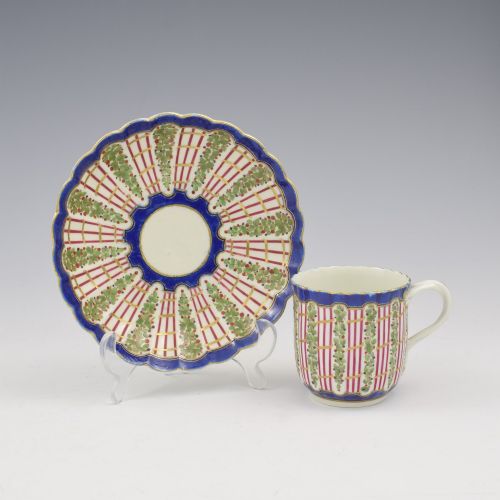
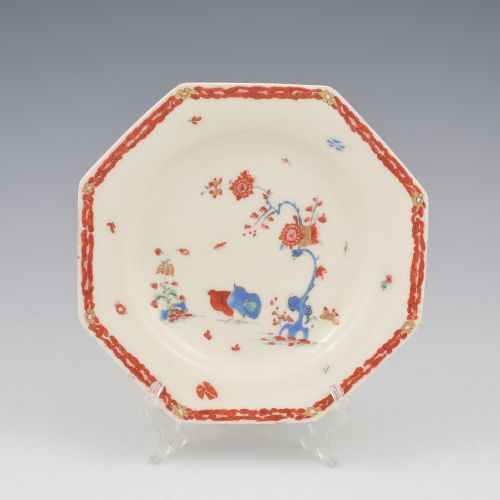
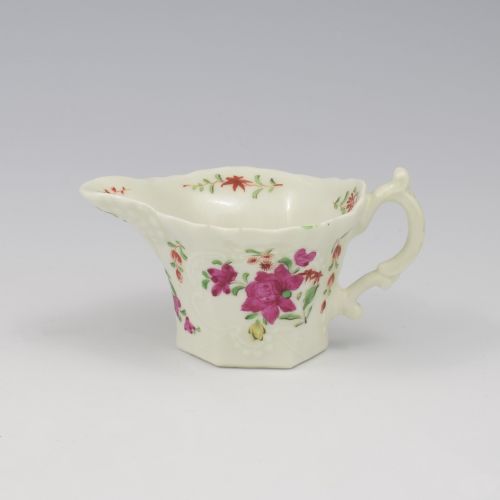
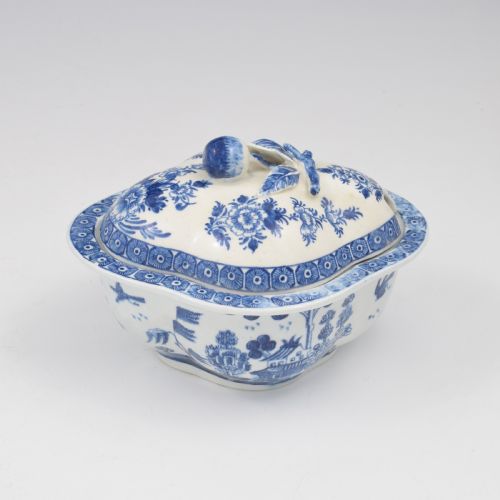
The selection ranges across Georgian periods, encompassing Derby figures, Worcester tableware with cobalt blue or polychrome enamels, and Bow botanical or Chinoiserie patterns. Pieces vary from utility wares like cream jugs and pickle dishes to elaborate allegorical figures and bocage candlesticks.
Materials and production methods
Potters built these items using artificial porcelain pastes composed of white clay, marl, and glass frit, which fused at lower kiln temperatures than true hard paste. This responsive body absorbed glaze deeply, creating a soft, warm surface texture beneath hand-painted enamels or cobalt underglaze.
Painters applied cobalt blue before the glost firing or added overglaze enamel colours, gilding, and gold leaf in subsequent low-temperature firings. Artisans shaped pieces by hand-throwing, press-moulding in metal or plaster moulds, or casting ceramic figures in multiple sections.
The listings span 18th century and Regency periods, showcasing soft-paste porcelain, enamel, and gold leaf across utilitarian and decorative forms.
Distinctions in execution and finish
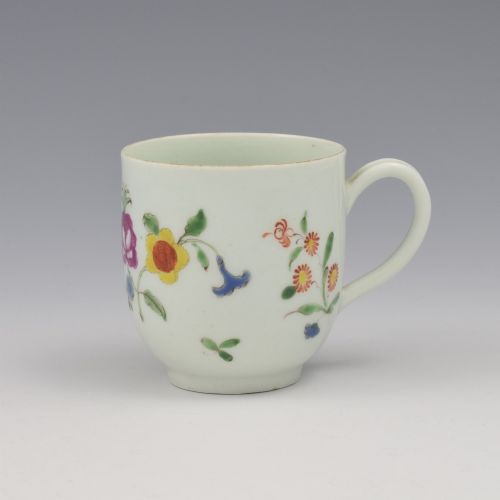
The standard of painting and the clarity of the glaze define the upper tier of these ceramics, where hand-penciled polychrome birds, floral motifs, or Mandarin figures display confident brushwork and balanced composition. Finer mouldings retain crisp relief details, whereas inferior examples exhibit blurred edges, kiln warping, or pooled glaze.
Sophistication of form also separates standard production from exceptional work, visible in complex pierced chestnut baskets, well-modelled bocage figures, and carefully aligned transfer prints or gilding.
Derby Porcelain·Worcester Porcelain·Richard Chaffers·Caughley Porcelain·Bow Porcelain·Royal Sèvres·New Hall Porcelain
The 18th Century Soft Paste Glossary
- Soft-paste porcelain
- An artificial ceramic body made from clay, glass frit, and white sand, fired at relatively low temperatures. It yields a creamy translucency and a warm glaze.
- Frit
- A fused mixture of glass and other raw materials ground into a powder and added to clay to form the soft-paste body.
- Bocage
- Applied ceramic foliage and leafy background screens commonly found behind eighteenth-century English portrait and allegorical figures.
- Kakiemon
- An asymmetrical Japanese enamel style featuring distinct floral, bird, and quail motifs, widely copied by European porcelain factories.
- Cobalt glaze
- A deep blue metallic oxide pigment applied under the glaze before firing to create durable underglaze blue decoration.
18th Century Soft Paste: Frequently Asked Questions
What is soft paste porcelain?
Soft paste is an early artificial ceramic composition containing glass frit and white clay instead of hard-paste minerals. It melts at lower kiln temperatures and produces a distinctive creamy surface.
This material absorbs glaze and enamel colours differently than hard paste, giving eighteenth-century pieces their characteristic tactile depth and warmth.
How were these ceramics used?
Most items served functional roles in Georgian dining and tea service, including teapots, sauce boats, cream jugs, and dessert dishes. Others functioned purely as decorative ornaments.
Figurines, allegorical groups, and bocage candlesticks were designed to decorate mantlepieces and dining tables during formal gatherings.
How are Worcester periods told?
Early Worcester items from the Dr Wall period feature specific paste characteristics, blue underglaze marks, and distinct decorative patterns like pine cone or hop trellis. Comparing the weight, translucency, and footrim helps separate periods.
Factory marks, such as open crescents or simulated Chinese characters, assist in dating pieces alongside stylistic indicators like Rococo moulding.