



18th Century Sofa Table
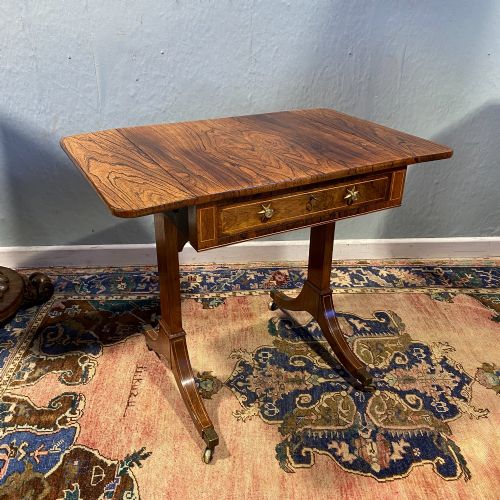
An 18th century sofa table provides a versatile surface with drop leaves, suited for placement behind seating or free-standing in a room.
18th Century Sofa Table
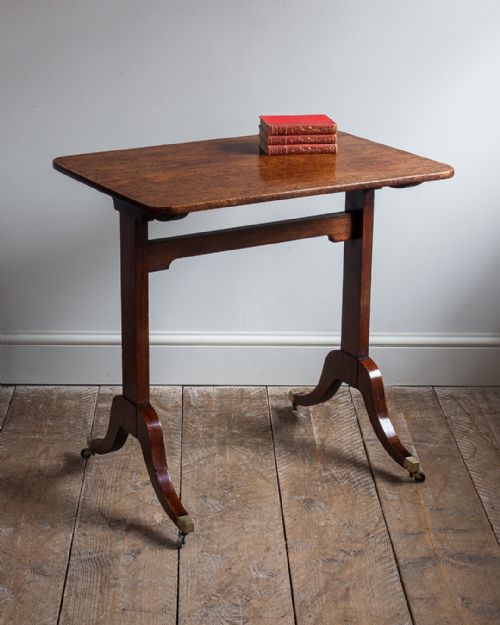
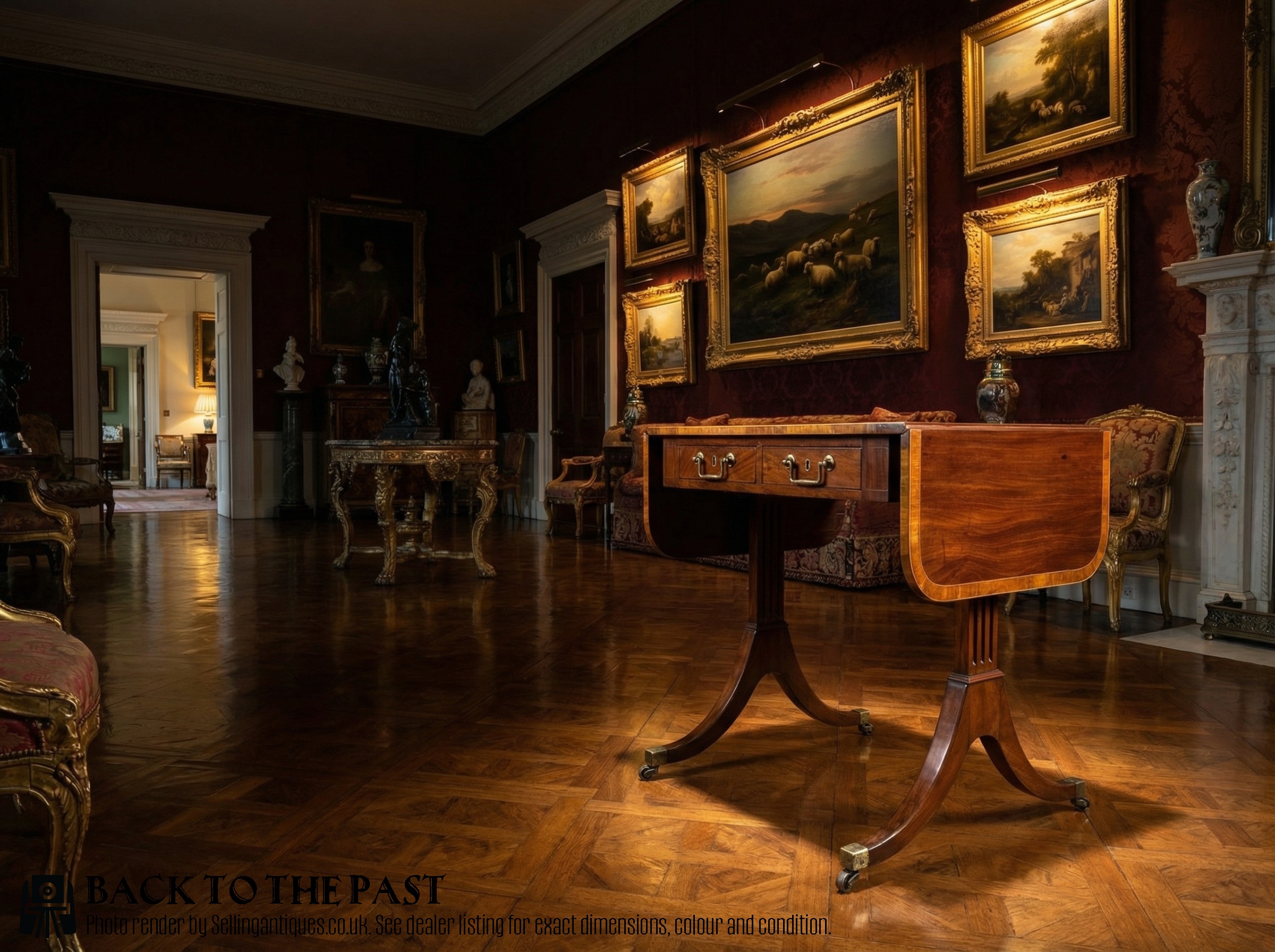
An 18th century sofa table is a form of furniture designed during the Georgian period, typically featuring a rectangular top flanked by drop flaps and supported by end pedestals or legs. The versions found here span the 18th century, 1800, the 19th century, and the 1920s, reflecting both original manufacture and later revivals or stylistic interpretations.
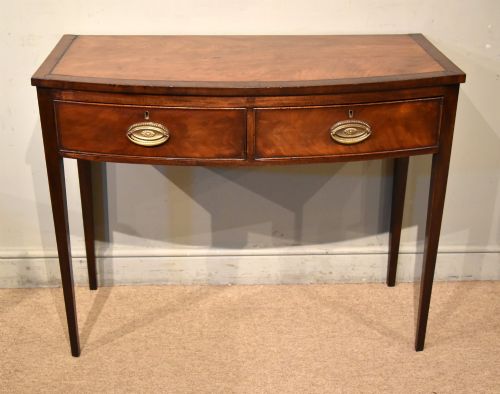
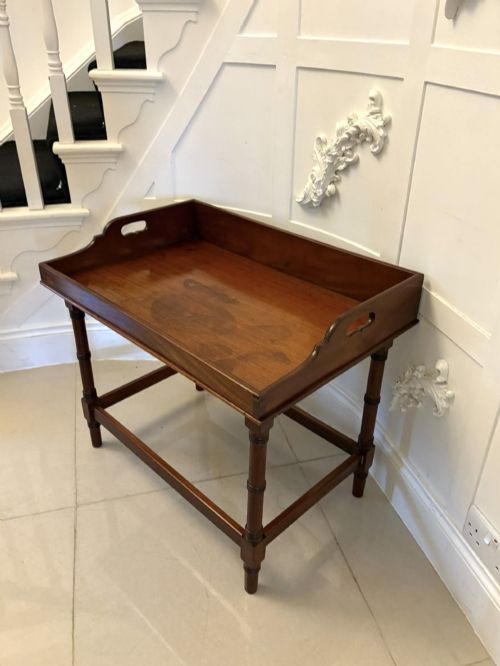
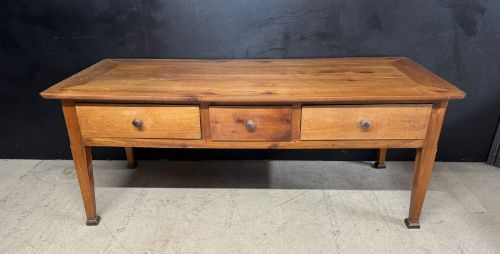
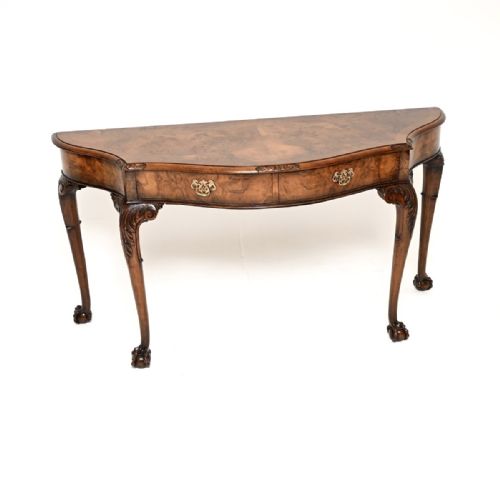
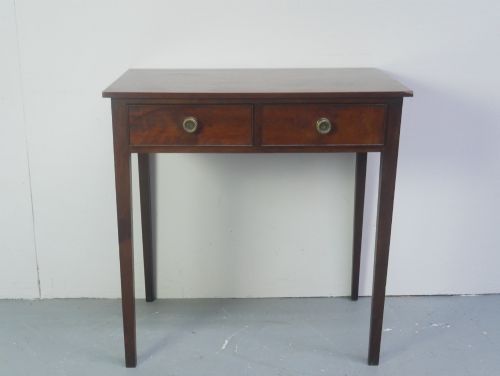
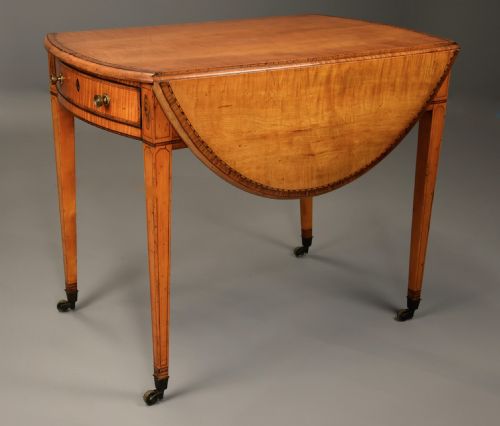
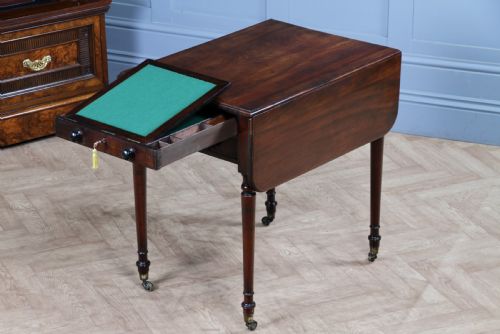
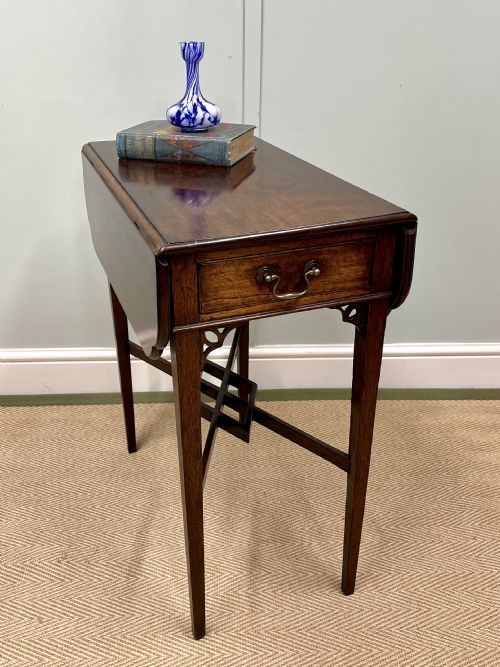
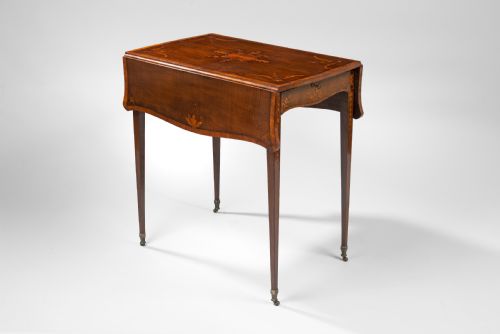
Alongside true sofa tables, buyers searching this phrase encounter related forms such as Pembroke tables, console tables, side tables, and lowboys. These pieces share similar proportions and drop-leaf or drawer configurations typical of the period, originating from workshops in the United Kingdom.
How they were made
Cabinet makers utilised a range of primary timbers including mahogany, walnut, satinwood, oak, harewood, and sycamore, often selecting figured varieties for visual impact. Inlaid decoration, marquetry, and contrasting satinwood banding were applied to surfaces to enhance the design.
Brass fittings, such as castors and drawer pulls, were incorporated into the construction, alongside baize linings in specific work or writing drawers. Structural joints relied on traditional woodworking techniques suitable for tables with moving drop flaps and fitted drawers.
18th Century Sofa Table Retail Price Guide 2026
Typical asking prices for 18th century sofa table among the pieces listed under this phrase on Sellingantiques today, from the lower quarter to the upper quarter. They describe what is for sale here now, not the wider market.
Listings feature mahogany, oak, walnut, satinwood, sycamore, and harewood across pieces from the 18th century, 1800, 19th century, and 1920.
What varies in quality
The refinement of the timber figure and the precision of the marquetry or inlay separate standard examples from finer pieces. Selection of choice materials like solid fiddleback sycamore or figured mahogany contributes to a superior overall appearance.
The sophistication of the joinery and the presence of original brass hardware or fitted interior drawers influence the character of the piece. Subtle details in the turning of legs or the execution of drop-leaf supports indicate the level of craftsmanship involved.
The 18th Century Sofa Table Glossary
- Drop flap
- A hinged leaf at either side of a table top that can be raised to extend the surface area or lowered when space is required.
- Marquetry
- Decorative veneer work arranged in intricate patterns using various coloured woods to ornament the surface.
- Pembroke table
- A small rectangular table with two hinged drop leaves and typically one or two drawers.
- Lowboy
- A small side table with drawers, standing on relatively tall legs, often used as a dressing or writing surface.
- Patina
- The surface sheen and mellowing developed by wood over long periods of use and age.
18th Century Sofa Table: Frequently Asked Questions
Where do you put a sofa table?
An 18th century sofa table was originally designed to stand directly behind a sofa, allowing access to drawers and a surface for writing or lighting.
Today, these tables function equally well placed against a wall in a hallway or used as freestanding centre tables in a reception room.
How do I identify a Georgian piece?
Pieces from the Georgian era are identified through specific stylistic markers such as Sheraton neoclassical designs, tapered legs, and particular timber choices like mahogany and satinwood.
Construction methods and secondary woods also assist in confirming the period of origin alongside traditional brass hardware.
What is the difference between a sofa table and a Pembroke table?
Sofa tables generally feature longer, proportioned tops with two drop leaves and often double-pedestal or trestle-type supports suited to placement behind furniture.
Pembroke tables typically feature smaller tops with shorter drop leaves and four legs, frequently incorporating a single drawer.
Can I use a sofa table for everyday dining?
While these tables have drop flaps that expand the surface area, their original purpose was decorative and light utility rather than heavy family dining.
Care should be taken with antique polished wood surfaces when placing hot items or liquids on them during daily use.