


18th Century Silver Case
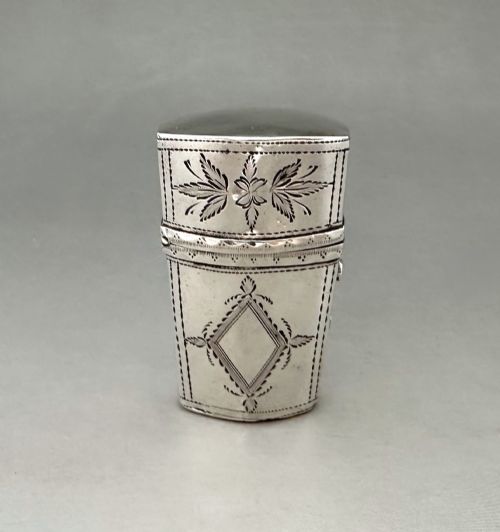
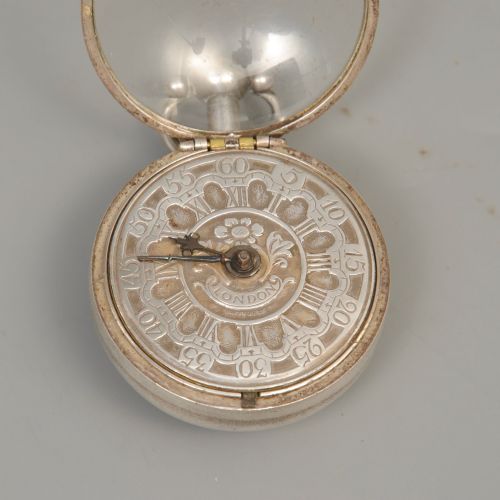
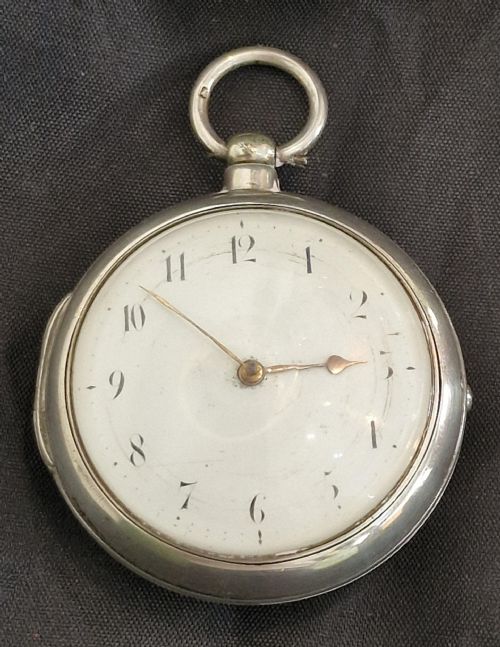
These 18th century silver case pieces bring together Georgian pocket watches, scent bottles, and etuis protected in solid silver.
18th Century Silver Case
An 18th century silver case most frequently appears as a pair cased pocket watch or a delicate scent bottle and etui. The selection spans the Georgian period through to around 1800, capturing the precise metalwork of the era.
Pocket watches from this time utilise an outer and inner silver casing to protect the delicate movement from dust and damage. Smaller items like needle cases, bodkin cases, and scent bottles similarly employ silver housings, sometimes paired with glass or tortoiseshell.
London makers dominate the horological entries, whilst smaller etuis and needle cases represent personal accessories carried by gentlemen and ladies alike. Each object reflects the daily utilities and portable luxuries of Georgian society.
Materials and construction
Silversmiths shaped the protective outer housings from sterling silver, employing techniques such as champleve for dials and intricate piercing for pocket watch outer cases. Glass and brass appear alongside silver in timepieces and scent bottles, whilst timber forms the structural base for larger clock cases.
Internal components of pocket watches rely on steel and brass movements, fitted meticulously by hand. Velvet lining sometimes cushions smaller accessories within their fitted etui shells.
Listings feature silver, glass, brass, steel, velvet, mahogany, and tortoiseshell across various Georgian items.
Assessing craftsmanship
The distinction between standard utility items and finer pieces lies in the crispness of the silver chasing and the legibility of hallmarks. Engraved detailing on outer watch cases and the intricacy of fitted tools inside an etui indicate higher workshop standards.
Horological items gain distinction through the reputation of the London watchmaker whose signature appears on the dial or movement. Preservation of original components, from verge escapements to champleve dials, elevates an example above altered or heavily restored peers.
John Locker·William Allam·James Tregent·Perigal of London·Peter Debaufre·James Schofield·Matthew Linwood·Joseph Lum·John Taylor
The 18th Century Silver Case Glossary
- Pair cased
- A pocket watch design featuring two separate fitted silver cases, where the inner holds the movement and the outer protects it.
- Etui
- A small ornamental case used to hold needles, tweezers, bodkins, and other personal grooming or writing tools.
- Verge
- An early type of mechanical escapement used in clocks and pocket watches of the period.
- Champleve
- An enamelling technique where troughs are carved into the metal surface and filled with vitreous enamel before firing.
- Bodkin
- A thick, blunt needle with a large eye used for drawing tape or ribbon through loops.
18th Century Silver Case: Frequently Asked Questions
What is an 18th century silver case?
An 18th century silver case refers to protective outer shells or containers fashioned from silver during the Georgian era. These include pair cased pocket watches, needle cases, scent bottles, and etuis.
Such objects served both functional and decorative purposes, keeping delicate personal items and timepieces safe from daily wear.
How do you use a pair cased watch?
A pair cased watch utilises an inner case holding the mechanism and an outer case that slips over the first for added protection. To wind or set the watch, the owner opens the outer case and pivots the inner movement.
These timepieces rely on early verge movements, which require careful handling and regular winding by key.
What belongs inside an etui?
An etui contains a matched set of miniature personal accessories, typically including tweezers, bodkins, small scissors, and folding knives. Each tool fits snugly into a dedicated slot within the velvet or silk lined silver case.
Ladies and gentlemen carried these portable kits for urgent mending or personal grooming whilst away from home.
How are pocket watches dated?
Pocket watches are dated through a combination of hallmarks stamped on the silver cases, maker signatures on the dial or movement, and stylistic details of the hands and escapement. London makers often kept detailed apprenticeship and guild records.
Comparing the mechanical layout to known chronological developments in verge movements also helps narrow down the decade of production.