


18th Century Server
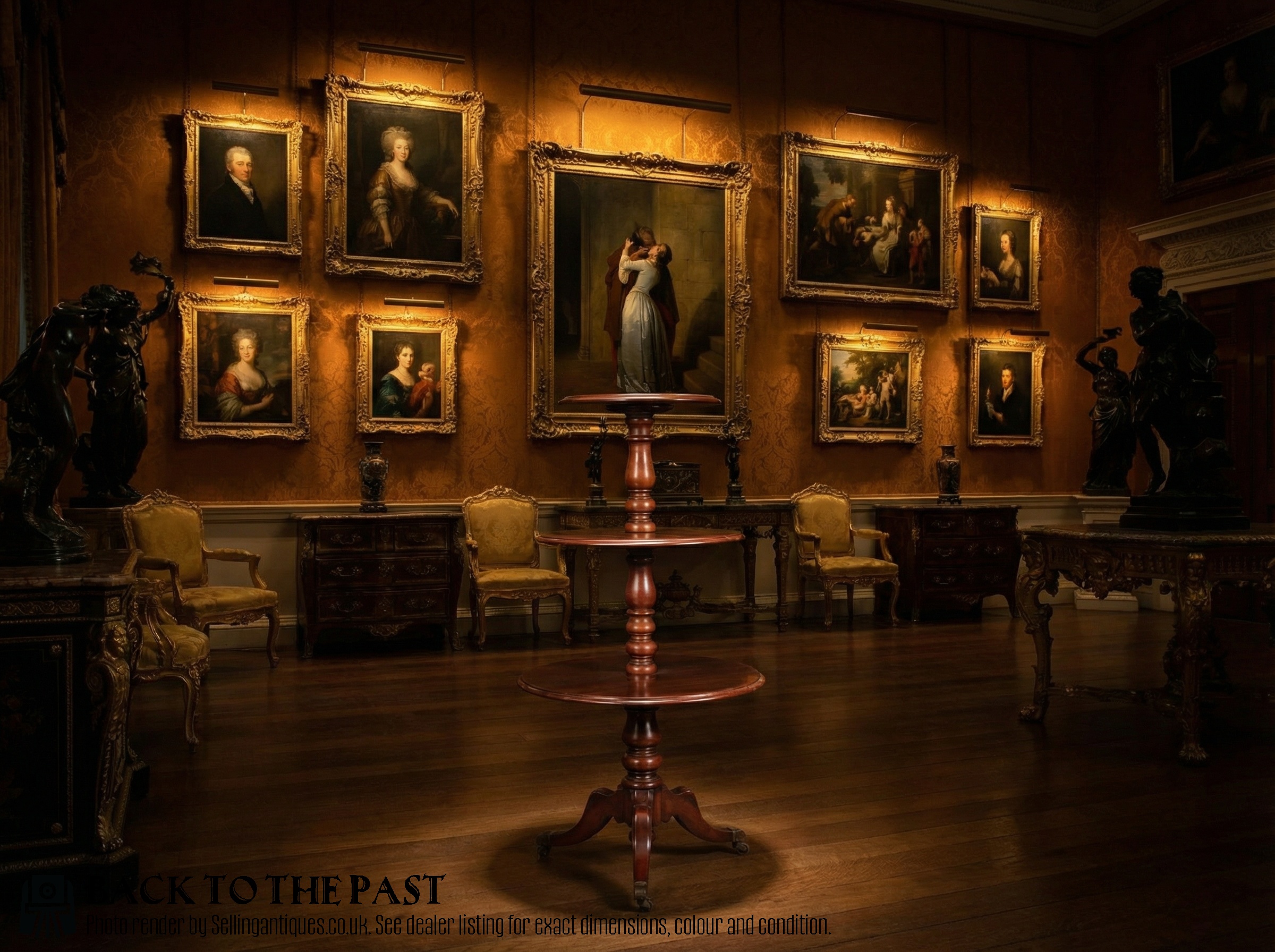
An 18th century server provides sturdy dining room storage and surface space, bringing practical period character to a home.
18th Century Server
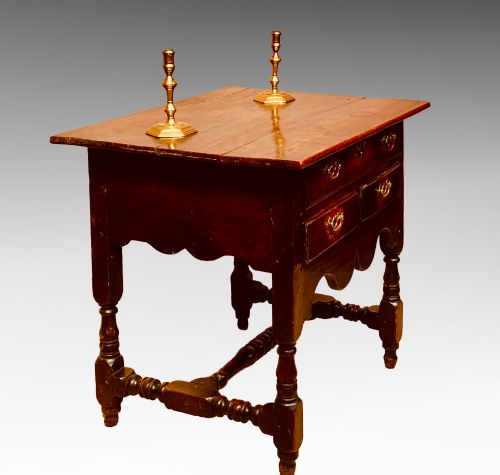
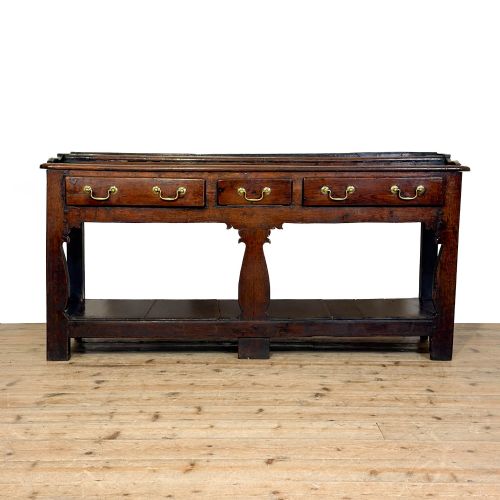
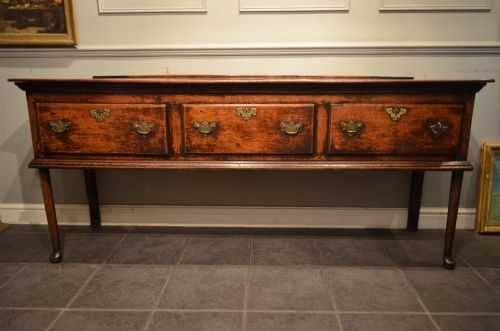
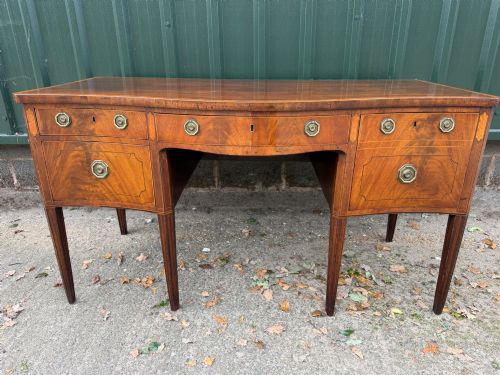
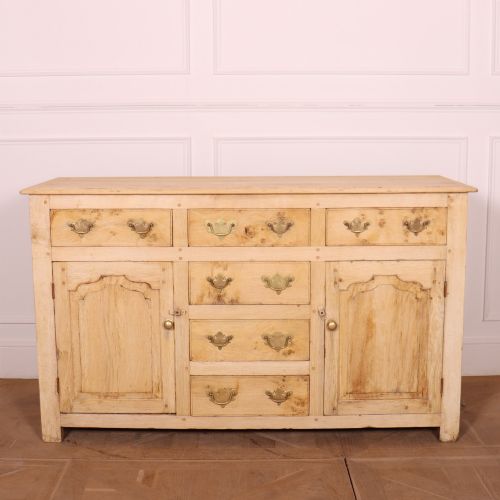
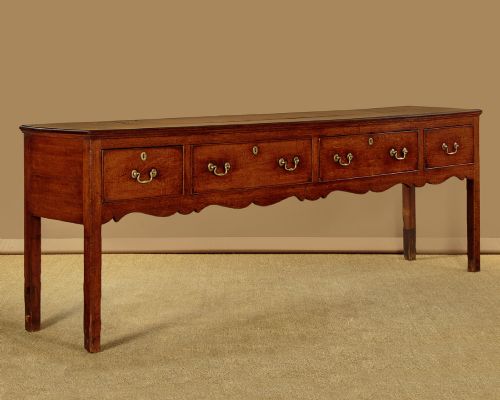
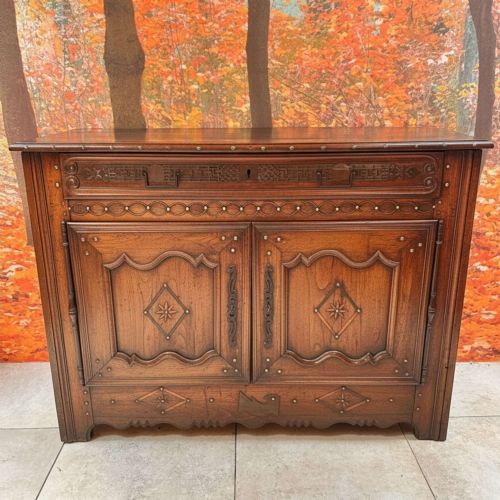
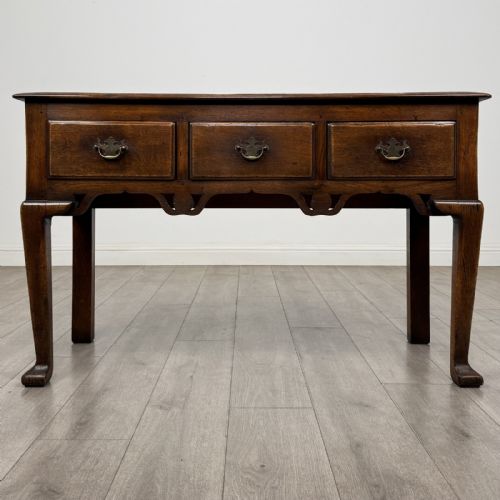
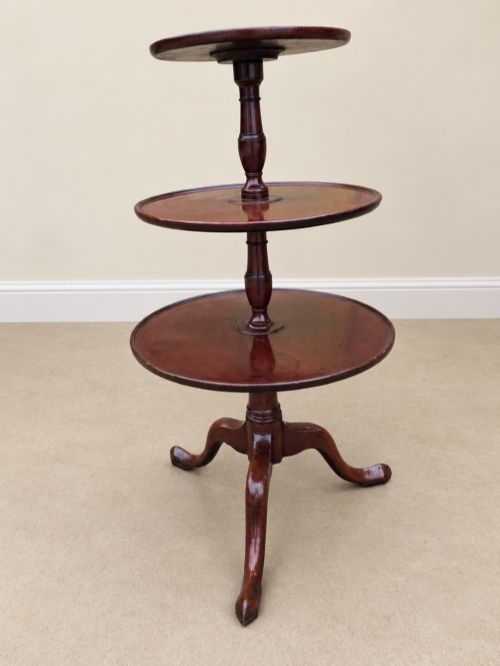
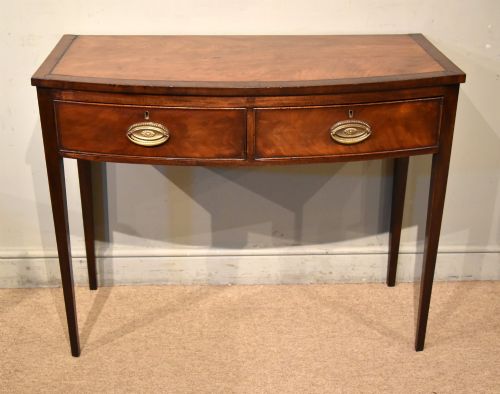
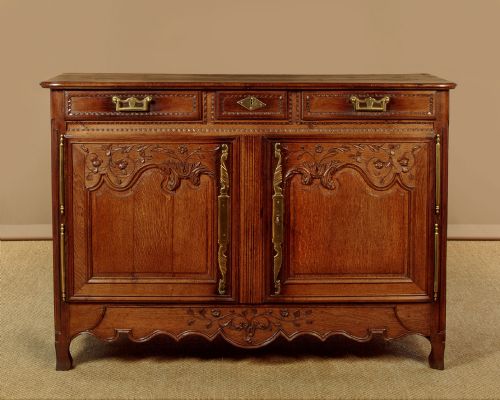
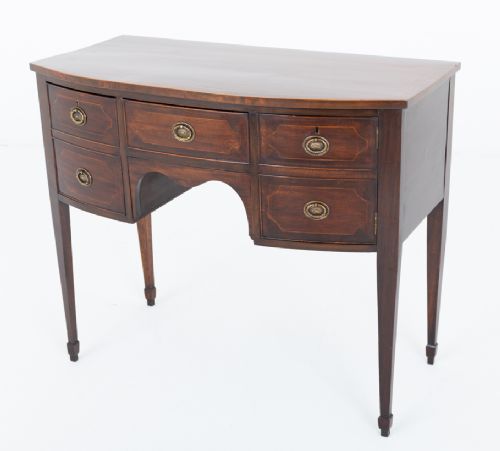
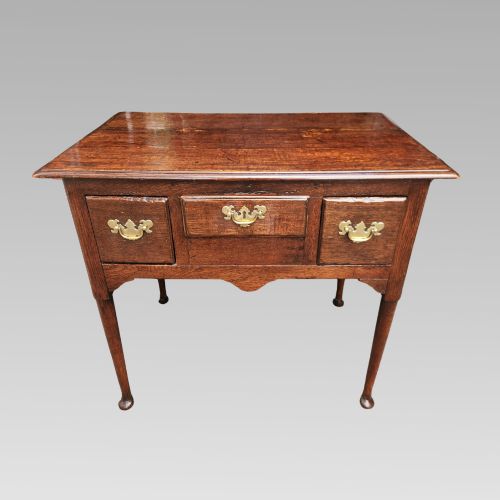
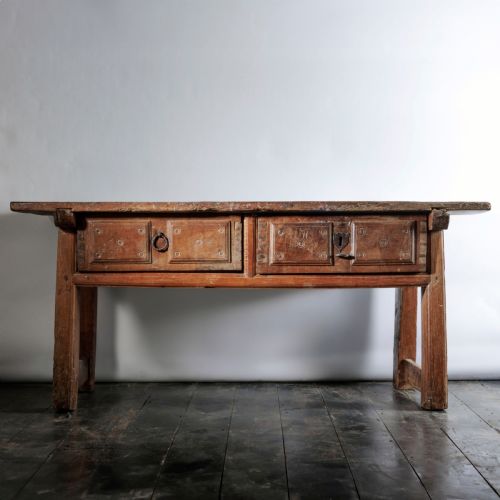
When you search for an 18th century server, you encounter robust dining room furniture designed for holding food, dishes, and silverware. The pieces on this page span several closely related forms, including oak dresser bases, lowboys, side tables, and mahogany sideboards from the Georgian era.
The version you are most likely to meet is a heavy oak or mahogany table, often featuring drawers beneath the top surface and sometimes a lower shelf known as a potboard. These items originated as functional serving tables in large country houses and town residences.
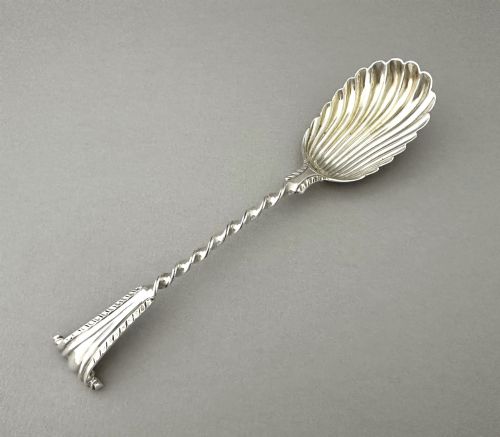
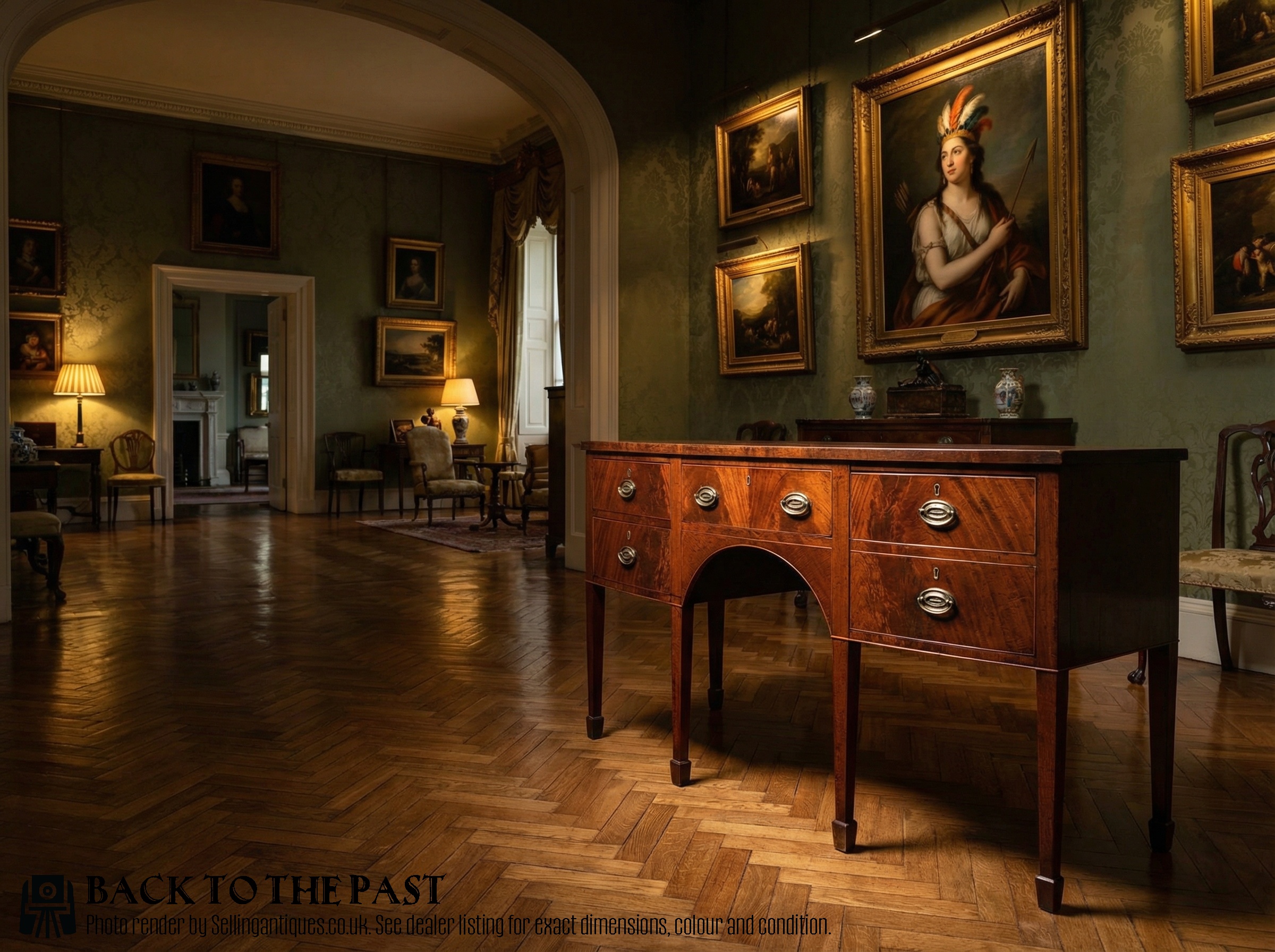
Examples range from simple early oak country pieces with cabriole legs to refined George III mahogany designs with inlaid satinwood and serpentine fronts. A few ceramic asparagus servers also appear, demonstrating the broader definition of serving pieces from the period.
Materials and construction methods
Cabinet makers relied primarily on solid oak and figured mahogany, frequently enhanced with boxwood or satinwood inlay for decorative contrast. Walnut and cherrywood also appear across regional examples, joined by secondary woods used for drawer linings and internal framing.
Joinery techniques involved hand-cut dovetails for drawer construction and pegged mortise and tenon joints for the main frames. Surfaces received hand-rubbed wax or oil finishes that highlighted the natural grain of the timber rather than heavy varnishing.
18th Century Server Retail Price Guide 2026
Typical asking prices for 18th century server among the pieces listed under this phrase on Sellingantiques today, from the lower quarter to the upper quarter. They describe what is for sale here now, not the wider market.
Some dining servers hid extra drawers specifically designed to keep silver spoons safe from sticky fingers.
Distinctions in quality and execution
Quality separates simple utilitarian pieces from high-style urban commissions through the selection of timber and the precision of the carving. Figured mahogany with strong grain patterns or finely figured burr walnut sits at the upper end of the scale.
Refinement shows in details like cockbeaded drawer edges, original brass hardware, and intricate geometric mouldings or crossbanding. Structural integrity and minimal timber replacement preserve the historical value of each piece.
Peter & Jonathan Bateman·Hester Bateman
The 18th Century Server Glossary
- Potboard
- An open lower shelf fitted between the legs of a dresser base or server. It provided a dry place to store pots and heavy kitchen utensils off the floor.
- Lowboy
- A small dressing table or side table with one or more rows of drawers beneath the top. These items typically stand on tall legs, often ending in pad or cabriole feet.
- Serpentine
- A front contour that curves outward in the centre and inward toward the ends. This shape requires advanced woodworking skill and indicates a high-status piece.
- Crossbanding
- A narrow strip of veneer laid around the border of a table top or drawer front so the grain runs perpendicular to the surrounding wood. It creates a neat visual frame.
- Dresser base
- The lower section of a Welsh dresser, functioning independently as a sideboard or serving table. Many items described as servers share this exact form.
18th Century Server: Frequently Asked Questions
What is an 18th century server used for today?
These pieces function well as sideboards in dining rooms, hallway console tables, or media units in living spaces. Their drawers offer convenient storage for linens, cutlery, and household items.
The wide surface area also supports lamps, decorative objects, or serving platters during meals, combining historical utility with everyday domestic convenience.
How do I tell an oak server from a mahogany one?
Oak pieces typically exhibit a pronounced, coarse grain and a warm honey or brown tone, often associated with earlier country workshops. Mahogany items display a smoother, reddish-brown grain that became popular during the later Georgian period.
Looking at the weight and secondary woods inside the drawers helps confirm the primary material and general regional origin of the furniture.
What is the difference between a lowboy and a server?
A lowboy is generally smaller and lower in height, traditionally used as a dressing table or side table with prominent legs. A server or dresser base is longer and wider, built specifically to hold dining provisions and heavy tableware.
While both share drawer configurations and similar 18th-century dates, their original domestic functions shaped their distinct proportions.
How do I care for an antique wooden server?
Keep the wood conditioned by applying a traditional beeswax polish every few months to maintain the lustre of the finish. Avoid placing the piece in direct sunlight or near heat sources to prevent the timber from drying out and splitting.
Use coasters and felt pads beneath objects placed on the surface to protect the antique polish from moisture and scratches.