
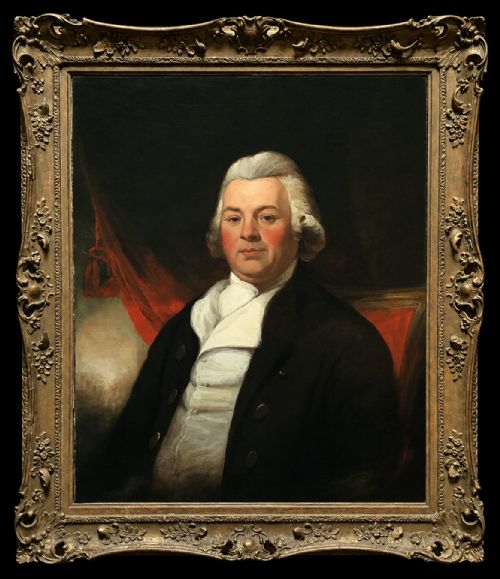


18th Century Scottish Portraits
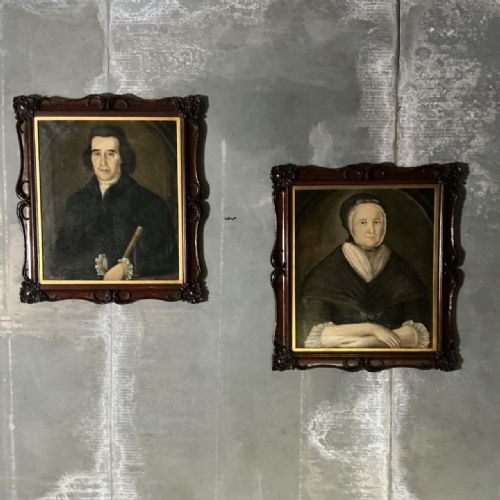
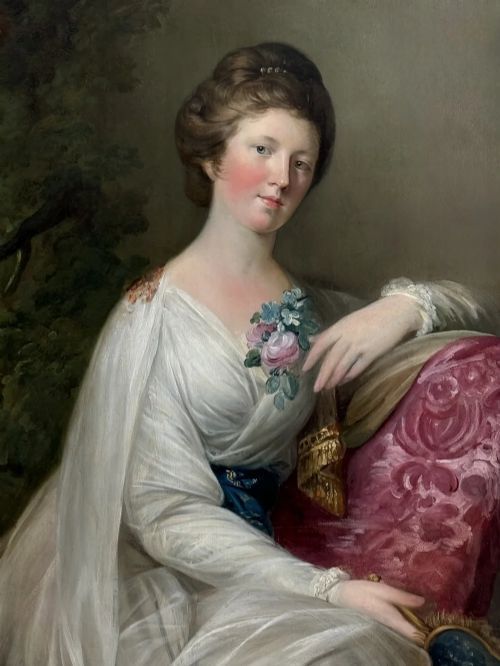
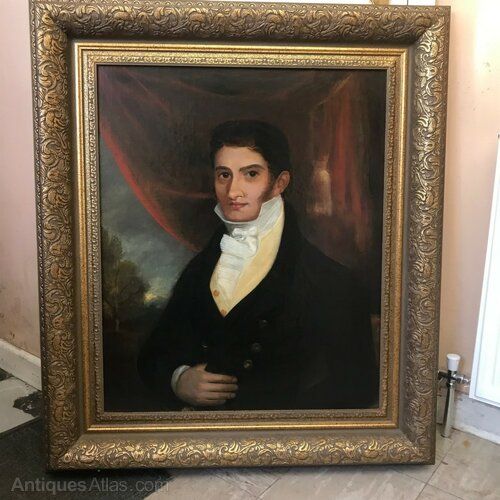
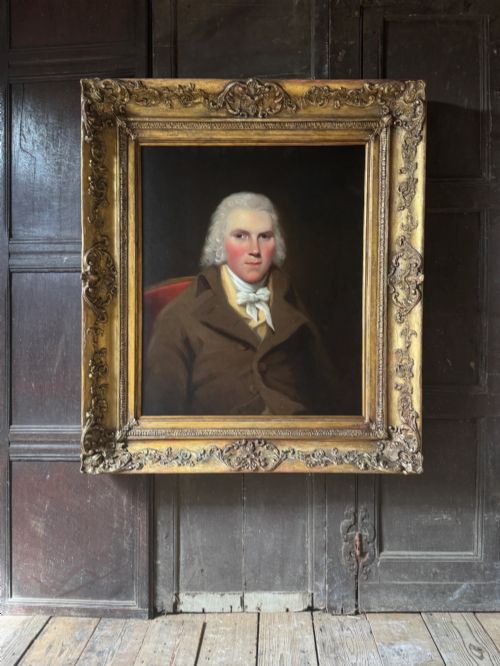
These 18th century scottish portraits capture figures from history in oil on canvas, offering a direct window into past lives.
18th Century Scottish Portraits
When you search for 18th century scottish portraits, you encounter works depicting figures from Scottish history, ranging from physicians and ministers to nobles and military officers. These pieces document individuals tied to specific locations such as Forfarshire, Stirlingshire, and Edinburgh.
The versions you are most likely to meet on this page include oil paintings on canvas, alongside portrait miniatures and larger framed works. They span periods from the seventeenth century through the Georgian and Regency eras, though the eighteenth century forms the core of the selection.
What varies in quality
The distinction between pieces rests on the handling of paint and the presence of documented attributions to named painters or established schools. Works bearing clear inscriptions or strong ties to known portraitists command greater historical interest.
Condition of the canvas and the preservation of the original oil layers also influence the character of each piece. Surviving frames in giltwood add physical context that alters the overall presence of the artwork.
George Willison·George Watson·Alan Ramsay·Richard Waitt·William Denune·William Aikman·Allan Ramsay·Archibald Skirving
The 18th Century Scottish Portraits Glossary
- Oil on canvas
- A painting medium where pigments suspended in oil are applied to a stretched fabric support. This combination allows for rich blending and enduring colour.
- Giltwood
- Wood carved and treated with a thin layer of gold leaf or gilt. This material is standard for period frames surrounding formal portraits.
- British Baroque
- An artistic style prevalent during the late seventeenth and early eighteenth centuries. It emphasises grandeur, drama, and rich detail in portraiture.
- Georgian
- The period spanning the reigns of the first four Georges, from seventeen fourteen to eighteen thirty. It encompasses classical restraint and refined portrait styles.
- Portrait miniature
- A small, intimate painting capturing a person's likeness. These works require fine detail work on a reduced scale.
18th Century Scottish Portraits: Frequently Asked Questions
What periods do these portraits cover?
The selections span multiple eras, with a primary concentration in the eighteenth century alongside related pieces from the seventeenth and nineteenth centuries. Georgian and Regency examples also appear.
Styles shift from British Baroque influences into the more refined portraiture characteristic of the Georgian period and later Scottish schools.
Who are the typical subjects depicted?
Subjects include physicians, ministers, military officers, nobles, and landowners with distinct Scottish connections. Names such as Captain John Campbell and Dr Thomas Wise recur among the sitters.
Inscriptions on the reverse frequently record names, dates, and locations, anchoring the subjects to specific historical communities.
How should I display these oil paintings?
These works suit traditional wall art placement in spaces with stable humidity and limited direct sunlight. Protecting the canvas from extreme temperature shifts preserves the oil paint.
Original giltwood frames complement the historical nature of the paintings and provide structural support for the canvas edges.
How do I identify the artist?
Attributions rely on signatures, inscriptions on the reverse of the canvas, and stylistic comparisons with known works by painters like Alan Ramsay or William Aikman.
Works lacking a signature are often attributed to regional Scottish schools based on technique, palette, and the dress of the sitter.