



Mahogany Framed Oil Painting
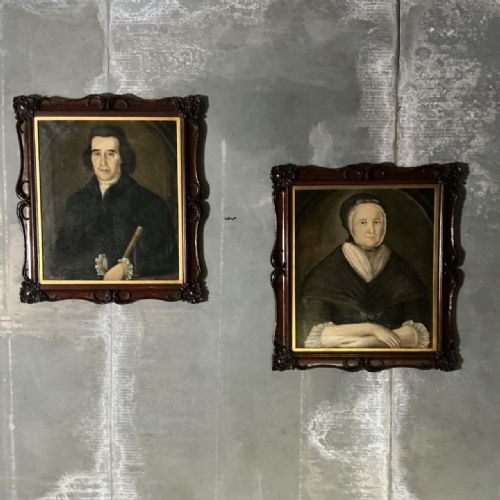
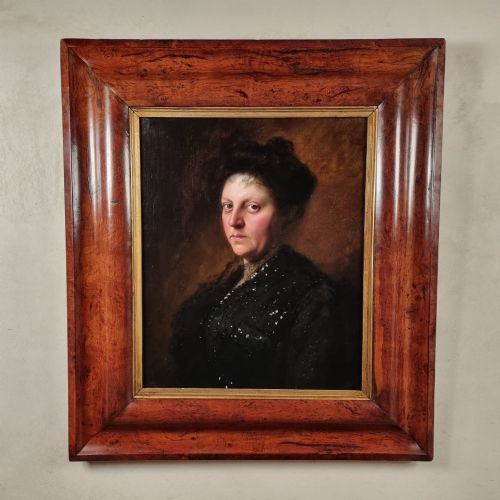
Mahogany framed oil painting pieces bring together timber frames and canvas or panel works spanning the seventeenth century through to the nineteen-thirties.
Mahogany Framed Oil Painting
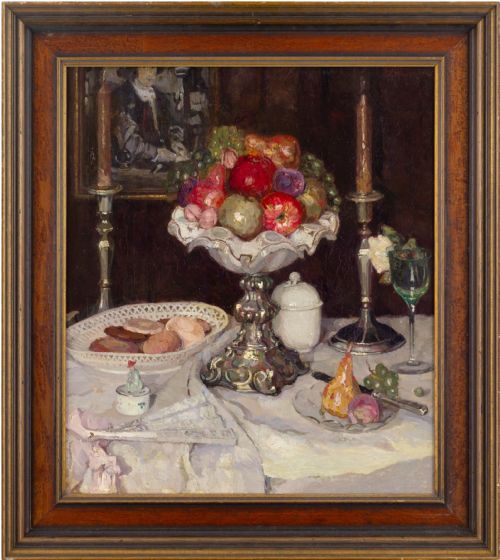
A mahogany framed oil painting brings together wood and painted canvas or panel across several distinct historical periods. These works range from early seventeenth-century portraits to later nineteenth-century genre scenes and floral still lifes.
Buyers encountering this group will find diverse subjects, including British folk art, Scottish portraits, racing pigeons, and French floral compositions. Some examples utilise wood and oil paint directly on mahogany panels or board rather than canvas.
The assortment also encompasses related wall art and mirror forms executed in the Georgian, Regency, Edwardian, and Victorian styles. Each piece reflects the specific portraiture or still life conventions of its respective era.
How they were made
Makers applied oil paint onto surfaces such as canvas, wood boards, and solid mahogany panels. Many works incorporate framing elements constructed from mahogany, occasionally accompanied by gold leaf or gilt details and glass protection.
The construction relies on traditional woodworking and painting techniques appropriate to periods spanning the seventeenth to the twentieth centuries. Panels and frames show the specific joinery and preparation methods of eras including the Georgian and Edwardian years.
Current listings feature periods spanning the seventeenth century, Georgian, Regency, Victorian, Edwardian, and the year nineteen-thirty.
What varies in quality
Quality differences emerge in the handling of the oil paint, the depth and execution of the portrait or still life subject, and the integrity of the mahogany frame. Works attributed to known artists or specific regional traditions carry distinct technical execution.
The selection of the timber and the preservation of the painted surface dictate the overall distinction of each piece. Variations appear between domestic folk art pieces and formal academic works from the seventeenth or nineteenth centuries.
Else Preußner·Ralph Hedley RBA·J Brown·Wybrand de Geest
The Mahogany Framed Oil Painting Glossary
- Mahogany panel
- A flat wooden support made from mahogany timber used instead of canvas for painting. This dense wood provides a rigid ground for oil pigments.
- Oil on canvas
- A painting technique using pigments suspended in a drying oil applied to a woven fabric support. This method became standard across many centuries.
- Genre scene
- A painting depicting scenes from everyday life rather than heroic or religious subjects. These works often show domestic interiors or social activities.
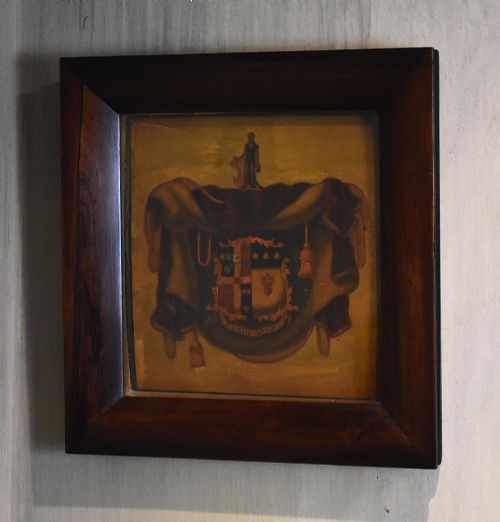
- Heraldic painted coach panel
- An armorial design executed on a wooden section originally intended for a carriage. These pieces record family crests and lineage.
- Gilt
- A thin layer of gold applied to wood or frame surfaces for decorative effect. This finish enhances the visual weight of the framing.
Mahogany Framed Oil Painting: Frequently Asked Questions
What periods do these paintings come from?
The pieces span multiple eras, beginning in the seventeenth century and extending through the Georgian, Regency, Victorian, and Edwardian periods up to nineteen-thirty.
This broad timeline incorporates seventeenth-century portraiture alongside late nineteenth-century Post-Impressionism and British folk art.
Are the frames always made of mahogany?
The selection includes works specifically housed in mahogany frames, alongside paintings executed directly on mahogany panels.
Other materials present across the listings include gold leaf, canvas, wood, and glass elements.
What subjects appear in these works?
Subjects range from Scottish portraits and racing pigeons to garden flowers, still life with fruit, and historical counts.
Artists also recorded young girls, ladies, and domestic genre scenes involving everyday figures.
How do I identify the style of a piece?
Styles correspond to the historical period of execution, encompassing Baroque, Georgian, Victorian Realism, and Post-Impressionism.
Examining the subject matter and painting technique helps determine whether a work belongs to British folk art or formal portraiture traditions.