
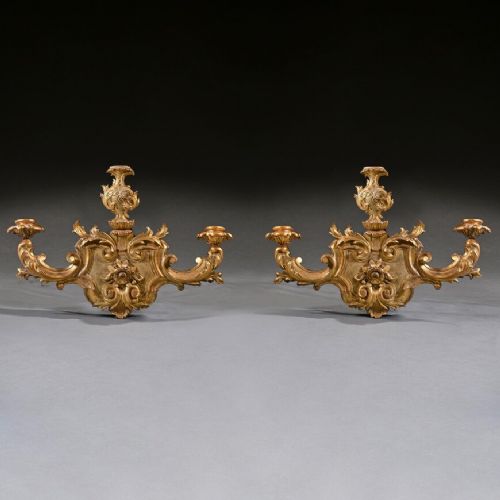
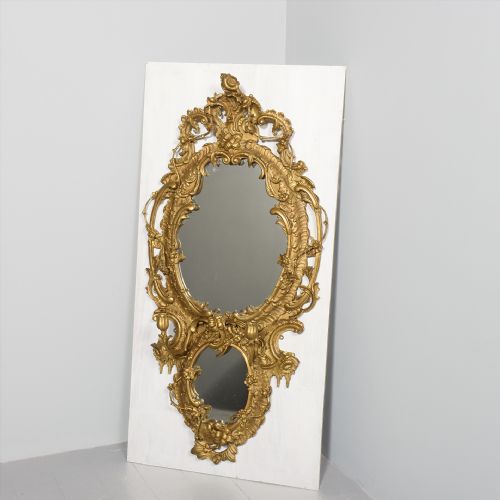


18th Century Sconce
An 18th century sconce brings candlelight and warmth to a room through carved wood, polished brass, and gleaming gilt.
18th Century Sconce
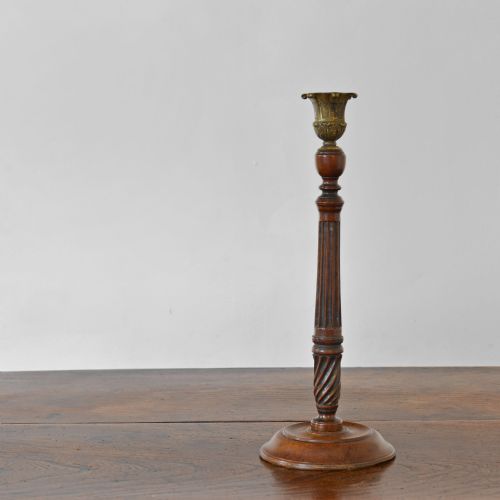
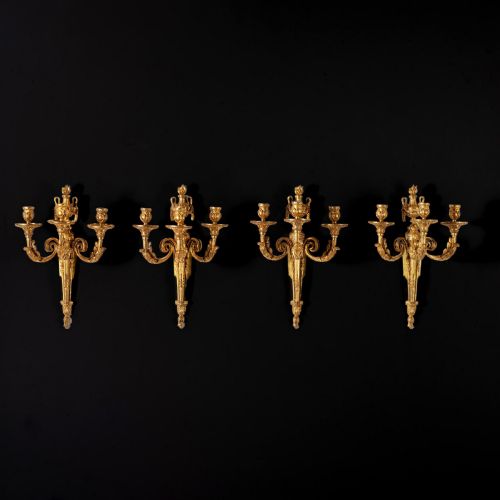
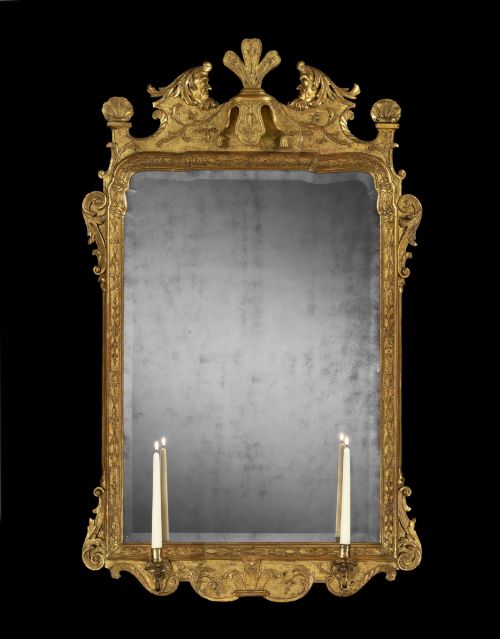
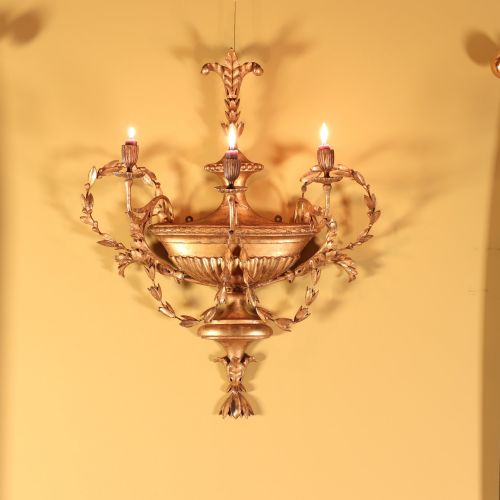
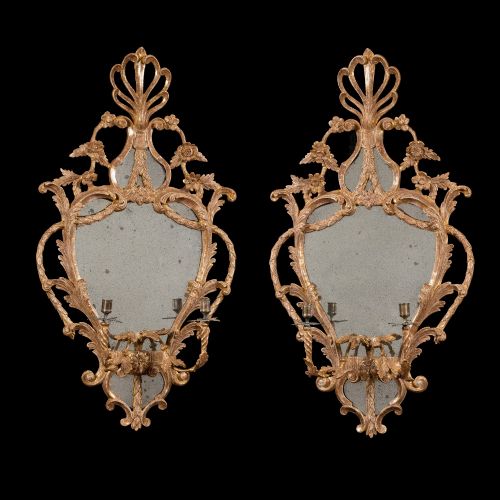
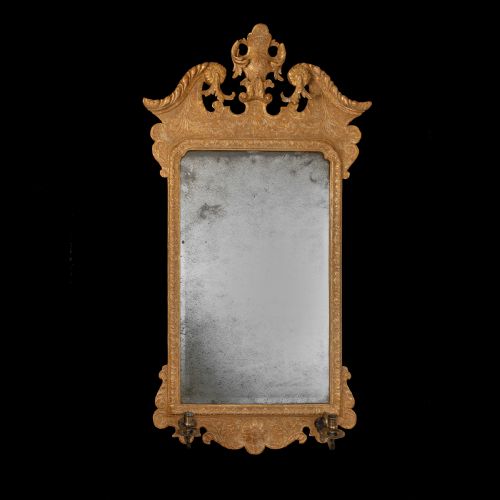
An 18th century sconce is a wall-mounted lighting fixture designed to hold candles and reflect their illumination into a room. When buyers search for this phrase, they encounter a variety of forms including brass candleholders, giltwood girandole mirrors, and multi-branch wall lights.
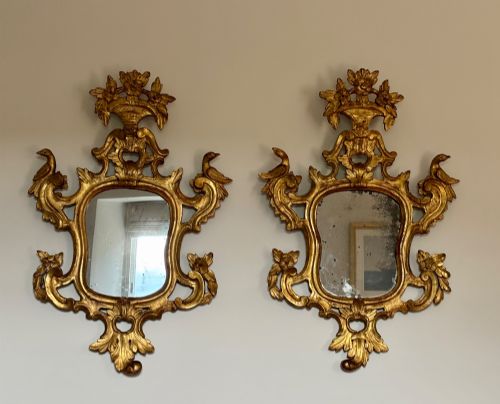
The versions met most frequently on this page span the Georgian and later periods, with Italian Rococo and French designs appearing alongside British examples. These pieces combine functional illumination with decorative carving, gesso, or ormolu mounts intended to catch the flickering light of candles.
Beyond traditional wall lights, the selections include candlesticks, wall brackets, and cartouche mirrors fitted with candle arms. Each piece reflects the interior design priorities of the eighteenth century, where reflective surfaces and metallic finishes maximised the impact of limited indoor lighting.
How they were made
These pieces rely on traditional craftsmanship combining timber, metal, and plaster. Woodcarvers shaped mahogany and softwoods before applying layers of gesso and gold leaf to create reflective surfaces.
Metal components utilise brass, bronze, and ormolu, often cast in multiple sections and hand-finished. Ormolu work involves mercury gilding on bronze, while brass candlesticks employ turned and knopped stems on petal bases.
Mirrors incorporated into girandoles use silvered glass plates, sometimes showing natural foxing from age. Plaster and carved wood elements provide the structural framework for elaborate Rococo and Neoclassical scrollwork.
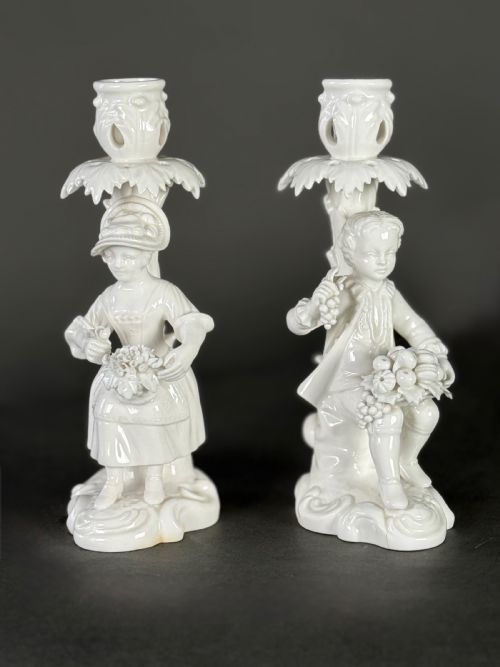
Musicians strum porcelain instruments amidst ceramic leaves on Derby candlestick figures, serenading empty rooms forever.
What varies in quality
The standard of carving and chasing separates masterwork pieces from simpler domestic items. Crisp undercut details in giltwood and sharp definition in cast brass or ormolu indicate superior workshop production.
Originality of surface finish remains central to the distinction between tiers of quality. Pieces retaining their original gilding, untouched patination on brass, and authentic mirror plates command greater interest than those with later surface alterations.
John Cafe·Benjamin Goodison
The 18th Century Sconce Glossary
- Girandole
- A wall mirror with attached candle sconces designed to multiply the flickering light within a room. These fixtures often feature elaborate carved giltwood frames.
- Gesso
- A plaster-like mixture applied to wood surfaces as a preparation for gilding. Artisans carved intricate decorative motifs directly into this layered compound.
- Ormolu
- Gilded bronze used for decorative mounts and lighting fixtures in French and English interiors. The technique involves applying a gold amalgam to cast bronze.
- Bocage
- Porcelain foliage and floral work surrounding figures on eighteenth-century candlesticks. This delicate ceramic background mimics natural arbours.
- Cartouche
- An ornamental tablet or frame resembling a rolled-up scroll, frequently seen in Rococo mirror designs. It provides a central cartouche shield for asymmetrical carved decoration.
18th Century Sconce: Frequently Asked Questions
Where should you hang wall sconces in a modern room?
Mount sconces at eye level, approximately five and a half feet from the floor, to ensure the light source flatters the space without glaring directly into the eyes.
Position them beside mirrors, flanking fireplaces, or along hallways where the reflective surfaces can amplify the ambient illumination.
How do you clean giltwood and brass?
Dust giltwood surfaces gently with a soft, dry brush or feather duster to protect the delicate gold leaf and underlying gesso layers from moisture damage.
Clean brass components sparingly with a dry cloth, avoiding harsh commercial polishes that strip away the historical patination accumulated over centuries.
How can you tell a Georgian piece from a later copy?
Examine the construction methods, tool marks, and material composition on the reverse and joining sections of the frame or candleholder.
Genuine eighteenth-century items display period-appropriate joinery, hand-cut fixings, and natural wear patterns that modern reproductions struggle to replicate accurately.