


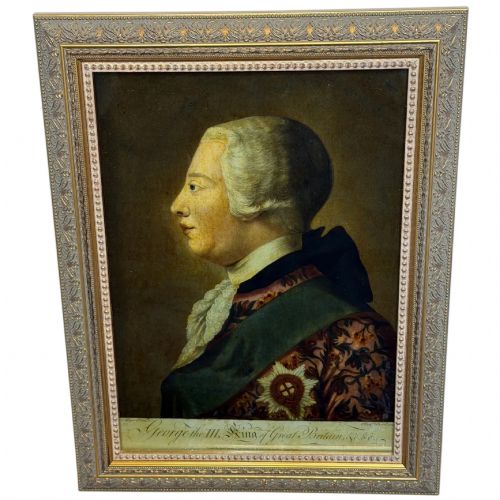
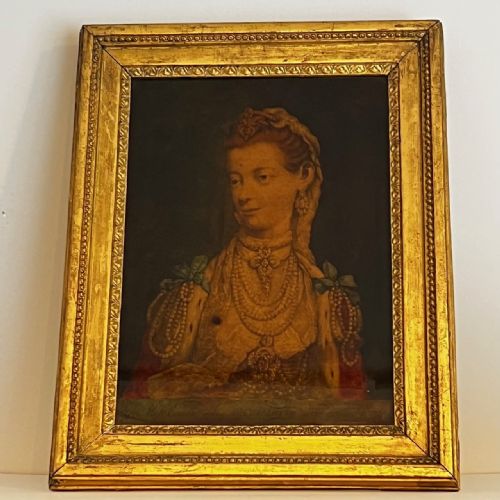

18th Century Reverse Painting
These 18th century reverse painting pieces bring historic portraiture and delicate glazing into domestic spaces with luminous clarity.
18th Century Reverse Painting
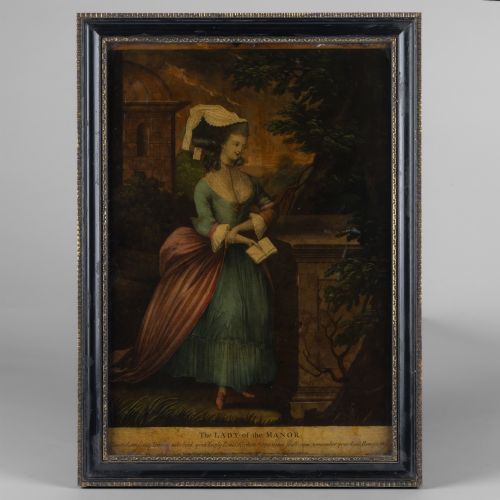
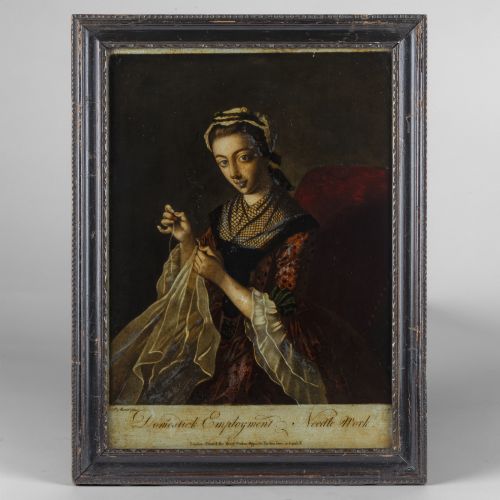
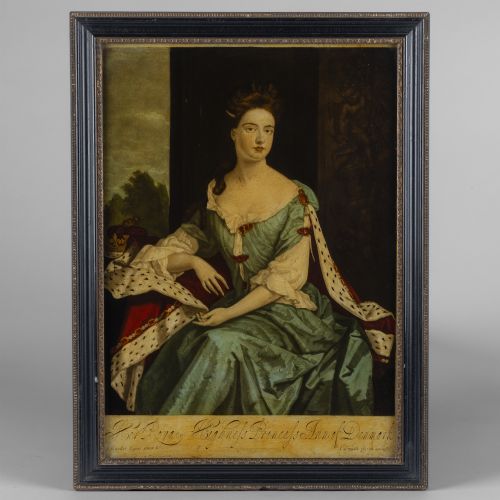
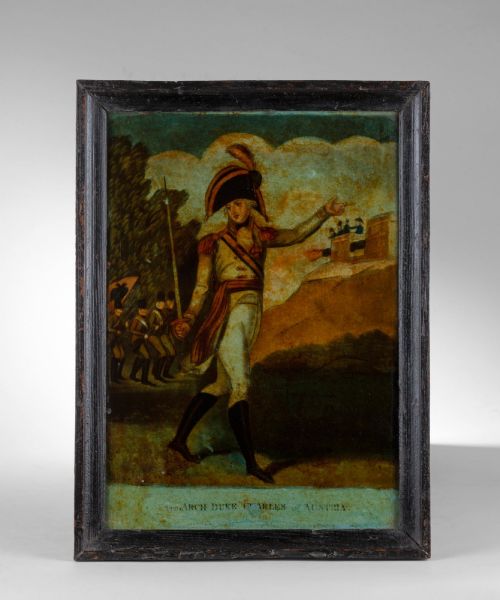
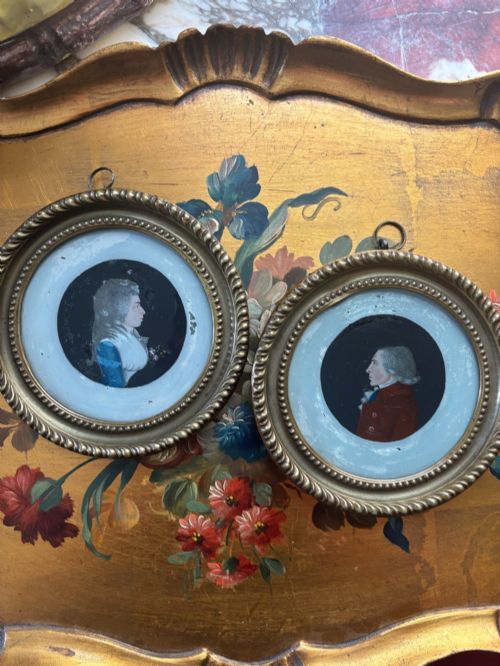
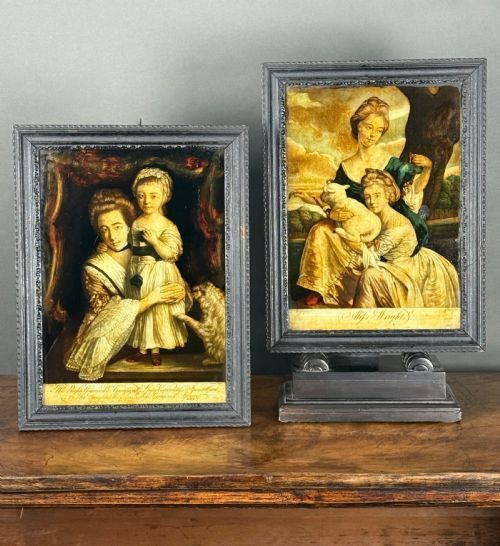
Buyers seeking an 18th century reverse painting encounter delicate works applied directly to the underside of glass panels, allowing the final image to be viewed correctly through the smooth upper surface. The selection here spans Georgian and Regency periods, featuring wall art, framed prints, and miniatures set into rings.
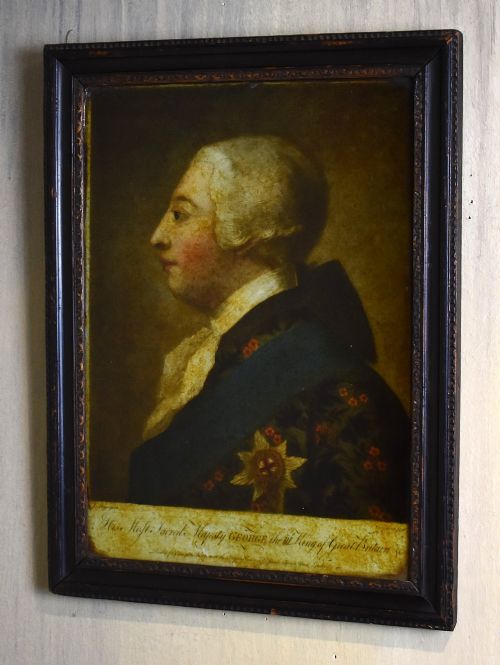
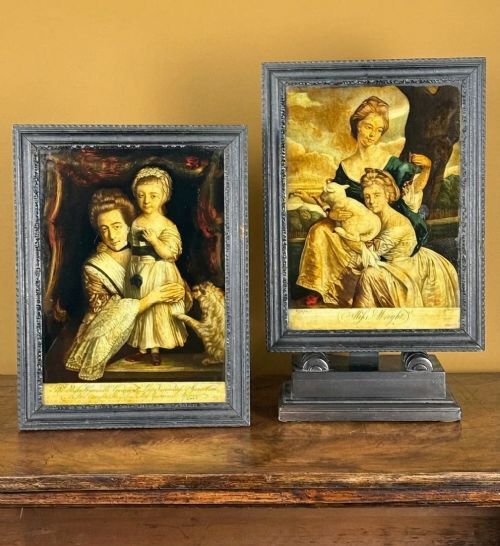
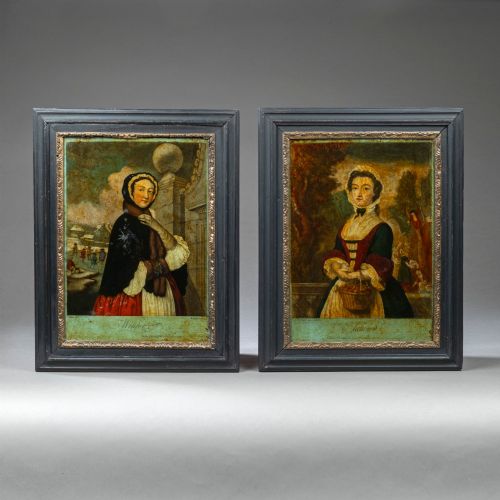
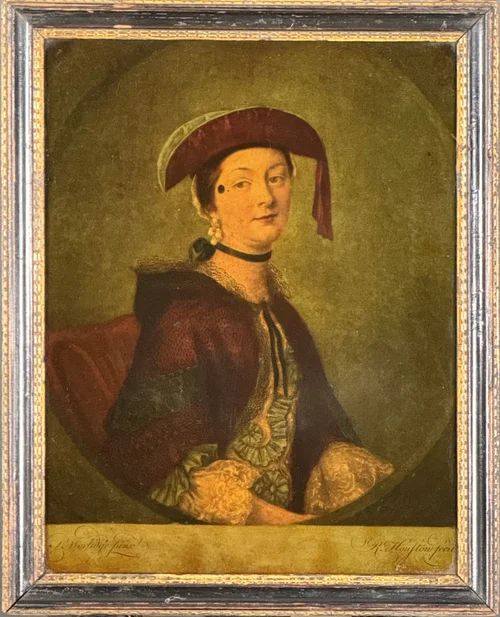
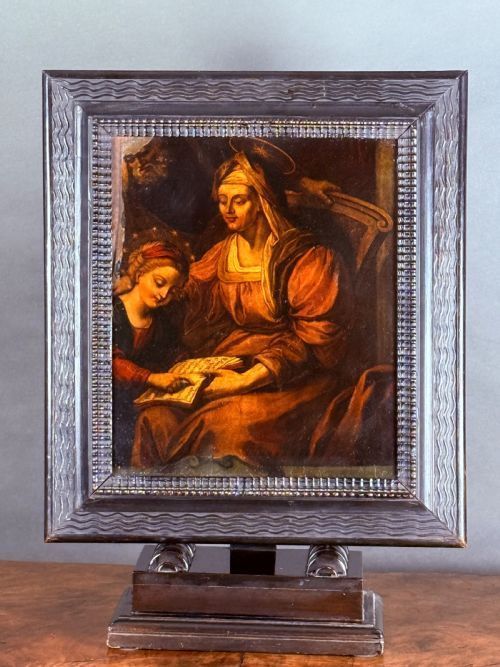
Portraits of royals and notables predominate, alongside seasonal allegories and religious subjects like the education of the virgin. Chinese export mirrors also appear, demonstrating the global reach of this meticulous glazing technique during the period.
Most items on this page take the form of reverse glass mezzotints, where printed lines and pigments combine beneath the glass. These domestic items offer a direct window into the visual culture of Georgian interiors, prized for their preservation beneath protective sheets of glass.
Materials and technique
Makers applied oil paint, pigment, and gold leaf directly onto glass panels in reverse sequence, painting foreground details first before working up to background elements. This required precise draftsmanship since errors could not be painted over without showing through the front.
Many examples incorporate mezzotint prints transferred onto the glass surface and subsequently hand-coloured with oil pigment and water-based paints. Wood frames typically house these fragile panels, often retaining their original backing papers and inscriptions.
18th Century Reverse Painting Retail Price Guide 2026
Typical asking prices for 18th century reverse painting among the pieces listed under this phrase on Sellingantiques today, from the lower quarter to the upper quarter. They describe what is for sale here now, not the wider market.
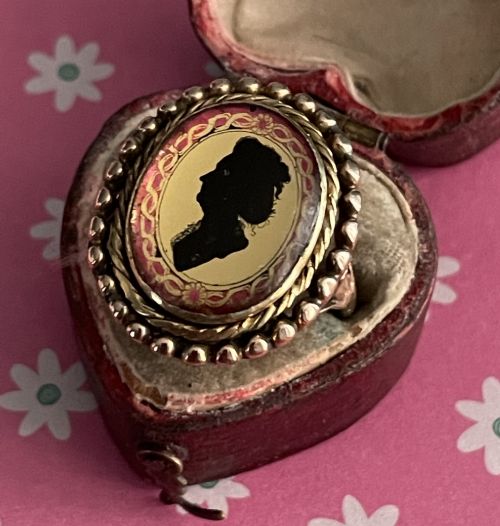
Wear an 18th-century portrait on your hand with a tiny verre eglomise silhouette ring peering out from beneath your cuff.
Judging quality in reverse glass works
Quality rests in the precision of the brushwork and the stability of the pigment against the glass. Finer works retain vibrant colour saturation without extensive flaking or moisture damage to the underlying paper transfers.
The sophistication of the sitter's rendering and the subtlety of the hand-colouring separate standard decorative prints from accomplished portraits by known hands. Original frames and untouched reverse inscriptions add considerable merit to surviving pieces.
Sebastiaan Vrancx·Charles Spooner·Richard Purcell·William Denune
The 18th Century Reverse Painting Glossary
- Verre eglomise
- A cold decoration technique involving the application of gold leaf and painting on glass. This method creates a reflective, mirror-like border around miniatures and silhouettes.
- Mezzotint
- A printmaking process of the tonal style, allowing half-tints to be produced without line work. These prints were frequently transferred to glass and hand-painted.
- Chinese export
- Goods manufactured in China specifically for the European market. These pieces often combine traditional oriental forms with western subject matter.
- Miniature
- A small-scale portrait or silhouette designed for intimate viewing or personal wear. These delicate items frequently appear set into rings or small frames.
- Georgian
- Pertaining to the reigns of the first four British monarchs named George. This era defines the core aesthetic of the framed prints and portraits seen here.
18th Century Reverse Painting: Frequently Asked Questions
How do I hang a reverse glass painting safely?
Hang these pieces away from direct sunlight and damp walls to protect the fragile pigments trapped behind the glass panel. Use secure picture hooks suited to the weight of the original wood frame.
Check that the hanging cord or wire attached to the reverse is stable and secure before mounting the artwork on a wall.
What subjects appear on these glass paintings?
Portraits of British monarchs, nobility, and notable figures form a large category among these works. Seasonal themes and religious narratives also recur frequently.
Export mirrors introduce broader decorative landscapes into the medium, expanding beyond pure portraiture.
Are these paintings signed by the artists?
Signatures occasionally appear inscribed on the reverse paper backing or directly onto the glass panel alongside the painted composition. Many works remain attributed through stylistic comparison and contemporary publishing records.
Inscriptions often record the sitter's identity and the publisher's details rather than the painter's hand.