



18th Century Porcelain Jars
These 18th century porcelain jars bring cabinet elegance into a room through hand-painted cobalt and vibrant enamels.
18th Century Porcelain Jars
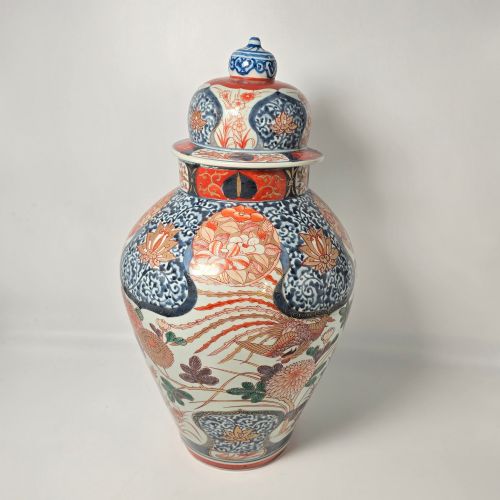
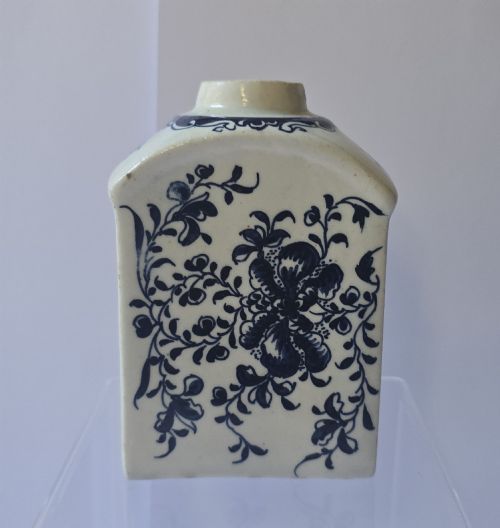
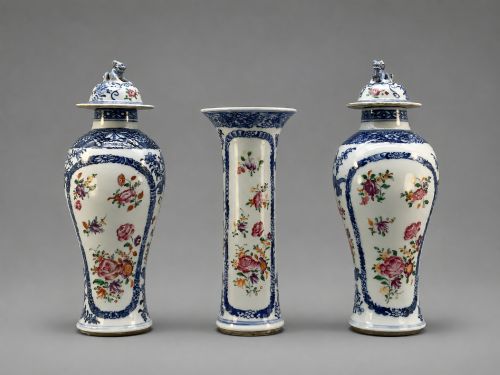
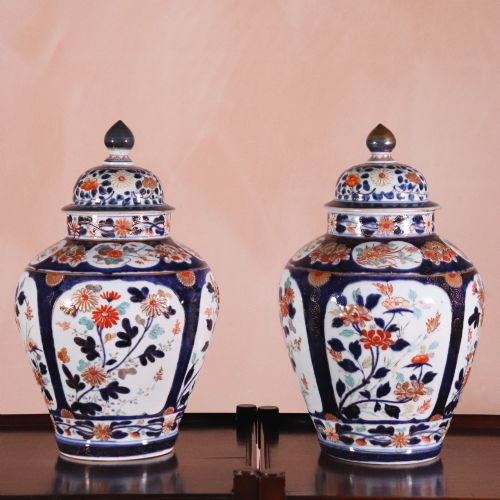
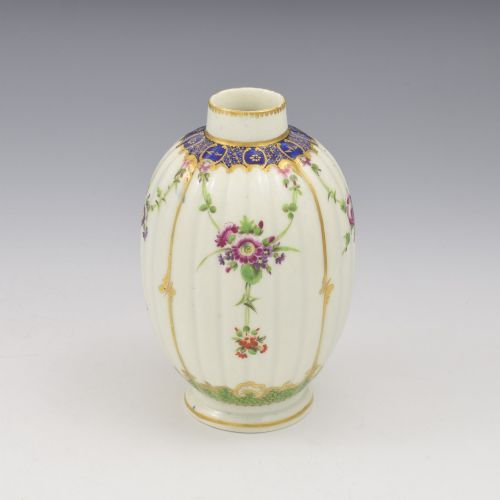
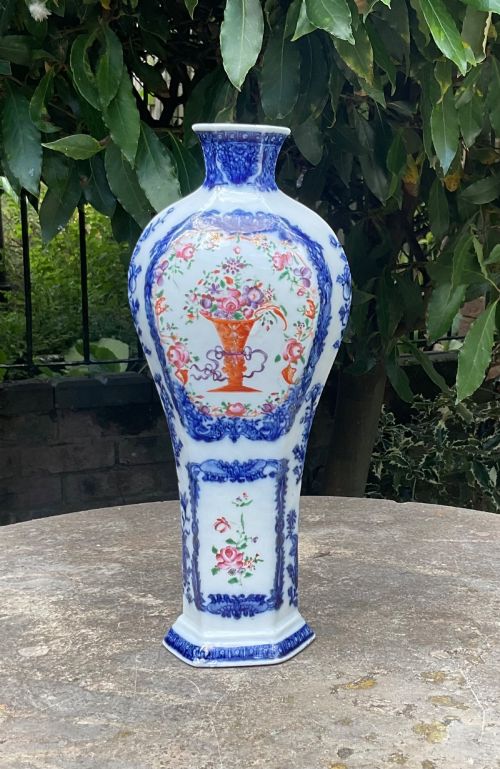
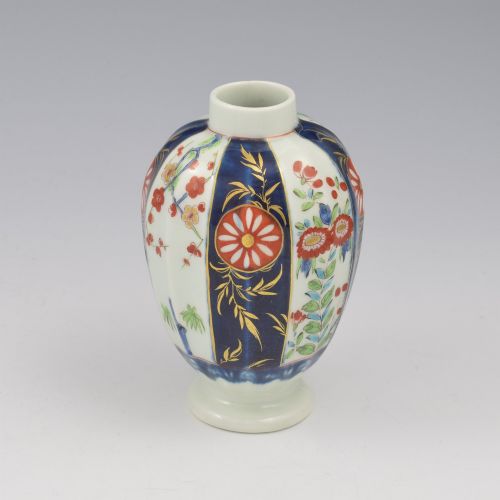
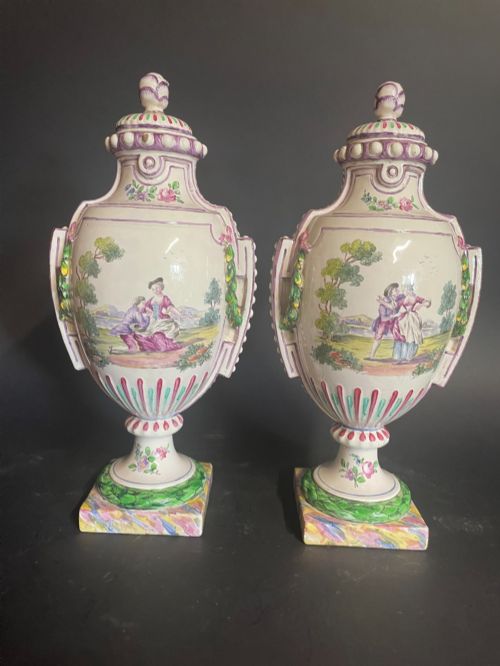
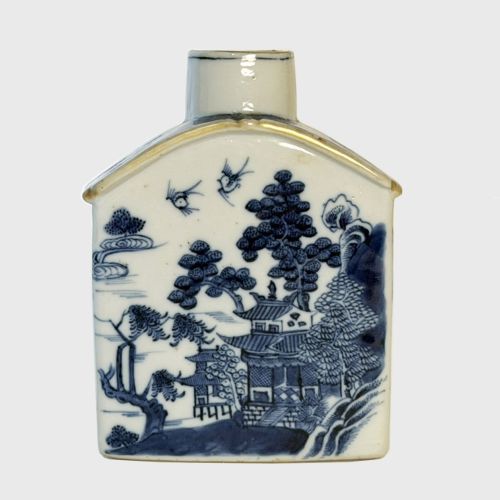
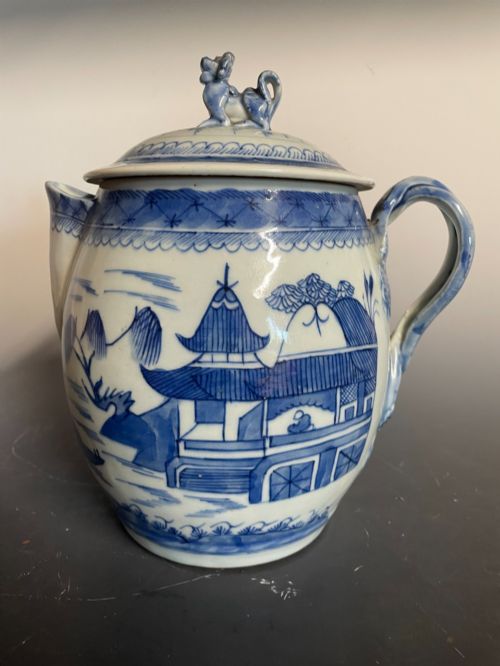
When you search for 18th century porcelain jars, you encounter vessels produced across European factories and East Asian kilns during the Georgian era and Qing Dynasty. The forms on this page include decorative lidded jars, tea canisters, and baluster vases, often decorated in blue and white or the Imari palette.
Japanese Arita pieces and Chinese Export items sit alongside English works from Worcester and continental European earthenwares like Delft and faience. These containers served varied domestic and display roles, from holding dry tea leaves to ornamenting grand interiors.
How they were made
The makers formed these objects from soft-paste porcelain, hard-paste porcelain, and tin-glazed earthenware, applying fluid glazes over the clay body. Pigments such as underglaze blue and famille rose enamels provide the surface decoration.
Many examples incorporate gold leaf and gilding applied over the fired glaze to accent moulded panels and fluted surfaces. Potters shaped these pieces on wheels or cast them in moulds before kiln firing at high temperatures.
18th Century Porcelain Jars Retail Price Guide 2026
Typical asking prices for 18th century porcelain jars among the pieces listed under this phrase on Sellingantiques today, from the lower quarter to the upper quarter. They describe what is for sale here now, not the wider market.
Several tea caddies spent centuries guarding dry leaves before finding new life as ornamental pommanders and desk companions.
What varies in quality
The distinction between standard domestic production and superior work lies in the crispness of the hand-painted motifs and the purity of the glaze. Finer pieces demonstrate confident brushwork in cobalt or enamel, whereas simpler items show more routine application.
Complete pairs and matching garnitures command greater attention than solitary vessels, particularly when the original covers remain intact. The sophistication of the potting, whether in delicate fluting or robust baluster forms, dictates the overall presence of the object.
Richard Ginori·Chamberlain Worcester
The 18th Century Porcelain Jars Glossary
- Soft-paste porcelain
- A ceramic composition made from white clay mixed with ground glass and other materials, fired at lower temperatures than hard-paste. This body appears slightly creamy and was widely utilised by English factories.
- Imari palette
- A decorative scheme originating in Japan utilising underglaze blue, iron red, and gold. Pieces decorated in this manner show rich contrasts and detailed patterns.
- Baluster vase
- A vessel form characterised by a rounded body that tapers toward the base and swells above, resembling a architectural baluster. This shape appears frequently in blue and white porcelain.
- Famille rose
- A palette of opaque enamel colours dominated by pink, introduced to Chinese porcelain during the Qing Dynasty. It allowed for shaded pictorial designs on exported wares.
- Tin-glazed earthenware
- Pottery coated with a white glaze containing tin oxide, providing an opaque surface for painted decoration. Dutch Delft and French faience rely upon this technique.
18th Century Porcelain Jars: Frequently Asked Questions
Are these jars safe for holding tea?
Most of these vessels were designed for dry storage or display rather than daily culinary use. Historic glazes and interior conditions mean they are best kept as decorative objects.
Enjoy them on a mantel or cabinet shelf where their painted decoration remains protected from heavy handling.
How do I identify First Period Worcester?
First Period Worcester pieces often display fine fluting, blue and white transfer printing, or hand-painted enamel designs influenced by Asian and European styles. Look for characteristic paste properties and factory marks beneath the glaze.
Compare the weight and translucency of the body against standard domestic wares of the Georgian era.
What is the difference between Arita and Imari?
Arita is the Japanese town and production region where these hard-paste porcelain vessels were manufactured. Imari refers to the specific decorative palette and export style shipped from the nearby port.
Many Arita pieces are decorated in the Imari style using iron red, cobalt blue, and gilding.
Why do some jars lack covers?
Covers were easily separated or broken during centuries of domestic use, washing, and repositioning. Garniture pieces and tea canisters frequently survived with mismatched lids or none at all.
When a jar retains its original matching cover, it preserves the intended silhouette created by the potter.